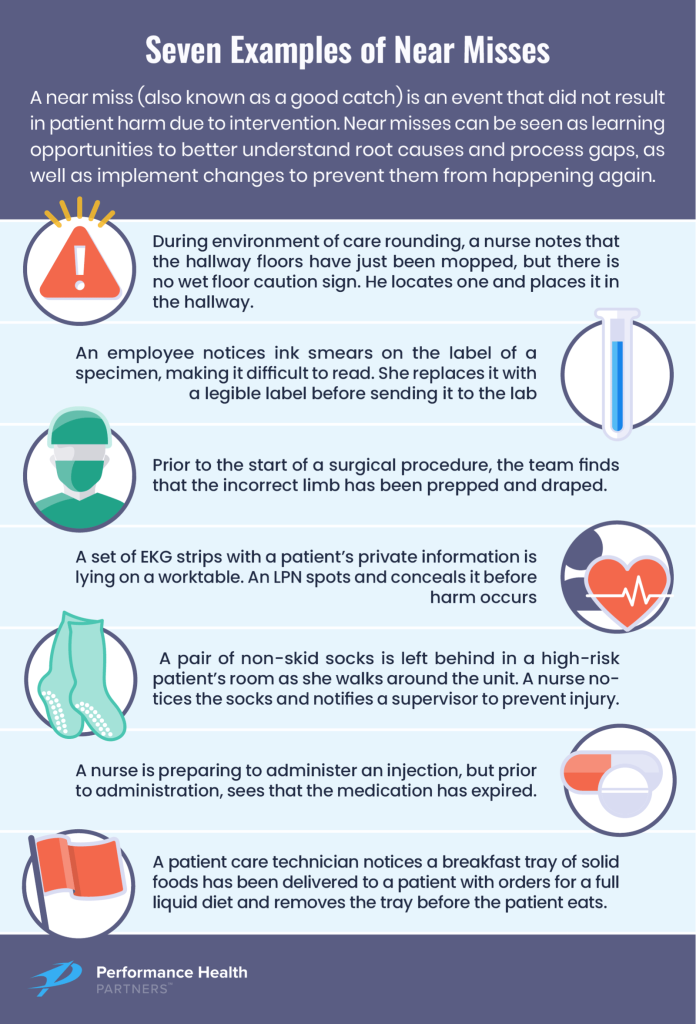
Imagine a world where your safety is always the top priority. A place where every step you take, every decision you make, is guided by the assurance of being protected from harm or injury.
Sounds ideal, right? Yet, in reality, ensuring safety often takes a backseat to the hustle and bustle of daily life. But what if you could change that? What if you had the power to make safety a priority not only for yourself but also for your loved ones?
By reading this article, you’ll discover simple, yet effective strategies to prevent harm before it happens. You’ll learn how to anticipate risks and make informed choices that safeguard your well-being. Picture the peace of mind that comes from knowing you’re taking proactive steps to protect yourself. This isn’t just about avoiding accidents; it’s about living a life where safety is a conscious choice—a priority. Stay with us, and you’ll gain insights that empower you to create a safer environment wherever you go. Your journey to prioritizing safety begins with the next paragraph. Are you ready to transform the way you think about preventing harm and injury? Let’s dive in.
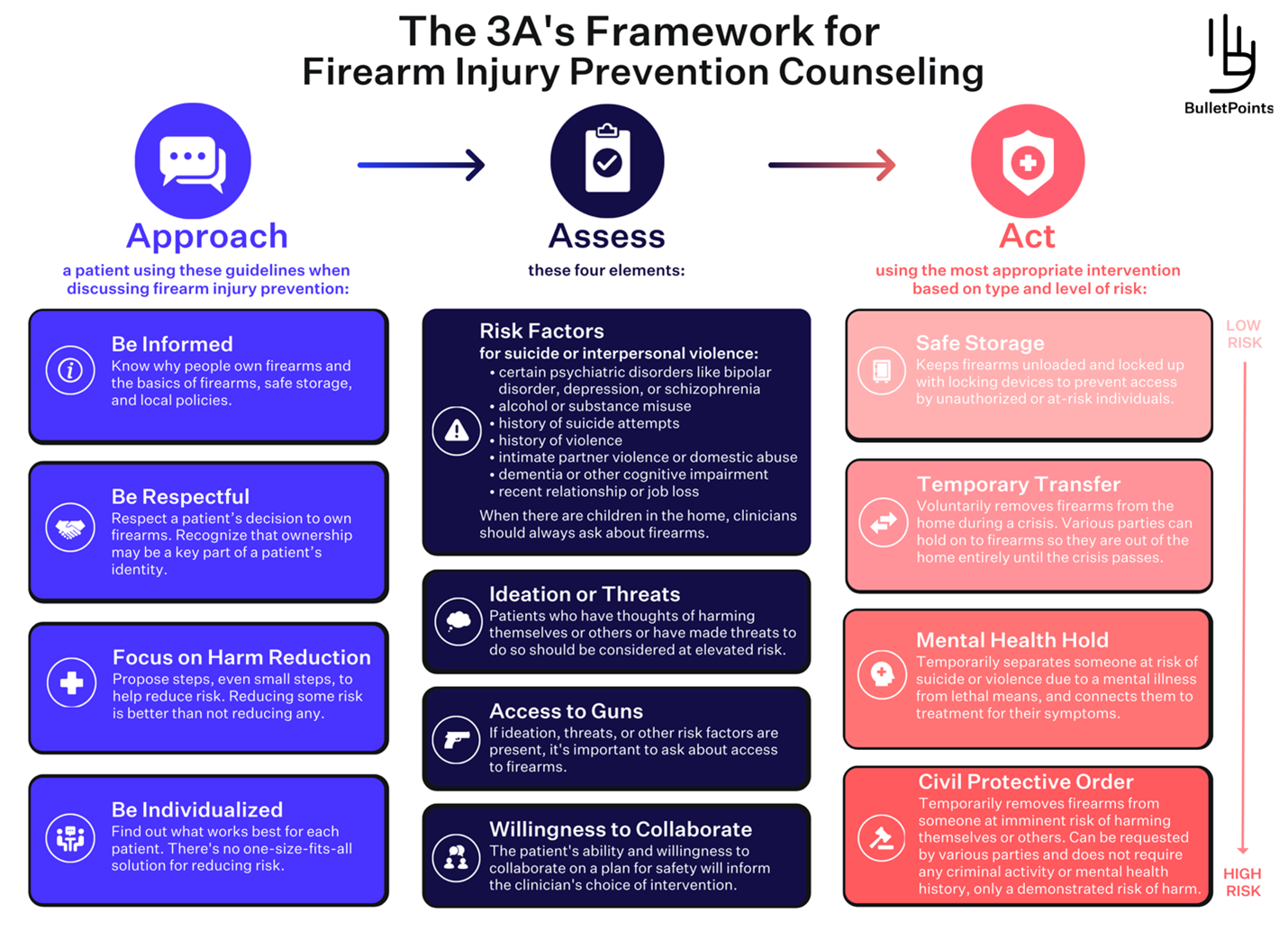
Credit: www.bulletpointsproject.org
Understanding Risk Factors
Understanding risk factors is crucial in safeguarding against harm or injury. By identifying and analyzing these factors, you can take proactive measures to mitigate risks and enhance safety. This involves recognizing potential hazards and assessing vulnerability. Let’s delve into these critical components that can empower you to create safer environments.
Identifying Potential Hazards
Potential hazards can lurk in everyday settings, often unnoticed until it’s too late. Take a moment to survey your surroundings. Are there loose wires on the floor? Is a slippery surface waiting for an unsuspecting step? Identifying these hazards is the first step to prevention.
Consider the places you frequent: your home, workplace, or even public spaces. What risks are inherent in these environments? Cataloging these hazards can help you prioritize actions to address them.
- Look for physical hazards like sharp edges or uneven flooring.
- Consider environmental risks such as poor lighting or noise pollution.
- Identify human-related factors, including fatigue or lack of training.
Once you have a list, evaluate the severity and frequency of each hazard. This will guide you in determining which risks require immediate attention.
Assessing Vulnerability
Assessing vulnerability is about understanding who or what might be affected by these hazards. Consider the people around you, their age, health, and experiences. Are children or elderly individuals particularly at risk?
You can also think about how often people are exposed to these hazards. Is it a daily occurrence or a rare event? The more frequent the exposure, the higher the vulnerability.
By analyzing vulnerability, you can tailor preventive measures more effectively. For example, installing handrails can significantly reduce the risk for the elderly, while regular training sessions can help employees stay safe in the workplace.
Reflect on your own experiences. Have you ever been caught off guard by a hazard you overlooked? What steps could you take to ensure it doesn’t happen again?
Understanding risk factors is not just about ticking boxes; it’s about actively engaging with your environment to make meaningful changes. Are you ready to take control and prioritize safety?
Effective Communication
Effective communication is crucial in preventing harm or injury. Clear instructions help avoid misunderstandings that could lead to accidents. Listening actively ensures safety measures are understood and followed.
Effective communication plays a vital role in preventing harm or injury. It ensures everyone understands potential risks and safety measures. Clear messaging can save lives and prevent accidents. Let’s explore how effective communication can be achieved.Clear Information Dissemination
Sharing information clearly is crucial. Use simple language and short sentences. Avoid jargon that might confuse people. Visual aids like charts can help clarify complex details. Regular updates keep everyone informed about new risks. Encourage open dialogue for questions and feedback.Training And Education
Training sessions are key for effective communication. They help people understand safety protocols. Hands-on training is often more effective than theoretical lessons. Interactive activities engage participants and improve retention. Education should be ongoing to adapt to new safety challenges. Encourage a culture of learning and awareness.Implementing Safety Protocols
Ensuring safety protocols are in place is crucial to prevent harm and injuries. Clear guidelines and regular training help maintain a safe environment. Consistent monitoring and updates to protocols reduce risks effectively.
Implementing safety protocols is crucial in preventing harm or injury. It ensures that everyone in the workplace knows what to do and how to do it safely. By setting clear guidelines and expectations, you not only protect yourself but also your colleagues.Standard Operating Procedures
Standard operating procedures (SOPs) are the backbone of any safety protocol. They lay out the steps you need to follow to complete tasks safely and effectively. Think of SOPs as your safety manual—they tell you how to handle equipment, which protective gear to wear, and the proper way to execute tasks. Creating SOPs involves understanding the specific risks associated with each task. For instance, if you work in a laboratory, SOPs would detail how to handle chemicals safely. They should be clear, concise, and easily accessible to everyone. Updating SOPs regularly is vital. As new equipment is introduced or processes change, SOPs should reflect these updates. This ensures that everyone remains informed and prepared.Emergency Response Plans
Emergency response plans are your safety net when things go wrong. They provide a clear course of action to minimize harm during emergencies. Whether it’s a fire, chemical spill, or medical emergency, having a plan can be lifesaving. Consider your workplace environment—what are the potential emergencies you might face? Tailor your response plans to address these specific scenarios. For instance, if you work in a high-rise building, your plan should include evacuation routes and designated meeting points. Training is key to effective emergency response. Regular drills help ensure everyone knows their role during an emergency. Ask yourself, if an emergency happened right now, would you know what to do? Safety protocols are not just about rules; they are about creating a culture of safety. When everyone is informed and prepared, the risk of harm or injury significantly decreases. Are you ready to make safety a priority in your workplace?
Credit: www.facebook.com
Utilizing Technology
Integrating technology into daily routines minimizes risks and enhances safety. Smart devices monitor environments, alerting users to potential hazards. Automated systems ensure timely responses, preventing accidents effectively.
Utilizing technology can significantly reduce risks and prevent harm. Innovative tools and systems offer new ways to ensure safety. From monitoring to data analysis, technology plays a crucial role.Safety Monitoring Systems
Safety monitoring systems have become essential in many sectors. These systems keep an eye on potential hazards continuously. They alert users to issues before they escalate. Sensors and cameras detect unusual activities. Automated alerts notify responsible personnel immediately. This proactive approach can prevent incidents effectively.Data Analysis For Prevention
Data analysis helps in identifying patterns that lead to harm. Historical data provides insights into frequent issues. By analyzing this data, companies can predict and prevent future incidents. Machine learning models can detect anomalies. These models offer suggestions to mitigate risks. This foresight is invaluable in creating safer environments.Fostering A Safety Culture
Creating a culture of safety is essential to prevent harm or injury. It involves everyone in the organization, from leaders to employees. This culture prioritizes safety in every action and decision. It encourages open communication about risks and solutions. Employees feel empowered to speak up and make safe choices. Such a culture requires commitment and shared responsibility.
Leadership And Accountability
Leaders set the tone for a safety culture. Their actions show the importance of safety to all employees. They must be clear in their expectations and provide resources for safe practices. Accountability ensures everyone follows safety guidelines. Leaders hold themselves and others responsible. This creates trust and encourages adherence to safety protocols.
Employee Engagement
Employees play a vital role in fostering a safety culture. Engaged employees are aware of safety risks. They participate actively in safety training and initiatives. Encouraging their involvement leads to better safety practices. Empowering them to report unsafe conditions without fear is key. Their insights can lead to effective solutions and improvements.
Regular Safety Audits
Regular safety audits help identify hazards before they cause harm. They ensure workplace safety and protect employees from injury. Prioritizing these audits can prevent accidents and promote a safer environment.
Regular safety audits are essential for preventing harm or injury in any environment. They act as a proactive measure to identify and rectify potential hazards before they become critical issues. Conducting these audits regularly ensures that safety protocols are up-to-date and effective. Imagine your workplace as a dynamic organism constantly evolving; regular audits are the health checks that keep it thriving and secure.Inspection And Maintenance
In the realm of safety, inspection and maintenance play a pivotal role. Regular checks help identify equipment malfunctions that could lead to accidents. This proactive approach saves time and resources by preventing emergency situations. Consider setting a schedule for inspections, just like you would for oil changes in your car, ensuring everything runs smoothly. Every piece of equipment has its own quirks and needs. Understanding these specifics can prevent unexpected breakdowns. Take the time to familiarize yourself with manuals and guidelines. Isn’t it better to spend a few minutes now rather than face hours of downtime later?Continuous Improvement
Continuous improvement is not just a buzzword; it’s a culture. Safety audits should evolve based on findings and feedback. Encourage your team to share insights and suggestions. This collective effort fosters a safer environment for everyone involved. Embrace the idea that there’s always room for improvement. Regular audits highlight areas that need attention, but also celebrate successes. How can you tweak processes to make them even safer? Create a safety culture where everyone feels responsible for improvement. Simple changes can lead to significant enhancements. Could a small adjustment in protocol reduce risks significantly? Regular safety audits, when done with care and focus, not only prevent harm but also promote a culture of safety awareness and continuous improvement.Community Involvement
Community involvement is key in preventing harm and injury. Engaging local communities fosters a collective sense of responsibility. This sense of community can drive impactful actions and sustainable change. By empowering communities, we can create safer environments for everyone. Let’s explore how public awareness campaigns and collaborative efforts play a vital role.
Public Awareness Campaigns
Public awareness campaigns educate and inform communities about risks and prevention strategies. They utilize various media platforms to reach a wide audience. Social media, local radio, and community events are common channels. These campaigns highlight the importance of safety and encourage proactive measures. Clear messaging is crucial for understanding and engagement.
Effective campaigns often include:
- Simple language for easy understanding
- Visual aids to capture attention
- Real-life stories to connect emotionally
Communities become more vigilant and informed through these efforts. Awareness campaigns play a pivotal role in fostering a culture of safety.
Collaborative Efforts
Collaborative efforts enhance community involvement by pooling resources and expertise. Local organizations, schools, and businesses work together for common safety goals. These partnerships create a strong network for problem-solving. Shared responsibilities lead to innovative solutions and better outcomes.
Collaboration can involve:
- Joint workshops for skill-building
- Community safety audits to identify risks
- Resource sharing for efficient implementation
Such efforts empower communities to take active roles in safety initiatives. Collaboration fosters trust and increases the effectiveness of prevention strategies. Together, communities can create safer environments and reduce harm.
Reviewing Legal And Regulatory Frameworks
Reviewing legal and regulatory frameworks is essential for preventing harm or injury. These frameworks guide organizations to maintain safety and protect people. They ensure that workplaces, products, and services meet safety standards. Understanding these frameworks helps companies comply with laws and avoid penalties. It also promotes a culture of safety and responsibility. Let’s explore key aspects such as compliance and policy development.
Compliance With Safety Standards
Compliance with safety standards is crucial for any organization. It involves adhering to rules set by regulatory bodies. These standards ensure environments remain safe for workers and consumers. Non-compliance can lead to accidents, injuries, and legal issues. Regular audits and inspections help maintain adherence. Training employees on safety protocols is also vital. This ensures everyone knows their roles in maintaining a safe environment.
Policy Development
Policy development forms the backbone of safety practices. Creating clear and effective policies helps manage risks. These policies should be regularly updated to reflect new regulations. Engaging employees in policy development fosters a safety-first culture. It also encourages accountability and responsibility. Clear communication of policies ensures everyone understands their importance. Regular reviews and updates keep policies relevant and effective.

Credit: www.instagram.com
Frequently Asked Questions
What Is The Main Goal Of Preventing Harm?
The primary goal is to minimize risks and ensure safety. It involves identifying potential hazards and implementing strategies to avoid injuries. By prioritizing prevention, we can safeguard individuals and communities, reducing the likelihood of harm and promoting well-being.
How Can We Effectively Prevent Injuries?
Effective injury prevention requires awareness and proactive measures. Educate individuals about risks and safety protocols. Implement safety standards and regular inspections. Encourage protective equipment use and promote a safety-first culture. By staying informed and vigilant, we can significantly reduce injury occurrences.
Why Is Harm Prevention Important In Workplaces?
Workplace harm prevention ensures employee safety and productivity. It reduces accidents, medical costs, and legal liabilities. By fostering a safe environment, businesses enhance morale and efficiency. Prioritizing harm prevention reflects a company’s commitment to employee well-being and sustainable operations.
How Does Harm Prevention Benefit Communities?
Harm prevention strengthens community resilience and safety. It reduces healthcare costs and enhances public trust. By focusing on preventive measures, communities can lower injury rates, improve quality of life, and foster a safer environment for all residents.
Conclusion
Preventing harm is essential for a safer environment. Simple actions make a big difference. Stay alert and informed to minimize risks. Prioritize safety in daily activities and work. Ensure that protective measures are in place. Encourage others to follow safety practices too.
A community that values safety thrives together. Taking steps today can prevent accidents tomorrow. Small efforts lead to a significant impact over time. Remember, safety is everyone’s responsibility. Let’s work together for a harm-free world. Make prevention a habit, not a choice.
Stay safe, stay protected.