
Are you considering using a lifting belt in your workout routine, but find yourself wondering if it truly prevents injuries? You’re not alone.
Many fitness enthusiasts and athletes have this question in mind when they hit the gym. Picture this: you’re in the middle of a heavy lift, feeling the strain on your back and core. A lifting belt promises to provide that extra support, but does it really safeguard you from injury?
Understanding the role of a lifting belt can be the difference between a safe workout and a painful setback. We’ll explore whether a lifting belt is your ally in injury prevention or just an optional accessory. Stick around, because your safety in the gym could depend on it!

Credit: www.facebook.com
Purpose Of A Lifting Belt
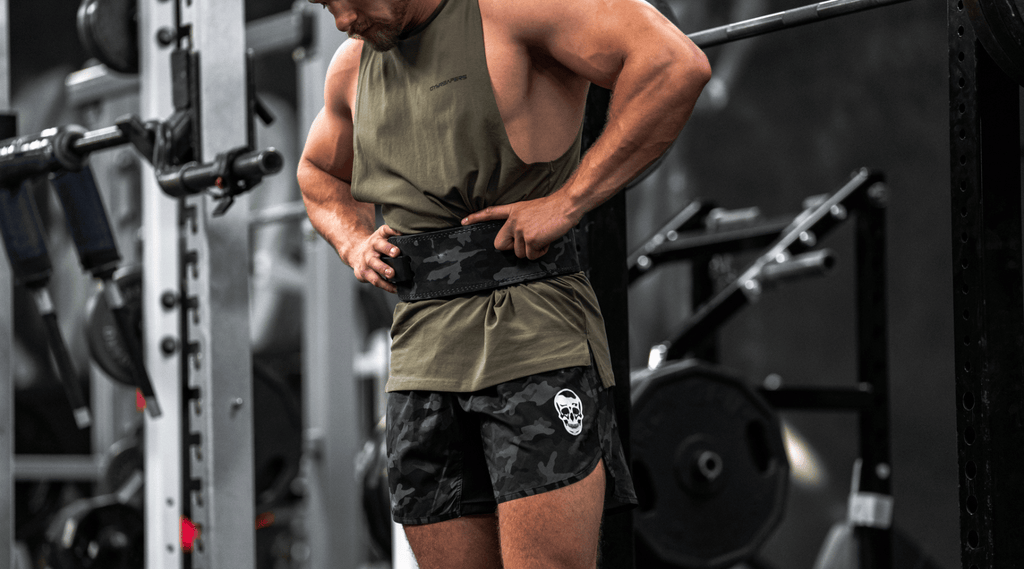
The purpose of a lifting belt is to enhance your lifting experience. It offers support and protection during heavy lifting exercises. By stabilizing the core, it helps prevent injuries. Lifting belts are popular among athletes and weightlifters for their benefits.
Support And Stability
Lifting belts provide essential support to the lower back. They help create stability during challenging lifts. This allows you to focus on lifting technique. With a belt, your core feels more secure. It reduces the risk of strain or injury.
Pressure Management
Belts manage pressure within the abdominal area. They help increase intra-abdominal pressure safely. This pressure supports the spine during heavy lifts. It allows for better control and balance. You feel more confident in your movements.
Form Correction
A lifting belt aids in maintaining proper form. It encourages correct posture during exercises. With a belt, you can avoid common lifting mistakes. It reminds you to keep your back straight. Proper form is vital for safe lifting.
Credit: www.gymreapers.com
Common Myths About Lifting Belts
When it comes to lifting belts, there’s no shortage of myths floating around. Many gym-goers believe these sturdy accessories are magical tools that can prevent injuries and enhance performance. However, understanding what a lifting belt can and cannot do is crucial for your safety and progress. Let’s debunk some of the most common myths about lifting belts.
Belts Make You Invincible
It’s tempting to think that strapping on a lifting belt transforms you into a superhero. Many lifters feel they can load up the bar with more weight than usual, believing the belt will protect them from any harm. But here’s the truth: a belt doesn’t render you invincible. While it offers support to your lower back, it doesn’t eliminate the risk of injury entirely. Your form and technique are still paramount. So, ask yourself, are you relying too much on the belt and neglecting your form?
Belts Replace Proper Technique
Some lifters view belts as a shortcut to good technique. They assume wearing a belt means they can skip perfecting their form. This is far from reality. A belt is a tool to enhance stability, not a substitute for proper technique. Good lifting technique is foundational, with or without a belt. Consider focusing on your posture, grip, and alignment before reaching for the belt. Have you prioritized mastering your form today?
Belts Strengthen Core Muscles
There’s a common belief that wearing a belt will strengthen your core muscles. The truth is, while a belt provides external support, it doesn’t directly contribute to core muscle strength. In fact, over-reliance on a belt might lead to neglecting your core. Engage your core actively during lifts to truly build strength. Can you feel your core working during your lifts, or are you leaning too much on the belt?
Scientific Insights
When it comes to lifting belts, there’s often debate about their effectiveness in preventing injuries. To understand the real benefits, it’s essential to dive into the scientific insights behind these supportive tools. Does a lifting belt truly offer protection, or is it more about perceived safety? Let’s explore what research and science have to say.
Research Studies
Numerous studies have been conducted to investigate the role of lifting belts in injury prevention. Some research indicates that belts can increase intra-abdominal pressure, providing additional support to the spine during heavy lifts. This support might reduce the risk of injury, but it’s not a guarantee. Other studies suggest that belts may simply help lifters maintain better form, indirectly reducing injury risk. But how significant is this effect? Are you relying too much on the belt’s support rather than building your body’s natural strength?
Biomechanics And Physics
The biomechanics behind lifting belts involve complex interactions between physics and human movement. Belts work by compressing the core, which can stabilize the spine and help manage heavy loads. This stabilization can potentially prevent harmful bending or twisting, crucial during lifts like squats or deadlifts. However, it’s important to understand that belts don’t replace proper technique and training. Are you using a belt as a crutch, or as a tool to enhance your lifting technique? The physics of lifting reveals that belts can be beneficial, but only when combined with proper form and strength training.
Benefits Of Using A Lifting Belt
A lifting belt supports the lower back during heavy lifts, reducing strain and enhancing stability. It encourages proper posture, which can help prevent injuries. By offering extra support, it allows lifters to focus on technique rather than worrying about potential harm.
The benefits of using a lifting belt extend beyond mere support. Many gym enthusiasts and professionals use it to enhance their workout sessions. A lifting belt provides multiple advantages, making it a valuable tool in fitness routines.Enhanced Performance
A lifting belt helps improve your performance. It supports the core and stabilizes the spine. This support allows you to lift heavier weights with ease. The belt also encourages proper form, reducing wasted energy.Injury Prevention
Wearing a belt can lower the risk of injuries. It provides firm support to the lower back. This support minimizes the strain on muscles and ligaments. The belt acts as a barrier against sudden movements.Increased Confidence
A lifting belt can boost your confidence. Knowing that your back is supported helps you focus better. This focus can lead to a more effective and safer workout. Confidence often leads to better results in the gym.Potential Drawbacks
Wearing a lifting belt can be beneficial during heavy lifts. Yet, it’s important to understand its potential drawbacks. While providing support, a belt may lead to some unintended consequences. These issues can arise from misuse or over-reliance. Let’s explore some potential drawbacks of using a lifting belt.
Over-reliance On Belts
Many lifters depend too much on belts. This dependency can weaken natural strength. The body may not develop its own support mechanisms. A belt can make lifters feel secure, but it might mask poor form. This false sense of security can lead to greater risks. It’s crucial to use belts wisely and not rely on them excessively.
Neglect Of Core Training
Wearing a belt can lead to neglecting core strength. When the belt supports the back, the core muscles may not engage fully. Over time, this can result in a weaker core. A strong core is vital for balance and overall fitness. Lifters should focus on exercises that strengthen core muscles naturally. This ensures a balanced and injury-free workout routine.

Credit: gunsmithfitness.com
Guidelines For Effective Use
Understanding how to effectively use a lifting belt can be a game-changer in your weightlifting journey. While it won’t completely prevent injuries, the right usage can enhance your performance and offer added support. Let’s dive into the key guidelines to ensure you’re getting the most out of your lifting belt.
Choosing The Right Belt
Your choice of belt matters. Look for a belt made from durable materials like leather or high-quality nylon. A wider belt offers better support, so opt for one that’s consistent in width, typically around 4 inches.
Consider the buckle type as well. Lever buckles provide a secure fit, while pronged buckles offer more adjustability. Remember, comfort is crucial; the belt should fit snugly but not restrict breathing.
Proper Belt Placement
Where you position your belt can influence its effectiveness. Place it around your waist, covering your lower back and abdomen. It should sit above the hip bones and below the ribcage.
Avoid wearing it too high or too low to prevent discomfort. Ensure that when you brace your core, the belt provides resistance, helping you stabilize during heavy lifts.
When To Use And When To Avoid
Use a lifting belt during max effort lifts or when you’re lifting near your maximum capacity. It’s particularly beneficial for squats, deadlifts, and overhead presses.
Avoid relying on the belt for lighter lifts or during warm-ups. Over-reliance can weaken your core strength over time. Ask yourself: Do you feel stable without it? If yes, consider saving it for those heavy, intense sessions.
Incorporating these guidelines can optimize your lifting performance and safety. Remember, while a belt is a valuable tool, it’s not a substitute for proper form and technique. Use it wisely, and it can be a significant ally in your strength training endeavors.
Expert Opinions
Does a lifting belt truly prevent injuries? Expert opinions on this subject are varied and intriguing. While some swear by its protective nature, others question its effectiveness. This discussion often hinges on insights from those who are deeply immersed in the world of fitness and weightlifting. Let’s delve into what athletes and trainers have to say.
Athletes’ Perspectives
Many seasoned athletes consider lifting belts as essential gear. They often share stories of how these belts provide support during heavy lifts, enabling them to push their limits safely. Some athletes express that a belt offers a psychological boost, enhancing confidence when lifting. Yet, they also caution that relying solely on a belt without proper technique can lead to complacency. Would you trust a belt over mastering the right form?
Trainers’ Recommendations
Trainers emphasize the importance of technique over accessories. While they acknowledge that belts can offer support, they argue that they should not replace a solid foundation of core strength and form. Many trainers recommend using belts sparingly and suggest focusing on strengthening the body naturally. They advocate for belts primarily during maximal lifts rather than routine workouts. Should a belt be a crutch or a tool in your fitness arsenal?
Personal Experience Stories
Personal stories often give insights into lifting belts’ effectiveness. Many lifters share experiences on how belts impacted their workouts and injury prevention. These stories reflect real-life scenarios and successes.
Real-life Injury Cases
Some lifters recount injuries despite wearing lifting belts. For instance, John, a dedicated weightlifter, suffered a back injury. He wore a belt but focused too much on heavy weights and ignored proper form. His story highlights the importance of technique over reliance on equipment.
Another story comes from Lisa, a fitness enthusiast. She experienced a minor back strain during deadlifts. Her belt was not fitted correctly, reducing its effectiveness. Lisa’s case shows that improper belt use can still lead to injuries.
Success Stories
There are many positive stories about lifting belts preventing injuries. Mike, a competitive lifter, credits his belt for supporting his lower back. He believes it helped him lift heavier without strain. His story emphasizes the belt’s role in maintaining stability.
Sara, a personal trainer, shares her success with clients. She observed fewer injuries in those using belts. They reported feeling more confident and secure during lifts. Sara’s experience underlines the belt’s potential in enhancing safety.
Frequently Asked Questions
How Effective Are Lifting Belts For Injury Prevention?
Lifting belts can help stabilize the spine during heavy lifts. They reduce stress on the lower back and abdominal muscles. However, proper lifting techniques and strength training are crucial. Belts can assist but are not a substitute for good form.
Do Lifting Belts Improve Lifting Performance?
Lifting belts can enhance intra-abdominal pressure. This support may help lifters achieve better stability and control. Some athletes report improved performance with belt use. However, results can vary based on individual strength and technique.
Are Lifting Belts Necessary For Beginners?
Beginners should focus on learning correct lifting techniques first. A lifting belt is not essential initially. It’s advisable to develop core strength and stability without equipment. Once techniques are mastered, a belt can be considered for heavier lifts.
Can Lifting Belts Cause Dependency?
Relying solely on lifting belts may lead to weakened core muscles over time. It’s essential to balance belt use with core strengthening exercises. Avoid using belts for all lifts to maintain natural muscle development and avoid dependency.
Conclusion
A lifting belt can reduce injury risk during heavy lifting. It offers support, helping maintain good form. Yet, it’s not a magic fix. Proper technique and strength training are crucial. Relying solely on a belt isn’t wise. Balance its use with core exercises.
Listen to your body. Understanding your limits helps prevent injuries. Make informed choices about using a lifting belt. Always prioritize safety and education. Training smartly leads to better performance and health.