
Have you ever wondered if a weight lifting belt could be your secret weapon for preventing injuries at the gym? You’re not alone.
Many fitness enthusiasts and gym-goers like you are searching for ways to enhance their workouts while staying safe. Imagine lifting heavier weights with confidence, knowing you’re doing everything possible to protect your back and core. But does a weight lifting belt really deliver on this promise, or is it just another piece of gym gear that looks good but does little?
Understanding the role of weight lifting belts in injury prevention could be the game-changer you need. This article will delve into the science and the myths surrounding weight lifting belts, helping you make informed decisions about your fitness routine. Dive in to discover whether this popular accessory truly has the power to keep you injury-free or if there’s more to the story than meets the eye.
The Purpose Of Weight Lifting Belts
Weight lifting belts support the spine and help maintain proper form during heavy lifts. These belts can reduce stress on the lower back, potentially preventing injuries. Proper use of belts provides stability, enhancing safety during workouts.
Weight lifting belts have become a staple in many gym-goers’ arsenals. But have you ever wondered why they’re so popular? The primary purpose of weight lifting belts is to stabilize and support your spine during heavy lifts. They act as a safeguard, helping you maintain proper form and reducing the risk of injury.The Role Of Intra-abdominal Pressure
Weight lifting belts work by increasing intra-abdominal pressure. When you tighten the belt, it pushes against your core. This pressure acts like a natural brace, supporting your spine. Imagine lifting without a belt—your core might struggle to maintain stability, leading to potential injury.Enhancing Performance
Aside from injury prevention, belts can enhance your performance. With added stability, you might find yourself lifting heavier weights. This is because the belt allows your core muscles to focus on power rather than stabilization. Have you ever noticed a boost in your lifts when using a belt?Psychological Benefits
Believe it or not, wearing a weight lifting belt can also offer psychological benefits. Many lifters feel more confident and secure when belted up. This mental edge can be just as crucial as physical support, pushing you to conquer weights you might otherwise shy away from.Should Everyone Use A Belt?
While belts offer advantages, they’re not for everyone. If you’re new to lifting, focus on building a strong core first. Use a belt when you’re lifting heavy and need extra support. What do you think? Would you rely on a belt for every lift or save it for those big numbers?How Belts Influence Lifting Mechanics
Weight lifting belts support the lower back and core, helping stabilize the spine during heavy lifts. They create abdominal pressure, which can reduce the risk of injuries by improving lifting mechanics. Proper use is crucial for maximizing benefits and minimizing harm.
Weight lifting belts are popular among lifters. They can influence lifting mechanics. Understanding how belts work can help in choosing the right one.Core Stabilization
A belt supports the core muscles. This leads to better stability during lifts. Stabilizing the core reduces the risk of injury. It helps maintain balance and control.Intra-abdominal Pressure
Belts increase intra-abdominal pressure. This pressure supports the spine. It acts like a natural brace. Increased pressure can result in a stronger lift. With more support, lifters feel confident.Spinal Alignment
Proper spinal alignment is crucial. A belt helps keep the spine in line. It minimizes unwanted movement. Good alignment prevents strain on the back. This reduces the chance of injury.Common Injuries In Weight Lifting
Weight lifting is a popular way to build strength, but it’s not without risks. Understanding common injuries can help you stay safe and make informed decisions about using equipment like weight lifting belts. These belts are often touted for their ability to protect against injury, but do they really make a difference? Let’s explore some of the most frequent injuries in weight lifting and see how they relate to belt use.
Back Strain
Back strain is a frequent issue among weight lifters. It typically occurs when lifters try to lift more than their body can handle or use improper form. A weight lifting belt can help by providing additional support to your lower back and abdominal area, potentially reducing the risk of strain. However, relying solely on a belt without proper technique can be a recipe for disaster.
Herniated Discs
Herniated discs are serious injuries that can result from excessive pressure or incorrect lifting posture. While a belt can offer some protection by stabilizing the spine, it is not a foolproof solution. Strengthening your core muscles and focusing on correct form are crucial steps in preventing this painful injury. Have you ever felt that sharp pain after a heavy lift? It might be a sign your form needs attention.
Muscle Tears
Muscle tears can occur when a muscle is overstretched or subjected to sudden force. Lifting belts can’t prevent these injuries, as they don’t directly support muscle groups. Instead, adequate warm-up routines and progressive overload strategies are your best allies. Think about your last workout—did you skip the warm-up to save time? It might be worth reconsidering.
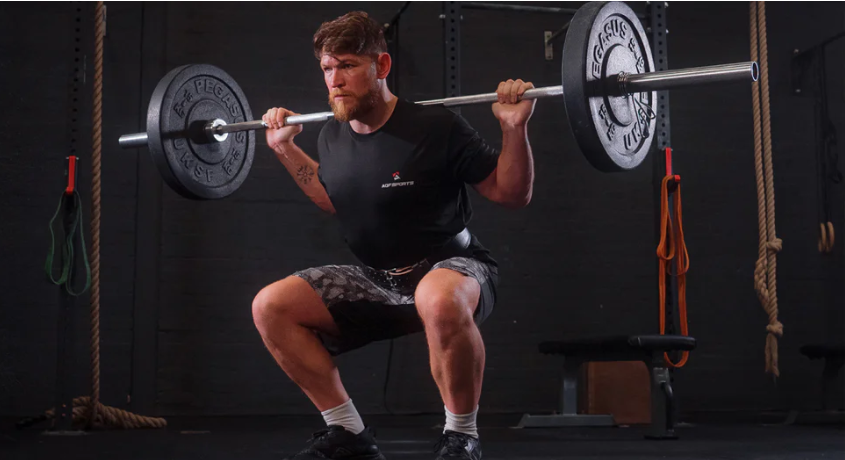
Credit: uk.aqfsports.com
Scientific Studies On Belt Efficacy
Scientific studies on weight lifting belts show mixed results about preventing injuries. Some research indicates belts offer support, reducing stress on the spine during heavy lifts. Others suggest relying on proper technique is more effective for injury prevention.
Scientific Studies on Belt Efficacy Weight lifting belts are a staple in many gym bags, but do they actually prevent injury? Let’s dive into the science behind these popular accessories. Understanding the research and expert opinions can help you make informed decisions about their use.Research Findings
Scientific studies on weight lifting belts offer mixed results. Some research indicates that belts can help stabilize the spine during heavy lifts. This added stability may reduce the risk of injury, especially for exercises like squats and deadlifts. However, other studies suggest that relying too much on belts might weaken core muscles over time. Your body may become dependent on the belt for support, potentially leading to imbalances. It’s crucial to strike a balance between using a belt and strengthening your natural core stability. A key takeaway is that belts may benefit experienced lifters lifting near-maximal weights. For beginners, focusing on proper form and core strength might be more beneficial. Are you using your belt wisely, or is it becoming a crutch?Expert Opinions
Experts have varying views on the efficacy of weight lifting belts. Many fitness professionals advocate for their use in specific scenarios. For example, powerlifters and competitive athletes often use belts to enhance performance and safety during heavy lifts. On the other hand, some trainers caution against over-reliance on belts. They emphasize the importance of developing a strong core through targeted exercises. A belt should not replace the foundation of good technique and muscle strength. Have you consulted with a fitness expert about your belt use? Getting a personalized opinion can be invaluable. Consider seeking advice from a knowledgeable trainer to tailor your belt use to your fitness goals.Benefits Of Using Weight Lifting Belts
Weight lifting belts are popular among athletes and gym enthusiasts. They provide support to the lower back during heavy lifts. Many believe these belts can prevent injuries and improve performance. Understanding their benefits is essential for anyone serious about weight lifting.
Injury Prevention
A weight lifting belt stabilizes the spine. This reduces the risk of injury during heavy lifts. It acts like a brace around the core. Providing external support, it helps maintain proper form. This minimizes strain on the back, especially during deadlifts and squats.
Proper use of a belt can prevent muscle tears. It can reduce the risk of hernias. Athletes often use belts during maximal lifts. This added support is crucial for safety.
Performance Enhancement
Belts can enhance lifting capacity. They allow lifters to handle heavier loads. By stabilizing the core, they enable better force generation. This means more weight can be lifted with less effort.
Using a belt can improve lifting technique. It encourages proper posture. Lifters often report increased confidence when wearing a belt. This can lead to improved performance in competitions and training sessions.
Potential Risks Of Over-reliance
Weight lifting belts are popular among lifters aiming for safety and support. While they can be beneficial, over-relying on them may pose risks. Lifters might experience negative effects like weakened core muscles or false security. Understanding these risks helps in maintaining a balanced approach to belt usage.
Core Weakness
Constant use of weight lifting belts can lead to core muscle weakness. The belt does the work that your core should be doing. Your muscles may not develop the strength needed for heavy lifts. A strong core is essential for overall stability and power. Depending solely on the belt can hinder this development.
False Sense Of Security
Lifters may feel invincible with a belt on. This false sense of security can lead to pushing beyond safe limits. Belts do not prevent all injuries. They support, but do not replace proper form and technique. Overconfidence can result in serious injuries if caution is not exercised. Proper training and awareness are crucial for safety.
Tips For Proper Belt Usage
Weight lifting belts support the spine during heavy lifts. They may reduce injury risk when used correctly. Proper fit and timing are crucial for effectiveness.
Understanding how to use a weightlifting belt properly can be a game changer in your fitness journey. You might wonder if this piece of equipment truly prevents injury or if it’s just a gym accessory. Using it correctly can provide the support you need, but incorrect usage could do more harm than good.Correct Sizing
The first step is ensuring your belt fits well. A belt that’s too tight can be uncomfortable and restrict your movement, while a loose belt won’t provide the necessary support. Measure around your waist where the belt will sit, not where your pants sit. This is usually around your belly button. Remember, the belt size might differ from your regular clothing size, so always check the manufacturer’s sizing guide.When To Wear A Belt
Timing is everything when it comes to wearing your belt. It’s not necessary for every lift, and over-reliance can weaken your core. Use it for heavy lifts that put a strain on your back, like squats and deadlifts. Consider your experience level—if you’re a beginner, focus on building your core strength without a belt first. Reflect on this: how often do you lift heavy? If it’s rare, you might not need a belt as much as you think. However, if you’re pushing your limits frequently, a belt can be an invaluable tool. Using a weightlifting belt correctly can enhance your performance and keep you safe. The key is knowing when and how to use it for maximum benefit.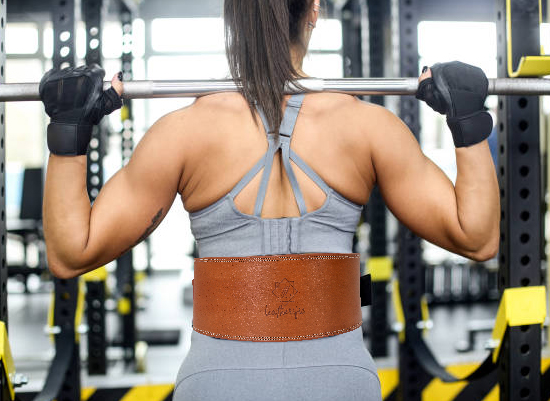
Credit: leatherific.co
Alternatives To Weight Lifting Belts
Weight lifting belts can support your back during heavy lifts. Some alternatives include proper lifting techniques and core strengthening exercises. These options focus on building natural stability, potentially reducing injury risks without the need for belts.
Weight lifting belts are often seen as essential gear in the gym, but they’re not the only way to protect your back and prevent injury. While belts provide support, they can sometimes lead to over-reliance and neglect of core development. Exploring alternatives to weight lifting belts not only diversifies your approach but can also enhance your overall strength and technique. Let’s dive into two effective strategies: strengthening your core and mastering proper lifting techniques.Core Strengthening Exercises
Building a strong core is like fortifying the foundation of a house. A robust core supports your spine and stabilizes your entire body during lifts. Exercises such as planks, bridges, and Russian twists are excellent for targeting multiple core muscles. Adding core exercises to your routine can significantly reduce the risk of injury. Consider setting aside a few minutes before or after your main workout to focus on these exercises. By doing so, you’ll likely notice improvements in your lifting performance and overall stability.Proper Lifting Techniques
Learning and practicing proper lifting techniques is crucial for injury prevention. It’s not just about how much you can lift, but how you lift it. Maintaining a neutral spine and engaging your core are key elements to safe lifting. Always start with lighter weights to perfect your form before moving to heavier ones. This approach helps prevent bad habits that can lead to injuries. Have you ever thought about recording your lifts to review your form? It’s a practical way to spot areas for improvement and ensure you’re lifting safely. By focusing on core strengthening and refining your lifting techniques, you can achieve greater resilience and confidence in your workouts.
Credit: www.gymreapers.com
Frequently Asked Questions
Do Weight Lifting Belts Prevent Back Injuries?
Weight lifting belts provide support to the lower back, reducing strain during heavy lifts. They help maintain proper posture and stabilize the spine. While they can lower the risk of injury, they are not a guarantee against all back injuries.
Proper technique is essential for safe lifting.
Are Belts Necessary For All Lifters?
Belts are not essential for all lifters. They are recommended for those lifting heavy weights, especially during compound movements like squats and deadlifts. Beginners may not need belts as they focus on form and technique. Personal preference and comfort play a significant role in deciding to use a belt.
Do Belts Improve Lifting Performance?
Belts can enhance lifting performance by increasing intra-abdominal pressure, which supports the spine. This allows lifters to handle heavier weights safely. The added stability can boost confidence, leading to improved lifting results. However, performance gains are individual and depend on proper use and technique.
Can Belts Cause Dependency?
Belts may lead to dependency if used excessively during training. Over-reliance can result in weakened core muscles, which are crucial for stability. Lifters should balance belt use with core-strengthening exercises to avoid dependency. Proper training habits help maintain strength without relying solely on belts.
Conclusion
Weight lifting belts can help support your back during heavy lifts. They provide stability, reducing the risk of injury. But they are not a cure-all. Proper technique is crucial. Strengthening your core muscles is important too. Relying solely on belts can be misleading.
They should complement, not replace, good form and training. Listen to your body. If pain occurs, seek guidance. Use belts wisely and in moderation. Always focus on your body’s needs first. Safe lifting practices lead to better results. Stay informed and train smartly for long-term health.