
Have you ever wondered why some days your performance on the field feels unstoppable, while other days it’s just not there? The answer might be right under your nose—or rather, in the air around you.
Temperature can have a surprising impact on how you perform in sports. Whether you’re a casual jogger or a professional athlete, understanding how the heat or cold affects your body can make all the difference in achieving your personal best.
Imagine turning the thermostat into your secret weapon for success. Intrigued? Let’s dive into how temperature changes might be influencing your athletic edge. This knowledge could be the key to unlocking your full potential and ensuring you’re always at the top of your game. Ready to find out more? Keep reading to discover the fascinating science behind temperature and sports performance.
The Science Of Temperature And Athletic Performance
Temperature plays a crucial role in athletic performance. Athletes must adapt to different climates to perform optimally. Understanding how temperature affects the body can help athletes prepare better. The science behind this involves physiological changes and energy management. This section explores these scientific aspects.
The Effect Of Heat On Muscle Function
High temperatures can impact muscle efficiency. Muscles may tire faster in heat. This occurs due to increased energy demand. Heat can also cause dehydration. Dehydration reduces muscle strength and endurance. Athletes need proper hydration strategies in warm conditions.
Cold Weather And Muscle Performance
Cold weather affects muscle flexibility. Muscles may become stiff, limiting movement. This can increase injury risk. Cold also impacts blood flow. Reduced blood flow can slow muscle recovery. Warm-up exercises are crucial in cold climates.
Thermoregulation In Athletes
Athletes have unique thermoregulation abilities. This helps maintain body temperature during exercise. Sweating is a key thermoregulation method. It cools the body as sweat evaporates. Proper clothing enhances thermoregulation. Wearing breathable fabrics can improve performance.
Impact Of Temperature On Endurance
Temperature influences endurance levels. High heat can decrease endurance. This happens due to increased energy expenditure. Cold can also affect stamina. Low temperatures may slow down metabolism. Athletes must train in varied temperatures to build endurance.
Temperature And Energy Metabolism
Temperature changes affect energy metabolism. Heat increases metabolic rate. This can lead to faster energy depletion. Cold weather slows metabolism. This may conserve energy but reduce performance. Understanding these effects aids in better training strategies.
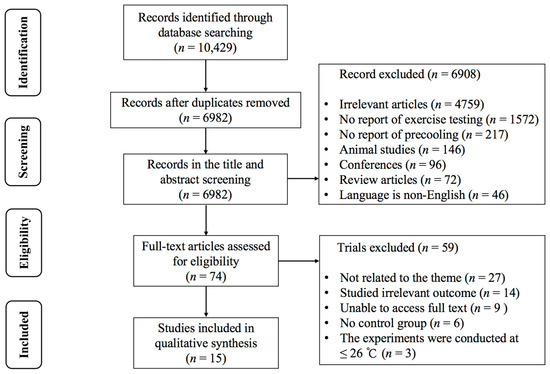
Credit: www.mdpi.com
Physical Effects Of Heat On Athletes
Heat can significantly affect an athlete’s performance. High temperatures challenge the body. Athletes face various physical effects during intense heat. These effects can impact endurance and strength.
Increased Heart Rate
Heat causes the heart to work harder. Blood flows to the skin to cool the body. This process increases the heart rate. A higher heart rate makes athletes tire faster. It also reduces stamina during prolonged activity.
Dehydration Risks
Heat leads to more sweating. Sweating cools the body but causes fluid loss. Athletes may not replace lost fluids quickly enough. Dehydration affects concentration and coordination. It can also lead to heat exhaustion.
Muscle Fatigue
Muscles tire more quickly in hot conditions. Heat affects energy levels and muscle strength. Tired muscles increase the risk of injury. Athletes may struggle to maintain performance levels.
Cold Weather Challenges
Cold weather can dramatically impact athletic performance. It’s not just about feeling chilly; it changes how your body functions. As temperatures drop, athletes face unique challenges that can hinder their capabilities. From reduced muscle efficiency to breathing difficulties, understanding these obstacles is crucial for optimizing your performance.
Reduced Muscle Efficiency
When your body is cold, your muscles don’t work as efficiently. Think of it like trying to run a marathon with heavy boots on. Your muscles take longer to warm up, which can slow down your reaction times and reduce your overall speed. This can be frustrating, especially if you’re used to performing at a high level. Proper warm-up routines and wearing appropriate gear can help mitigate this issue.
Injury Risks
Cold weather increases the risk of injuries. Your muscles and tendons are less flexible, which makes them more prone to strains and sprains. Imagine playing soccer on a cold day and suddenly pulling a muscle because you didn’t stretch enough. Ensuring a thorough warm-up and cool-down routine, along with staying hydrated, can help reduce these risks. How do you prepare your body for cold-weather sports?
Breathing Difficulties
Breathing in cold air can be tough. It can lead to discomfort or even pain in your chest, impacting your stamina. This is particularly challenging for endurance sports like running or cycling. Wearing a scarf or mask to warm the air you breathe can be beneficial. Have you ever noticed how your breath feels heavier when exercising in the cold?
Acclimatization Strategies
Temperature plays a crucial role in sports performance. Athletes often face challenges in extreme weather conditions. Acclimatization helps athletes adapt to varying temperatures. It involves adjusting training routines and strategies. These adjustments prepare the body for optimal performance. Let’s explore effective acclimatization strategies.
Training Adjustments
Training adjustments help athletes adapt to different temperatures. Gradually increase the intensity and duration of workouts. This helps the body get used to the temperature. Train at the same time as the competition. This ensures the body is ready for the conditions. Incorporate rest days to prevent overtraining. Rest is essential for recovery and adaptation.
Clothing Considerations
Proper clothing is vital in extreme temperatures. Wear lightweight and breathable fabrics in hot weather. This helps the body stay cool and comfortable. Layer clothing in cold conditions. This traps heat and keeps the body warm. Choose moisture-wicking materials to manage sweat. This prevents discomfort and chills during exercise.
Hydration Techniques
Hydration is key to performance in any temperature. Drink water regularly during workouts and competitions. In hot weather, increase fluid intake. This compensates for sweat loss and prevents dehydration. Use sports drinks for electrolytes in intense sessions. These help replenish lost minerals and maintain energy levels. Monitor urine color as a hydration indicator. Pale yellow suggests adequate hydration.
Impact Of Temperature On Endurance Sports
Temperature plays a crucial role in endurance sports. Athletes face varying conditions that can impact their performance. High temperatures may increase the risk of dehydration and heat stress. Cooler temperatures can enhance endurance but may lead to hypothermia. Understanding how temperature affects endurance sports helps athletes prepare and perform optimally.
Marathon Running
Marathon runners face unique challenges with temperature. Heat can lead to faster dehydration and fatigue. Runners need to manage their pace and hydration carefully. Cooler weather can support longer runs, but cold can stiffen muscles. Proper gear and hydration strategies are essential to combat temperature effects.
Cycling Events
Cycling events demand endurance and strategy. Heat can lead to excessive sweating and energy loss. Cyclists may struggle with maintaining speed and hydration. Cooler temperatures might aid performance but can cause numbness. Balancing clothing, hydration, and pacing is vital for optimal cycling.
Triathlons
Triathlons combine swimming, cycling, and running. Temperature impacts each phase differently. Warm water can tire swimmers quickly. Cold air may affect cycling and running efficiency. Proper gear and hydration help athletes adapt to changing temperatures. Triathletes must prepare for varied conditions to ensure peak performance.

Credit: www.youtube.com
Temperature’s Role In Team Sports
Temperature plays a crucial role in team sports. It impacts players’ physical abilities and mental focus. Athletes must adjust to heat, cold, and humidity. These factors influence energy levels, hydration, and overall performance. Understanding these effects is vital for teams to excel.
Soccer
Temperature significantly affects soccer players. In hot weather, players tire quickly. This leads to slower sprints and less precise passes. The risk of dehydration increases. Cold conditions can stiffen muscles, reducing agility and reaction time. Teams must manage these challenges for optimal performance.
Basketball
Basketball players also face temperature-related challenges. High temperatures increase fatigue and sweat loss. This affects shooting accuracy and defensive maneuvers. Cold environments can cause muscle tightness. This limits players’ quick movements and jump shots. Proper warm-up and hydration strategies are essential.
American Football
American football is demanding in extreme temperatures. Heat can lead to exhaustion and cramps. This impacts players’ speed and strength. Cold weather can numb extremities, affecting grip and ball handling. Teams need effective tactics to adapt to these conditions. Proper gear and hydration play crucial roles.
Technological Solutions
Technological solutions have revolutionized how athletes cope with extreme temperatures. With innovations designed to regulate body temperature and monitor hydration, athletes can now perform at their peak even in challenging conditions. Let’s explore some of these cutting-edge technologies that are changing the game.
Cooling Vests
Cooling vests are a game-changer for athletes exposed to high temperatures. These vests use advanced materials to absorb and dissipate heat, helping maintain an optimal body temperature. Imagine running a marathon without the burden of overheating—cooling vests can make that possible.
Many athletes swear by cooling vests during training and competitions. They provide a tangible edge by reducing thermal stress and improving endurance. Have you ever tried one?
Smart Clothing
Smart clothing is another innovation helping athletes beat the heat. These garments are embedded with sensors that monitor body temperature and other vital signs. They provide real-time feedback, allowing athletes to adjust their performance on the fly.
Imagine your clothing telling you when to slow down or hydrate—it’s like having a personal coach. Smart clothing is especially popular in sports like cycling and triathlon, where temperature control is crucial.
Hydration Monitoring
Proper hydration is essential for peak performance, and technology is here to help. Hydration monitors track fluid levels and remind athletes to drink before dehydration sets in. This proactive approach can prevent performance dips and health risks.
Some devices even analyze sweat composition to provide insights into electrolyte balance. Have you ever considered how much your performance could improve with the right hydration strategy?
These technological solutions not only enhance performance but also ensure safety during extreme conditions. As these innovations become more accessible, they offer every athlete the opportunity to perform their best, regardless of the temperature.
Credit: www.runnersworld.com
Psychological Aspects Of Temperature
Temperature significantly impacts the psychological state of athletes. It affects their motivation, concentration, and stress management. Extreme temperatures can alter mental readiness and affect sports performance.
Motivation Levels
Temperature influences an athlete’s motivation significantly. In extreme heat, athletes may feel drained and less motivated. The body uses more energy to cool down, leading to fatigue. Cold temperatures can also impact motivation. Athletes might feel sluggish and less eager to perform. Maintaining optimal temperature can boost motivation and performance.
Concentration Challenges
Concentration is crucial in sports, and temperature plays a role. Heat can cause dehydration, affecting brain function. It leads to decreased attention and slower reaction times. Cold temperatures can cause discomfort, distracting athletes. Staying focused becomes challenging when the body is uncomfortable. Managing temperature helps maintain concentration in sports.
Stress Management
Temperature affects stress levels in athletes. High temperatures can increase stress hormones, impacting performance. Athletes may feel overwhelmed and anxious in extreme heat. Cold temperatures can also induce stress. The body tenses up in the cold, affecting relaxation and focus. Proper temperature management aids in reducing stress and enhancing performance.
Frequently Asked Questions
What Is The Ideal Temperature For Sports?
The ideal temperature varies by sport but generally ranges from 50°F to 70°F. Cooler temperatures help maintain endurance and reduce heat-related stress. However, individual preferences and acclimatization can also play a significant role in determining optimal conditions for performance.
How Does Heat Impact Athletic Performance?
Heat can increase fatigue and dehydration, affecting focus and endurance. Athletes may experience reduced performance as the body struggles to cool down. Proper hydration and acclimatization are crucial to maintaining performance levels in hot conditions.
Does Cold Weather Improve Sports Performance?
Cold weather may enhance performance by reducing sweat and fatigue. However, it can also lead to muscle stiffness and increased injury risk. Proper warm-up routines and gear are essential to mitigate these risks and improve performance in colder conditions.
Can Humidity Affect Sports Performance?
Yes, humidity can impact performance by making it harder for sweat to evaporate. This leads to overheating and increased fatigue. Athletes should hydrate adequately and adapt their strategies to cope with high humidity levels during sports activities.
Conclusion
Temperature plays a crucial role in sports performance. Extreme heat can cause fatigue. Cold weather might slow reflexes. Athletes need to adapt to conditions. Hydration becomes vital in high temperatures. Proper gear helps in cold climates. Training in varied weather builds resilience.
Understanding temperature effects can boost performance. Coaches should adjust strategies accordingly. Athletes must listen to their bodies. Focus on safety and comfort. Prepare well and stay aware. Performance improves with the right approach. Temperature awareness leads to better results.