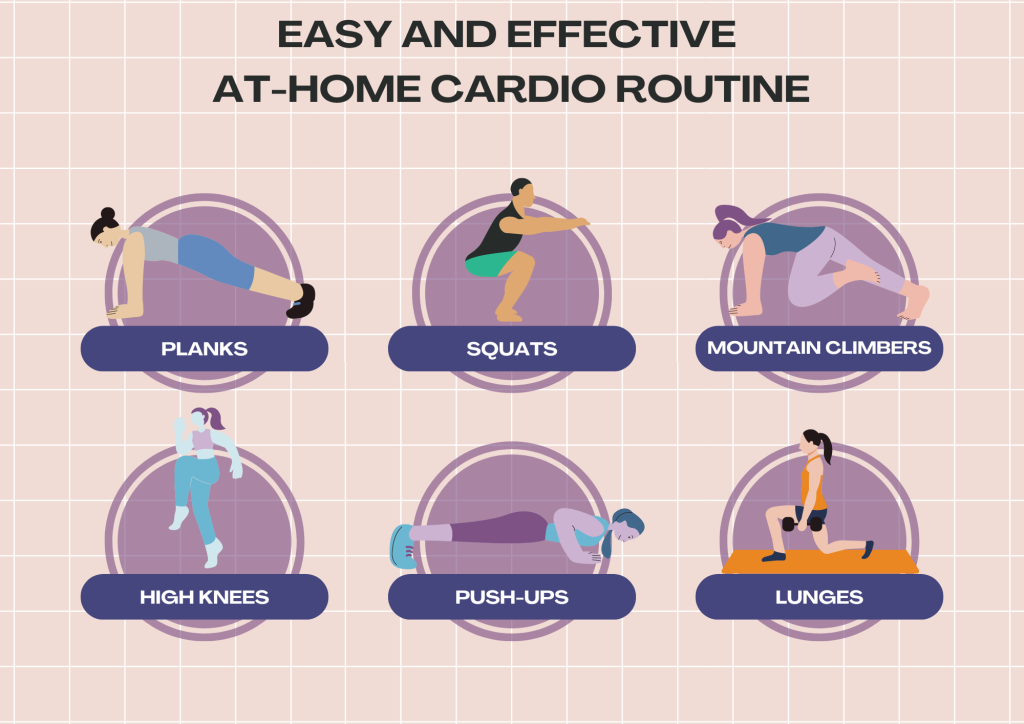
Ever wondered how long you should actually spend on cardio to boost your endurance? You’re not alone.
Many people dive into cardio workouts without a clear plan, only to find themselves exhausted or not seeing the results they hoped for. Imagine knowing the perfect balance that maximizes your effort without wasting precious time. Sounds enticing, right? You’re about to discover the secrets that can enhance your stamina, improve your health, and fit seamlessly into your busy schedule.
Let’s unravel the mystery of optimal cardio endurance time—your body will thank you for it!
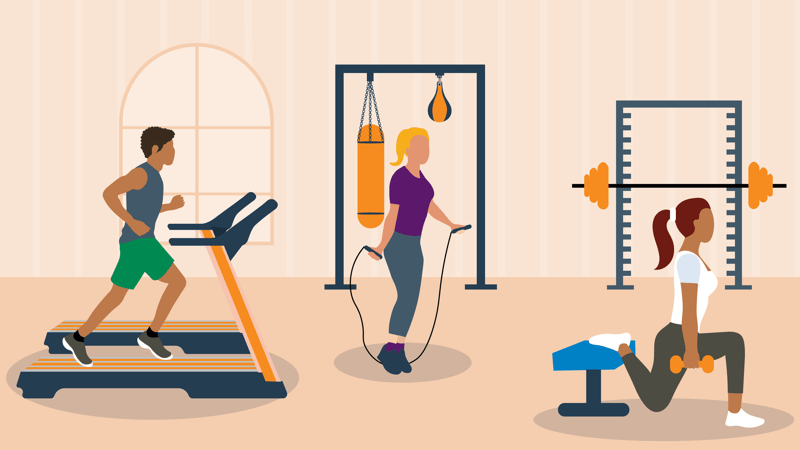
Credit: health.clevelandclinic.org
Benefits Of Cardio Endurance
Cardio endurance improves heart health and boosts energy. Aim for 150 minutes weekly for optimal results. Mix activities like jogging, cycling, or swimming to keep it fun and effective.
Cardio endurance exercises offer numerous benefits for overall health and well-being. They improve heart health, increase lung capacity, and boost energy levels. Engaging in regular cardio activities can also enhance mental health and aid in weight management. Let’s explore these benefits further.Improved Heart Health
Cardio exercises strengthen the heart muscle. This leads to better blood circulation. A strong heart reduces the risk of heart diseases. It also helps maintain healthy blood pressure levels.Increased Lung Capacity
Regular cardio workouts enhance lung capacity. More efficient oxygen use improves overall stamina. This allows for longer and more intense physical activity.Boosted Energy Levels
Consistent cardio training increases energy levels. It improves endurance, allowing daily tasks to feel easier. This results in a more active lifestyle and better productivity.Enhanced Mental Health
Cardio exercises release endorphins. These chemicals reduce stress and anxiety. Regular activity promotes better mood and mental clarity.Weight Management
Cardio burns calories effectively. This aids in maintaining a healthy weight. Combined with a balanced diet, it supports weight loss goals. Cardio endurance exercises offer a wide array of benefits. They improve physical health and enhance mental well-being. Integrating regular cardio into your routine can lead to a healthier, happier life.Optimal Duration For Cardio Workouts
Finding the ideal duration for cardio workouts can significantly impact fitness outcomes. Striking the right balance ensures optimal health benefits without overexertion. Understanding the factors that influence workout length is essential for tailoring routines to individual needs.
Factors Influencing Workout Length
Several elements affect how long cardio sessions should last. Personal fitness goals play a major role. Weight loss targets might require longer sessions, while heart health maintenance could need shorter ones. Age and physical condition are crucial too. Younger individuals might sustain longer workouts compared to older adults. Available time also influences duration. Busy schedules might limit workout time, necessitating more intense sessions. Listening to one’s body is important. Signs of fatigue or strain indicate the need to adjust duration.
Recommendations For Beginners
Starting with shorter workouts is advisable for beginners. Aim for 20 to 30 minutes per session. This duration helps build endurance gradually. Consistency is key. Daily or alternate-day sessions ensure steady progress. Include warm-ups and cool-downs in each session. These reduce injury risks and aid recovery. Beginners should focus on increasing duration over time. Gradual increments prevent burnout and boost motivation.
Guidelines For Advanced Practitioners
Experienced individuals might benefit from extended sessions. 45 to 60 minutes often yields optimal results. This length supports improved stamina and cardiovascular health. Advanced practitioners can explore varied intensities. Interval training enhances workout effectiveness, alternating between high and low intensity. Mixing workout types prevents monotony. Incorporating cycling, running, and swimming adds variety. Monitoring heart rate ensures safe exertion levels.
Balancing Intensity And Duration
Balancing intensity and duration is key for effective cardio endurance. Experts suggest 150 minutes of moderate exercise weekly. Shorter sessions can be intense, while longer ones should be moderate.
Balancing intensity and duration in cardio workouts is crucial. Too much of one can lead to burnout. Not enough of the other may yield fewer benefits. Finding the right mix can improve endurance and boost heart health.Understanding Heart Rate Zones
Heart rate zones help gauge workout intensity. Each zone has a specific percentage of your max heart rate. – Zone 1: Very light effort, around 50-60% of max heart rate. – Zone 2: Light effort, about 60-70% of max heart rate. – Zone 3: Moderate effort, roughly 70-80% of max heart rate. – Zone 4: Hard effort, between 80-90% of max heart rate. – Zone 5: Maximum effort, above 90% of max heart rate. Knowing these zones aids in balancing workout intensity.High-intensity Vs. Steady-state Cardio
High-intensity cardio involves short bursts of energy. It can be more effective in less time. Think sprinting or interval training. It burns calories quickly. Yet, it may be challenging for beginners. Steady-state cardio is slower but longer. Activities like jogging or cycling fit here. It is ideal for building endurance. This method suits those seeking a less intense workout. Balancing these approaches enhances endurance. It also keeps the routine engaging and diverse.Incorporating Rest And Recovery
Incorporating rest and recovery is essential for effective cardio endurance. Balance workouts with rest days to prevent overtraining. Allow muscles to heal, boosting performance and reducing injury risk.
Incorporating rest and recovery into your cardio routine is essential. It ensures your body stays strong and healthy. While cardio builds endurance, rest helps repair muscles. This balance prevents injuries and boosts performance. Proper rest can lead to better results in the long run.Importance Of Rest Days
Rest days allow muscles to recover. They reduce the risk of strain and injury. During rest, your body repairs tissues. This repair makes muscles stronger. Skipping rest can lead to fatigue and burnout. Plan rest days to keep your workout routine effective.Signs Of Overtraining
Overtraining can harm your progress. Watch for signs like constant tiredness. Feeling sore for days is another sign. Sleep problems might occur too. Reduced performance in workouts can also signal overtraining. Listen to your body to avoid these issues.Customizing Cardio Plans
Customizing cardio plans is essential for achieving personal fitness goals. Everyone has different needs and lifestyles. Tailoring a cardio routine can make workouts more effective. It ensures you stay motivated and see results. Let’s explore how to adjust these plans to fit your unique requirements.
Adjusting For Personal Goals
Start by identifying your fitness objectives. Do you want to lose weight or improve endurance? Knowing this helps in selecting the right type of cardio. For weight loss, try high-intensity interval training. For endurance, opt for longer, steady-paced sessions. Track your progress to see what’s working. Adjust the intensity and duration as needed.
Adapting To Lifestyle Changes
Lifestyle changes can impact your cardio routine. A new job or family commitments may limit workout time. Find creative ways to include cardio in daily activities. Use stairs instead of elevators. Walk or cycle to work if possible. Shorter sessions can fit into busy schedules. Try 10-minute bursts of activity throughout the day. Consistency is key for long-term success.

Credit: www.gq-magazine.co.uk
Tracking Progress And Making Adjustments
Determine how long to do cardio endurance based on personal fitness goals and current health. Regularly track progress to identify necessary adjustments. This approach ensures effective workouts tailored to individual needs.
Tracking your progress in cardio endurance is crucial for improvement and staying motivated. This requires regular monitoring and adjusting your workout plan as necessary. As you track your progress, it’s important to consider how you can effectively measure your improvements and make necessary adjustments for better results.Using Fitness Apps And Wearables
Fitness apps and wearables offer a convenient way to monitor your cardio endurance. Devices like smartwatches can track heart rate, distance, and calories burned. Apps allow you to log workouts, set reminders, and visualize your progress. Imagine receiving a notification about your improved pace after a month of consistent workouts. This instant feedback can be a powerful motivator. Have you ever tried using a fitness app? It’s worth exploring how these tools can help you stay accountable and focused on your goals.Regular Assessment And Goal Setting
Regular assessments are key to understanding your cardio endurance. Schedule bi-weekly evaluations to measure improvements in stamina and overall fitness. This helps in identifying any plateau in progress and adjusting routines accordingly. Setting realistic goals based on your assessments keeps you focused and determined. Perhaps you aim to increase your running time by 5 minutes over the next month. This clarity helps in channeling your energy effectively. What new goals will you set after your next assessment? Consider how they will challenge you and propel you towards better endurance.Common Mistakes To Avoid
Overdoing cardio can lead to burnout. Balance is key. Many people skip warm-ups, risking injury. Consistency and gradual increase in duration improve endurance safely.
Understanding how long to do cardio endurance can help you achieve your fitness goals more effectively. However, there are common mistakes that can derail your progress if not addressed. By knowing what to avoid, you can optimize your workouts and enjoy better results.Ignoring Warm-up And Cool-down
Skipping warm-up and cool-down might seem like a time-saver, but it could lead to injuries. A warm-up prepares your muscles and increases your heart rate gradually. Without it, you risk straining your muscles and feeling fatigued faster. Similarly, a cool-down helps your body transition back to a resting state. It can prevent dizziness or sudden drops in blood pressure. Always allocate a few minutes before and after your workout for these vital steps.Neglecting Nutrition And Hydration
What you eat and drink directly affects your cardio performance. Imagine trying to drive a car on empty—your body needs fuel too. Eating the right foods before and after workouts can enhance endurance and recovery. Hydration is equally important. Dehydration can lead to fatigue and decreased performance. Keep a water bottle handy and sip regularly, especially during longer sessions. Ask yourself: Are you fueling your body for success?
Credit: www.pippinperformance.com
Frequently Asked Questions
How Long Should I Do Cardio Endurance Daily?
For optimal results, aim for 30 to 60 minutes of cardio endurance daily. This duration helps improve cardiovascular health and stamina. Adjust the intensity based on your fitness level and goals. Consistency is key, so incorporate this routine into your weekly schedule.
Is 20 Minutes Of Cardio Enough For Endurance?
Yes, 20 minutes can boost endurance if done consistently. For beginners, it’s a good start to enhance cardiovascular health. Gradually increase duration for better results. Pair with strength training for balanced fitness. Listen to your body and adjust as needed.
How Often Should I Do Cardio For Endurance?
Perform cardio endurance exercises three to five times weekly. This frequency helps build stamina and supports heart health. Mix intensity levels to avoid burnout and maximize benefits. Consistent routine aids long-term progress and overall well-being.
Can I Build Endurance With Short Workouts?
Yes, short workouts can enhance endurance, especially with high-intensity intervals. These sessions efficiently boost cardiovascular capacity and stamina. Include variety to maintain motivation and progress. Balance with longer sessions for comprehensive fitness.
Conclusion
Regular cardio builds endurance gradually. Consistency is key. Start small and increase time. Listen to your body. Don’t overdo it. Mix workouts for variety. Include rest days. Stay motivated. Track progress to see improvement. Cardio helps heart health and energy.
Feel stronger over time. Enjoy the journey. Everyone’s pace is different. Find what works for you. Keep moving and stay healthy. Remember, endurance grows with patience. Celebrate small victories. Your body will thank you. Cardio is a lifestyle. Make it enjoyable.
Stay active for long-term benefits. Keep up the good work!