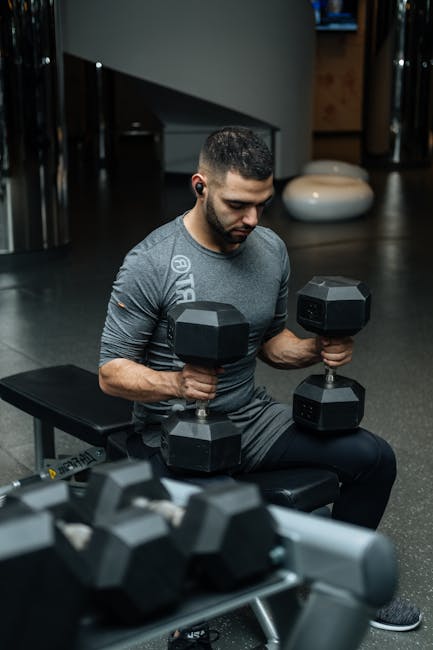
Have you ever found yourself wondering if wall sits could be the secret weapon in your muscle-building arsenal? You’re not alone.
Many fitness enthusiasts, whether beginners or seasoned athletes, question the effectiveness of this seemingly simple exercise. As you picture yourself leaning against the wall, feeling the burn in your thighs, you might ask, “Is this really doing anything for my muscles?
” The answer might surprise you. We’ll delve into the science and benefits behind wall sits and reveal if they’re worth adding to your workout routine. Stay with us to uncover the truth and potentially transform your fitness journey.
Science Behind Wall Sits
The science behind wall sits is fascinating, as this simple exercise leverages key principles of muscle contraction and endurance. When you perform a wall sit, your muscles engage in an isometric contraction, holding steady without lengthening or shortening. This type of contraction builds strength and endurance, making wall sits a powerful tool in your fitness arsenal.
Understanding Isometric Contraction
Isometric exercises like wall sits involve holding a position without moving. This static hold challenges your muscles to maintain tension and stability. Your quadriceps, hamstrings, and glutes work in unison to support your body weight, enhancing muscular endurance.
Impact On Muscle Fibers
During a wall sit, your muscle fibers are recruited to sustain the position. Fast-twitch fibers, responsible for explosive movements, are activated alongside slow-twitch fibers, which are more endurance-oriented. This balanced activation promotes muscle growth and strength development.
Role Of Muscle Endurance
Wall sits are excellent for boosting muscle endurance. By holding the position longer, you challenge your muscles to maintain strength over time. This endurance is crucial for overall athletic performance and can be particularly beneficial for sports requiring sustained effort.
Why Duration Matters
The length of time you hold a wall sit impacts muscle fatigue and growth. Short holds focus on strength, while longer durations emphasize endurance. Aim to gradually increase your hold time to push your limits and enhance muscle development.
Practical Applications
Incorporating wall sits into your routine can complement other exercises. Use them as a finisher after leg workouts or during circuit training. Their versatility and simplicity make them easy to add without requiring any equipment.
Have you ever tried challenging yourself with a wall sit marathon? Next time, see how long you can hold it. You’ll be surprised at how effective this seemingly simple exercise can be.
Benefits Of Wall Sits
Wall sits effectively target and build lower body muscles like quadriceps, hamstrings, and glutes. This exercise enhances endurance and muscle strength with regular practice. It’s a simple yet powerful addition to any workout routine.
Wall sits are more than just a simple exercise. They offer a range of benefits that enhance your fitness journey. This static exercise involves sitting against a wall, holding a position similar to sitting in a chair. Despite being stationary, wall sits are highly effective for building muscle strength and endurance.Muscle Endurance
Wall sits boost muscle endurance significantly. They require you to hold your position for a set duration. This sustained effort trains muscles to resist fatigue. Over time, your muscles can work longer without tiring. Endurance is not just for athletes; it helps in daily activities too. Building endurance improves overall physical performance.Core Stability
Wall sits engage your core muscles effectively. While maintaining the position, your abs and lower back work hard. This engagement leads to better core stability. A strong core supports your posture and balance. It reduces the risk of injuries. Core stability also enhances other exercises, making your workouts more efficient.Leg Strength
This exercise is excellent for strengthening your legs. It targets your quadriceps, hamstrings, and calves. Wall sits enhance leg strength without needing equipment. Strong legs improve mobility and support body weight. Leg strength is crucial for sports and everyday tasks. It aids in climbing stairs, walking, and running effortlessly. Wall sits offer these benefits, making them a valuable addition to any workout routine. Incorporating wall sits can lead to noticeable improvements in endurance, stability, and strength.Muscles Targeted
Wall sits primarily target the quadriceps, glutes, and hamstrings. Holding the squat position enhances strength and endurance in these muscles. Consistent practice can lead to noticeable muscle growth and improved lower body stability.
Muscles Targeted Wall sits are a simple yet effective exercise. They focus on several key muscle groups. This static move builds strength without complex movements. Let’s explore the primary muscles engaged during wall sits.Quadriceps
The quadriceps are the main muscles activated. They are located at the front of your thighs. Wall sits demand these muscles to hold your position steady. As you squat, your quads bear most of your weight. This strengthens them over time. Consistent practice can lead to improved muscle definition. Strong quadriceps are essential for everyday activities.Hamstrings
Your hamstrings also work during wall sits. These muscles are at the back of your thighs. They help stabilize your legs. Though not as engaged as the quadriceps, they play a supportive role. Wall sits contribute to hamstring flexibility and strength. Balanced hamstrings are vital for leg health.Glutes
The glutes are another group involved. They are the muscles in your buttocks. Wall sits activate them to maintain your posture. Strong glutes enhance your performance in various exercises. They also help with balance and stability. Regular wall sits can lead to firmer glutes.
Credit: www.instagram.com
Incorporating Wall Sits In Workouts
Wall sits strengthen muscles by engaging your thighs, glutes, and core. Holding this position builds endurance and muscle tone. Regular practice can lead to noticeable improvements in lower body strength.
Incorporating wall sits into your workout routine can be a game-changer for building muscle strength and endurance. This simple yet effective exercise targets your quadriceps, hamstrings, glutes, and calves, making it a versatile addition to any fitness plan. Whether you’re new to exercise or a seasoned athlete, wall sits can be easily added to your regimen for a well-rounded workout.Warm-up Routine
Before diving into wall sits, it’s crucial to warm up your muscles to prevent injury. Start with five to ten minutes of light cardio, like jogging or brisk walking, to get your blood flowing. Follow this with dynamic stretches such as leg swings and high knees to loosen up your lower body.Strength Training Circuit
Wall sits fit perfectly into a strength training circuit. Try incorporating them between sets of squats and lunges for added intensity. Hold the wall sit position for 30 to 60 seconds, focusing on maintaining a 90-degree angle at your knees for maximum effectiveness.Cool Down Stretch
After your workout, it’s important to cool down and stretch to aid recovery. Use static stretches to target the muscles worked during wall sits. Focus on your quadriceps and hamstrings with stretches like the standing quad stretch and seated hamstring stretch. Adding wall sits to your workout is a simple yet effective way to challenge your muscles. Have you tried them before? Why not give it a go and feel the burn for yourself!Wall Sits Vs. Other Exercises
Wall sits can strengthen and tone leg muscles effectively. Unlike dynamic exercises, they offer isometric resistance to build endurance. Ideal for those seeking muscle stability without equipment.
Wall sits are a popular exercise for building strength and endurance. People often wonder how they compare to other exercises. Each exercise works the legs differently. Understanding these differences can help you choose the best routine for your goals.Squats Comparison
Squats are a dynamic movement. They engage multiple muscle groups. Wall sits, in contrast, focus on static strength. Squats work the glutes, quads, and hamstrings. They improve balance and core stability. Wall sits, meanwhile, provide isometric strength in the quads.Lunges Comparison
Lunges require balance and coordination. They target the quads, glutes, and calves. Wall sits are less complex. They isolate the quads more than lunges. Lunges improve functional strength and flexibility. Wall sits build endurance in a single position.Leg Press Comparison
The leg press is a machine exercise. It allows for controlled movement and heavier weights. Wall sits do not need any equipment. Leg presses focus on pushing force and muscle growth. Wall sits enhance muscle endurance and stabilization. Each exercise offers unique benefits for leg development.
Credit: www.facebook.com
Common Mistakes To Avoid
Wall sits can build muscle, but common mistakes might hinder progress. Avoid poor posture, as it reduces effectiveness. Incorporate them into a balanced workout plan for better results.
Common mistakes can hinder progress when building muscle with wall sits. Avoiding these pitfalls is essential for maximizing gains and minimizing injury risks. Let’s explore some common mistakes and how to avoid them.Improper Form
Improper form is a frequent issue with wall sits. Ensure your back is flat against the wall. Keep your knees aligned directly above your ankles. Your thighs should be parallel to the ground. Avoid arching your back, which can lead to strain. Maintaining proper form ensures effective muscle engagement.Overtraining Risks
Overtraining can lead to fatigue and muscle strain. Wall sits are intense, and doing them excessively can cause burnout. Balance is key. Incorporate rest days to allow your muscles to recover. This helps prevent injuries and promotes muscle growth.Neglecting Rest Periods
Rest periods are crucial for muscle recovery. Skipping rest can lead to overuse injuries. Allow your muscles time to repair and strengthen. Aim for at least one rest day between intense workouts. This not only prevents fatigue but also enhances performance.Tips For Effective Wall Sits
Wall sits can effectively build muscle in your thighs and glutes. Maintain proper form and increase duration gradually for best results. Consistent practice enhances endurance and strength over time.
Wall sits are a fantastic exercise for building muscle and enhancing endurance. They target your quads, glutes, and calves. To gain the most from your wall sits, you need to perform them correctly. Here are some tips to help you achieve effective wall sits.Correct Positioning
Ensure your back is flat against the wall. Your feet should be shoulder-width apart. Keep your knees directly above your ankles. Your thighs need to be parallel to the ground. This position engages your muscles fully. Avoid leaning forward or arching your back. This reduces the workout’s effectiveness.Breathing Techniques
Maintain steady breathing throughout the exercise. Inhale deeply through your nose. Exhale slowly through your mouth. Controlled breathing helps maintain focus. It also reduces muscle fatigue. Do not hold your breath. This can lead to dizziness or discomfort.Progressive Overload
Gradually increase the duration of your wall sits. Start with a manageable time, like 20 seconds. Add a few seconds each session. This encourages muscle growth and strength. You can also add weight. Hold a dumbbell or use a weighted vest. Keep challenging your muscles for better results.
Credit: www.facebook.com
Tracking Progress
Wall sits can help build muscle by strengthening your thighs, calves, and core. This simple exercise enhances endurance and stability. Regular practice can lead to noticeable muscle definition and improved balance.
Tracking progress is key to muscle building with wall sits. It helps you see improvements and stay motivated. Knowing how to track your progress can maximize results and keep you engaged.Duration Goals
Set achievable duration goals. Start with a time you can hold comfortably. Gradually increase your hold time each week. This will challenge your muscles and build endurance. Track your time in a journal or app. Celebrate small wins to stay motivated.Strength Gains
Strength gains are a sign of muscle development. With wall sits, you can feel muscles getting stronger over time. Notice how your legs feel less fatigued. Compare how you felt during your first wall sit to now. Keep a record of these strength improvements. This will boost your confidence.Performance Metrics
Use performance metrics for detailed progress tracking. Measure your hold time with a stopwatch. Record the number of sets you complete. Note any changes in form or ease. These metrics provide a clear view of your progress. They help pinpoint areas for improvement, keeping your routine effective.Real-life Success Stories
Real-life success stories highlight how wall sits can effectively build muscle. People often see improved leg strength and endurance. These simple exercises target key muscle groups like quadriceps and glutes. Consistent practice leads to noticeable results and increased confidence.
In the world of fitness, wall sits have gained popularity. People share their inspiring stories about how this simple exercise has changed their lives. Here are some real-life success stories from athletes, fitness enthusiasts, and those on the road to recovery.Athletes’ Achievements
Many athletes include wall sits in their training. A high school basketball player improved his jump. His coach recommended wall sits to build leg strength. After weeks of practice, his performance improved. A track runner also shared her story. Wall sits helped her increase endurance. She finished races faster than before.Fitness Enthusiasts’ Experiences
Fitness lovers often explore new exercises. Wall sits became a favorite for many. One gym-goer noticed toned thighs after consistent wall sits. Another enthusiast enjoyed the challenge. It became a daily routine. Both reported improved stamina. Wall sits added value to their workouts.Injury Recovery Journeys
Wall sits can aid in recovery. A cyclist recovering from a knee injury found them helpful. The low-impact exercise strengthened his legs. He regained confidence in his abilities. Another story involved a dancer. She used wall sits to rebuild muscle after an ankle sprain. It was a gentle way to regain strength. These stories highlight wall sits’ role in rehabilitation.Frequently Asked Questions
Do Wall Sits Help In Building Muscle?
Yes, wall sits can help build muscle, particularly in your quadriceps, hamstrings, and glutes. This isometric exercise engages your lower body muscles, providing a strength-building workout. Consistency and proper form are key to seeing results.
How Long Should You Hold A Wall Sit?
For beginners, aim to hold a wall sit for 20-30 seconds. As you progress, try to increase the duration to 1-2 minutes. Holding longer will challenge your muscles more and enhance endurance.
Are Wall Sits Effective For Weight Loss?
Wall sits can aid weight loss by burning calories and building muscle. Combining them with cardio and a healthy diet boosts effectiveness. This exercise enhances muscle endurance, contributing to a higher metabolic rate.
Can Wall Sits Improve Your Posture?
Yes, wall sits can improve posture by strengthening your core and lower back muscles. This exercise promotes alignment and stability, which are essential for good posture. Regular practice helps in maintaining an upright position.
Conclusion
Wall sits can help build muscle strength. They target the quadriceps, hamstrings, and glutes. Consistency is key for seeing results. Combine wall sits with other exercises for balance. A well-rounded workout enhances overall fitness. Remember, diet also plays a crucial role.
Protein-rich foods support muscle growth. Listen to your body and rest as needed. Progress might be slow, but perseverance pays off. Safety first—use proper form to avoid injury. Consider consulting a fitness trainer for guidance. Build muscle, stay healthy, and enjoy your fitness journey.
Every effort counts. Keep pushing forward!