Ever wondered if a simple activity like walking can actually boost your cardio endurance? You’re not alone.
Many people underestimate walking, thinking it’s too basic to have significant health benefits. But what if this everyday activity holds the key to enhancing your heart health and stamina? Imagine transforming your daily stroll into a powerful workout that could improve your fitness and well-being.
Curious to know how? Keep reading, because the truth about walking and cardio endurance might surprise you. It’s time to uncover the potential hidden in every step you take.
Cardio Endurance Basics
Walking is a simple, effective way to improve cardio endurance. It helps strengthen the heart and lungs over time. Understanding the basics of cardio endurance is essential for anyone aiming to enhance their fitness journey.
Definition Of Cardio Endurance
Cardio endurance refers to the heart and lungs’ ability to sustain activity. It measures how well your body uses oxygen during exercise. With good cardio endurance, you can exercise longer without tiring.
Importance For Overall Health
Strong cardio endurance benefits your health in many ways. It reduces the risk of heart disease and improves lung capacity. Regular walking boosts energy levels and enhances mood. Better endurance means more stamina for daily activities.

Credit: www.womenshealthmag.com
Walking As An Exercise
Walking is a fantastic way to improve cardio endurance. It’s simple, effective, and accessible. Walking engages your heart and lungs, boosting your cardiovascular health. It helps reduce the risk of heart disease and improves circulation. You don’t need fancy gear or a gym membership. Just a pair of comfortable shoes, and you’re set.
Walking Vs. Running
Running burns more calories in less time. It’s intense and requires more effort. Walking is easier on the joints and accessible for all fitness levels. Both improve heart health, but walking is gentler. It’s ideal for beginners or those with injuries. Choose what suits your lifestyle and health needs.
Accessibility And Ease
Walking can be done anywhere. Parks, streets, or even inside your home. It doesn’t require special equipment. Just a pair of shoes and you’re ready. It fits into busy schedules. You can walk in the morning or evening. It’s easy to start and maintain. Walking is a low-impact exercise, reducing injury risk.
Benefits Of Walking For Cardio
Walking is often underrated as a form of cardio exercise, yet its simplicity and accessibility make it a powerful tool for improving your cardiovascular health. You don’t need fancy equipment or a gym membership to start; just a pair of comfortable shoes and a willingness to step outside. As you walk regularly, you’ll notice various benefits that contribute to your overall cardio endurance. Let’s explore some of these benefits and see how walking can enhance your health.
Heart Health Improvements
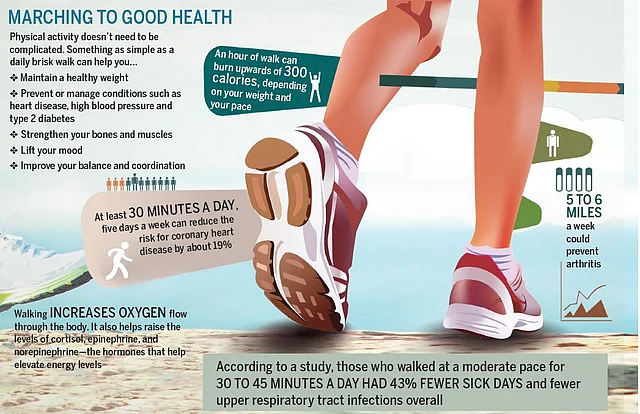
Walking can significantly boost your heart health. Regular walking helps to lower your blood pressure and improve circulation. This means your heart doesn’t have to work as hard to pump blood, reducing the risk of heart disease. Imagine how just a brisk 30-minute walk each day can make your heart stronger and more efficient.
Have you ever felt your heart beating faster after a brisk walk? That’s your heart adapting to the exercise, becoming more resilient over time. Consistent walking can lead to lower resting heart rates and improved cholesterol levels, giving you a healthier heart and a longer life.
Increased Lung Capacity
Walking is not only great for your heart but also for your lungs. As you walk, you breathe more deeply, which helps increase your lung capacity. This means you’ll be able to take in more oxygen with each breath, enhancing your overall endurance.
Think about how refreshing it feels to take a deep breath of fresh air after walking. Your lungs become more efficient at exchanging oxygen and carbon dioxide, helping you feel more energized and less fatigued. Over time, you might notice you can walk longer distances without getting winded—proof that your lung capacity is improving.
Are you ready to lace up your shoes and start walking your way to better cardio health? Remember, every step you take is a step towards a healthier you. Whether it’s a leisurely stroll or a brisk walk, the benefits to your heart and lungs are undeniable and within your reach.
How Walking Builds Endurance
Walking boosts cardio endurance by gradually strengthening the heart and lungs. Consistent walking improves stamina, allowing longer and more efficient workouts.
Walking is a simple yet powerful way to build endurance. It strengthens your heart and lungs. As you walk, your heart pumps more efficiently. This improves the flow of oxygen throughout your body. With time, walking increases your stamina and energy levels. It is a low-impact exercise, making it suitable for all ages. Let’s explore how walking can enhance your cardio endurance.Role Of Consistency
Consistency is key to building endurance through walking. Walk regularly to see improvements in stamina. Aim for at least 30 minutes of walking most days. This routine helps your body adapt to the physical activity. Over time, your heart and muscles work more efficiently. Consistent walking reduces the risk of heart disease. It also boosts your mood and mental clarity.Increasing Intensity Over Time
Gradually increasing walking intensity builds endurance. Start by walking at a comfortable pace. As your stamina grows, add variations. Include brisk walking to challenge your heart. Introduce hills or incline walking for added resistance. You can also try interval walking. Walk fast for a short burst, then slow down. This method enhances cardiovascular fitness. Remember to listen to your body. Increase intensity slowly to avoid injury.Walking Techniques For Better Endurance
Walking is more than just putting one foot in front of the other; it’s a strategic way to build your cardio endurance. Using effective techniques can transform a casual stroll into a powerful workout. Whether you’re aiming to boost your heart health or simply want to walk longer without tiring, mastering specific walking techniques can make a huge difference.
Pacing And Breathing Tips
Finding the right pace is crucial for enhancing endurance. Start with a speed that challenges you but doesn’t exhaust you within minutes. Gradually increase your pace as your stamina improves. Pay attention to your breathing; it should be steady and rhythmic. Try inhaling for three steps and exhaling for another three. This approach helps maintain your energy levels and keeps your heart rate stable.
Consider your walking pace as a dance with your breath. Are you breathing deeply or just shallowly? Deep, consistent breathing can be your secret weapon for endurance. If you start feeling breathless, slow down and focus on regaining control of your breath. This simple adjustment can be the key to lasting longer on your walks.
Incorporating Hills And Intervals
Adding hills to your walking route can be a game-changer for endurance. Walking uphill demands more from your muscles and lungs, providing a greater cardio workout. If your neighborhood is flat, find a local park with inclines or use a treadmill set to an incline. Hills can make your heart stronger and your legs more powerful.
Intervals are another fantastic technique to build endurance. Alternate between fast-paced walking and slower recovery periods. This method trains your heart to handle different levels of exertion. Start with shorter intervals and gradually extend them as you become more comfortable. For example, try walking briskly for one minute and then slow down for two minutes. This practice can keep your routine fresh and engaging.
Challenge yourself with intervals and hill walks. How much can you push your limits today? As you adapt, you’ll find yourself achieving new milestones and walking further than you ever thought possible. This blend of techniques isn’t just about fitness; it’s about discovering what you’re capable of when you step out of your comfort zone.
Combining Walking With Other Activities
Walking effectively boosts cardio endurance when paired with activities like cycling or swimming. This combination enhances heart health, stamina, and overall fitness. Integrating varied exercises keeps workouts engaging and maximizes benefits.
Combining Walking with Other Activities Walking is a fantastic way to start building your cardio endurance, but why stop there? You can enhance your fitness journey by blending walking with other activities. This combination not only boosts your heart health but also keeps your routine exciting and diverse. Imagine the possibilities when you mix walking with different exercises. Do you think you’ll discover new strengths and capabilities you never knew you had?Cross-training Benefits
Cross-training is a powerful strategy to maximize your fitness results. By integrating walking with activities like cycling, swimming, or yoga, you can target different muscle groups and improve overall endurance. Cycling strengthens your legs and boosts stamina, while swimming enhances lung capacity and provides a full-body workout. These variations not only prevent monotony but also reduce the risk of injuries by avoiding repetitive strain on specific muscles.Balancing With Strength Training
Strength training is an excellent complement to walking, helping build muscle and burn calories more effectively. You don’t need fancy equipment; simple exercises like squats, lunges, and push-ups can make a big difference. Adding strength training to your routine helps enhance your walking performance by improving muscle strength and endurance. Ever wondered how much stronger your legs could be with just a few minutes of squats each day? By creatively combining walking with other activities, you can make your fitness routine more effective and enjoyable. What new activity will you try with walking today to enhance your cardio endurance?Tracking Progress
Walking regularly can effectively build cardio endurance. It strengthens the heart and improves lung capacity. Consistent walking sessions boost overall stamina and fitness levels.
Tracking your progress is essential for building cardio endurance through walking. It helps you stay motivated and focused. You can see how far you’ve come and where you need to improve. Tracking also helps set achievable goals, making your walking routine more effective.Using Wearable Technology
Wearable technology has become a popular tool for fitness enthusiasts. Devices like smartwatches and fitness trackers offer valuable data. They track steps, heart rate, and calories burned. This data helps monitor your walking progress. You can see how each walk improves your endurance. Wearables also offer reminders to keep you active. They help you stay on track with your fitness goals.Setting Realistic Goals
Setting realistic goals is crucial for success. Start with small, achievable targets. Gradually increase your walking distance or pace. This approach prevents burnout and injury. Celebrate small victories to stay motivated. Use your progress data to set new goals. This keeps your walking routine challenging and rewarding.
Credit: www.instagram.com
Common Myths About Walking
Walking is often underestimated as a form of exercise, especially when it comes to building cardio endurance. Despite its simplicity, walking is a powerful tool for enhancing your cardiovascular health, yet many myths cloud its true benefits. Let’s unravel these misconceptions and discover the real potential of walking.
Debunking Misconceptions
Many believe that walking is too gentle to offer any real cardio benefits. They argue that without breaking a sweat, you’re not really working your heart. However, walking can significantly improve your heart health, especially when you increase your pace or add hills. Just think about how your heart races during a brisk walk. It doesn’t always have to be about running marathons to get your heart pumping.
Another common myth is that walking won’t help with weight loss or muscle building. Yet, walking is a full-body workout when done correctly. By incorporating intervals or carrying light weights, you can engage various muscle groups and boost calorie burn. Imagine walking up a steep hill or power-walking through your neighborhood—your muscles and heart will thank you.
Understanding Walking’s True Potential
Walking is more than a means of getting from point A to B; it’s a gateway to better health. By making walking a regular part of your routine, you can increase your stamina and endurance over time. Have you noticed how you can walk longer distances without feeling tired after a few weeks of regular walks?
Walking can also be a social activity, which adds a fun element to your exercise routine. Whether you join a walking group or go for strolls with a friend, the motivation and camaraderie can enhance your commitment to fitness. Think about how enjoyable it is to chat and walk, which often makes the time fly by.
So, why not challenge yourself to walk a bit faster or a bit longer each week? As you push your boundaries, you’ll witness the true power of walking in building your cardio endurance and overall well-being.

Credit: www.gq.com
Frequently Asked Questions
How Does Walking Improve Cardio Endurance?
Walking boosts cardio endurance by strengthening your heart and lungs. It increases blood flow and oxygen to muscles, enhancing stamina. Regular walking also helps improve heart rate and lung capacity. This makes daily activities easier and reduces the risk of cardiovascular diseases.
Is Walking Better Than Running For Endurance?
Walking is gentler on the joints and suitable for all fitness levels. While running burns more calories, walking offers endurance benefits with less injury risk. It allows for longer sessions, gradually enhancing cardiovascular health and stamina over time.
How Often Should I Walk For Better Endurance?
For optimal endurance, aim to walk at least 150 minutes weekly. This can be spread across several days, such as 30 minutes five times a week. Consistency in your walking routine helps improve cardiovascular fitness and overall health.
Can Walking Help With Weight Loss And Endurance?
Walking aids in weight loss by burning calories and increasing metabolism. It’s a low-impact exercise suitable for beginners. As you lose weight, your endurance improves, making it easier to walk longer distances. This cycle boosts both endurance and weight management.
Conclusion
Walking improves cardio endurance gradually. It’s a simple, effective exercise. Regular walks strengthen your heart and lungs. Increased stamina leads to longer activities without fatigue. Over time, you’ll notice better endurance. Walking suits all fitness levels. No need for fancy equipment.
Just a pair of comfortable shoes. Make it a habit, and enjoy the benefits. Try different paths for variety. Invite friends for motivation. Walking is a lifelong fitness choice. Embrace it for a healthier heart. Start today, and experience the positive change.