
Imagine watching your favorite athlete break records and achieve the impossible. You cheer, you celebrate, but a nagging thought lingers—was it really their talent, or did they have a little help from performance enhancing drugs?
You might think these substances are just part of the game, but they could be robbing you of genuine moments of sportsmanship and integrity. As a sports enthusiast, you deserve to see true skill and dedication, not chemically-fueled victories. We’ll uncover why performance enhancing drugs should be banned in sports and how their presence affects not just athletes, but you as a fan.
Stay with us to discover the hidden truths and ensure the sports you love remain honest and fair.
Impact On Fair Competition
Performance enhancing drugs (PEDs) pose a significant threat to fair competition in sports. Athletes using these substances gain an unfair advantage over their competitors. This undermines the very essence of sportsmanship and equality in competition. By creating disparities among athletes, PEDs skew results and damage the integrity of sports.
Unequal Playing Field
PEDs create an uneven playing field. Athletes who use these substances perform better than their natural abilities allow. This makes it difficult for clean athletes to compete on equal terms. The use of PEDs can lead to skewed outcomes, where talent and hard work are overshadowed by chemical enhancement.
In sports, skill and training should determine success. PEDs disrupt this balance. They give users an edge that is not based on effort or dedication. This sends a negative message to aspiring athletes, suggesting that success can be bought or chemically induced.
Integrity Of Sports
The integrity of sports relies on fair competition. PEDs threaten this core value. When athletes use drugs to enhance their performance, they compromise the trust and respect in sports. Fans want to see genuine competition, not chemically enhanced performances.
Sports organizations strive to maintain trust and credibility. Allowing PEDs undermines these efforts. It questions the authenticity of records and achievements. For sports to remain a symbol of genuine human effort, PEDs must be banned.
Health Risks For Athletes
Performance enhancing drugs might seem like a shortcut to success, but they come with significant health risks for athletes. These substances can wreak havoc on your body, both in the short and long term. Understanding these risks is crucial for making informed decisions about their use in sports.
Short-term Health Effects
Using performance enhancing drugs can lead to immediate health issues. You might experience mood swings, increased aggression, or even depression. Physical side effects such as nausea, high blood pressure, and irregular heartbeats are common.
Imagine preparing for a big game, only to be sidelined by a sudden heart issue. Are the temporary gains worth the immediate risks to your health?
Long-term Consequences
The dangers don’t stop at short-term effects. Long-term use can cause irreversible damage. Liver and kidney failure, heart disease, and hormonal imbalances are just a few examples. These can significantly shorten your athletic career and even your lifespan.
Consider how these consequences could impact your life after sports. Will you sacrifice your future health for temporary success?
- Bone Density:Long-term steroid use can decrease bone density, increasing fracture risk.
- Reproductive Health:Hormonal disruptions can affect fertility and sexual health.
- Psychological Effects:Long-term use may lead to chronic depression and anxiety.
As an athlete, you have a choice. You can protect your body and future, or risk it all for a fleeting advantage. What will you choose?
Moral And Ethical Concerns
Sports have always been a reflection of human spirit, showcasing dedication, hard work, and fair competition. Yet, the use of performance-enhancing drugs tarnishes this image, raising significant moral and ethical concerns. When athletes choose shortcuts to success, it not only affects their personal integrity but also impacts the values of the sports community and society at large.
Role Model Responsibilities
Athletes are often viewed as role models, especially by young fans who look up to them for inspiration. When these icons resort to drugs to boost their performance, it sends a troubling message: that cheating is acceptable if it leads to success. Imagine a young aspiring athlete witnessing their idol’s fall from grace due to doping scandals. What lesson does that impart? You have the power to influence future generations by advocating for clean sportsmanship.
Integrity Of Achievements
The joy of winning lies in the belief that your success is the result of your hard work and dedication. Performance-enhancing drugs strip away the true essence of achievements. When records are broken not by talent and effort, but by chemical enhancements, can they truly be celebrated? Picture yourself setting a personal best, only to later discover it was tainted by unfair means. Would you feel proud? Protect the integrity of sports by valuing genuine accomplishments.
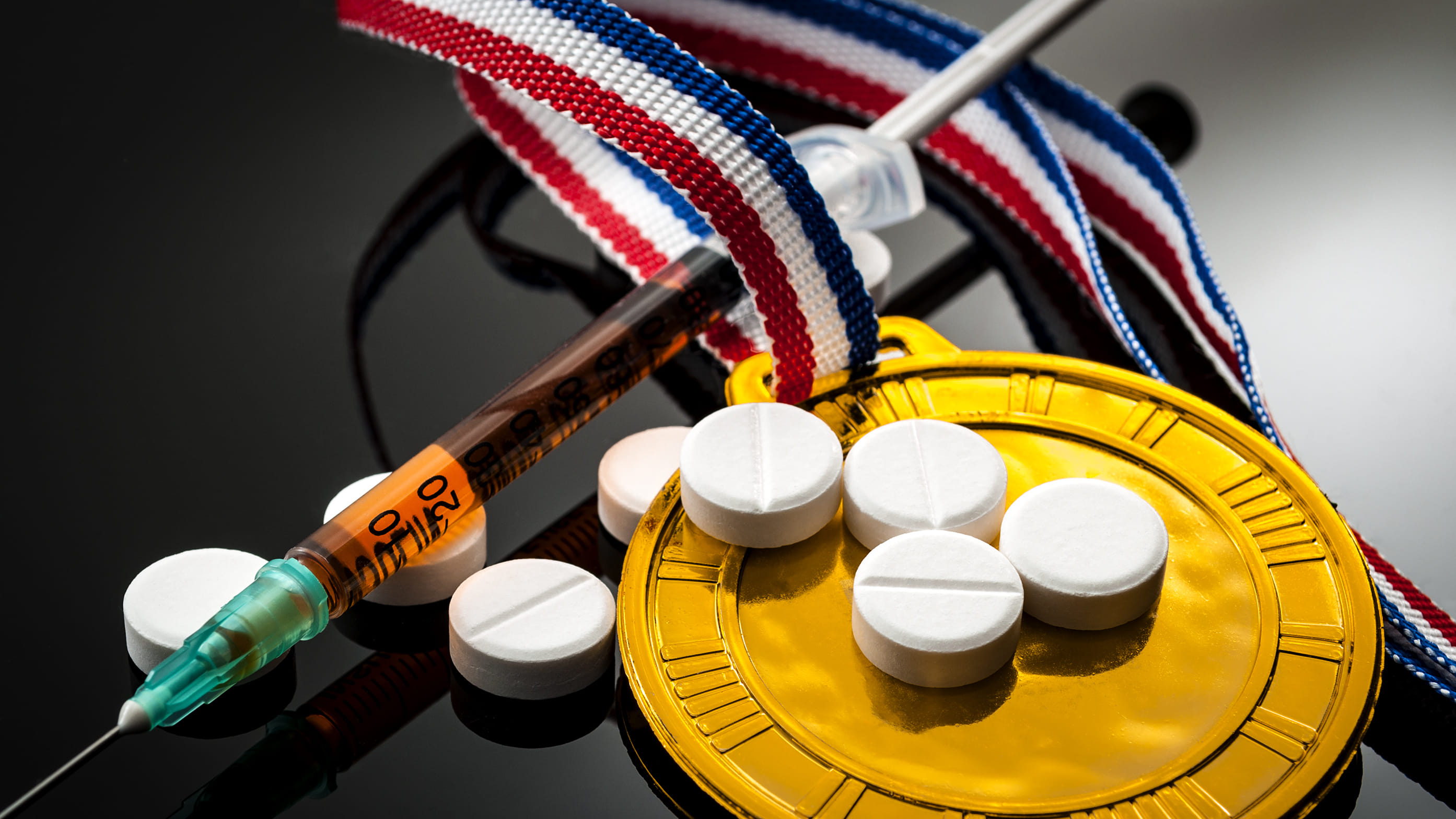
Credit: www.downtoearth.org.in
Regulatory Challenges
Performance enhancing drugs (PEDs) in sports are a hotly debated topic, with regulatory challenges posing significant hurdles. The battle to maintain fair competition requires stringent measures, but the complexity of enforcing these rules across different sports and regions often leads to inconsistencies. As a sports enthusiast, you might wonder why some athletes seem to evade detection while others face penalties. Let’s dive into the heart of these regulatory challenges.
Detection And Enforcement
The first hurdle is the detection of PEDs. Testing methods must evolve rapidly to keep up with new drugs. Despite advancements, some substances can still slip through the cracks. You might recall instances where athletes were found guilty years after their competitions. This delay in detection not only tarnishes the sport but also raises questions about the effectiveness of current testing methods.
Enforcement is equally challenging. Sports organizations often lack the resources to conduct rigorous testing. This can lead to uneven enforcement, where high-profile athletes receive scrutiny while others might escape notice. Imagine the frustration when your favorite athlete is banned, yet others seem untouched. This inconsistency damages the integrity of the sport and leaves fans disillusioned.
Global Consistency
Achieving global consistency in PED regulation is another significant challenge. Different countries have varying standards and resources, leading to discrepancies. You might wonder why an athlete banned in one country can compete in another. This lack of uniformity undermines the global nature of sports, creating unfair advantages.
Would a universal standard be the solution? It could ensure fair play across all sports and regions, but implementing such a system is complex. Consider the logistical and financial barriers that different countries face. While the idea of global consistency is appealing, practical implementation remains a daunting task.
Alternatives To Enhance Performance
In the world of sports, while the temptation to use performance-enhancing drugs can be strong, there are several healthier and more ethical alternatives to boost athletic prowess. Embracing these options not only promotes fairness but also aligns with the true spirit of sportsmanship. By opting for natural methods and innovative technologies, athletes can maximize their potential without compromising their integrity.
Natural Training Methods
One of the most effective ways to enhance performance is through dedicated training. Focus on a balanced routine that includes strength, endurance, and flexibility exercises. This approach builds foundational fitness that drugs simply can’t replicate.
Consider the power of nutrition. Eating a well-rounded diet rich in proteins, vitamins, and minerals fuels your body efficiently. A friend of mine, a marathon runner, swears by a diet packed with lean meats and greens. Her stamina and recovery times improved dramatically without any supplements.
Don’t underestimate the importance of rest. Your body needs time to repair and strengthen. Sleep boosts your immune system and enhances cognitive functions essential for any sport. Could a simple adjustment in your sleep schedule be the key to unlocking your full potential?
Technological Innovations
Modern technology offers exciting ways to improve performance. Wearable devices provide real-time feedback on your heart rate, calories burned, and even sleeping patterns. Use this data to refine your training regimen and track progress accurately.
Virtual reality training is another game-changer. You can simulate challenging scenarios or visualize perfect techniques, enhancing your mental preparation. This tech was pivotal for a friend who improved her tennis game by practicing against virtual opponents.
Consider investing in recovery tools like massage guns or compression gear. They enhance blood circulation and reduce muscle soreness, making your recovery phase more efficient. How might these gadgets transform your post-training routine?
By choosing these alternatives, you not only boost your performance but also preserve the integrity and fairness of sports. Embrace the challenge of pushing yourself naturally and ethically. After all, isn’t the true reward in sports about pushing beyond your limits without compromising your values?

Credit: cen.acs.org
Public Perception And Trust
Performance enhancing drugs (PEDs) have long been a controversial topic in sports. Their presence raises critical questions about public perception and trust. As fans, you invest emotionally and financially in your favorite teams and athletes. You expect them to compete fairly and uphold the integrity of the sport. When PEDs are involved, this trust can be shattered, leaving a cloud of doubt over athletes’ achievements. This breach in trust doesn’t just affect the athletes involved; it taints the entire sport.
Impact On Fan Engagement
Fan engagement is the heartbeat of sports. You cheer, celebrate, and sometimes mourn with your favorite teams and athletes. But what happens when you discover your hero’s achievements might be tainted by PEDs? It can be disheartening and reduce your enthusiasm for the sport. Knowing that an athlete’s performance is artificially enhanced can make the victories feel hollow, diminishing the joy of watching sports.
Consider the emotional impact on fans when they realize their idol’s success was aided by drugs. It can lead to skepticism about other athletes’ performances and lower overall interest in the sport. Do you really want to invest your time and energy in a sport where fairness is questionable?
Sponsorship And Branding
Sponsorship is crucial for sports, providing funding and promoting athletes and teams. However, when PEDs are involved, sponsors may rethink their association. You might see brands withdrawing support due to the negative image associated with drug use. This can lead to significant financial losses for teams and athletes.
Brands want to be associated with positive values, such as hard work and dedication. PED scandals can tarnish these values, making sponsors hesitant to invest. As a fan, you might notice fewer brand endorsements and reduced quality in sports events. How does this impact your experience as a spectator?
Ultimately, banning PEDs is not just about preserving the integrity of sports; it’s about maintaining the trust and engagement of fans like you. It’s about ensuring that sponsorships and branding remain strong and positive, contributing to the vibrant ecosystem of sports you love.
Case Studies Of Bans
Performance enhancing drugs (PEDs) have long been a contentious issue in sports. Numerous athletes have faced bans after being caught using these substances. Exploring case studies of such bans reveals the profound impact PED use can have on an athlete’s career and the integrity of sports.
Notable Incidents
Lance Armstrong’s doping scandal is one of the most infamous cases. After years of denial, he was stripped of his seven Tour de France titles. This incident shook the cycling world and highlighted the deep-rooted issue of PEDs in the sport.
Another notable case involved Marion Jones, a track and field star who admitted to using steroids. Her admission led to a two-year ban and the forfeiture of her Olympic medals. These high-profile cases serve as powerful reminders of the risks athletes take when using performance enhancers.
Consequences Of Violations
The consequences of violating anti-doping rules extend beyond bans and stripped titles. Athletes often face public humiliation and damage to their reputation. This can result in lost endorsements and financial instability.
Moreover, the emotional and psychological toll is immense. Many athletes experience regret and guilt, knowing they’ve let down fans and themselves. This raises an important question: Is the short-term gain of PEDs worth the long-term consequences?
As you consider these cases, think about the true cost of bending the rules. How does it affect the spirit of competition and fair play? By examining these incidents, it’s clear why a ban on performance enhancing drugs remains crucial in preserving the integrity of sports.

Credit: journalofethics.ama-assn.org
Frequently Asked Questions
What Are Performance Enhancing Drugs?
Performance enhancing drugs are substances used to improve athletic performance. They include steroids, stimulants, and hormones. These drugs can increase strength, speed, and endurance temporarily. However, they pose serious health risks and ethical concerns. They undermine fair competition in sports, leading to calls for their ban.
Why Are These Drugs Harmful?
Performance enhancing drugs can cause serious health issues. They may lead to heart problems, liver damage, or hormonal imbalances. Long-term use can result in addiction or mental health disorders. Athletes risk their future health for temporary gains. This is why many advocate for banning these substances in sports.
How Do Drugs Affect Fairness In Sports?
Performance enhancing drugs create an unfair advantage. Athletes using them can outperform those who rely on natural abilities. This undermines the integrity of competitions. Fair play is essential for sportsmanship. Allowing these drugs compromises the values of hard work and dedication.
Banning them ensures equal opportunities for all athletes.
What Are Ethical Concerns With Drug Use?
Using performance enhancing drugs raises ethical issues. It promotes cheating and dishonesty in sports. Athletes who use drugs deceive their fans and competitors. This behavior contradicts the principles of fair competition. Sports should celebrate natural talent and hard work. Banning drugs helps maintain ethical standards and respect in sports.
Conclusion
Performance enhancing drugs harm sports integrity. They create unfair advantages. Athletes should compete on skill and hard work alone. Drugs pose health risks, impacting athletes’ lives. Fans deserve honest competitions. Sports should inspire future generations. Encouraging natural talent builds trust.
Keeping sports clean ensures true champions. Athletes should be role models. Fair play promotes respect and unity. Banning drugs supports sports’ true spirit. Let’s protect sports for everyone.