
Imagine feeling more energetic, focused, and less stressed—sounds great, right? You might be surprised to learn that achieving this is more about moving your body than anything else.
Physical fitness isn’t just about looking good or staying fit; it’s a powerful tool for boosting your mental health. Whether you want to shake off a bad mood or sharpen your mind, exercise can be your secret weapon. You deserve to feel your best, both inside and out.
This article will uncover why physical fitness is crucial for your mental well-being. It’s not just about hitting the gym or going for a run; it’s about transforming your mind. Keep reading to discover how a simple workout can be a game-changer for your mental health. Get ready to feel inspired and empowered to make a change that benefits your mind just as much as your body.
Credit: vocal.media
Physical Fitness And Mood Enhancement
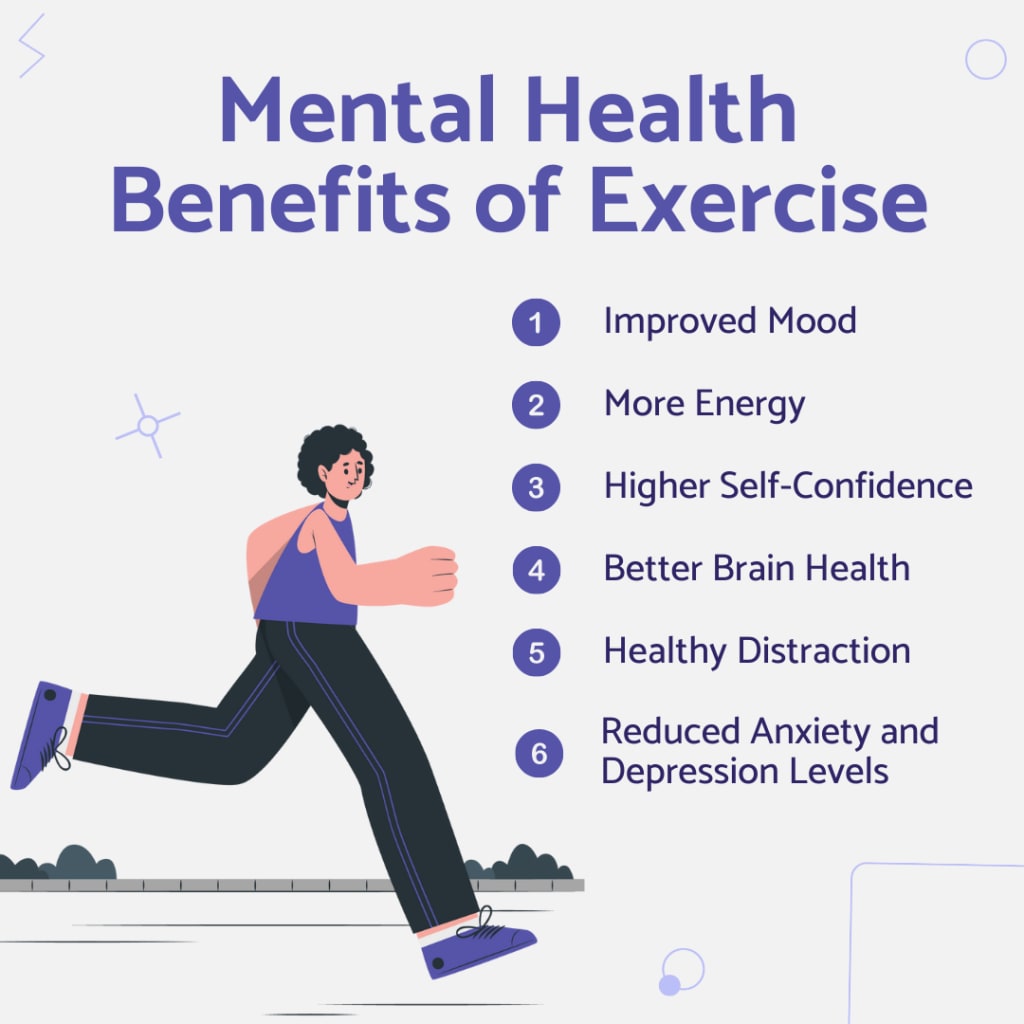
Physical fitness boosts mental health by reducing stress and anxiety. Regular exercise releases endorphins, enhancing mood naturally. Improved fitness leads to better sleep, increasing mental clarity and focus.
Physical Fitness and Mood Enhancement Physical fitness isn’t just about building muscles or shedding pounds; it’s a powerful tool for enhancing your mood. Regular exercise can act as a natural antidepressant, lifting your spirits and sharpening your mind. Imagine starting your day with a brisk walk or a short yoga session and noticing how much brighter everything seems.Boosting Endorphins
Exercise triggers the release of endorphins, the body’s natural feel-good chemicals. These endorphins interact with receptors in the brain, reducing your perception of pain and leading to a positive feeling in the body. Have you ever felt a rush of happiness after a good workout? That’s the endorphins at work, giving you a natural high.Reducing Stress And Anxiety
Physical activity is a superb stress reliever. When you exercise, your body releases tension and your mind gets a break from daily stressors. It’s like pressing a mental reset button. By focusing on the rhythm of your movements or the intensity of your breath, you can shift attention away from worries. Regular workouts can also reduce anxiety. They help regulate stress hormones, like cortisol, which contribute to anxiety. Consider adding a routine walk or a dance session to your week and notice how your stress levels drop. What activities make you feel less anxious and more at ease?Exercise As A Natural Antidepressant
Exercise is more than just a tool for weight loss or muscle gain; it acts as a natural antidepressant. When you engage in physical activities, your body releases chemicals called endorphins. These endorphins interact with receptors in your brain, reducing the perception of pain and triggering positive feelings. Have you ever felt a rush of happiness after a brisk walk or a sweaty workout? That’s your body’s way of rewarding you for getting active.
Impact On Depression Symptoms
Regular exercise can significantly reduce symptoms of depression. It’s not just a distraction; it actively changes brain chemistry. Studies show that engaging in activities like jogging or cycling can improve mood and lessen feelings of sadness. If you’ve ever felt weighed down by persistent gloom, adding a routine of physical activity might lighten the load. Consistency is key, and even small steps can lead to noticeable improvements.
Improving Sleep Patterns
A good night’s sleep can make all the difference in how you feel mentally. Exercise helps regulate your body’s internal clock, making it easier to fall asleep and stay asleep. Have you noticed how a day of physical activity leaves you feeling pleasantly tired by bedtime? This is your body adjusting to its natural rhythm. Better sleep means better mental health, leaving you refreshed and ready to tackle the day.
- Consider starting with light exercises like walking or yoga.
- Gradually increase intensity as your stamina builds.
- Keep track of your mood improvements in a journal to stay motivated.
Physical fitness isn’t just about the body; it’s a key player in maintaining mental health. Why not give it a try and see how a little movement can make a big difference?
Cognitive Benefits Of Physical Activity
Physical activity is not just about enhancing your physical appearance or endurance; it also plays a crucial role in boosting your mental faculties. Engaging in regular exercise can sharpen your mind, improve your memory, and increase your ability to concentrate. Let’s dive into the cognitive benefits that make physical fitness a vital component of mental health.
Enhancing Memory And Learning
Exercise has a profound effect on the brain’s ability to process and retain information. When you engage in physical activity, your body releases chemicals that improve the health of brain cells, the growth of new blood vessels in the brain, and even the abundance and survival of new brain cells.
Imagine being able to remember names, dates, and important tasks with ease. Studies have shown that regular exercise can increase the size of the hippocampus, a brain area involved in memory and learning. Whether it’s a brisk walk, yoga, or a session at the gym, these activities can enhance your brain’s ability to learn and store new information.
Increasing Focus And Concentration
Do you find it hard to concentrate on tasks or get easily distracted? Physical activity might be the answer. Regular exercise boosts the production of neurotransmitters like dopamine, norepinephrine, and serotonin, which play a critical role in focus and attention.
By improving your concentration, exercise can help you tackle your daily tasks more efficiently. Ever notice how a quick workout can clear your mind and help you focus better on a complex problem? This is because exercise enhances your brain’s capacity to filter out distractions and improve your attention span.
Consider integrating short exercise breaks into your day, especially when you’re working on tasks that require sustained attention. These breaks can provide the mental reset needed to keep your focus sharp and productivity high.
Building Resilience Through Exercise
Building resilience through exercise is a powerful way to enhance mental health. Physical activity strengthens the body and also fortifies the mind. When we engage in regular exercise, we train ourselves to handle life’s challenges better. This process helps develop resilience, a vital component of mental well-being. Resilience is the ability to bounce back from setbacks and adapt to stress. Exercise plays a crucial role in nurturing this ability, making it easier to face life’s hurdles.
Developing Coping Mechanisms
Exercise teaches us to manage stress through healthy outlets. Physical activity releases endorphins that improve mood and reduce anxiety. These natural chemicals help combat feelings of depression and stress. With routine exercise, we learn to use physical activity as a coping mechanism. It becomes a tool to channel negative emotions into positive actions. This habit fosters resilience, enabling us to face challenges with a calmer mindset.
Strengthening Self-esteem
Regular exercise boosts self-esteem and confidence. Achieving fitness goals leads to a sense of accomplishment. This achievement translates into improved self-worth. As we see changes in our physical appearance and abilities, our confidence grows. We become more assured in our capabilities, both physically and mentally. This enhanced self-esteem contributes to resilience, empowering us to tackle obstacles with determination.
Social Benefits Of Group Activities
Participating in group activities enhances social connections and boosts mental health. Physical fitness improves mood and reduces stress levels, promoting emotional well-being.
Physical fitness plays a vital role in mental health. Participating in group activities offers significant social benefits. Social interaction can enhance mental well-being. Group activities create environments where people connect. They foster relationships and build supportive communities.Fostering Social Connections
Group activities encourage social interactions. People meet others with similar interests. Shared goals promote teamwork and communication. This leads to meaningful friendships. These connections reduce feelings of loneliness. They provide a sense of belonging. Social support is crucial for mental health.Building Community Support
Communities form around group activities. Individuals support each other’s fitness journeys. They share experiences and offer encouragement. This builds a network of care. Community support boosts confidence. It helps people face challenges together. Feeling supported improves mental resilience. The community becomes a source of strength.
Credit: www.facebook.com
Long-term Mental Health Benefits
Physical fitness holds a key to mental well-being. Engaging in regular exercise offers long-term mental health benefits. It helps the brain function better and stay healthy. Physical activity can boost mood, reduce stress, and enhance cognitive abilities. Over time, consistent exercise can lead to significant mental health improvements. Let’s explore some specific long-term benefits.
Preventing Cognitive Decline
Exercise can slow down the brain’s aging process. It stimulates the production of chemicals that support brain health. Physical activity increases blood flow to the brain. This helps improve memory and learning. Regular exercise can also delay the onset of dementia. It keeps the brain active and engaged.
Promoting Longevity And Wellbeing
Staying physically active can lead to a longer, healthier life. Exercise strengthens the heart and improves circulation. It helps maintain a healthy weight and reduces the risk of chronic diseases. These physical benefits translate to mental benefits. A healthier body supports a healthier mind. Physical fitness enhances overall wellbeing and life satisfaction.

Credit: www.facebook.com
Frequently Asked Questions
How Does Exercise Improve Mental Health?
Regular exercise releases endorphins, which boost mood and reduce stress. It enhances brain function, improving memory and cognitive abilities. Physical activity increases self-esteem and reduces symptoms of anxiety and depression. Incorporating exercise into your routine promotes better sleep, leading to improved mental health and overall well-being.
Can Physical Fitness Reduce Anxiety Symptoms?
Yes, physical fitness can significantly reduce anxiety symptoms. Exercise lowers stress hormone levels and triggers the release of endorphins. It provides a healthy distraction from worries, promoting relaxation. Regular physical activity enhances resilience against stress, helping individuals manage anxiety more effectively over time.
What Is The Link Between Fitness And Depression?
Physical fitness positively impacts depression by boosting neurotransmitters like serotonin and dopamine. These chemicals improve mood and alleviate depressive symptoms. Exercise reduces inflammation and promotes neuroplasticity, aiding brain health. Regular physical activity fosters social interaction and increases self-confidence, contributing to reduced feelings of depression.
How Does Fitness Boost Brain Function?
Fitness enhances brain function by improving blood flow and oxygen supply to the brain. Exercise stimulates the growth of new neurons, boosting memory and learning abilities. Regular physical activity reduces oxidative stress and inflammation, promoting brain health. It also improves focus, concentration, and decision-making skills.
Conclusion
Physical fitness greatly benefits mental health. It reduces stress and anxiety. Boosts mood and energy levels. Exercise improves sleep quality. Enhances focus and overall brain function. Regular activity strengthens emotional resilience. Creates a positive outlook on life. Engaging in physical activities connects you socially.
Builds a supportive community. A healthier body leads to a healthier mind. It’s important to include fitness in daily routines. Small steps make a big difference. Prioritize physical activities. Experience mental health improvements. Start today for better mental well-being. Remember, a balanced lifestyle is key.