
Ever feel like your mind is cluttered, and stress is weighing you down? You’re not alone.
Many people face mental health challenges daily, and the good news is that there’s a simple, powerful tool at your disposal: fitness. Engaging in regular physical activity can be a game-changer for your mental well-being, helping you feel more relaxed, focused, and happy.
Imagine waking up each day with a clearer mind and a lighter heart. Picture the confidence boost you get from accomplishing a workout, no matter how small. Fitness isn’t just about building muscles or losing weight; it’s about enhancing your mental strength and resilience. You might be surprised at how the simple act of moving your body can transform your mind. Curious to discover how fitness can unlock a healthier, happier version of yourself? Keep reading, and uncover the secrets to boosting your mental health through the power of exercise.
Connection Between Fitness And Mental Health
The connection between fitness and mental health is a topic gaining much attention in recent years. Exercise is not just about shaping your body; it plays a crucial role in enhancing your mental well-being. This relationship is backed by scientific research, as well as personal stories of individuals who have experienced life-changing improvements.
How Exercise Reduces Stress And Anxiety
Physical activity increases the production of endorphins, which are chemicals in the brain that act as natural painkillers and mood elevators. When you’re stressed or anxious, this boost can help you feel calmer and more relaxed. Even a short walk or a quick workout can serve as a mental reset button.
The Role Of Fitness In Boosting Self-esteem
Regular exercise can significantly improve your self-esteem. Achieving fitness goals, no matter how small, can give you a sense of accomplishment and boost your confidence. You start seeing yourself in a more positive light, and this can reflect in your interactions with others.
Exercise As A Tool For Better Sleep
Struggling to get a good night’s sleep? Engaging in regular physical activity can help you fall asleep faster and deepen your sleep. Quality sleep is essential for mental health, as it helps regulate mood and reduces stress.
Building Social Connections Through Fitness
Fitness activities often involve social interaction, whether it’s a group workout class, a running club, or a sports team. These interactions can lead to meaningful relationships and a sense of community. Feeling connected to others is a key component of mental well-being.
Practical Tips To Start Your Fitness Journey
- Set realistic and achievable goals to stay motivated.
- Find an activity you enjoy to make it a habit rather than a chore.
- Incorporate fitness into your daily routine, like taking the stairs or biking to work.
- Track your progress to see how far you’ve come.
Have you ever noticed a change in your mood after a workout? Your mental health can benefit from physical activity in ways you might not have expected. Consider how incorporating fitness into your life could transform your mental well-being.

Credit: www.sciencefriday.com
Release Of Endorphins
Fitness isn’t just about sculpting your body; it’s a powerful tool for enhancing your mental health. One of the most immediate benefits of exercise is the release of endorphins. These are chemicals in your brain that act as natural painkillers and mood elevators. Imagine them as your body’s own happy pills, kicking in right after a good workout. But what makes endorphins so special, and how can you harness their power to improve your mental well-being?
What Are Endorphins?
Endorphins are neurotransmitters produced by the central nervous system and pituitary gland. They are often called the body’s natural opioids because they produce a feeling of euphoria, similar to that of morphine. After a workout, these chemicals flood your system, leading to what’s known as a “runner’s high.” It’s not just a myth—many people feel happier and more relaxed post-exercise.
How Does Exercise Release Endorphins?
When you exercise, your body undergoes stress. In response, it releases endorphins to help mitigate the pain. Whether you’re jogging, lifting weights, or swimming, your body kicks into gear, triggering this chemical response. It’s like your body’s reward system, thanking you for pushing through the discomfort. Have you ever noticed how you feel more at peace after a workout? That’s the endorphins at work.
The Immediate Benefits Of Endorphin Release
Feeling down? A quick workout could be the remedy. Endorphins can help reduce stress, anxiety, and depression. They’re fast-acting, often improving your mood within minutes. Imagine coming home after a stressful day and hitting the gym instead of the couch. You might find yourself feeling refreshed and ready to tackle whatever comes next. It’s not just physical exhaustion; it’s an emotional reset.
Making Endorphin Release Part Of Your Routine
Consistency is key. Regular exercise can help maintain a steady release of endorphins, contributing to long-term mental health benefits. Consider scheduling workouts at times you typically feel stressed or anxious. Over time, you’ll not only build physical endurance but emotional resilience too. If mornings are tough, a quick jog might set a positive tone for the day. Or perhaps an evening yoga session to unwind after work.
Why Endorphins Alone Aren’t Enough
While endorphins are beneficial, they’re not a cure-all. It’s important to integrate exercise with other mental health practices, like mindfulness or therapy. Endorphins can provide temporary relief, but understanding underlying issues is crucial for lasting well-being. Have you considered how other aspects of your lifestyle contribute to your mental health? Fitness is a piece of the puzzle, but it’s not the whole picture.
Final Thoughts On Harnessing Endorphins For Mental Health
Embrace the power of endorphins by making fitness a regular part of your life. Start small and gradually increase your activity levels. Listen to your body and find activities you enjoy. You don’t have to run marathons to reap the benefits. A brisk walk or a dance class can be just as effective. Are you ready to make endorphins your new best friend?
Stress Reduction
Imagine if there was a simple way to melt away the stress that clouds your mind daily. Fitness might just be the answer you’ve been searching for. Engaging in regular physical activity can significantly reduce stress levels, leaving you feeling more relaxed and focused. As you sweat it out, your body releases endorphins—natural mood boosters that help you tackle daily challenges with a positive mindset. Let’s dive deeper into how fitness can be your secret weapon against stress.
When you exercise, your body produces endorphins, which act as natural painkillers and mood enhancers. These chemicals can help you feel happier and more relaxed, reducing the physical symptoms of stress such as headaches or tense muscles. Have you ever noticed how a brisk walk or a jog can instantly lift your spirits? That’s the magic of endorphins at work. They help you feel more in control and less overwhelmed by life’s demands.
Stress often leads to insomnia or poor sleep quality, making it hard to cope with daily pressures. Regular exercise can improve your sleep patterns, helping you fall asleep faster and enjoy deeper rest. A good night’s sleep is crucial for reducing stress, as it allows your mind and body to recharge. Picture yourself waking up refreshed and ready to face the day, with stress reduced to a manageable level. That’s the power of fitness.
Fitness routines such as yoga or tai chi emphasize mindfulness, teaching you to focus on the present moment. This focus helps you push aside stressors and concentrate on what truly matters. By incorporating mindful practices into your workouts, you learn to control your thoughts and emotions better. Have you tried pausing during a workout to breathe deeply and center yourself? Such practices can transform your mental landscape and diminish stress.
Social Connections
Joining a fitness class or group activity can expand your social circle, providing a support network to share experiences and relieve stress. Human connection is powerful in combating stress, offering emotional support and a sense of belonging. Maybe you’ve found that chatting with a gym buddy or sharing a laugh with a yoga partner eases your stress. These interactions can offer comfort and remind you that you’re not alone in your struggles.
Sense Of Accomplishment
Achieving fitness goals, no matter how small, provides a sense of accomplishment that can boost your self-esteem and reduce stress. When you set and achieve targets, you prove to yourself that you can tackle challenges head-on. Consider the satisfaction of completing a challenging workout or reaching a new milestone—each success builds confidence and diminishes stress. How do you celebrate your fitness victories? Embracing these wins can empower you to overcome stress.
Improved Sleep Quality
Exercise boosts mental health by improving sleep quality. Physical activity helps relax the body and mind, promoting deeper rest. Regular workouts reduce stress, leading to more refreshing sleep and a happier mood.
Regular exercise offers more than just physical benefits. It significantly boosts mental health too. One surprising advantage is improved sleep quality. Sleep is vital for a healthy mind. Many people struggle with getting enough restful sleep. Fitness helps regulate sleep patterns. This results in better rest and recovery. Good sleep enhances mood and cognitive function. Below are key points explaining how fitness contributes to improved sleep quality.
Regulates Sleep Patterns
Physical activity helps synchronize your body’s internal clock. It promotes a consistent sleep-wake cycle. This makes falling asleep easier. Regular exercise encourages a routine bedtime. Your body becomes accustomed to a schedule. Sleep becomes more predictable and refreshing.
Reduces Stress And Anxiety
Exercise releases endorphins. These chemicals help reduce stress and anxiety. Lower stress levels lead to better sleep. Less anxiety means fewer sleep disturbances. You wake up feeling refreshed and ready.
Improves Sleep Duration And Depth
Fitness increases sleep duration. It also enhances sleep depth. You spend more time in deep, restorative sleep stages. This boosts mental clarity and energy levels. A good workout can lead to a sound night’s sleep.
Enhances Mood And Cognitive Function
Quality sleep improves mood. It boosts cognitive function. A well-rested mind is alert and focused. Exercise contributes to better sleep. This results in enhanced mental health.
Boost In Self-esteem
Physical activity boosts self-esteem by releasing endorphins, improving mood, and reducing stress. Regular exercise enhances body image, making you feel more confident.
Boosting your self-esteem isn’t just about looking in the mirror. It’s about feeling good inside. Regular fitness can give your self-esteem a significant lift. Engaging in physical activity helps you feel more confident. You notice positive changes in your body and mind. This newfound confidence extends to other areas of life. You begin to feel more capable and self-assured. Fitness is a powerful tool for building self-esteem.
Improved Body Image
Exercise reshapes how you view your body. You start to appreciate its strength and capabilities. Feeling stronger boosts your confidence. You no longer focus on imperfections. Instead, you celebrate what your body can achieve. A positive body image nurtures higher self-esteem.
Enhanced Mood
Physical activity releases endorphins. These chemicals boost your mood. A good mood helps you feel better about yourself. Regular exercise reduces stress and anxiety. This makes you feel more in control. A calm mind fosters positive self-esteem.
Sense Of Accomplishment
Setting and achieving fitness goals builds confidence. Each milestone reached is a victory. You prove to yourself that you can succeed. This sense of accomplishment boosts self-worth. You learn to trust your abilities more.
Social Connections
Group activities create opportunities for new friendships. These connections enhance feelings of belonging. Being part of a community improves your self-view. Positive interactions with others can lift your spirits. Social support reinforces healthy self-esteem.
Increased Social Interaction
Group workouts and fitness classes boost social interaction, reducing feelings of loneliness. Connecting with others enhances mental well-being.
Increased social interaction through fitness activities can significantly boost your mental health. Engaging in group fitness classes, sports teams, or even a friendly neighborhood jog allows you to connect with others. This connection fosters a sense of belonging and support, which is essential for maintaining a positive state of mind.
Building A Support Network
Regular fitness activities provide a platform to build a robust support network. Whether it’s a group yoga class or a cycling club, these environments encourage camaraderie. Sharing goals and achievements with others adds motivation and accountability to your fitness journey.
Boosting Confidence And Social Skills
Participating in group activities can enhance your confidence. As you achieve fitness milestones, you naturally feel more assured in social settings. This boost can improve your communication skills, making interactions more enjoyable and less stressful.
Reducing Feelings Of Loneliness
Joining fitness groups can help reduce feelings of loneliness. Being part of a community where people share similar interests creates a sense of companionship. This sense of belonging is crucial for mental well-being, especially if you find yourself isolated.
Creating Shared Experiences
Fitness activities often lead to shared experiences that strengthen bonds. Whether it’s completing a challenging hike or finishing a marathon, these moments become cherished memories. Shared experiences can deepen relationships, providing emotional support during difficult times.
Encouraging Positive Peer Influence
Surrounding yourself with people who prioritize health can positively influence your habits. Being part of a fitness community encourages healthier lifestyle choices. These positive influences can translate into better mental health, as physical wellness often correlates with emotional well-being. Consider how often you engage in social fitness activities. Could increasing this interaction benefit your mental health? Embracing these opportunities might just be the key to a healthier mind and a happier you.
Mindfulness And Focus
Fitness does wonders for the mind. It enhances mindfulness and sharpens focus. Mindfulness helps you stay present. Focus lets you concentrate better. Together, they boost mental health. Fitness routines incorporate these elements. Exercising regularly can improve your mental clarity. It also reduces stress and anxiety. Let’s explore how fitness supports mindfulness and focus.
Mindfulness Through Physical Activity
Exercise teaches you to be mindful. Every move demands attention. You focus on breathing and posture. This practice grounds you in the moment. Mindfulness in exercise quiets the mind. It reduces racing thoughts and stress. A calm mind leads to better mental health.
Boosting Focus With Exercise
Fitness enhances concentration. Physical activity improves brain function. It increases blood flow to the brain. This sharpens your attention and memory. Regular workouts help maintain focus. They make daily tasks easier to manage. Staying focused boosts productivity and mental well-being.
Yoga: A Blend Of Mindfulness And Focus
Yoga combines mindfulness and focus. It connects the mind and body. Each pose requires full attention. You focus on balance and breathing. This deepens mindfulness and improves concentration. Practicing yoga strengthens mental health.
Mindful Breathing In Fitness
Mindful breathing calms the mind. It lowers stress and anxiety. Fitness routines often include breathing exercises. They help you stay present. Mindful breathing improves focus during workouts. It enhances the overall exercise experience.

Credit: www.facebook.com
Exercise As A Coping Strategy
Fitness boosts mental health by releasing endorphins, reducing stress, and improving mood. Regular exercise enhances focus, and promotes relaxation. It also strengthens emotional resilience, helping individuals cope with daily challenges.
Exercise is a powerful tool for managing mental health. It acts as a coping strategy, helping to alleviate stress and anxiety. Engaging in physical activities can provide immediate relief from mental strain. It distracts the mind and boosts mood through endorphin release. Let’s explore how exercise can be a vital part of coping with mental challenges.
Distraction From Negative Thoughts
Exercise shifts focus away from worries and stressors. It engages the mind and body in positive activity. This change in focus helps break the cycle of negative thinking. Activities like running or swimming require attention, reducing mental clutter.
Release Of Feel-good Chemicals
Physical activity increases the production of endorphins. These chemicals create a sense of happiness and calm. The boost in endorphins can improve mood and reduce feelings of depression. Even short bursts of exercise can elevate mood significantly. Regular exercise promotes better sleep patterns. A good night’s sleep is crucial for mental health. Restful sleep aids in reducing stress and anxiety levels. Exercise helps regulate sleep cycles, making it easier to fall asleep.
Building Resilience
Exercise helps build mental resilience. It teaches discipline and persistence through routine. Over time, this resilience transfers to handling life’s challenges. A strong mind can better cope with stress and adversity.
Social Interaction Opportunities
Group exercises offer social benefits. Connecting with others provides support and motivation. Social interaction can reduce feelings of loneliness and isolation. It’s a chance to share experiences and build community. Achieving fitness goals boosts confidence. Completing a workout brings a sense of accomplishment. This enhances self-esteem and body image. Feeling good about oneself can positively impact mental health. Incorporating exercise into daily life can greatly benefit mental well-being. It serves as a practical and effective coping strategy.
Long-term Mental Health Benefits
Regular exercise boosts mental health by reducing stress and anxiety. Physical activity increases endorphins, promoting happiness and relaxation.
Long-term mental health benefits from regular fitness activities are profound and lasting. While the immediate rush of endorphins after a workout is well-known, the enduring effects on your mental well-being can be even more significant. As you commit to a consistent fitness routine, you might notice a transformation in your ability to handle stress, improve focus, and maintain a positive outlook.
Enhanced Emotional Resilience
Building a habit of regular exercise can strengthen your emotional resilience. As you face physical challenges during workouts, you develop a mental toughness that transfers to your daily life. Feeling overwhelmed at work or home? The discipline and perseverance learned from sticking to a fitness routine can help you navigate those tough times with more grace and confidence.
Reduced Risk Of Depression
Engaging in regular physical activity is a natural mood booster. It increases the production of neurotransmitters like serotonin and dopamine, which are known to fight depression. Over time, regular exercise can lead to a significant reduction in depressive symptoms. Imagine a future where you feel lighter, more optimistic, and less burdened by negative thoughts.
Improved Cognitive Function
Exercise isn’t just about building muscles; it’s about building your brain too. Physical activities, especially those that get your heart pumping, enhance cognitive function and memory. As you age, maintaining a fitness routine can slow cognitive decline, keeping your mind sharp. Who wouldn’t want a brain that works as efficiently as their body?
Better Sleep Quality
A good night’s sleep is crucial for mental health, and regular exercise can contribute to better sleep patterns. Physical activities help regulate your sleep-wake cycle, making it easier to fall asleep and enjoy deeper rest. Next time you find yourself tossing and turning, consider how a consistent workout schedule might be the key to restful nights.
Increased Social Connections
Participating in group exercises or fitness classes can lead to new friendships and social interactions. These connections can significantly enhance your mental well-being by providing support and companionship. Being part of a community helps reduce feelings of loneliness and isolation, giving you a sense of belonging and purpose. Regular fitness activities offer a wealth of long-term mental health benefits. As you continue on your fitness journey, reflect on the positive changes in your mental state. What transformations have you experienced, and how can you ensure these benefits remain a steadfast part of your life?
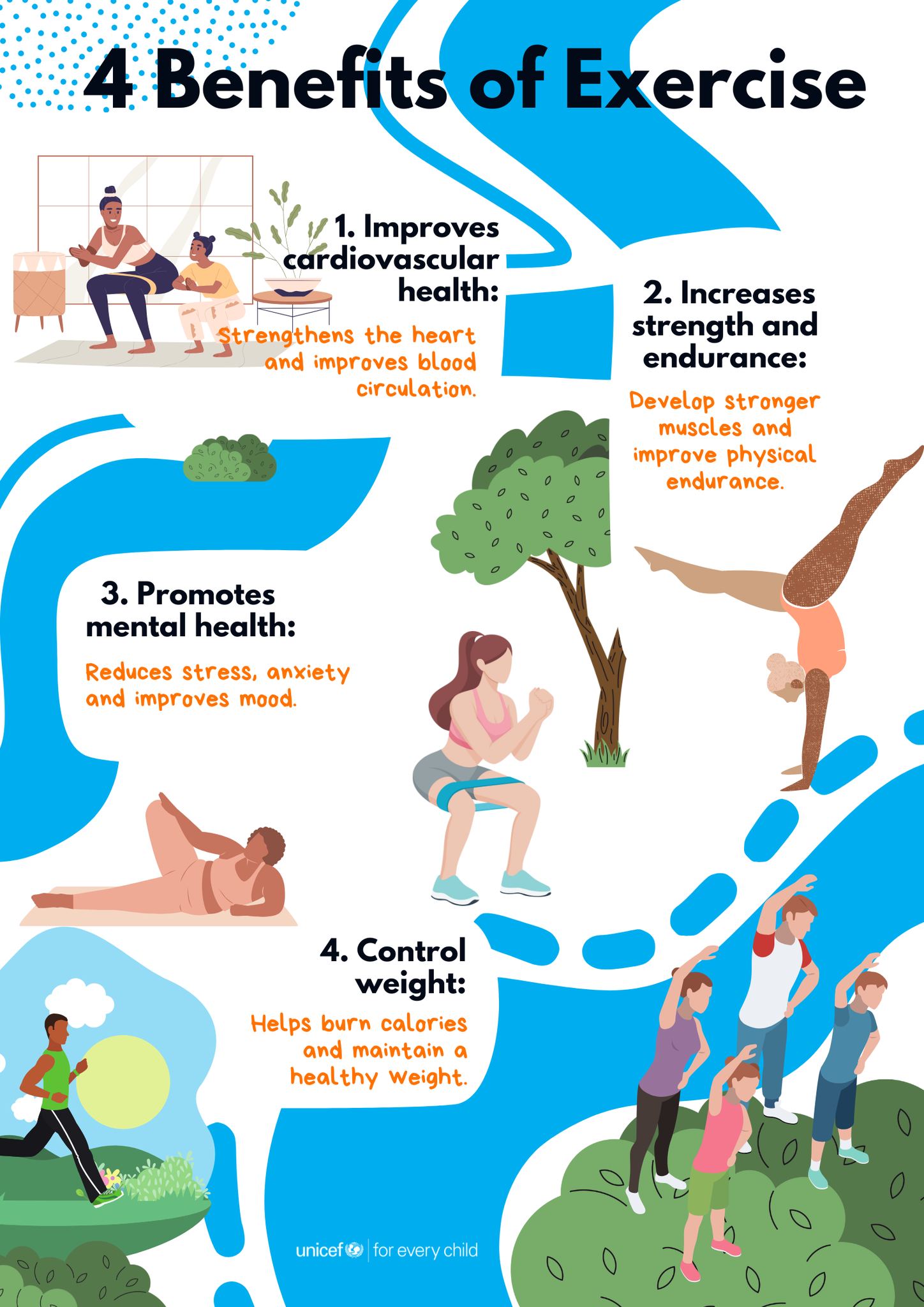
Credit: www.facebook.com
Frequently Asked Questions
How Does Fitness Boost Mental Health?
Regular fitness improves mental health by releasing endorphins, reducing stress, and enhancing mood. Exercise also helps in combating anxiety and depression. Physical activity increases self-esteem and cognitive function. A consistent fitness routine can lead to better sleep and increased resilience, contributing positively to mental well-being.
Can Exercise Reduce Anxiety And Depression?
Yes, exercise can significantly reduce symptoms of anxiety and depression. Physical activity releases endorphins, improving mood and reducing stress. It also promotes neural growth and new activity patterns. Regular exercise can boost self-esteem and provide a sense of achievement, helping to alleviate anxiety and depressive symptoms.
What Type Of Exercise Benefits Mental Health The Most?
Aerobic exercises, like walking, running, and swimming, greatly benefit mental health. These activities increase heart rate and release endorphins. They help reduce stress and anxiety. Activities like yoga and tai chi also enhance mental well-being by promoting relaxation and mindfulness, improving overall mental health.
How Often Should You Exercise For Mental Health?
For optimal mental health benefits, aim to exercise at least 30 minutes a day, five times a week. Consistent physical activity helps manage stress, anxiety, and depression. It’s important to find a routine that you enjoy and can maintain consistently for maximum benefits.
Conclusion
Fitness greatly boosts mental health. It reduces stress and lifts mood. Regular exercise helps clear the mind. It also improves sleep quality. Physical activity builds confidence and resilience. People feel more positive and energized. Fitness creates a sense of achievement.
It fosters social connections too. Joining a fitness group supports mental wellness. Find a routine that suits you. Keep it enjoyable and consistent. Fitness benefits both mind and body. Start small and grow your habit. Prioritize your mental well-being through fitness.
It’s a simple step to a healthier you.