Are you feeling stiff and longing for that fluid, flexible feeling in your body? You’re not alone.
Many people seek out yoga to enhance their flexibility and enjoy the soothing stretch it offers. But with so many styles out there, how do you know which yoga focuses on flexibility and stretching exercises? Imagine unlocking the secrets to a more limber you, effortlessly.
Picture the freedom of moving with ease, feeling lighter and more relaxed in your daily life. We’ll dive into the world of yoga, spotlighting the styles that can transform your flexibility. Get ready to discover which practice is the perfect fit for you and your body’s needs. You won’t want to miss these insights that could change your yoga journey forever. Stay tuned!
Hatha Yoga
Hatha Yoga emphasizes flexibility and stretching exercises. It combines postures and breathing techniques to improve body flexibility. This practice helps in releasing tension and enhancing overall body movement.
Hatha Yoga is a practice that embodies balance and tranquility, making it an ideal choice for those seeking flexibility and stretching exercises. With its gentle approach, Hatha Yoga focuses on slow and mindful movements that enhance your body’s ability to stretch, extend, and ultimately become more agile. If you’ve ever felt the stiffness after a long day, or simply wished to touch your toes without bending your knees, Hatha Yoga might just be your go-to solution.Basic Poses For Flexibility
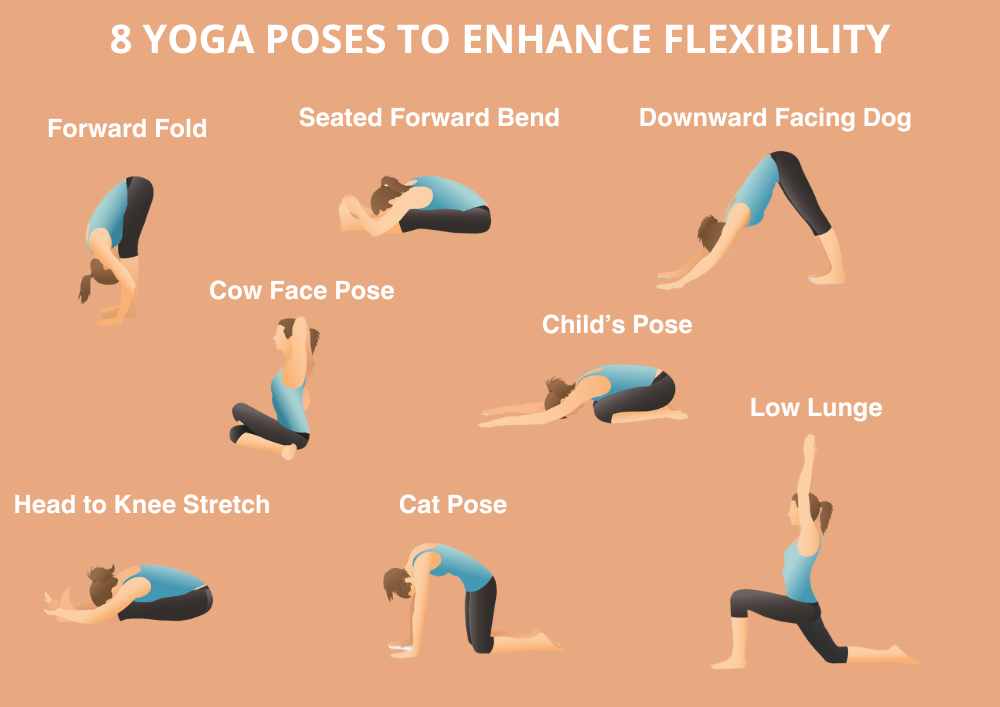
Within Hatha Yoga, several poses are designed specifically to improve flexibility. Consider the Downward Dog, where you stretch your spine and hamstrings, or the Cobra Pose, which opens up the chest and strengthens the back. These poses might seem simple, but they can make a significant difference in how your body feels. You might find it interesting that even the most flexible yogis started with these basic poses. The beauty of Hatha Yoga lies in its simplicity and effectiveness, making it accessible to everyone.Slow And Steady Practice
Hatha Yoga encourages a slow and steady pace, allowing you to connect with each stretch and movement. This practice is not about rushing through poses but about savoring each moment and listening to your body’s needs. It’s easy to underestimate the power of slow movements, but they can profoundly impact your flexibility over time. Have you ever noticed how a prolonged stretch feels more rewarding than a quick one? This is where Hatha Yoga shines, teaching patience and persistence in your journey towards greater flexibility.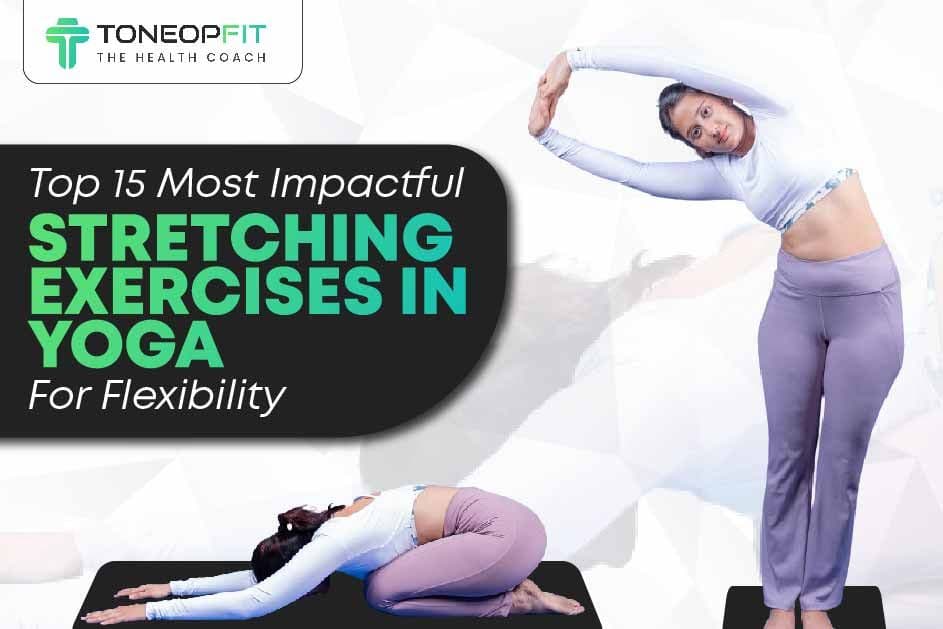
Credit: toneopfit.com
Vinyasa Flow
Vinyasa Flow yoga enhances flexibility and stretches muscles through fluid movements and synchronized breathing. It connects poses smoothly, promoting a balanced body and mind. This style suits those seeking a dynamic practice focused on improving flexibility.
Vinyasa Flow is a popular yoga style that emphasizes flexibility and stretching. It is characterized by smooth transitions between poses. Practitioners often experience increased mobility and relaxation. This style fosters an energetic and fluid approach to yoga.Dynamic Movement
Vinyasa Flow includes dynamic movements that enhance flexibility. Each sequence seamlessly connects one pose to another. This fluidity helps in stretching various muscle groups. The continuous motion keeps the body active and engaged. It encourages deeper stretches with each transition.Synchronizing Breath And Motion
Breath synchronization is vital in Vinyasa Flow. Practitioners learn to pair each movement with a breath. This technique aids in releasing tension and improving focus. The rhythmic breathing promotes relaxation and enhances flexibility. It creates a harmonious balance between mind and body.Yin Yoga
Yin Yoga is perfect for improving flexibility and stretching muscles. It involves holding poses for several minutes to gently stretch deep connective tissues. This practice enhances joint mobility and is suitable for all fitness levels.
Yin Yoga offers a soothing approach to flexibility and stretching. It emphasizes deep connective tissue work, allowing muscles to relax. This style of yoga is slow and gentle, ideal for those seeking increased flexibility. Yin Yoga focuses on holding poses longer, promoting relaxation and release.Passive Stretching
Yin Yoga employs passive stretching techniques. This means muscles stay relaxed while the body stretches. It targets deep tissues, ligaments, and joints, enhancing flexibility. Passive stretching encourages the body to yield naturally to gravity. This approach helps reduce tension and improves range of motion.Longer Pose Holds
Yin Yoga is known for longer pose holds. Each pose lasts from three to five minutes. This duration allows tissues to stretch deeply and safely. Longer holds foster patience and mindfulness, offering a meditative experience. Holding poses longer aids in releasing tightness and enhancing flexibility.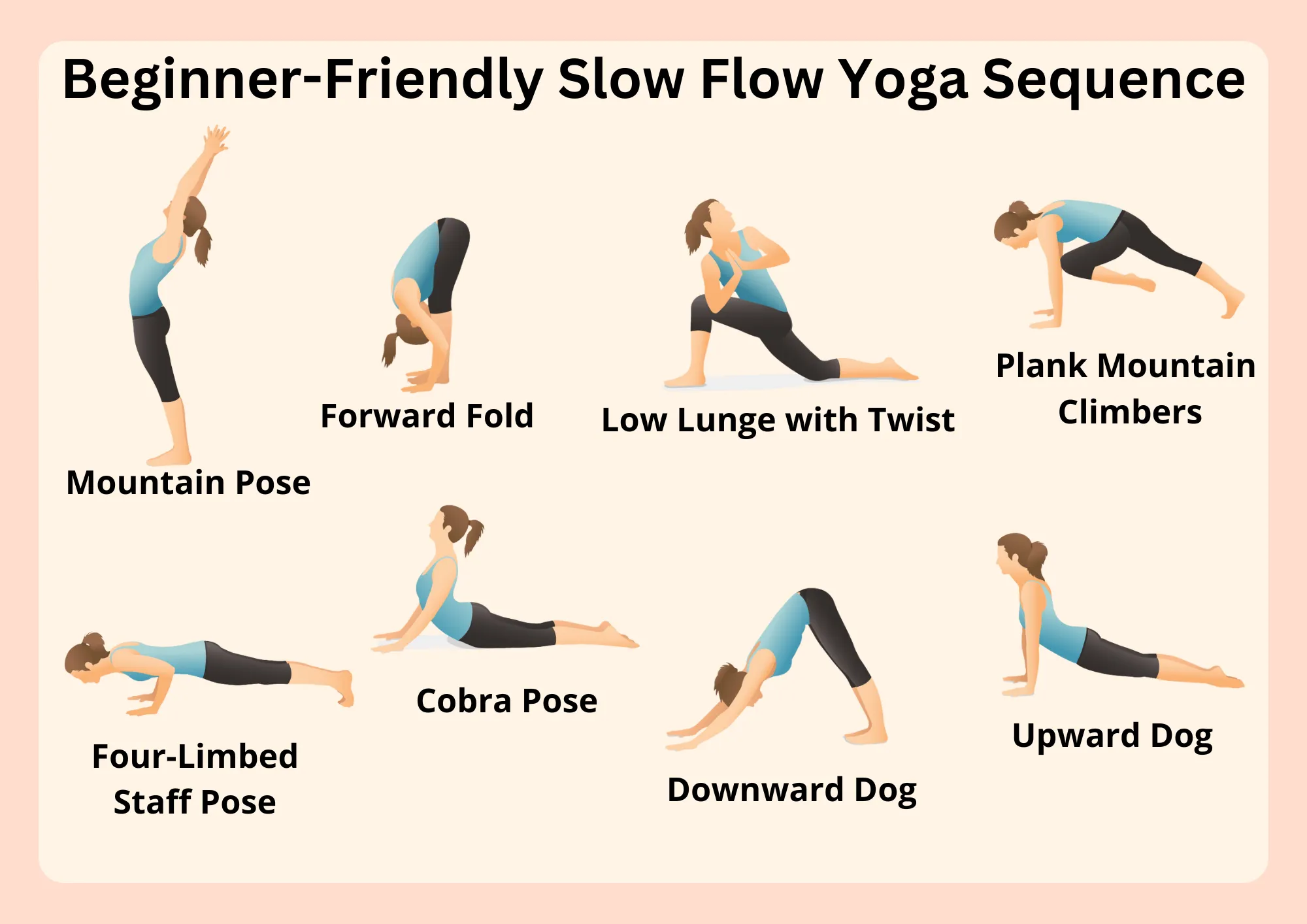
Credit: myyogateacher.com
Ashtanga Yoga
Ashtanga Yoga emphasizes flexibility and stretching through its dynamic sequence of postures. This practice encourages increased mobility and muscle lengthening, enhancing overall flexibility. Regular practice helps improve posture and balance while promoting relaxation and strength.
Ashtanga Yoga is a dynamic and structured style that emphasizes both physical and mental discipline. Known for its energetic sequences and synchronization of breath with movement, Ashtanga Yoga offers a powerful workout that enhances flexibility and strength. If you’re looking to stretch and increase your body’s flexibility, this form of yoga might be your ideal match.Series Of Poses
Ashtanga Yoga is built around a series of poses called vinyasas. These sequences are designed to flow seamlessly from one posture to the next, creating a rhythm that keeps you engaged. Starting with the Primary Series, the poses focus on detoxifying the body and building foundational strength. As you advance, the Intermediate and Advanced Series challenge your flexibility and balance further. The key is consistency; practicing these sequences regularly will lead to noticeable improvements in your flexibility. Can you imagine touching your toes with ease or effortlessly transitioning into complex poses?Building Flexibility Over Time
Flexibility in Ashtanga Yoga doesn’t happen overnight. It’s a gradual process that requires patience and dedication. The repetitive nature of the sequences encourages your muscles to stretch and adapt, allowing for greater range of motion. Consider focusing on your breath as you move through each pose. Deep, controlled breathing not only enhances your practice but also aids in relaxing your muscles, making them more pliable. Over time, you’ll notice a significant increase in your flexibility, which can translate into improved posture and reduced muscle tension. Are you ready to commit to this journey of flexibility and discover what your body is truly capable of?Iyengar Yoga
Iyengar Yoga emphasizes flexibility and stretching through precise poses and alignment. It uses props like blocks and straps, making it accessible for all skill levels. Perfect for enhancing body awareness and improving posture.
Iyengar Yoga is a unique and highly respected style of yoga that places a strong emphasis on precision and detail. Developed by B.K.S. Iyengar, this practice is known for its focus on alignment and the careful execution of each posture. It’s an excellent choice for those looking to improve their flexibility and stretching abilities.Emphasis On Alignment
In Iyengar Yoga, alignment is king. Each pose is meticulously structured to ensure that your body is positioned correctly, which helps prevent injury and maximizes the benefits of the stretch. This focus on alignment encourages you to be present and aware, honing both your mental and physical discipline. Think of alignment as your guide to achieving the perfect stretch. When your body is correctly aligned, you can stretch deeper and more safely. Have you ever felt discomfort in a pose but unsure what to adjust? Iyengar Yoga teaches you to listen to your body and find the optimal position.Use Of Props For Stretching
Props are a hallmark of Iyengar Yoga, transforming how you experience stretches. Blocks, straps, and blankets are not just accessories; they are essential tools that help you achieve poses you might not reach otherwise. They allow you to hold poses longer and with greater stability, enhancing your flexibility over time. Using props can make a world of difference, especially if you’re new to yoga or have physical limitations. Props bridge the gap between where you are and where you want to be in your practice. Have you ever wondered how to ease into a deep stretch without straining? Props provide that support, making every stretch accessible and effective. Iyengar Yoga’s methodical approach can be transformative for your flexibility journey. Would you consider giving it a try to enhance your stretching practice?Bikram Yoga
Bikram Yoga emphasizes flexibility and stretching exercises through a series of 26 challenging poses. Practiced in a heated room, it enhances muscle flexibility and promotes detoxification. This yoga style is ideal for those seeking to improve flexibility and endurance.
Bikram Yoga is a specific style of yoga that is renowned for its focus on flexibility and stretching exercises. This practice involves a set series of 26 postures and two breathing exercises. All classes are conducted in a room heated to around 105°F (40°C) with 40% humidity, creating a challenging environment that promotes sweating and enhances the body’s flexibility.Hot Environment Benefits
Practicing yoga in a heated room has several advantages. The warmth helps to increase blood flow, making it easier for muscles to stretch and lengthen. This can lead to improved flexibility and a reduced risk of injury. Moreover, the heat encourages sweating, which can aid in detoxifying the body. Sweating helps to flush out toxins, leaving you feeling refreshed and revitalized. Have you ever noticed how a good sweat session can clear your mind and improve your mood?Intense Stretching Sequences
Bikram Yoga is known for its intense stretching sequences that target every major muscle group. The series of postures is designed to systematically work through each part of the body, promoting overall flexibility. In particular, poses like the standing bow pose and the triangle pose focus on deep stretching, which can be challenging yet rewarding. You might find that your body reaches new levels of flexibility after just a few sessions. Can you imagine touching your toes with ease or bending into a deep backbend effortlessly? The structured nature of Bikram Yoga can also help you track your progress over time, offering a tangible way to measure improvements in your flexibility.Power Yoga
Power Yoga emphasizes flexibility and stretching exercises. It enhances muscle strength and increases body flexibility. This dynamic practice combines traditional yoga poses with intense movements.
Power Yoga is a vigorous style of yoga. It focuses on building strength and flexibility. This modern yoga practice is derived from Ashtanga yoga. It combines dynamic movements with deep breathing. Power Yoga is ideal for those seeking a full-body workout. It challenges both body and mind. Each session leaves you feeling energized and flexible.Strength And Flexibility Balance
Power Yoga offers a unique balance of strength and flexibility. It engages multiple muscle groups. Each pose requires strength to maintain. At the same time, it stretches the body deeply. This dual focus helps build muscle while enhancing flexibility. Regular practice can lead to improved posture. It also reduces the risk of injury.Challenging Poses For Stretching
Power Yoga includes challenging poses for deep stretching. These poses target major muscle groups. They help improve flexibility over time. Some popular poses include:- Downward-Facing Dog: Stretches the back and legs.
- Warrior Pose: Opens the hips and strengthens the legs.
- Triangle Pose: Stretches the sides and spine.
- Extended Side Angle: Targets the groin and shoulders.
Restorative Yoga
Restorative yoga emphasizes flexibility and stretching exercises. It uses gentle poses and props to relax the body deeply. This practice helps in easing tension and improving overall flexibility.
Restorative Yoga is a gentle, calming practice that prioritizes relaxation and healing. Perfect for unwinding after a busy day, it emphasizes poses that are held for longer periods, supported by props like blankets and bolsters. This nurturing approach allows your body to release tension and enhances flexibility in a soothing environment. It’s not just about stretching; it’s a holistic experience that calms the mind while gently working on your body’s flexibility.Gentle Stretching
Restorative Yoga invites you to embrace gentle stretching. You might find yourself in a pose that stretches your muscles subtly, easing them into relaxation. This practice can be particularly beneficial if you’re new to yoga or recovering from an injury. Imagine lying back, supported by cushions, as your body effortlessly stretches, releasing the built-up tension of the day. Doesn’t that sound like a wonderful way to care for your body?Relaxation And Flexibility
In Restorative Yoga, relaxation is integral to enhancing flexibility. When your mind and body are relaxed, your muscles are more willing to stretch. Consider how different you feel when stress melts away—your body becomes more pliable, ready to explore new ranges of motion. Incorporating Restorative Yoga into your routine might be the key to unlocking those tight hamstrings or shoulders. As you lie in a pose, supported and serene, flexibility becomes a natural outcome of your newfound relaxation.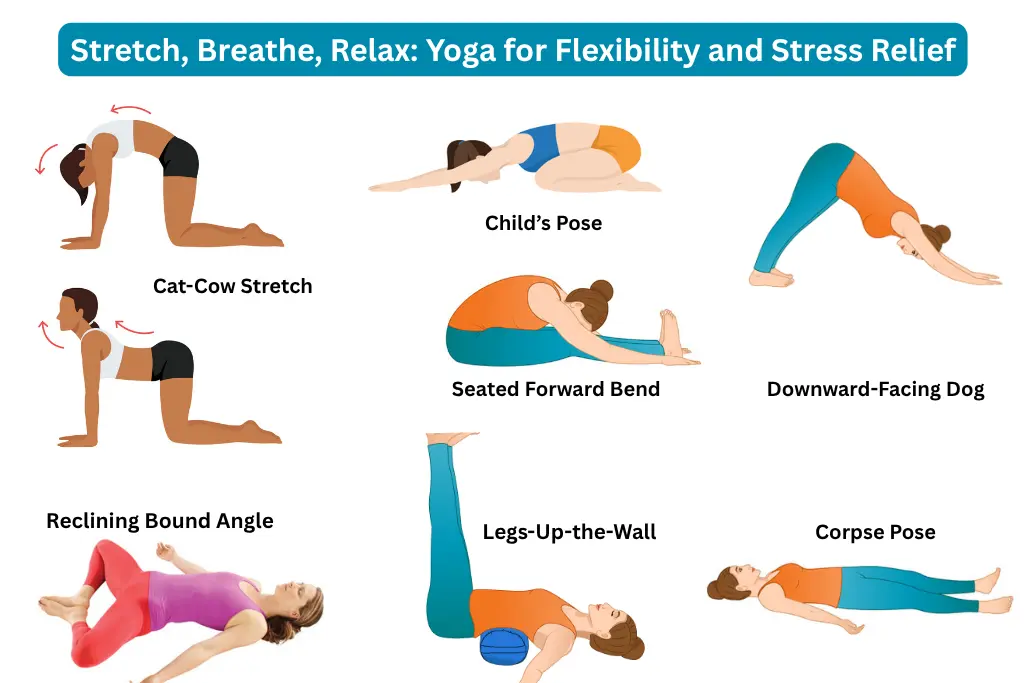
Credit: yogavibeshub.com
Frequently Asked Questions
What Yoga Style Improves Flexibility?
Hatha yoga is known for improving flexibility. It combines postures with breathing techniques to stretch muscles effectively. Regular practice can enhance joint mobility and muscle elasticity. This style is suitable for beginners and those looking to increase their range of motion gently.
How Does Yoga Boost Stretching Ability?
Yoga enhances stretching ability through consistent practice of asanas. These poses target various muscle groups, promoting elongation and flexibility. Breathing techniques help in relaxing muscles, allowing deeper stretches. Over time, yoga can significantly improve flexibility, aiding in better posture and reduced injury risk.
Which Yoga Poses Aid Flexibility?
Certain yoga poses like Downward Dog and Triangle Pose are excellent for flexibility. They focus on elongating muscles and improving joint mobility. Regular practice of these poses can lead to increased flexibility, better balance, and enhanced muscle strength, making them ideal for flexibility-focused routines.
Is Yoga Suitable For All Fitness Levels?
Yes, yoga is suitable for all fitness levels. It offers modifications to cater to beginners and advanced practitioners alike. Yoga focuses on flexibility, balance, and strength, allowing individuals to progress at their own pace. It’s ideal for enhancing overall physical and mental well-being.
Conclusion
Yoga offers a variety of styles focused on flexibility. Choose the one that suits your needs. Try Hatha for gentle stretching. Vinyasa flows smoothly, enhancing flexibility. Yin targets deep muscle stretching. Each style has unique benefits. Practicing regularly improves body movement.
It also enhances mental clarity. Listen to your body. Start slow and progress gradually. Flexibility comes with time and practice. Enjoy your journey towards a more flexible body. Embrace the changes yoga brings. Feel the difference in your daily life.
Yoga connects body and mind harmoniously. Keep stretching, keep growing.