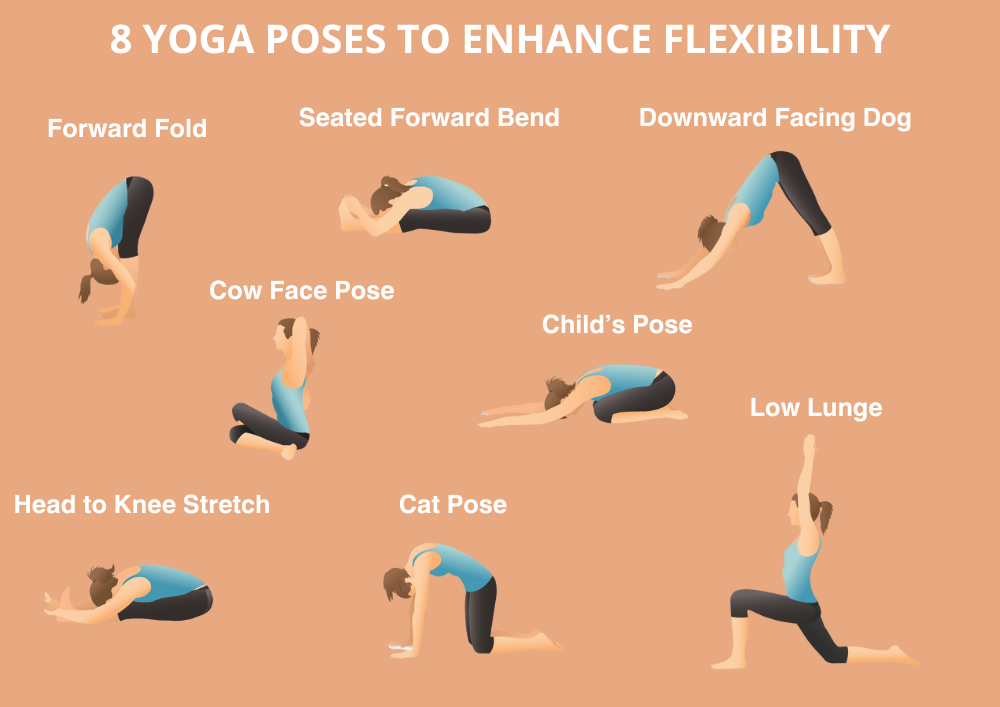
Have you ever wondered which type of yoga will transform your flexibility the most? Imagine moving with ease, grace, and confidence, feeling your body stretch and bend in ways you never thought possible.
Flexibility isn’t just about touching your toes; it’s about unlocking potential in every part of your body. Yoga is a powerful tool to achieve this, but with so many styles out there, it can be tricky to know which one will truly enhance your flexibility.
We’ll dive into the world of yoga and reveal which practice can turn you into the most flexible version of yourself. Ready to discover the secret to becoming more limber and agile? Let’s get started!
Hatha Yoga
Hatha Yoga enhances flexibility through gentle poses and mindful breathing. It stretches muscles, increases range of motion, and improves posture. Regular practice leads to greater agility and balance.
Hatha Yoga is often regarded as the foundation of modern yoga practices. It emphasizes balance, strength, and flexibility, making it an excellent choice for those looking to improve their physical flexibility. Unlike more dynamic styles, Hatha Yoga focuses on slow-paced stretching and holding poses for longer periods, allowing your body to gradually open up and extend its range of motion.Benefits For Flexibility
Engaging in Hatha Yoga can significantly enhance your flexibility. The slow, deliberate movements allow you to focus on each stretch, ensuring that your muscles are fully engaged. Holding poses for extended periods encourages a deeper stretch, helping your body become more limber over time. Regular practice can lead to improved joint mobility, reduced muscle tension, and a greater ease in performing everyday activities. Have you ever noticed how your body feels after a good stretch? Hatha Yoga can be your gateway to experiencing that feeling more consistently.Typical Poses
Hatha Yoga includes poses that are particularly effective for increasing flexibility.- Downward Dog:This pose stretches the hamstrings, calves, and shoulders while strengthening the arms and legs.
- Cobra Pose:It opens up the chest and stretches the spine, promoting a flexible back.
- Forward Bend:A classic pose that targets the hamstrings and lower back, providing a deep stretch.
- Triangle Pose:This pose helps improve balance and stretches the sides of the body.
Vinyasa Yoga
Vinyasa Yoga, known for its fluid movements, enhances flexibility through dynamic sequences. This style synchronizes breath with motion, gradually increasing flexibility. It’s ideal for those seeking a flexible body.
Vinyasa Yoga is a popular style for increasing flexibility. It connects breath with movement. This yoga style consists of a continuous flow of poses. Each transition is smooth, creating a harmonious sequence. It is both challenging and rewarding. Vinyasa’s dynamic nature helps improve flexibility. It also builds strength and balance.Flow And Flexibility
The flow in Vinyasa Yoga enhances flexibility. It keeps the body in motion. This constant movement warms up muscles. Warm muscles stretch more easily. Each pose flows into the next. This continuity helps the body become more limber. Flexibility improves with each session. The flow also engages the mind. It brings focus and awareness to the practice. This mental engagement aids in physical relaxation. Relaxation leads to deeper stretches.Dynamic Sequences
Dynamic sequences are key in Vinyasa Yoga. They involve a variety of poses. Each sequence targets different muscle groups. This variety prevents monotony. It keeps the practice interesting. Dynamic sequences challenge the body. They push boundaries. This challenge promotes flexibility. The sequences are adaptable. They can be modified for different levels. Beginners and advanced practitioners can benefit. Dynamic sequences build endurance. They improve overall body coordination. This makes the practice holistic. It supports physical and mental well-being.Yin Yoga
Yin Yoga is a unique style that emphasizes passive poses held for extended periods. This approach targets the deep connective tissues, such as ligaments, joints, and fascia. It’s like a gentle massage for your body, allowing you to sink deeper into stretches and enhance your flexibility. If you’re looking to improve your range of motion without the intensity of other yoga styles, Yin Yoga might be your perfect match.
Deep Stretching
Deep stretching in Yin Yoga involves holding poses for several minutes. This prolonged duration helps to slowly lengthen and strengthen the connective tissues. Imagine the sensation of gradually unraveling a knot; this is how your body feels as it releases tension.
The beauty of Yin Yoga lies in its simplicity. You don’t need to push hard to feel the benefits. The longer you hold a pose, the more your muscles and joints relax and open up. Are you ready to challenge your patience and feel your body transform?
Poses For Joint Flexibility
Yin Yoga offers specific poses that cater to joint flexibility. Poses like the Butterfly and the Dragon are excellent for opening up the hips and groin. These poses encourage relaxation and release tightness around the joints.
- Butterfly Pose:Sit with your feet together and knees apart. Allow gravity to gently pull your knees toward the floor.
- Dragon Pose:Step one foot forward, bending the knee while extending the other leg back. Feel the stretch in your hip flexors and quads.
Embrace the discomfort and notice how your body responds over time. Have you considered how these poses might integrate into your daily routine for lasting flexibility?
Ashtanga Yoga
Ashtanga Yoga is known for improving flexibility through its dynamic poses and sequences. It involves flowing movements and breath synchronization. Regular practice helps stretch and strengthen muscles, making the body more supple.
Ashtanga Yoga is a dynamic form of yoga. It is known for its structured series of poses. This practice builds strength and flexibility. Ashtanga Yoga involves synchronized breath and movement. This creates a flowing sequence of postures. It is practiced in a specific order. Each movement connects with the next, like a dance.Rigorous Practice
Ashtanga Yoga requires dedication. Practitioners follow a set routine daily. The routine is physically demanding. It challenges both the body and mind. Regular practice helps improve endurance. The poses are held for specific breaths. This increases muscle engagement. It also enhances concentration and focus. Consistency leads to noticeable progress.Flexibility Progression
Ashtanga Yoga significantly improves flexibility. The structured series targets all muscle groups. Each pose prepares for the next. This ensures gradual stretching and strengthening. Over time, practitioners experience increased range of motion. The repetitive nature helps deepen flexibility. It encourages muscles to lengthen naturally. With persistence, tightness diminishes. The body becomes more agile and supple.Bikram Yoga
Bikram Yoga enhances flexibility through its sequence of 26 postures performed in a heated room. The warmth helps muscles stretch safely and deeply, increasing flexibility over time. Regular practice can lead to noticeable improvements in joint and muscle suppleness.
Bikram Yoga is a popular style known for its unique approach. Practiced in a heated room, it involves a sequence of 26 poses and two breathing exercises. This heat-based practice aims to enhance flexibility and detoxify the body. Many people find it effective for improving joint and muscle movement. The consistent sequence helps practitioners track progress over time.Heat And Flexibility
The heated environment in Bikram Yoga plays a crucial role. The high temperatures warm up the muscles, making them more pliable. This warmth allows deeper stretches, reducing injury risk. Sweating in the heat helps in eliminating toxins from the body. This process contributes to overall physical wellness. The heat also aids in improving circulation. Better circulation supports muscle growth and flexibility.Key Poses
Bikram Yoga’s sequence consists of poses focused on flexibility. Each pose targets different areas of the body.- Standing Bow Pose: Enhances balance and stretches the spine.
- Triangle Pose: Opens hips and strengthens legs.
- Camel Pose: Deep backbend improving spine flexibility.
- Rabbit Pose: Stretches the back and shoulders.
- Locust Pose: Strengthens the back and increases flexibility.
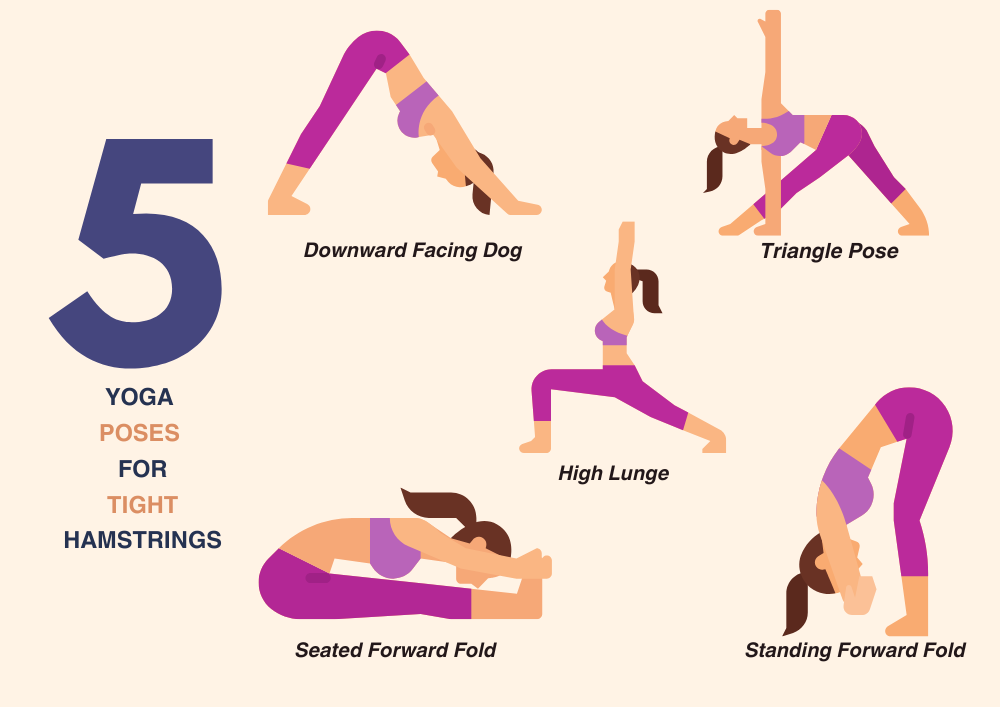
Credit: myyogateacher.com
Iyengar Yoga
Iyengar Yoga offers a gentle path to enhancing flexibility. It emphasizes precision and alignment in every pose. Founded by B.K.S. Iyengar, this practice is suitable for beginners and advanced students alike. It builds strength and improves flexibility over time.
Alignment Focus
Alignment is key in Iyengar Yoga. This style teaches proper body positioning in each pose. Accurate alignment prevents injury and enhances muscle stretch. It also promotes balanced muscle use, leading to increased flexibility. With regular practice, you gain a deeper understanding of body mechanics.
Props For Flexibility
Props play a crucial role in Iyengar Yoga. They include blocks, straps, and blankets. These tools support your body in various poses. They help you reach deeper stretches safely. Props make challenging poses accessible, regardless of your flexibility level. They encourage gradual progress and boost confidence.
Kundalini Yoga
Kundalini Yoga enhances flexibility through dynamic postures and breathing techniques. It targets spinal strength and unlocks energy flow. Practicing regularly, it gradually improves flexibility, fostering both physical and mental balance.
Kundalini Yoga is a powerful practice aimed at awakening energy within. It combines postures, breath work, and meditation. This yoga type often enhances flexibility and strengthens the body. It focuses on the spine and energy centers, or chakras. Many find it transformative for both mind and body.Energy And Flexibility
Kundalini Yoga energizes your body and mind. It focuses on unlocking potential energy. This energy flows through the spine. As this energy moves, it enhances flexibility. The practice involves specific poses. These poses stretch and strengthen muscles. They also improve balance and posture. With regular practice, you may notice increased agility.Breathing Techniques
Breathing is crucial in Kundalini Yoga. It helps control energy flow. Specific breathing patterns enhance flexibility. Deep breaths increase oxygen in the body. This oxygen helps muscles relax and stretch. Techniques like Breath of Fire can be invigorating. They support the body in reaching deeper stretches. Regular practice of these techniques can lead to noticeable improvements.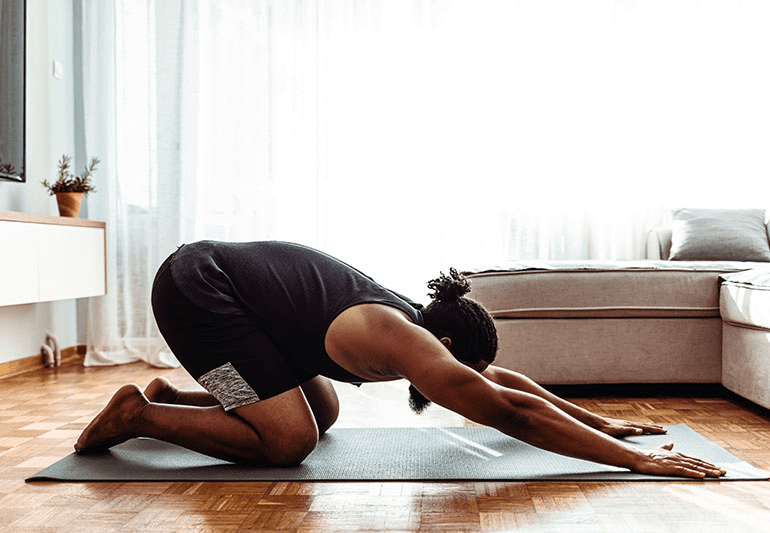
Credit: health.clevelandclinic.org
Choosing The Right Yoga
Vinyasa yoga offers a dynamic flow of movements that enhance flexibility. Hatha yoga focuses on gentle poses, perfect for beginners seeking gradual flexibility improvement. Both styles encourage regular practice for noticeable flexibility gains.
Choosing the Right Yoga When you think about becoming more flexible, the type of yoga you choose can make a world of difference. There’s a wide variety of yoga styles out there, each with its own focus and benefits. Picking the right one for your flexibility journey isn’t just about diving into the first class you find—it’s about aligning your practice with your personal needs and preferences.Personal Goals
Understanding your personal goals is crucial. Are you looking to touch your toes or perform an impressive backbend? Identify what flexibility means for you. Some styles like Hatha Yoga offer a gentle approach, perfect for beginners easing into flexibility. If you aim for more dynamic flexibility, Power Yoga might be your best bet, combining strength and agility.Listening To Your Body
Your body knows best. Pay attention to what feels right and what doesn’t. In yoga, it’s easy to get caught up in the pose perfection game. Remember, it’s not about how deep you can stretch but how safely you can reach your edge. Avoid pushing past discomfort. Try different styles like Yin Yoga, which focuses on deep, passive stretches that enhance flexibility by holding poses longer. This slow pace helps you tune into your body’s signals, ensuring you progress safely and effectively. So, what’s your body telling you today?
Credit: www.yogabasics.com
Frequently Asked Questions
What Yoga Style Improves Flexibility Most?
Vinyasa yoga is renowned for enhancing flexibility. It incorporates dynamic movements and stretches that target various muscle groups. The continuous flow of poses allows muscles to lengthen and strengthen. Regular practice can significantly improve range of motion and flexibility.
How Does Yoga Increase Flexibility?
Yoga increases flexibility by stretching muscles and improving joint mobility. It encourages mindful breathing and relaxation, which helps release tension. Over time, consistent yoga practice elongates muscles and enhances body awareness. This leads to improved flexibility and posture.
Is Hatha Yoga Effective For Flexibility?
Yes, Hatha yoga is effective for flexibility. It focuses on holding poses longer, which promotes deep stretching. This yoga style is gentle and suitable for beginners. Regular practice helps increase muscle elasticity and joint mobility, enhancing overall flexibility.
Can Beginners Improve Flexibility With Yoga?
Absolutely, beginners can improve flexibility with yoga. Gentle styles like Hatha or Yin yoga are ideal for newcomers. These practices focus on gradual stretching and mindful breathing. With consistent practice, beginners can safely increase their flexibility and strength.
Conclusion
Yoga offers many paths to greater flexibility. Each style has unique benefits. Hatha yoga is gentle and focuses on basic poses. Vinyasa flows smoothly, improving both flexibility and endurance. Yin yoga targets deep tissues, increasing stretch and mobility. Ashtanga is intense but rewards with strength and flexibility.
Bikram, practiced in heat, enhances stretch. Choose a style that fits your body and goals. Regular practice brings results. Listen to your body. Flexibility grows with patience and consistency. Yoga invites you to explore your limits. Enjoy the journey to a more flexible you.