
Are you looking to boost your flexibility but unsure whether Pilates or Yoga is the right choice for you? Both practices are celebrated for their ability to enhance flexibility, but which one truly offers more benefits for your body?
Imagine finally being able to touch your toes or twist into that elusive pose with ease. The secret might just lie in choosing the right practice tailored to your goals. You’ll discover the key differences between Pilates and Yoga when it comes to increasing flexibility.
By the end, you’ll have a clearer vision of which path will lead you to a more limber, agile you. Ready to unlock the secrets to a more flexible body? Let’s dive in and find out which practice reigns supreme!

Credit: www.theknowledgeacademy.com
Pilates: Fundamentals And Techniques
Pilates focuses on controlled movements and core strength, enhancing flexibility efficiently. Yoga, with its deep stretches and poses, also significantly boosts flexibility. Each offers unique benefits, catering to different flexibility goals and preferences.
Pilates offers a unique approach to enhancing flexibility through its fundamentals and techniques. Developed by Joseph Pilates in the early 20th century, it emphasizes controlled movements and precise breathing. Pilates focuses on strengthening the body’s core, improving posture, and increasing overall body awareness. These principles help practitioners attain a balanced and flexible body, making Pilates a valuable practice for those seeking greater flexibility.Core Principles Of Pilates
Pilates is grounded in several core principles that guide its practice. Concentration is key, ensuring each movement is performed with mindful awareness. Control is essential, with exercises executed smoothly and precisely. Centering involves engaging the body’s core, providing stability and strength. Breath is integrated into movements, promoting relaxation and efficiency. Flow ensures exercises transition seamlessly, creating a graceful routine. Precision in movement leads to improved muscle function and flexibility.Key Pilates Exercises For Flexibility
Certain Pilates exercises are particularly effective for enhancing flexibility. The “Roll-Up” stretches the spine and hamstrings, promoting fluidity. “Swan Dive” engages the back and shoulders, increasing upper body flexibility. “Spine Stretch Forward” focuses on elongating the spine, relieving tension. “Saw” combines rotation and stretch, enhancing oblique flexibility. “Leg Circles” improve hip flexibility and coordination. These exercises, performed regularly, gradually increase flexibility throughout the body.Benefits Of Pilates For Flexibility
Pilates offers numerous benefits for those seeking improved flexibility. It strengthens and stretches muscles simultaneously, promoting balanced flexibility. Regular practice helps prevent muscle stiffness and joint pain. Pilates enhances posture, reducing strain on the body. It increases range of motion, making daily activities easier. The mindful nature of Pilates reduces stress, contributing to overall well-being. These benefits make Pilates an excellent choice for improving flexibility.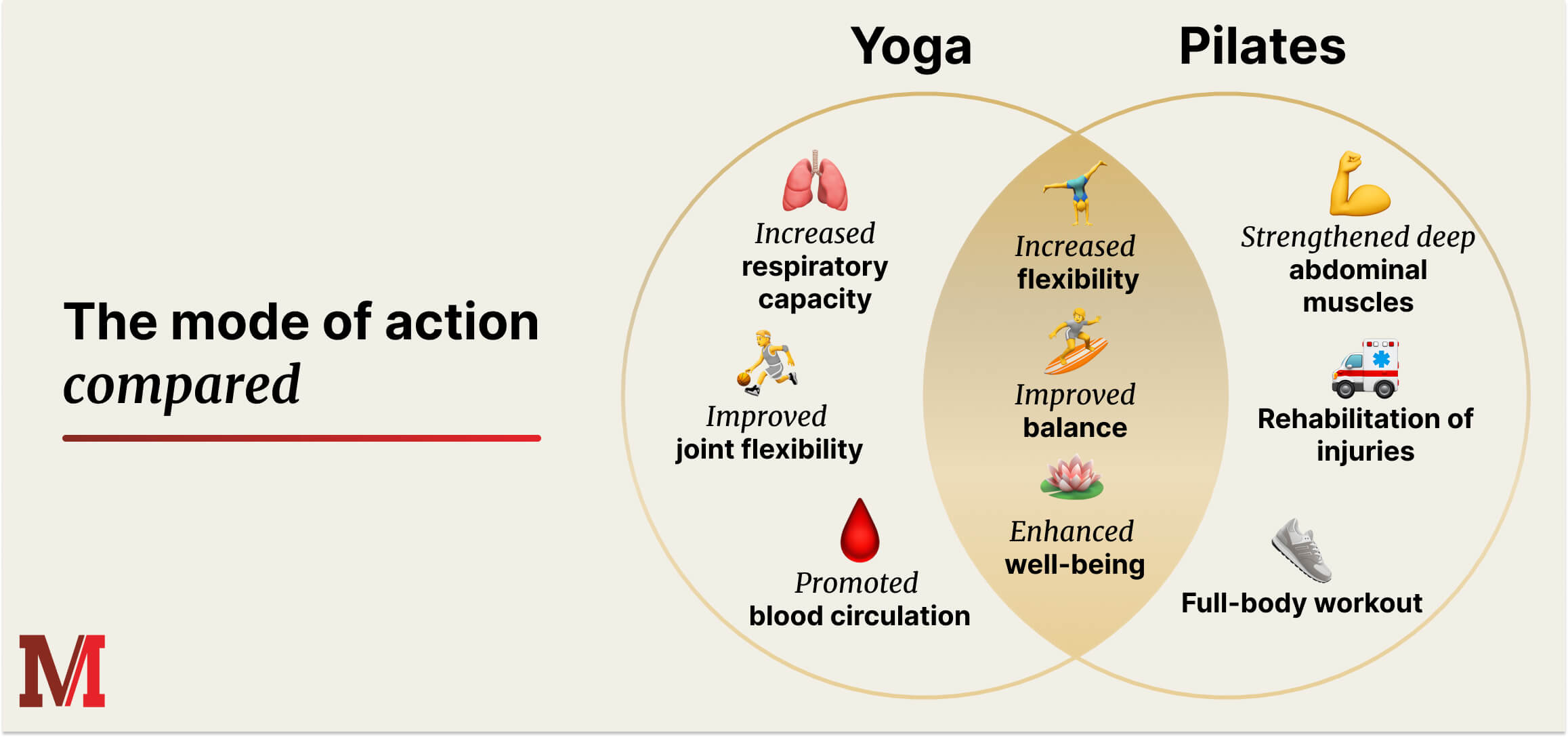
Credit: www.massageliegenhaus.com
Yoga: Basics And Practices
Yoga enhances flexibility through gentle stretches and poses. Pilates focuses on core strength, offering structured movements. Both improve flexibility, but yoga emphasizes stretching and breathing.
Yoga: Basics and Practices Yoga is a holistic practice that combines physical postures, breathing techniques, and meditation to promote overall well-being. It’s not just about bending and twisting your body into various poses; it’s about finding a balance between mind, body, and spirit. Many people turn to yoga not only for its physical benefits but also for its ability to calm the mind and reduce stress. By practicing yoga, you can improve your flexibility, strength, and mental clarity. It teaches you how to listen to your body and respect its limits, gradually enhancing your physical capabilities. But how exactly does yoga increase your flexibility, and why should you consider adding it to your routine?Fundamental Yoga Principles
Yoga is built on several core principles that guide its practice. These include alignment, breath control, and mindful awareness. Alignment ensures that your body is in the correct posture, preventing injury and promoting effective stretching. Breath control, or pranayama, is vital in yoga. It helps you focus, relax, and deepen your stretches. Mindful awareness encourages you to stay present, appreciating each movement and breath. Together, these principles create a comprehensive approach to flexibility and overall health.Popular Yoga Poses For Flexibility
There are numerous yoga poses specifically designed to enhance flexibility. These poses target different areas of the body, from your hamstrings to your spine. Some popular poses include:- Downward Dog:This pose stretches your hamstrings, calves, and shoulders.
- Cat-Cow Stretch:A gentle flow between two poses that improves flexibility in your spine.
- Forward Bend:Perfect for stretching your back and hamstrings.
- Butterfly Pose:Opens up your hips and inner thighs.
Advantages Of Yoga For Flexibility
Yoga offers several advantages for enhancing flexibility. First, it promotes gradual stretching, which is safer and more effective than sudden, intense movements. You can start at your own pace, making yoga accessible to everyone, regardless of their flexibility level. Additionally, yoga encourages consistency. Regular practice leads to steady improvement, and the results are often long-lasting. It also enhances joint mobility, reduces muscle stiffness, and improves posture. Have you ever noticed how your mood improves after a yoga session? The mind-body connection in yoga helps reduce stress and enhances your mood, making it an ideal practice for both physical and mental flexibility. Are you ready to experience how yoga can transform your flexibility? Consider incorporating these principles and poses into your routine and see the changes unfold.Comparing Pilates And Yoga
Flexibility is vital for a healthy body. Pilates and Yoga are popular choices to enhance flexibility. Both practices offer unique benefits, making it hard to choose between them. Understanding their similarities and differences can help make an informed decision.
Similarities In Flexibility Enhancement
Pilates and Yoga both focus on stretching and strengthening muscles. They improve joint mobility, making everyday movements easier. Breathing techniques play a crucial role in both, helping relax muscles and increase stretch capacity. Regular practice can lead to better posture and reduced muscle tension.
Differences In Approach And Focus
Pilates targets core strength, using controlled movements. It often involves equipment like reformers, adding resistance for deeper stretches. Yoga emphasizes balance and mindfulness. It includes various poses, fostering mental relaxation and body awareness. Each pose aims to stretch different muscle groups.
Scientific Evidence
When it comes to increasing flexibility, both Pilates and yoga have gained popularity for their unique approaches and benefits. But which one truly excels in enhancing flexibility? Scientific evidence provides valuable insights, helping you make an informed decision based on research findings. Let’s delve into the studies and discover what science has to say about Pilates and yoga in terms of flexibility.
Studies On Pilates And Flexibility
Research has shown that Pilates can significantly improve flexibility. A study published in the Journal of Sports Science and Medicine found that participants who practiced Pilates regularly experienced notable improvements in hamstring and lower back flexibility. These exercises target specific muscle groups, promoting a greater range of motion.
Another study highlighted the benefits of Pilates for older adults. It demonstrated improved overall body flexibility, which can contribute to better mobility and reduced risk of injury. Pilates exercises often incorporate controlled movements and stretching, making them effective in enhancing flexibility.
Research On Yoga And Flexibility
Yoga is well-known for its flexibility-enhancing properties. A study in the International Journal of Yoga observed substantial flexibility improvements in participants practicing yoga for eight weeks. The poses and stretches in yoga target multiple muscle groups, encouraging flexibility through regular practice.
Moreover, yoga has been linked to increased flexibility due to its focus on breath control and muscle relaxation. This holistic approach not only improves physical flexibility but also enhances mental well-being, providing a comprehensive benefit package.
Which practice aligns with your lifestyle and goals? Whether you choose Pilates or yoga, remember that consistency is key. Both offer pathways to greater flexibility, supported by scientific research. The decision ultimately rests on what resonates more with your personal preferences and needs.
Choosing The Right Practice
Pilates and yoga both enhance flexibility but in distinct ways. Pilates focuses on core strength and posture, while yoga emphasizes stretching and balance. Consider your specific needs and goals to decide which suits you better.
Choosing the right practice between Pilates and Yoga can significantly affect your journey toward increased flexibility. Both practices offer unique benefits, but understanding your personal needs and goals will help you make a more informed decision. Let’s explore how each practice caters to different flexibility requirements and how you might even combine them for the best results.Assessing Personal Needs And Goals
Before diving into a routine, take a moment to assess what you really want to achieve. Are you aiming for improved posture, reduced stress, or simply greater flexibility? Each goal might lead you to a different choice. Pilates often emphasizes strengthening core muscles, making it ideal if you want to build stability along with flexibility. If your flexibility goals are tied to mental calmness and stress reduction, Yoga offers a meditative approach with deep stretching. Reflect on your lifestyle and physical conditions. Perhaps your schedule only allows short workouts, making a quick Pilates session more feasible. Or maybe you find solace in the slow, mindful movements of Yoga. What resonates with you?Combining Pilates And Yoga For Optimal Flexibility
Why choose just one when you can have the benefits of both? Integrating Pilates and Yoga into your routine can offer a balanced approach to flexibility. Consider alternating between them throughout the week. Start with Pilates to engage your core muscles, then transition to Yoga for deep stretches and relaxation. This combination can help you achieve a well-rounded flexibility and strength that supports overall health. Track your progress. Notice how your body feels after incorporating both practices. Are you experiencing less tension or greater ease in movement? This holistic strategy might be the key to unlocking your flexibility potential. What about trying a fusion class? Some fitness centers offer classes that blend elements of both Pilates and Yoga. These sessions can provide a dynamic workout that challenges your body in new ways, keeping your fitness routine exciting and effective.
Credit: www.instagram.com
Expert Opinions
Deciding between Pilates and Yoga for increasing flexibility can be challenging. Both disciplines offer unique benefits and approaches. To make an informed choice, it helps to hear from experts in each field. Their insights can guide you in understanding which practice may better suit your flexibility goals.
Insights From Pilates Instructors
Pilates instructors emphasize core strength and control. They believe these are key for flexibility. Pilates focuses on aligning the body. This alignment supports muscle extension and elasticity. Instructors often highlight the importance of precision in movements. This precision enhances muscle stretch and joint flexibility. Pilates exercises often target smaller muscle groups. These groups are crucial for overall flexibility. Instructors also note the benefits of Pilates equipment. Machines like the Reformer can aid in deeper stretches.
Perspectives From Yoga Teachers
Yoga teachers often focus on the holistic aspects of flexibility. They view flexibility as part of overall well-being. Yoga combines stretching with mindfulness and breath control. Teachers believe this combination enhances flexibility naturally. Different yoga styles offer varied flexibility benefits. For example, Vinyasa flows encourage dynamic stretching. Yin yoga focuses on holding poses to deepen stretches. Teachers also stress the mental benefits. A calm mind can lead to a more flexible body.
Frequently Asked Questions
Is Pilates Better For Flexibility Than Yoga?
Pilates and yoga both enhance flexibility, but in different ways. Pilates focuses on core strength and controlled movements. Yoga emphasizes stretching and breath control. The choice depends on individual preferences and goals. Some find Pilates better for core flexibility, while others prefer yoga for overall body flexibility.
Which Is Easier For Beginners, Pilates Or Yoga?
Both Pilates and yoga offer beginner-friendly classes. Yoga often provides a slower introduction to flexibility exercises. Pilates is known for its structured approach with equipment. Beginners may choose based on personal comfort and class availability. Trying both can help determine which suits individual needs better.
Can Pilates Improve Flexibility Fast?
Pilates can enhance flexibility quickly with regular practice. It emphasizes controlled movements and stretching. Core exercises in Pilates improve posture and balance. Consistent sessions lead to noticeable flexibility improvements. Results vary based on individual commitment and fitness level. Combining Pilates with other exercises can enhance outcomes.
Does Yoga Help With Muscle Flexibility?
Yoga is excellent for improving muscle flexibility. It uses poses and stretches to lengthen muscles. Breathing techniques in yoga enhance relaxation and flexibility. Regular yoga practice increases range of motion and reduces muscle tension. It’s suitable for all fitness levels and offers holistic benefits.
Conclusion
Pilates and yoga both boost flexibility. Your choice depends on your needs. Pilates focuses on core strength and controlled movements. Yoga emphasizes stretching and balance. Each offers unique benefits. Try both to see what fits you best. Consider your fitness goals and preferences.
Flexibility improves overall health. Stay committed to your practice for progress. Listen to your body and enjoy the journey. Regular practice leads to better flexibility. Enjoy exploring these two options. Both enhance your well-being. Find what makes you feel good and stick with it.