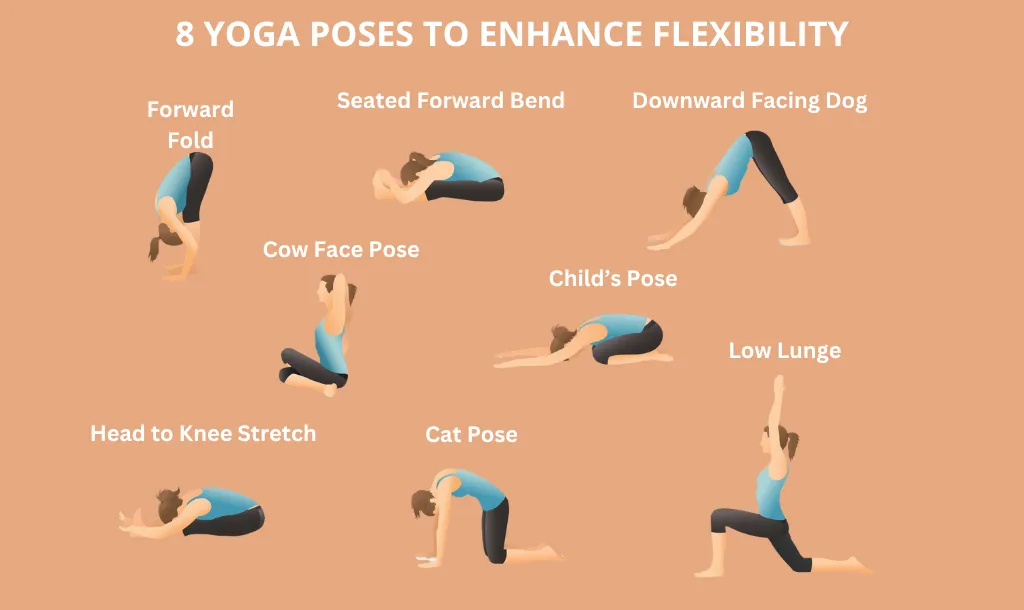
Have you ever found yourself envying the graceful, bendy poses of seasoned yogis on Instagram? Perhaps you’re wondering if yoga could be your key to unlocking a more flexible you.
You’re not alone. Flexibility isn’t just about impressive poses; it’s about feeling good in your own body and moving with ease. With so many styles of yoga out there, it can be a challenge to know which type will best help you achieve that elusive flexibility.
But don’t worry, you’re about to discover the answer. Dive into this article, and you’ll learn which yoga styles are your best allies in the quest for flexibility. Imagine not only improving your range of motion but also feeling more relaxed and energized. Intrigued? Keep reading to find out which type of yoga can transform your flexibility and, ultimately, your life.
Credit: myyogateacher.com
The Importance Of Flexibility
Various yoga styles can enhance flexibility, such as Hatha and Vinyasa. These involve stretching and pose sequences. Regular practice improves muscle elasticity and joint mobility, leading to better overall flexibility and physical health.
Flexibility is a vital component of overall health and wellness. It allows your body to move through its full range of motion, reducing the risk of injury and improving performance in physical activities. Beyond physical benefits, flexibility can enhance your mental state by reducing stress and promoting relaxation.The Physical Benefits Of Flexibility
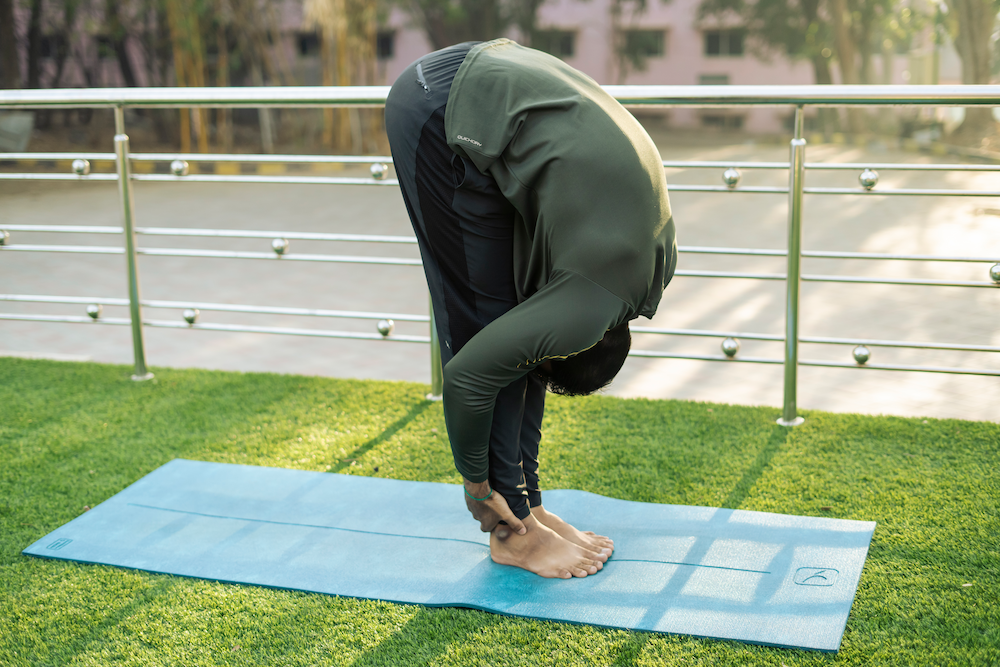
Increased flexibility can lead to better posture and alignment. It helps in relieving muscle tension, making everyday activities easier. If you’ve ever struggled to touch your toes, improving flexibility can turn that challenge into a breeze.Flexibility And Mental Well-being
Yoga not only stretches your muscles but also calms your mind. A flexible body often correlates with a flexible mindset. When you practice yoga, you’re not just working on your physical self, but also enhancing your mental resilience.Common Misconceptions About Flexibility
Many people believe flexibility is a natural gift. However, flexibility can be developed at any age with consistent practice. Don’t let misconceptions hold you back from starting your yoga journey.How Yoga Boosts Flexibility
Yoga involves poses that stretch and lengthen your muscles. Regular practice gradually increases your range of motion. Whether it’s a simple forward bend or the more complex pigeon pose, each position contributes to your flexibility journey.Personal Experience: My Flexibility Journey
When I started yoga, touching my toes seemed impossible. With dedication and regular practice, I noticed subtle changes. Now, not only can I reach my toes, but I also feel more relaxed and at ease in my daily life.Choosing The Right Yoga For Flexibility
Certain styles of yoga are more effective for increasing flexibility. Hatha yoga, for instance, focuses on holding poses and deep stretching. Vinyasa yoga, with its dynamic flow, also offers significant flexibility benefits.Practical Tips To Enhance Flexibility Through Yoga
Commit to a regular yoga practice. Start with gentle poses and gradually advance to more challenging ones. Remember, consistency is key to seeing progress.Ask Yourself: Are You Prioritizing Flexibility?
Consider the role flexibility plays in your life. Are you giving it the attention it deserves? Reflect on how a flexible body can positively impact your overall well-being. By embracing the importance of flexibility, you open up a world of physical and mental benefits. Make yoga a part of your routine and experience the transformation.Benefits Of Yoga For Flexibility
Vinyasa yoga enhances flexibility through dynamic sequences of poses. Ashtanga yoga builds strength and flexibility with its structured series. Yin yoga focuses on long-held poses, targeting deeper connective tissues for improved flexibility.
Yoga is a powerful practice that enhances flexibility. It stretches muscles and improves joint mobility. Regular yoga sessions can make the body more agile. This increased flexibility leads to better posture and reduced risk of injuries. It also brings ease to daily activities, making movements smoother.Improved Range Of Motion
Yoga helps in extending the range of motion in joints. It targets specific muscle groups to lengthen and strengthen them. This results in more fluid and flexible movements. With time, participants notice a significant improvement in their flexibility.Enhanced Muscle Strength
Flexibility is closely tied to muscle strength. Yoga builds both simultaneously. Strong muscles support joints and prevent stiffness. This dual benefit makes yoga a balanced workout for the body.Better Posture
Yoga aligns the spine and strengthens the core. A flexible body supports a straight posture. Improved posture reduces back pain and neck strain. It also boosts confidence and overall body language.Stress Reduction
Flexibility is not just physical. Yoga relaxes the mind, reducing stress. A calm mind translates to a relaxed body. This mental flexibility complements physical flexibility, creating overall well-being.Hatha Yoga
Hatha Yoga enhances flexibility through gentle stretches and poses. This practice focuses on slow, deliberate movements. It helps to lengthen and strengthen muscles over time.
Hatha Yoga is a popular choice for those looking to increase their flexibility. It combines physical postures, breathing exercises, and meditation, making it a holistic approach to wellness. Many find it accessible due to its slower pace and emphasis on fundamental postures.Gentle Stretching
In Hatha Yoga, gentle stretching plays a pivotal role. It allows your body to gradually open up and become more flexible. Unlike vigorous types of yoga, Hatha focuses on holding poses longer, giving your muscles time to stretch deeply and safely. Think about the last time you stretched before a workout. Hatha amplifies this experience, promoting flexibility through consistent practice. You’ll find that over time, even the tightest muscles begin to relax.Mindful Breathing
Mindful breathing in Hatha Yoga is more than just inhaling and exhaling. It’s about connecting your breath to your movements, which enhances your ability to stretch. This approach ensures you remain calm and focused, preventing injury and encouraging deeper stretches. Imagine taking a slow, deep breath as you reach for your toes. With each exhale, you might find you can reach a bit further. This simple yet profound technique can significantly boost your flexibility, making Hatha an ideal choice for beginners and experienced yogis alike. Have you ever noticed how stress can make your muscles tense? By practicing mindful breathing, you help release that tension, allowing for greater flexibility. Wouldn’t you like to feel more relaxed and limber in your daily life?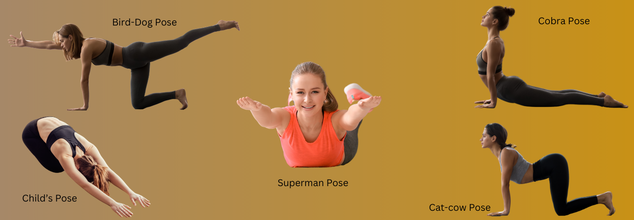
Credit: www.healthandme.com
Vinyasa Flow
Vinyasa Flow is a popular type of yoga known for its fluid movements. It connects one pose to another seamlessly. This style helps improve flexibility and strength. Vinyasa encourages continuous motion, creating a dance-like quality. It requires focus and attention, enhancing mental clarity. Practicing Vinyasa Flow regularly can transform your body and mind.
Dynamic Movement
Vinyasa Flow emphasizes dynamic movement through each pose. This approach increases heart rate and circulation. It helps muscles become more pliable. The continuous transitions challenge your body. Each movement stretches different muscle groups. Dynamic movements in Vinyasa lead to greater flexibility. They condition the body to adapt and stretch further. This style is perfect for those seeking a flexible body.
Breath Coordination
Breath coordination is crucial in Vinyasa Flow. Each movement aligns with your breath. Inhaling and exhaling guide the transitions. Breath control calms the mind and enhances focus. It also increases oxygen flow to muscles. This helps muscles relax and stretch more efficiently. Controlled breathing creates a rhythm in your practice. It supports flexibility by easing tension and stress.
Ashtanga Yoga
Ashtanga Yoga is known for enhancing flexibility through a dynamic series of postures. This practice involves synchronized breathing and movement, promoting strength and flexibility. Each session builds on previous poses, gradually improving your body’s range of motion.
Ashtanga Yoga is a dynamic and physically demanding style of yoga that can significantly enhance your flexibility. Originating from India, this practice follows a set series of postures, linking breath with movement to create a flowing sequence. It’s often considered a moving meditation, helping you to not only increase your physical flexibility but also your mental resilience.Structured Sequence
One of the defining features of Ashtanga Yoga is its structured sequence. This means you’ll practice the same set of poses in the same order each time. Consistency in the practice allows your body to gradually adapt, stretching your muscles and increasing your range of motion. The repetition helps you track your progress and notice improvements, which can be incredibly motivating. Have you ever noticed how your body responds differently to the same pose over time?Progressive Flexibility
Ashtanga encourages progressive flexibility. As you become more proficient with the initial series, you can advance to more challenging sequences. This progression ensures you’re constantly pushing your boundaries, enhancing flexibility in a safe and controlled manner. It’s fascinating to see how your body can transform with dedication and practice. How far can you go when you steadily challenge your limits? Consider adding Ashtanga Yoga to your routine if you’re seeking a disciplined approach to flexibility. Its structured nature and progressive challenges might be just what you need to see real improvement.Yin Yoga
Yin Yoga is a gentle and slow-paced style of yoga. It targets deep connective tissues and enhances flexibility. This practice involves holding poses for longer periods. Yin Yoga is perfect for those seeking increased flexibility and relaxation.
Deep Tissue Stretch
Yin Yoga focuses on deep tissue stretching. It reaches the body’s connective tissues, like ligaments and joints. This type of stretching improves flexibility over time. It allows the body to become more supple and agile. By stretching deeply, Yin Yoga helps release tension and improve circulation.
Long Hold Poses
In Yin Yoga, poses are held for longer durations. Typically, poses last from one to five minutes. Holding poses longer targets the deeper layers of the body. This practice encourages the body to open up gradually. It promotes a meditative state, calming both body and mind.
Bikram Yoga
Bikram Yoga enhances flexibility through a series of 26 postures performed in a heated room. The warmth helps muscles stretch safely, improving flexibility and strength. Each pose targets different muscle groups, promoting overall body suppleness.
Bikram Yoga is a popular style that enhances flexibility. It consists of a series of 26 postures and two breathing exercises. These are performed in a room heated to about 105°F with 40% humidity. This environment replicates the natural heat of India, where yoga originated. The heat helps loosen muscles and increase flexibility. Let’s explore how Bikram Yoga can enhance your flexibility.Heat-induced Flexibility
The heated room in Bikram Yoga warms the body. Warm muscles stretch more easily and deeply. This reduces the risk of injury during practice. The heat also allows for a greater range of motion. Sweating helps flush toxins, which benefits overall health. Practicing in heat can improve circulation and cardiovascular health.Set Sequence Benefits
Bikram Yoga follows a set sequence of postures. Each posture prepares the body for the next. This systematic approach enhances muscle memory and flexibility. Repeating the same sequence helps track progress over time. The consistency aids in mastering poses, improving flexibility steadily. This structured practice builds discipline and focus. Regular practice enhances both physical and mental flexibility. The sequence targets every part of the body, promoting balanced flexibility.Iyengar Yoga
Iyengar Yoga focuses on precise alignment and controlled movements, enhancing flexibility over time. Through the use of props, it allows practitioners to safely stretch and strengthen muscles, making it suitable for all skill levels.
Iyengar Yoga is known for its precise techniques. It emphasizes the correct alignment of the body. This style of yoga is excellent for improving flexibility. It uses props to support poses and enhance practice. Iyengar Yoga suits beginners and advanced practitioners alike. It offers a methodical approach to mastering poses. Let’s explore how Iyengar Yoga can enhance your flexibility.Alignment Focus
Iyengar Yoga places great importance on alignment. Correct alignment ensures the safe execution of poses. It helps prevent injuries and maximizes the benefits of each pose. Practicing with focus on alignment leads to better body awareness. This awareness improves posture in daily life. Alignment also aids in stretching muscles effectively. This results in increased flexibility over time.Use Of Props
Props play a crucial role in Iyengar Yoga. They include blocks, straps, and bolsters. Props help practitioners achieve proper alignment. They provide support and stability in poses. This support allows deeper stretches and longer holds. Using props makes yoga accessible to everyone. It helps beginners feel comfortable in challenging poses. This approach gradually increases flexibility without strain.Power Yoga
Power Yoga is a dynamic style that boosts flexibility and strength. It combines the traditional yoga poses with faster movements. This style is excellent for those who want an intense workout while improving flexibility. The focus is on building heat and energy in the body. Power Yoga helps in developing a strong mind-body connection.
Strength And Flexibility
Power Yoga enhances both strength and flexibility. Poses target various muscle groups, improving overall body strength. It involves holding poses for longer periods, increasing endurance. This practice stretches muscles deeply, boosting flexibility. Regular sessions lead to noticeable improvements in flexibility.
High-intensity Flow
Power Yoga features a high-intensity flow. It includes quick transitions between poses, keeping the heart rate up. This flow improves cardiovascular health alongside flexibility. The continuous movement engages multiple muscles, enhancing strength. Each session is a full-body workout, promoting balance and agility.
Choosing The Right Style
Choosing the right style of yoga can greatly enhance your flexibility. Hatha yoga is gentle, focusing on basic poses and slow stretches. Vinyasa yoga offers fluid movements that build flexibility through dynamic sequences. Both styles cater to different needs, helping you find the perfect fit for your flexibility goals.
Choosing the right yoga style is crucial for enhancing flexibility. Different styles target different needs and abilities. Understanding these styles helps tailor your practice to fit personal goals and physical condition. This ensures a more effective and enjoyable yoga experience.Personal Goals
Your personal goals play a significant role in selecting a yoga style. Want to improve flexibility? Styles like Vinyasa and Ashtanga focus on fluid movements. They encourage stretching through dynamic poses. Yin Yoga, on the other hand, is slower. It involves holding poses for longer. This deepens the stretch and enhances flexibility over time. Define your goals clearly. This will guide you to the most suitable yoga practice.Physical Condition
Consider your physical condition when choosing a yoga style. Some styles are more intense. Ashtanga and Bikram Yoga demand strength and endurance. They might not suit everyone, especially beginners or those with injuries. Gentle styles like Hatha or Iyengar Yoga are more forgiving. They focus on alignment and slower movements. These styles are ideal for people with physical limitations. Always listen to your body. Choose a style that complements your current physical state.Tips For Increasing Flexibility
Yoga is an incredible journey towards achieving flexibility. Whether you’re a beginner or a seasoned practitioner, increasing flexibility can sometimes feel like a daunting task. With the right approach, you can make significant progress. Here are some tips that can help you unlock greater flexibility in your yoga practice.
Consistency In Practice
Consistency is key to improving flexibility through yoga. Regular practice not only helps your muscles stretch but also teaches your body to adapt to new movements. Consider setting aside a dedicated time each day for your yoga routine. Even 15 to 30 minutes can make a significant difference over time.
Think of yoga as brushing your teeth. You wouldn’t skip that, right? Treat your yoga practice with the same importance. As you build a consistent routine, you’ll notice gradual improvements in your flexibility. Consistency builds muscle memory, allowing your body to stretch further with less effort.
Listening To Your Body
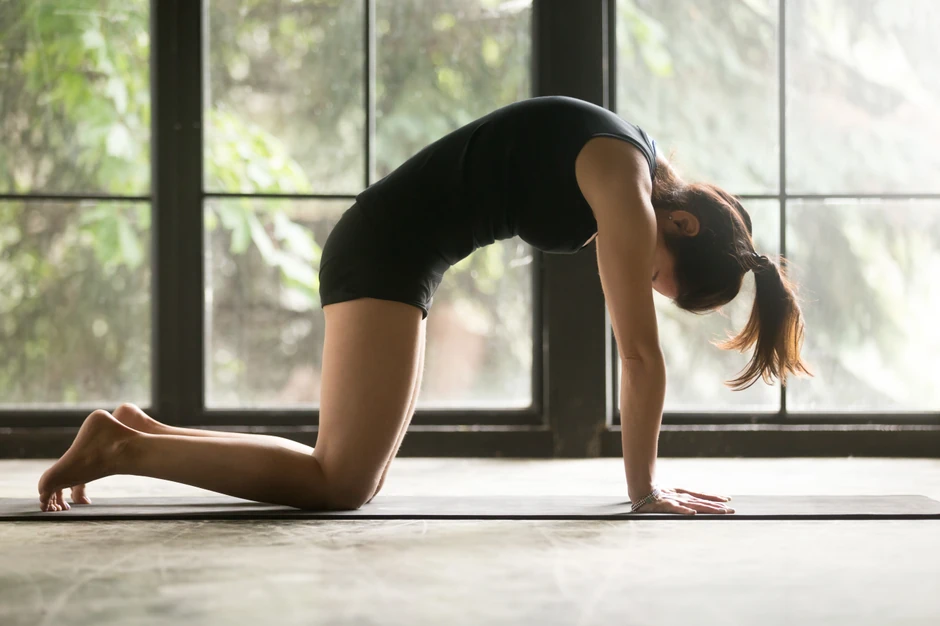
Your body is your best guide. Pay attention to how it feels during each pose. It’s crucial to differentiate between a good stretch and pain. Pain is a signal to back off, while a stretch indicates progress. Respect your body’s limits and don’t push beyond what feels safe.
Personal experience taught me that listening to your body is a game-changer. During a yoga session, I realized I was pushing too hard in a forward bend. By easing off, I avoided injury and gradually increased my flexibility over time. Always prioritize safety and comfort in your practice.
Are you ready to embrace flexibility through yoga? Remember, the journey is just as important as the destination. Stay consistent and listen closely to your body’s signals. Your flexibility will improve, and you’ll enjoy a more rewarding yoga experience.
Credit: myyogateacher.com
Frequently Asked Questions
What Yoga Style Improves Flexibility Fastest?
Vinyasa yoga is known for its dynamic flow and focus on flexibility. It incorporates sequences that stretch muscles and joints. This style helps improve flexibility more quickly due to its continuous movement and varied poses. Consistent practice leads to noticeable improvements in range of motion and overall flexibility.
Does Hatha Yoga Increase Flexibility?
Yes, Hatha yoga is excellent for improving flexibility. It involves holding poses longer to stretch muscles deeply. This style emphasizes proper alignment, helping to enhance flexibility over time. Regular practice of Hatha yoga can lead to increased joint mobility and muscle elasticity, contributing to overall body flexibility.
How Often Should I Practice Yoga For Flexibility?
Practicing yoga three to four times a week is ideal for flexibility. Consistent sessions help maintain progress and prevent stiffness. Regular practice allows muscles to adapt and stretch effectively. Combining different styles like Vinyasa, Hatha, and Yin can further enhance flexibility gains.
Is Yin Yoga Good For Flexibility?
Yin yoga is highly effective for improving flexibility. It targets connective tissues through long-held poses. This style encourages deep stretching and increased joint mobility. Yin yoga complements other dynamic styles by enhancing overall flexibility. Regular practice can significantly boost range of motion and muscle elasticity.
Conclusion
Yoga offers diverse styles for flexibility. Each style has unique benefits. Hatha yoga focuses on slow, deliberate poses. Great for beginners. Vinyasa yoga involves fluid movements. Builds strength and flexibility together. Yin yoga targets deep tissues. Enhances joint flexibility over time.
Ashtanga yoga includes challenging sequences. Boosts overall flexibility and endurance. Regular practice helps improve flexibility gradually. Choose a style that fits your goals and abilities. Listen to your body during sessions. Flexibility increases with consistent effort and dedication. Explore different styles.
Enjoy the journey towards improved flexibility. Yoga’s benefits extend beyond flexibility. Embrace a holistic wellness experience.