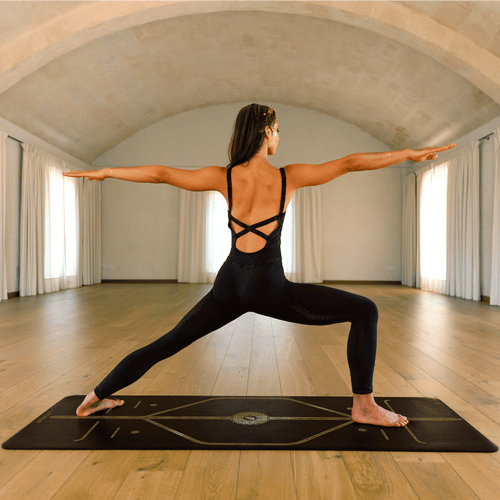
Imagine unlocking a world of ease and grace in your body, where tight muscles and stiffness no longer hold you back. The secret lies in yoga, a practice not just for the mind, but a powerful tool for enhancing flexibility.
Have you ever wondered which type of yoga might best suit your flexibility goals? Whether you’re a beginner or a seasoned practitioner, choosing the right style can make all the difference. You’ll discover the best types of yoga to improve your flexibility, helping you move more freely and live more comfortably.
Keep reading to find out how you can transform your body and perhaps even your life with the perfect yoga practice.
Benefits Of Yoga For Flexibility
Hatha yoga gently improves flexibility through slow, deliberate movements, making it ideal for beginners. Vinyasa yoga builds strength and flexibility with dynamic sequences that flow smoothly from pose to pose.
Flexibility is not just about touching your toes or doing the splits. It’s about enhancing your overall well-being and physical health. Yoga is a fantastic practice to improve flexibility, and its benefits extend beyond just the physical. Let’s explore why yoga is excellent for increasing flexibility and how it can positively impact your life.Enhanced Muscle Strength
Yoga not only stretches your muscles but also strengthens them. Poses like the downward dog or warrior involve holding your body weight, which builds muscle strength. Stronger muscles support better flexibility and protect you from injuries.Improved Posture
Good flexibility promotes better posture. Yoga helps in aligning your body correctly, especially if you spend long hours sitting at a desk. Improved posture reduces back pain and makes you look confident and alert.Increased Range Of Motion
Regular yoga practice can significantly increase your range of motion. This means your joints can move more freely, reducing stiffness. Greater range of motion makes daily activities easier and more enjoyable.Enhanced Circulation
Yoga poses help in improving blood flow. Better circulation means more oxygen and nutrients reach your muscles, aiding in their recovery and growth. This process is vital for maintaining flexibility and overall muscle health.Stress Relief
Yoga is not just physical; it’s a mental workout too. The practice encourages deep breathing and mindfulness, which help reduce stress. Lower stress levels can prevent muscle tension, contributing to better flexibility.Personal Experience And Growth
When I first started yoga, I couldn’t touch my toes. With consistent practice, not only did my flexibility improve, but I also found a sense of calm and focus. The journey to flexibility taught me patience and self-acceptance—qualities that enrich life far beyond the yoga mat. Have you ever wondered how increased flexibility could change your life? It’s not just about physical gains; it’s about feeling good in your body and mind. Yoga offers a holistic approach to achieving that balance.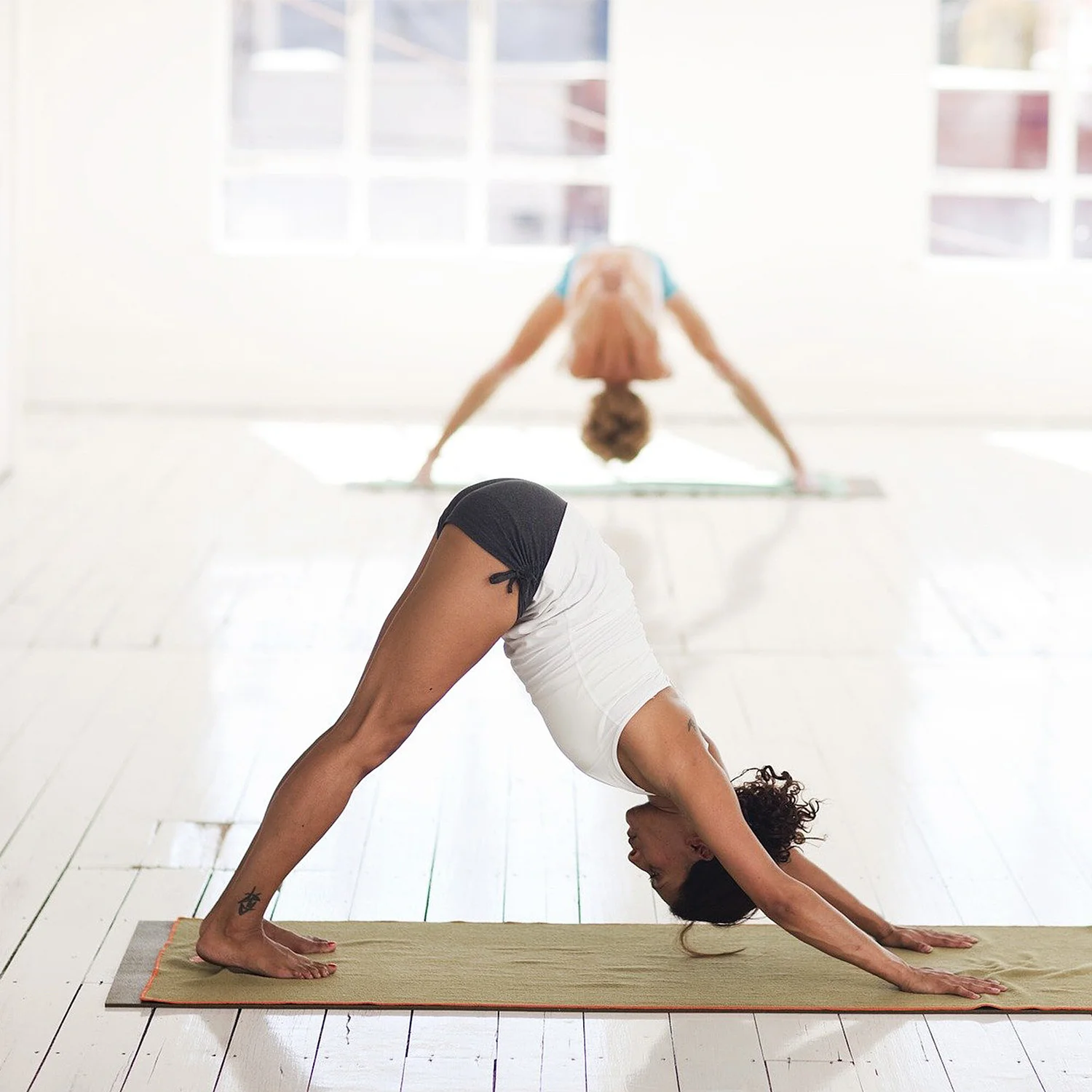
Credit: www.advancedhumanperformance.com
Hatha Yoga
Hatha Yoga focuses on gentle poses and stretches that enhance flexibility. It combines physical postures with mindful breathing techniques. Perfect for beginners seeking to improve their range of motion.
Hatha Yoga is ideal for improving flexibility. It focuses on gentle movements and steady poses. This yoga style emphasizes balance and alignment. It is suitable for beginners. Slow, deliberate movements help stretch muscles effectively. Hatha Yoga offers a calming approach to enhancing flexibility.Poses To Improve Flexibility
Hatha Yoga includes poses that stretch and lengthen muscles. Popular poses involve gentle twists and bends. The Forward Bend stretches the spine and hamstrings. The Cobra Pose opens the chest and strengthens the back. The Triangle Pose stretches the legs and torso. These poses enhance flexibility gradually. Regular practice improves range of motion. Each pose encourages mindful stretching.Breathing Techniques
Breathing is crucial in Hatha Yoga. Deep breaths relax the body and mind. Focused breathing enhances flexibility. It aids in holding poses longer. Practitioners use controlled breathing to deepen stretches. Inhale deeply through the nose. Exhale slowly, releasing tension. Breathing techniques improve concentration. They make stretching more effective. This connection enhances the yoga experience.Vinyasa Flow
Vinyasa Flow is ideal for enhancing flexibility, connecting breath with movement in fluid sequences. This dynamic style keeps the body moving, gradually increasing flexibility while calming the mind. Perfect for those seeking a balance of strength and suppleness.
Vinyasa Flow is a popular yoga style that enhances flexibility. It connects breath with movement, creating a graceful sequence. This fluid practice is ideal for those seeking to improve their range of motion. Each pose transitions smoothly, promoting balance and coordination. Vinyasa’s dynamic nature keeps the body agile. Regular practice leads to greater suppleness and ease in movement.Dynamic Movements
Vinyasa Flow incorporates dynamic movements. These movements keep the body active. They encourage continuous motion between poses. This constant flow challenges the body. It helps in breaking stiffness, promoting flexibility. The rhythm of movements boosts energy levels. It keeps practitioners engaged and focused. Dynamic movements improve cardiovascular health. They also enhance muscle elasticity over time.Building Strength And Flexibility
Vinyasa builds strength alongside flexibility. It uses body weight for resistance. This strengthens muscles while stretching them. The practice requires balance and control. These elements develop core stability. Strong muscles support flexible joints. They protect against injuries. Vinyasa’s varied poses target different muscle groups. This ensures a holistic approach to fitness. Regular practice leads to balanced body strength.
Credit: www.facebook.com
Yin Yoga
Yin Yoga focuses on holding poses for longer periods, enhancing flexibility. This practice targets deep connective tissues, improving joint mobility and releasing tension. Ideal for those seeking a gentle approach to increase flexibility.
Yin Yoga is a serene and meditative practice that offers a unique approach to enhancing flexibility. Unlike the more dynamic forms of yoga, Yin Yoga focuses on passive stretching and targets the deeper connective tissues in the body. It’s about surrendering and allowing gravity to do the work, providing a perfect balance to our often hectic lives.Deep Stretching
In Yin Yoga, deep stretching is at the core of the practice. Each pose is designed to access the connective tissues, such as ligaments and fascia, which are often neglected in more active forms of exercise. Imagine gently easing into a stretch and feeling the tension melt away as you hold the position. This approach can be transformative for your flexibility. You might notice that areas of tightness begin to release over time, creating a more open and spacious feeling in your body. The beauty of deep stretching in Yin Yoga is that you don’t need to force your way into poses; instead, you allow your body to soften and adapt naturally.Holding Poses
Holding poses for extended periods is a hallmark of Yin Yoga. This practice encourages you to remain in each pose for several minutes, allowing you to explore the sensations and deepen the stretch. It’s not just about physical flexibility; it’s also an opportunity to cultivate mental resilience and patience. When you stay in a pose for a while, you might initially feel discomfort or restlessness. But as you breathe through it, you start to realize that the discomfort is temporary, and you become more attuned to the subtle shifts in your body. These moments of stillness can be incredibly rewarding, offering insights into both your physical and emotional well-being. Yin Yoga is a gentle reminder that flexibility is not just about bending your body but also about bending your mind to embrace stillness and calm. Are you ready to explore this soothing practice and discover its profound benefits for your flexibility journey?Bikram Yoga
Bikram Yoga enhances flexibility through a series of 26 poses practiced in a heated room. The warmth helps muscles stretch more easily, promoting better movement and reducing stiffness. Ideal for those seeking to improve overall flexibility.
Bikram Yoga, known for its intense practice, offers a unique experience. Conducted in a heated room, it mimics India’s climate. This style focuses on improving flexibility and strength. Comprising a series of 26 postures, it challenges the body and mind. Each session lasts 90 minutes, offering a comprehensive workout.Heat And Flexibility
The heated environment in Bikram Yoga warms muscles quickly. Warm muscles stretch more easily, reducing injury risk. The heat allows deeper poses, enhancing flexibility. Sweating helps detoxify the body, boosting energy levels. Practicing in heat improves circulation and heart rate efficiency.Structured Sequence
Bikram Yoga follows a fixed sequence of 26 poses. This consistency aids in tracking progress over time. Each posture targets specific muscle groups, promoting balanced flexibility. Regular practice enhances muscle memory, improving posture alignment. The structured routine offers a disciplined approach to flexibility.Ashtanga Yoga
Ashtanga Yoga offers a structured sequence of poses to boost flexibility. Practitioners follow a fixed routine, gradually improving their range of motion. This style emphasizes synchronized breathing with movement, enhancing flexibility and strength.
Ashtanga Yoga is a dynamic and structured form of yoga. It originates from ancient teachings in India. This practice is known for its rigorous and flowing movements. It follows a set sequence of poses in every session. Ashtanga aims to build strength, flexibility, and balance. It integrates breath with movement, creating a meditative flow. This style of yoga is ideal for those seeking flexibility and discipline.Series Of Poses
Ashtanga Yoga consists of six series of poses. Each series is progressive and builds upon the previous one. The Primary Series focuses on detoxifying and aligning the body. The Intermediate Series works on purifying the nervous system. The Advanced Series enhances strength and flexibility further. Practitioners start with the Primary Series and advance gradually. Every pose is linked with specific breathing techniques.Improving Muscle Flexibility
Ashtanga Yoga enhances muscle flexibility through consistent practice. Each pose stretches and strengthens different muscle groups. This repetition helps in lengthening the muscles over time. The dynamic flow increases blood circulation, aiding muscle recovery. Regular practice leads to noticeable improvements in flexibility. Muscles become more pliable and resilient, reducing injury risks. Ashtanga’s structured approach helps in tracking flexibility progress.Restorative Yoga
Restorative yoga gently enhances flexibility by focusing on long-held poses and deep breathing. This soothing practice encourages relaxation and gradual stretching, making it ideal for beginners and those seeking gentle improvement in flexibility.
Restorative Yoga is a gentle yet profoundly impactful form of yoga that offers a unique path to enhancing flexibility. Often mistaken for simply ‘resting,’ restorative yoga is about slowing down, opening up, and allowing the body to stretch in a nurturing way. This practice is particularly beneficial for those looking to improve flexibility without the intensity of more dynamic yoga styles. Let’s explore how restorative yoga can be your secret weapon in achieving a more flexible body.Relaxation And Flexibility
Restorative yoga focuses heavily on relaxation to increase flexibility. When your body is relaxed, it’s more willing to release tension and open up. By holding poses for extended periods, often several minutes, muscles and connective tissues gently lengthen. Imagine lying in a supported child’s pose, feeling your hips release and your spine elongate. This relaxed state is where magic happens. Can you feel the areas in your body that need more attention and stretch?Use Of Props
Props are essential in restorative yoga. They act as gentle aids to support your body, allowing it to relax deeply into poses. Common props include bolsters, blankets, blocks, and straps, each serving a unique purpose. Have you ever tried lying back on a bolster in a heart-opening pose? The support encourages your chest and shoulders to open, enhancing flexibility in areas often tight from daily activities. The use of props empowers you to customize poses based on your body’s needs, creating a safe environment to explore your flexibility limits. What prop might you use to feel more supported in your practice today?
Credit: www.advancedhumanperformance.com
Choosing The Right Style
Choosing the right yoga style can boost flexibility. Vinyasa yoga offers dynamic movements to stretch muscles effectively. Yin yoga, with its slow-paced poses, targets deep connective tissues, enhancing flexibility over time.
Choosing the Right Style Selecting the right yoga style can enhance flexibility effectively. Different styles offer unique benefits. Some focus on gentle stretches, while others challenge your limits. Understanding your body and goals is key. Explore various options to find what suits you best. This ensures a rewarding experience.Personal Goals
Your personal goals shape your yoga journey. Do you want to touch your toes or perform splits? Consider what flexibility means to you. Some may aim for basic stretches. Others seek advanced poses. Choose a style that aligns with your aspirations. Vinyasa yoga, for instance, improves overall flexibility. It involves fluid movements and stretches. Hatha yoga offers a slower pace. It allows deeper focus on individual poses. Great for beginners aiming for gentle flexibility.Physical Limitations
Physical limitations affect your choice. Are tight muscles a concern? Do past injuries restrict movement? Understanding your limits prevents strain. Gentle styles like Yin yoga cater to those with restrictions. Yin yoga holds poses longer. This targets deep tissues for better flexibility. It’s ideal for those with tight hips or hamstrings. Restorative yoga helps those with physical challenges. It uses props for support, ensuring safe practice. Choose styles that accommodate your body. This ensures progress without risking injury.Tips For Enhancing Flexibility
Vinyasa yoga enhances flexibility through dynamic movements and flowing sequences. Hatha yoga focuses on slow poses, promoting gentle stretching. Both styles improve flexibility and overall body awareness.
Yoga is a powerful tool for enhancing flexibility. It helps to stretch tight muscles and improve range of motion. Flexibility benefits your overall health and well-being. Incorporating certain practices can make a difference in your flexibility journey. Here are some effective tips to help you achieve better flexibility through yoga.Consistency Is Key
Regular practice is essential for progress. Set a routine to practice yoga daily. Even short sessions can lead to improvement over time. Consistent practice helps muscles adapt and stretch more efficiently. Make yoga a part of your daily habits. Track your progress to stay motivated.Listening To Your Body
Pay attention to how your body feels during yoga. Avoid pushing yourself beyond comfort. Each person’s flexibility is unique, so honor your limits. Adjust poses to suit your ability. Use props like blocks or straps for support. This prevents injury and promotes safe stretching. Embrace patience and enjoy the journey towards flexibility.Frequently Asked Questions
What Yoga Styles Improve Flexibility?
Yoga styles like Hatha, Vinyasa, and Yin are excellent for enhancing flexibility. They focus on stretching and holding poses that lengthen muscles and increase joint mobility. Regular practice can lead to noticeable improvements in flexibility and overall body balance.
How Often Should I Do Yoga For Flexibility?
Practicing yoga 3-5 times a week can significantly boost flexibility. Consistency helps in gradually stretching muscles and improving range of motion. Listening to your body and allowing time for recovery is equally important for progress.
Is Yin Yoga Good For Flexibility?
Yes, Yin Yoga is great for flexibility. It involves holding poses for longer periods, which helps in releasing tension and stretching deep connective tissues. This practice is particularly beneficial for improving joint mobility and muscle elasticity.
Can Beginners Increase Flexibility With Yoga?
Absolutely, beginners can improve flexibility with yoga. Starting with basic poses and gradually progressing helps in safely stretching muscles. Over time, consistent practice leads to enhanced flexibility and better body awareness.
Conclusion
Yoga offers many styles to boost flexibility. Choose the right type for your needs. Hatha yoga is gentle, perfect for beginners. Vinyasa flows build strength and flexibility. Try Yin yoga for deep stretching. All promote flexibility, just in different ways.
Explore each style to find what suits you best. Listen to your body and enjoy the journey. Flexibility improves with regular practice. Stay committed and patient. Your body will thank you. Remember, yoga is not a race. It’s a personal path to wellness and flexibility.
Embrace the process and keep practicing.