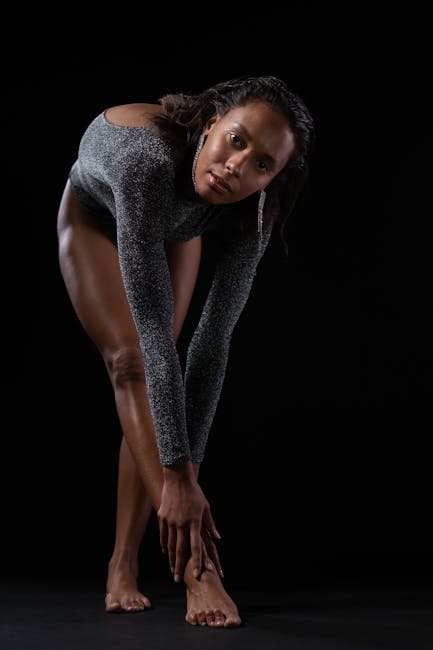
Imagine stepping onto your yoga mat, feeling a sense of calm and anticipation. You might wonder what it truly means to look flexible in yoga.
Is it about bending into pretzel-like shapes, or is there more to it? You’re about to discover how flexibility in yoga is about more than just physical prowess. It’s a blend of mind and body, where each pose becomes a journey of self-discovery.
As you read on, you’ll uncover the secrets of flexibility that go beyond the obvious, helping you enhance your practice in ways you might not have considered. Ready to transform your yoga experience? Let’s dive deeper into what it really means to look and feel flexible.
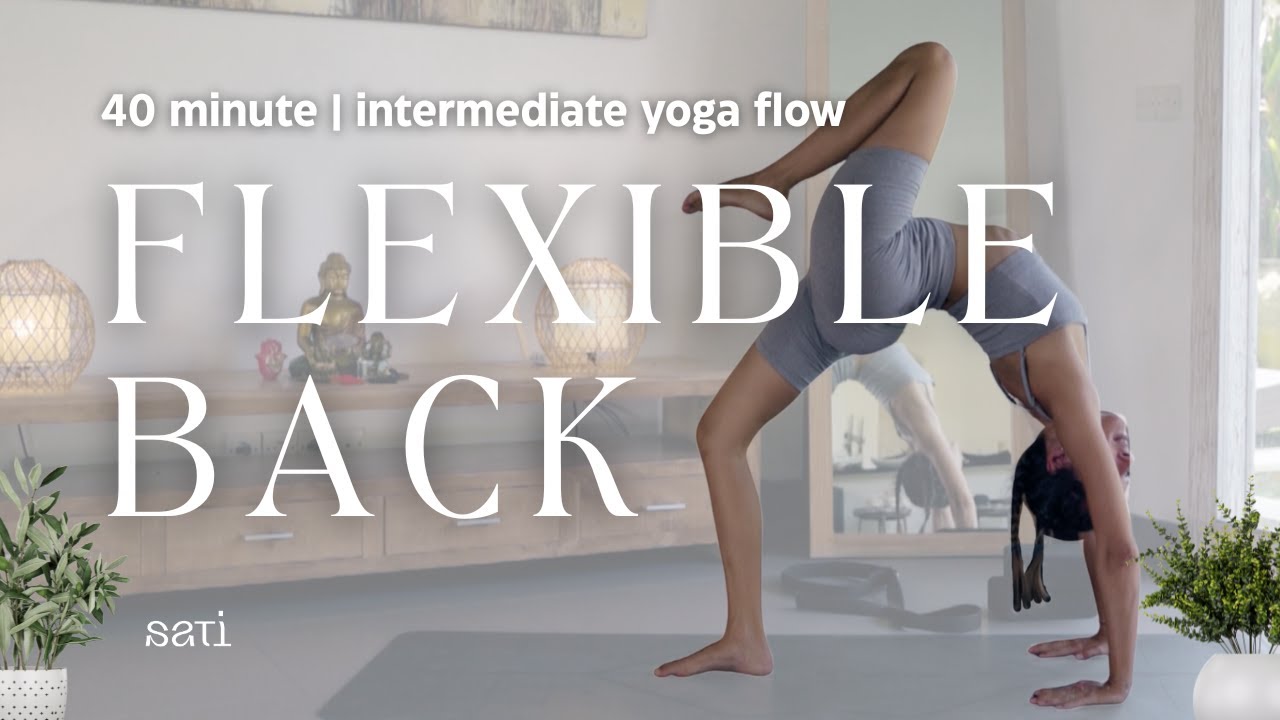
Credit: www.youtube.com
Benefits Of Flexibility In Yoga
Flexibility in yoga enhances muscle strength and improves posture. It promotes better balance and reduces the risk of injury. Regular practice leads to increased mobility and relaxation, making daily movements more fluid and comfortable.
Flexibility in yoga opens up a world of benefits. It is more than just bending and stretching. It enhances overall health and well-being. As muscles lengthen, they become more resilient. This resilience helps prevent injuries. It also boosts circulation and reduces muscle soreness. With increased flexibility, daily activities become easier. You find comfort in motion. Energy levels rise as tension decreases. These are just a few of the many benefits that yoga flexibility offers.Improved Posture
Good posture is key to a healthy spine. Flexibility in yoga helps align the body. It strengthens core muscles. These muscles support your back. With better posture, you breathe easier. Your organs function optimally. You feel more confident. Standing tall becomes second nature.Enhanced Mental Clarity
Flexibility in yoga aids mental health. Stretching releases endorphins. These are feel-good hormones. They enhance mood and reduce stress. As tension leaves the body, the mind relaxes. This results in clearer thinking. You become more focused. Tasks seem less daunting.Pain Relief
Flexibility can ease chronic pain. Tight muscles often cause discomfort. Yoga stretches these muscles gently. It soothes aches and reduces inflammation. Regular practice can lessen joint pain. You move freely without grimacing. Everyday tasks feel more manageable.Increased Range Of Motion
Flexibility expands your range of motion. You move with ease. Activities like bending and twisting become fluid. This reduces the risk of strains. Your body becomes agile. You adapt quickly to different movements. This adaptability improves athletic performance.Better Balance And Coordination
Yoga fosters better balance. Flexibility aids in this process. It strengthens stabilizing muscles. These muscles keep you steady. Balance exercises improve coordination. You gain control over your movements. Falls become less likely. You walk with assurance and grace.Essential Yoga Poses For Flexibility
Flexibility in yoga is not just about bending and stretching; it’s about creating space in your body and mind. It’s a journey where each pose offers a unique gift of mobility and ease. Whether you’re a seasoned yogi or a curious beginner, these essential yoga poses can become key allies in your quest for flexibility. Let’s dive into these poses and see how they can enhance your practice.
Forward Fold
Imagine letting go of tension with each exhale. The Forward Fold is a simple yet profound pose that stretches your hamstrings, calves, and spine. As you fold, allow gravity to do the work, and notice how your body naturally releases tightness. Feel free to bend your knees slightly to protect your lower back. How does it feel when you let go of control?
Downward Dog
Downward Dog is more than just a transition pose; it’s a full-body stretch. Pressing your heels towards the mat elongates your calves and hamstrings while your arms and spine lengthen. This pose also strengthens your arms and shoulders, creating a beautiful balance between flexibility and strength. Is your body feeling the stretch yet?
Pigeon Pose
When it comes to opening up your hips, Pigeon Pose is unmatched. This pose targets the hip flexors and psoas, providing deep release and relaxation. As you settle into the pose, allow yourself to breathe deeply and embrace the sensation of opening. Many find emotional release here, too. What emotions surface as you embrace the stretch?
Bridge Pose
Bridge Pose is a gentle backbend that opens the chest and shoulders while strengthening the spine and glutes. With each lift, you’re creating space in your body and inviting flexibility. Hold for a few breaths and feel the energy flow through your spine. How does it change your perspective on what flexibility feels like?
These poses are not just exercises; they are invitations to explore your body’s potential. Incorporate them into your routine and watch as your flexibility grows, not just physically but mentally as well. What unexpected benefits will you discover on your path to flexibility?
Developing A Flexible Routine
A flexible yoga routine adapts to your daily needs and energy levels. It includes varied poses that enhance strength and flexibility. Adjustments ensure that each session suits your body and goals, promoting both physical and mental well-being.
Developing a Flexible Routine Creating a flexible yoga routine isn’t just about touching your toes or mastering the splits. It’s about weaving flexibility into your lifestyle. This approach not only enhances your physical agility but also brings a sense of balance and harmony to your daily life.Consistency In Practice
To develop flexibility, regular practice is key. Aim to incorporate yoga into your schedule at least three to four times a week. This frequency helps your muscles adapt and gradually stretch over time, building the flexibility you seek. Make your practice a non-negotiable part of your day, just like brushing your teeth. Could you imagine the benefits if you approached yoga with the same regularity? Consistency transforms fleeting efforts into lasting habits.Balancing Strength And Flexibility
Flexibility isn’t just about lengthening muscles; it’s also about strengthening them. A balanced routine includes poses that build strength alongside those that stretch. This combination ensures your muscles are not only flexible but also stable and resilient. Consider poses like Warrior II or Plank, which engage and strengthen your core and legs. These poses complement stretches like Forward Bend, promoting an equilibrium between strength and flexibility. Are you focusing too much on stretching without building strength? Balance is the key to a sustainable and healthy yoga practice.Overcoming Common Challenges
Yoga offers many benefits, but flexibility challenges are common. Many practitioners face obstacles that can affect their progress. Understanding these challenges can help you grow in your yoga practice. Here are some common challenges and tips to overcome them.
Dealing With Muscle Tightness
Muscle tightness is a frequent hurdle in yoga. It can limit your movement and cause discomfort. To ease tight muscles, start with a gentle warm-up. This increases blood flow and prepares the body. Focus on slow, deep breathing as you stretch. This helps relax the muscles and extend their range. Incorporate regular stretching into your routine. Consistency improves flexibility over time.
Hydration plays a key role in muscle health. Drink enough water daily to keep muscles supple. Balanced nutrition also supports muscle function. Foods rich in magnesium and potassium are particularly helpful. Listen to your body and recognize its limits. Pushing too hard can lead to injuries.
Avoiding Overstretching
Overstretching can lead to pain and injury. It’s important to know your limits. Move into each pose slowly and mindfully. Pay attention to how your body responds. If you feel sharp pain, stop immediately. Gentle discomfort is normal, but pain is a warning sign. Use props like blocks or straps to support your body. They help maintain proper alignment and reduce strain.
Focus on gradual progress. Flexibility doesn’t happen overnight. Celebrate small victories and improvements. Practice patience and kindness toward yourself. Yoga is a journey, not a race. By respecting your body’s limits, you can safely enhance flexibility. Always end your session with a cool-down. This helps muscles recover and reduces the risk of overstretching.
Incorporating Props For Support
Yoga encourages flexibility and balance, but sometimes poses challenge the body. Props like blocks, straps, and bolsters provide support and enhance your practice. They help maintain alignment and ease into poses safely. This makes yoga accessible to all skill levels. Using props can make poses more comfortable and beneficial.
Using Blocks And Straps
Blocks offer stability and support in various poses. They can be placed under hands, feet, or hips to achieve balance. Blocks help deepen stretches without straining the body. They also assist in maintaining proper alignment.
Straps extend reach and aid in flexibility. They help in poses where reaching feet or hands is difficult. Straps prevent overstretching and support safe stretching techniques. By using straps, yoga becomes more accessible.
Benefits Of Bolsters
Bolsters provide cushion and support. They are used in restorative poses to relax the body. Bolsters help in gentle stretches, allowing muscles to release tension. This promotes relaxation and deeper breathing.
Bolsters support the spine, enhancing comfort. In seated poses, they improve posture. Bolsters also encourage longer holds in poses. This leads to increased flexibility and ease in yoga practice.

Credit: www.instagram.com
Mindful Breathing Techniques
Mindful breathing techniques enhance yoga flexibility, fostering relaxation and focus. Deep breaths synchronize movement, creating fluid, adaptable poses. Embrace calmness and find balance in each stretch.
Mindful breathing techniques play a vital role in yoga practice. They connect the mind and body, enhancing both flexibility and relaxation. By focusing on the breath, practitioners can deepen their poses and calm their minds. This mindful approach not only aids physical performance but also promotes mental clarity. Let’s explore two essential breathing techniques that elevate your yoga experience.Deep Breathing For Relaxation
Deep breathing helps release tension and stress. Start by sitting comfortably. Close your eyes and take a slow, deep breath in through the nose. Fill your lungs completely, feeling your chest and abdomen expand. Hold the breath for a moment. Then exhale slowly through the mouth, letting go of any tension. Repeat this cycle several times. Notice how your body feels more relaxed and your mind calmer. Deep breathing not only prepares the body for poses but also enhances overall well-being.Breath Control For Enhanced Flexibility
Breath control, or pranayama, boosts flexibility in yoga. Begin by assuming a comfortable seated position. Focus on taking long, steady breaths. As you inhale, imagine your muscles lengthening and opening. With each exhale, deepen your pose slightly, allowing for greater stretch and flexibility. This technique helps synchronize movement with breath. It encourages a deeper connection between your body and mind. Practicing breath control regularly can significantly improve your yoga routine.Tracking Progress In Flexibility
Tracking progress in flexibility can be an exciting journey. Yoga is not just about reaching new poses. It’s about understanding your body’s limits and potential. Consistent practice reveals changes in your flexibility over time. It’s important to have a way to measure and appreciate these changes. Let’s explore some ways to track your progress.
Setting Realistic Goals
Start with setting achievable goals. Small, incremental goals keep you motivated. Avoid comparing yourself to others. Everyone’s body is different. Focus on what feels right for you. Write down your goals. This makes them tangible and trackable. Revisit these goals regularly.
Reflecting On Personal Growth
Take time to reflect on your journey. Notice how your body feels during different poses. Celebrate small victories, like touching your toes. Keep a journal of your practice. Note improvements and challenges. Look back at where you started. This reflection boosts your confidence and motivation. It shows how far you’ve come.

Credit: www.youtube.com
Creating A Safe Practice Space
Creating a safe practice space for yoga promotes flexibility and tranquility. A calm environment enhances focus and reduces stress, encouraging gentle movements and balanced breathing. Soft lighting and minimal distractions contribute to a harmonious atmosphere, supporting a flexible yoga practice.
Creating a safe practice space is vital for a flexible yoga routine. It ensures peace of mind and helps prevent injuries. A well-prepared space can enhance your focus and stability. Let’s explore how you can create an ideal environment for your practice.Choosing The Right Environment
Select a quiet spot with minimal distractions. Natural light can uplift your mood. Ensure the area has enough space for movement. Clean and declutter the area to promote calmness. A non-slip yoga mat is essential for safety. Consider adding calming elements like plants or soft music.Safety Tips For Home Practice
Warm up properly before starting your session. Listen to your body and avoid pushing too hard. Keep water nearby to stay hydrated. Use props like blocks or straps for support. Ensure your practice area is free from obstacles. Review online tutorials or guides for proper technique. Adjust poses to suit your flexibility level.Frequently Asked Questions
How Does Yoga Enhance Flexibility?
Yoga enhances flexibility by stretching muscles through various poses. Regular practice increases range of motion and reduces stiffness. It also strengthens muscles, which supports joints and improves posture. This holistic approach not only boosts physical flexibility but also encourages mental resilience and relaxation, contributing to overall well-being.
Can Beginners Improve Flexibility With Yoga?
Yes, beginners can improve flexibility with yoga. Starting with simple poses helps gradually increase flexibility. Consistent practice is key. Listening to your body and progressing at your own pace ensures safe improvement. Yoga also fosters patience and mindfulness, enhancing both physical and mental flexibility for beginners.
What Are The Best Yoga Poses For Flexibility?
Some of the best yoga poses for flexibility include Downward Dog, Cobra, and Pigeon Pose. These poses target key muscle groups and improve flexibility. Regular practice of these poses helps stretch and strengthen muscles. Always ensure proper form to avoid injury while enhancing flexibility effectively.
How Often Should I Practice Yoga For Flexibility?
Practicing yoga three to five times a week can effectively improve flexibility. Consistency is more important than duration. Short, regular sessions are beneficial. Listen to your body and avoid overexertion. Gradually increase intensity and duration for optimal results while maintaining a balanced approach to flexibility training.
Conclusion
Flexible yoga opens a path to better health. Each pose stretches muscles gently. Flexibility increases over time with practice. Breathing deeply helps calm the mind. Yoga encourages balance in life. It teaches patience and self-awareness. Movements become smoother with regular sessions.
Anyone can benefit, regardless of age. Yoga is not just exercise; it’s a lifestyle. Embrace the journey of flexibility. Feel the change in your body. Notice how your mind follows. Yoga brings peace and strength. Keep practicing, and enjoy the transformation.
Your body will thank you for it.