
Imagine waking up every morning feeling not just physically energetic but also mentally sharp and emotionally balanced. That’s what mental health fitness is all about.
It’s not just a buzzword; it’s a vital part of your overall well-being. You already know the importance of keeping your body in shape, but what about your mind? Just like you exercise to keep your body fit, your mental health needs regular workouts too.
Are you giving your mind the attention it deserves? You’ll discover why mental health fitness is as crucial as physical fitness and learn simple strategies to strengthen your mental resilience. You’ll find out how a fit mind can enhance your life, boost your productivity, and even improve your relationships. Ready to unlock the full potential of your mental health? Let’s dive in and explore how you can start your journey towards mental fitness today.
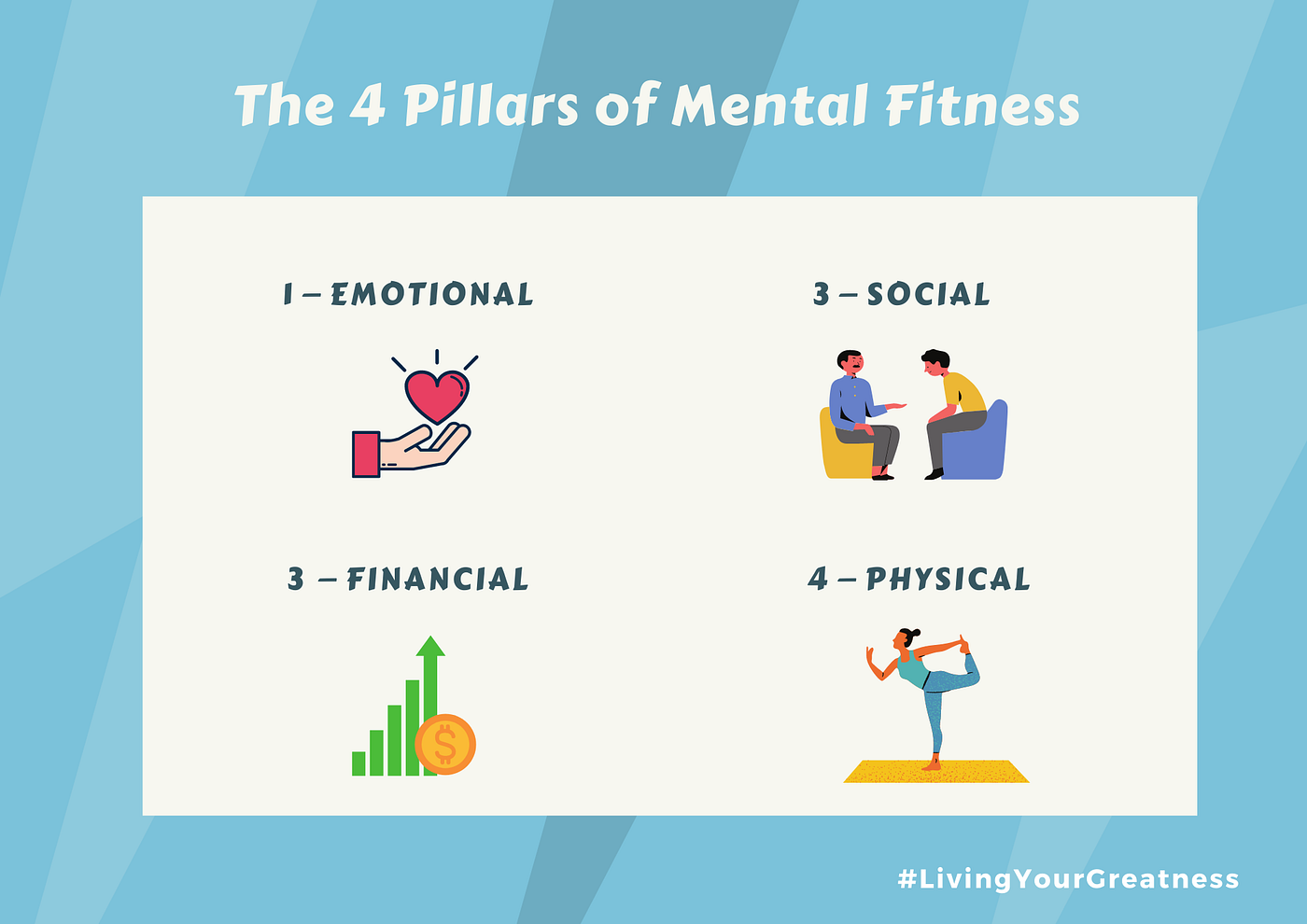
Credit: medium.com
Mental Health Fitness Defined
Mental health fitness involves maintaining emotional and psychological well-being. It means effectively coping with stress and life challenges. Building resilience and positive thinking are key aspects of mental health fitness.
Understanding mental health fitness is vital for maintaining overall well-being. Just like physical fitness, mental health fitness involves strengthening and nurturing your mind. It encompasses a range of practices and habits that enhance your emotional resilience, psychological strength, and overall happiness.What Is Mental Health Fitness?
Mental health fitness refers to the active process of maintaining and improving your mental well-being. It includes developing a balanced mindset, managing emotions effectively, and fostering healthy relationships. Mental health fitness is not just about avoiding mental illness but thriving mentally and emotionally.The Importance Of Mental Health Fitness
Prioritizing mental health fitness can lead to greater life satisfaction and improved relationships. When your mind is fit, you’re better equipped to handle stress, make decisions, and enjoy life’s pleasures. Have you ever noticed how a good mood can make even mundane tasks enjoyable? That’s the power of mental health fitness.How To Build Mental Health Fitness
Building mental health fitness can be as simple as incorporating daily habits that boost your mental well-being. Activities such as practicing gratitude, engaging in regular physical exercise, and maintaining social connections can make a significant difference. You might find that a short walk in nature or a call to a friend lifts your spirits more than expected.Measuring Your Mental Health Fitness
Assessing your mental health fitness involves reflecting on how you feel and function in daily life. Are you able to bounce back from setbacks? Do you feel connected to others? Regular self-check-ins can help you identify areas that need attention and celebrate your mental health victories.Challenges In Achieving Mental Health Fitness
Achieving mental health fitness can come with challenges, such as societal pressures or personal fears. It’s common to face obstacles that test your mental strength. Recognizing these challenges and seeking support when needed can empower you to overcome them and enhance your mental resilience.Conclusion: Your Journey To Mental Health Fitness
Your mental health fitness journey is personal and unique. It’s about discovering what works best for you to maintain a healthy mind. Are you ready to take the next step in prioritizing your mental health? Start today by exploring small changes that can lead to big improvements in your mental fitness.
Credit: www.facebook.com
Importance Of Emotional Well-being
Emotional well-being is a cornerstone of mental health fitness. It’s about understanding and managing your emotions, which directly impacts how you navigate daily life. When you prioritize emotional well-being, you equip yourself to handle stress, build resilience, and foster healthy relationships.
Understanding Emotional Well-being
Emotional well-being involves recognizing and accepting your emotions, whether they’re positive or negative. It’s not about suppressing feelings but rather understanding their source and impact. This self-awareness helps you respond to situations in a balanced way.
Benefits Of Prioritizing Emotional Health
When you focus on emotional health, you improve your mental clarity and decision-making skills. It can lead to better interpersonal relationships and a higher quality of life. By staying emotionally healthy, you enhance your ability to cope with life’s challenges.
Practical Ways To Enhance Emotional Well-being
- Daily Reflection:Spend a few minutes each day reflecting on your emotions. Journaling can help you track patterns and triggers.
- Mindful Breathing:Practice mindful breathing exercises to calm your mind and center your thoughts.
- Open Communication:Share your feelings with trusted friends or family. Expressing emotions can be therapeutic.
Personal Story: The Power Of Acknowledging Emotions
There was a time when I felt overwhelmed by stress at work. By taking a step back to acknowledge my emotions, I was able to identify the root cause. This awareness allowed me to address the issue directly, leading to a more balanced work-life. Have you ever taken time to truly understand what you’re feeling?
Emotional Well-being In Everyday Life
Incorporate emotional health practices into your daily routine, like setting aside time for relaxation or pursuing hobbies that bring joy. Your emotional well-being affects how you engage with others and react to life’s ups and downs. How do you plan to enhance your emotional well-being today?
Components Of Mental Fitness
Mental health fitness involves emotional resilience, cognitive sharpness, and social well-being. Key components include stress management, positive thinking, and effective communication. Regular mindfulness practices and physical activities enhance mental strength and balance.
Mental fitness is as vital as physical fitness. It involves nurturing various aspects of your mind. Understanding its components can enhance your overall well-being. Each component contributes uniquely to mental health fitness. Let’s delve into these essential elements.Emotional Awareness
Emotional awareness is recognizing and understanding your feelings. It involves identifying emotions as they arise. This awareness helps you manage your reactions effectively. You become more in tune with your emotional state. It fosters better relationships and communication. You learn to express feelings constructively.Stress Management
Stress management is about handling life’s pressures smoothly. It involves techniques to reduce stress impacts. You develop coping strategies to maintain calm. Relaxation methods like meditation can be useful. Breathing exercises are also beneficial. Managing stress improves mental clarity and focus.Resilience Building
Resilience building strengthens your ability to bounce back. It involves developing perseverance against challenges. You cultivate positive thinking and optimism. Resilience helps in overcoming setbacks gracefully. It enhances your ability to adapt to change. You grow stronger through life’s experiences.Benefits Of Mental Health Fitness
Mental Health Fitness strengthens emotional resilience and improves overall well-being. It reduces stress and enhances focus, promoting a balanced life. Engaging in activities that boost mental health fosters positivity and mental clarity.
Mental health fitness is a concept that emphasizes the importance of maintaining a healthy mind, just as we focus on physical health. The benefits of mental health fitness extend into various aspects of your life, contributing to improved emotional stability, stronger relationships, and better decision-making. By nurturing your mental well-being, you can equip yourself to handle life’s challenges with greater resilience and clarity.Enhanced Emotional Stability
When you prioritize mental health fitness, you develop a more balanced emotional state. This means fewer mood swings and a greater ability to cope with stress. Imagine waking up feeling calm and composed, even on days filled with unexpected setbacks. You become better at identifying what triggers your emotions and more skilled in managing them. This heightened awareness allows you to respond to situations thoughtfully rather than react impulsively.Improved Relationships
Mental health fitness significantly impacts your relationships. When your mind is in a good place, you communicate more effectively, empathize with others, and build stronger connections. Have you ever noticed how difficult conversations become easier when you’re mentally well? You listen actively and express yourself clearly, fostering trust and understanding. This doesn’t just benefit romantic relationships but also friendships, family bonds, and professional interactions.Better Decision Making
A fit mind leads to sharper decision-making skills. With a clear head, you’re able to weigh options and foresee potential outcomes more accurately. Think about those moments when you felt overwhelmed by choices, leading to indecision or regret. Mental health fitness can help you navigate such situations with confidence. By reducing mental clutter, you gain the ability to focus on what’s truly important, making choices that align with your values and goals.Practices For Mental Fitness
Mental health fitness is as vital as physical fitness. It involves practices that boost mental strength and resilience. Engaging in these activities can improve your mood and reduce stress. They help you to cope better with life’s challenges. Below are some key practices to enhance your mental fitness.
Mindfulness And Meditation
Mindfulness helps you focus on the present. It reduces anxiety and stress. Meditation is a powerful tool for mental clarity. Spend a few minutes each day in quiet reflection. It calms the mind and improves concentration. You can start with guided meditation apps. These provide easy instructions for beginners.
Physical Activity
Exercise benefits both body and mind. Physical activity releases endorphins, which boost happiness. A simple walk can lift your mood. Aim for at least 30 minutes of activity most days. Choose activities you enjoy. This makes it easier to stick with them. Dancing, biking, or yoga are great options.
Healthy Lifestyle Choices
Good nutrition supports mental health. Eat a balanced diet rich in fruits, vegetables, and whole grains. Stay hydrated and limit caffeine and sugar. Sleep also plays a crucial role. Aim for 7-9 hours of restful sleep each night. Avoid screens before bedtime to improve sleep quality. Social connections are important too. Spend time with friends and family regularly.
Barriers To Achieving Mental Fitness
Mental health fitness involves maintaining emotional and psychological well-being. Barriers include stress, lack of support, and stigma surrounding mental health issues.
Barriers to Achieving Mental Fitness Achieving mental fitness is a journey filled with challenges. Many find themselves confronted by obstacles that prevent them from nurturing their mental well-being. Let’s explore some of these barriers and consider how they might be overcome.Stigma And Misunderstanding
Stigma surrounding mental health can be a significant barrier. People often fear judgment, which can discourage them from seeking help. Have you ever hesitated to talk about your feelings because of what others might think? Misunderstandings about mental health issues also persist. Many people view mental health as less important than physical health. This mindset can prevent you from addressing mental health needs as urgently as you would a physical ailment.Lack Of Resources
Access to mental health resources is not always equitable. Some areas have limited mental health services, making it challenging for individuals to get the support they need. Have you ever struggled to find a therapist or counselor who fits your needs? Financial constraints can also pose a significant barrier. Therapy and other mental health services can be expensive, and insurance coverage may be inadequate. This can lead to prolonged suffering and untreated conditions.Cultural Influences
Cultural beliefs can deeply impact perceptions of mental health. In some cultures, discussing mental health issues is taboo or viewed as a sign of weakness. Have you ever felt pressure to “tough it out” because of cultural expectations? These cultural norms can prevent individuals from acknowledging their struggles. It’s important to challenge these beliefs and prioritize your mental fitness, just as you would your physical health. By recognizing and addressing these barriers, you can take the first step toward improving your mental fitness. What changes can you make today to prioritize your mental well-being?Role Of Community And Support Systems
Mental health fitness is vital for well-being. It doesn’t only rely on individual efforts. Community and support systems play a crucial role. They provide a network of care and understanding. This network helps individuals feel connected and supported. A strong community can make a significant difference in mental health.
Understanding Community Support
Community support involves people coming together. They share experiences and offer guidance. This support can come from neighbors, friends, or local groups. Being part of a community fosters a sense of belonging. It helps individuals feel less isolated. This connection can boost mental well-being.
The Importance Of Family And Friends
Family and friends are often the closest support system. They provide emotional support and understanding. Having someone to talk to can reduce stress. It can also help in coping with challenges. Strong bonds with family and friends enhance mental health fitness.
Role Of Mental Health Professionals
Professionals offer structured support and guidance. Therapists and counselors provide a safe space for expression. They help individuals develop coping strategies. This support can complement that of family and community. It ensures comprehensive mental health care.
Creating Supportive Environments
Supportive environments encourage open conversations. Schools and workplaces play a role in this. They can offer programs that promote mental health awareness. Creating such environments reduces stigma. It makes seeking help easier and more acceptable.
Benefits Of Peer Support Groups
Peer support groups connect people with similar experiences. Sharing stories and challenges can be healing. These groups offer understanding and empathy. They provide a sense of community and shared journey. This support can improve mental resilience.
Online Communities And Their Impact
Online platforms offer new support avenues. They connect individuals across different locations. Online communities provide anonymity and accessibility. They offer forums for sharing and advice. This digital support can complement traditional methods.
Incorporating Mental Fitness In Daily Life
Incorporating mental fitness into daily routines nurtures emotional well-being and resilience. It involves practices like mindfulness, healthy relationships, and stress management. Prioritizing mental health fitness can lead to improved focus and happiness.
Incorporating Mental Fitness in Daily Life involves small, consistent changes that nurture your mind and enhance your overall well-being. Just as you wouldn’t expect to run a marathon without training, mental fitness requires daily attention and practice. The key is to find routines and habits that seamlessly integrate into your life, fostering resilience and positivity.Setting Realistic Goals
Start by setting achievable goals. Aim for tasks that challenge you without overwhelming you. Small victories build confidence. If you want to meditate, begin with five minutes a day rather than an hour. This approach ensures progress without frustration. Reflect on your goals regularly and adjust them as needed. Are your expectations reasonable? Are they aligned with your capabilities?Creating A Supportive Environment
Your environment plays a crucial role in mental fitness. Surround yourself with positivity and encouragement. This could mean spending more time with supportive friends or organizing your workspace to reduce stress. Consider how your surroundings affect your mood. A cluttered space can lead to a cluttered mind. Aim to create a calm, inviting atmosphere that nurtures your mental health.Consistency And Commitment
Consistency is key to mental fitness. Make it a daily habit, like brushing your teeth. Commit to activities that stimulate your mind and bring joy. Whether it’s reading, journaling, or practicing gratitude, do it daily. Ask yourself, how committed are you to your mental health journey? Remember, small daily actions lead to significant changes over time. By incorporating these practices, you foster a resilient and healthy mindset. What steps will you take today to enhance your mental fitness?
Credit: news.uga.edu
Frequently Asked Questions
What Is Mental Health Fitness?
Mental health fitness refers to maintaining emotional and psychological well-being. It’s about coping with stress, staying resilient, and nurturing positive mental habits. Regularly engaging in activities like mindfulness, exercise, and social interaction can boost mental health fitness. Prioritizing mental well-being is as crucial as physical health for a balanced life.
Why Is Mental Health Fitness Important?
Mental health fitness is essential for overall well-being. It helps manage stress, enhances resilience, and improves relationships. Good mental health promotes better decision-making and productivity. It also reduces the risk of mental illnesses, ensuring a healthier, happier life. Prioritizing mental fitness leads to a more fulfilling and balanced existence.
How Can I Improve My Mental Health Fitness?
Improving mental health fitness involves regular exercise, mindfulness practices, and social connections. Engaging in hobbies, getting adequate sleep, and maintaining a balanced diet also contribute. Seeking professional help when needed is crucial. Consistently practicing these habits fosters resilience, reduces stress, and enhances overall mental well-being.
What Are Signs Of Good Mental Health Fitness?
Signs of good mental health fitness include emotional stability, positive relationships, and effective stress management. Individuals often display resilience, optimism, and adaptability. They maintain a balanced lifestyle, have a sense of purpose, and experience satisfaction in life. Good mental health allows for better decision-making and problem-solving skills.
Conclusion
Mental health fitness matters. It affects daily life and overall well-being. Simple steps can boost it. Exercise and healthy eating help. Mindfulness calms the mind. Social connections provide support. Small changes lead to big impacts. Prioritize mental health every day.
It’s as important as physical health. Recognize stress and manage it. Seek professional help when needed. Everyone can work on mental fitness. Stay proactive about mental health. Feel better, live better. Remember, it’s a journey. Stay committed and positive.