
Have you ever wondered why some people can run marathons, climb mountains, or swim long distances without getting tired? The secret lies in their cardio respiratory endurance.
But what exactly is this mysterious endurance that keeps them going? Imagine being able to walk up a flight of stairs without losing your breath or enjoying a game of soccer without feeling exhausted. Cardio respiratory endurance is the key to unlocking these abilities and more.
It’s about how well your heart, lungs, and muscles work together to keep you moving. Understanding this concept can transform your fitness journey and improve your quality of life. So, if you’re ready to discover how to boost your energy levels and stamina, keep reading. You’ll learn how cardio respiratory endurance can become your strongest ally in achieving a healthier, more active lifestyle.
Cardio Respiratory Endurance Basics
Understanding cardio respiratory endurance is crucial for fitness. It is the ability of your heart, lungs, and muscles to work together. This endurance helps you perform activities for long periods. It is essential for overall health and stamina. Let’s dive into the basics.
Definition And Importance
Cardio respiratory endurance is the body’s capacity to supply oxygen. It supports muscles during extended physical activities. Better endurance leads to a healthier heart and lungs. It reduces the risk of diseases. It also improves energy levels and boosts mood. Regular exercise enhances this endurance. It can transform your daily life.
Components Of Endurance
Several factors contribute to endurance. The first is cardiovascular strength. A strong heart pumps blood efficiently. Second is respiratory capacity. Healthy lungs absorb oxygen well. Third is muscular strength. Strong muscles use oxygen effectively. These components work together. They ensure stamina and prolonged activity.
:max_bytes(150000):strip_icc()/VWH-GettyImages-1470956177-0d9b403934b24d6ca2f31e10176c615e.jpg)
Credit: www.verywellhealth.com
Physiological Benefits
Cardio respiratory endurance is the body’s ability to deliver oxygen during exercise. It strengthens the heart and lungs, improving overall stamina and energy levels. Enhanced endurance supports daily activities and promotes long-term health.
Cardio respiratory endurance is more than just a fitness buzzword. It’s a cornerstone of your overall health, offering a wealth of physiological benefits that improve your daily life. By strengthening your heart and lungs, you enable your body to efficiently distribute oxygen and nutrients, enhancing your stamina and vitality. Imagine climbing a flight of stairs without feeling winded or chasing after your kids with ease. These benefits are not just about physical capacity; they translate into a better quality of life.Improved Heart Health
Your heart is like the engine of your body. Strengthening this muscle through cardio respiratory endurance activities can reduce the risk of heart disease. Regular exercise increases your heart’s ability to pump blood more efficiently, reducing the strain on this vital organ. Consider how your heart rate stabilizes during stress when you consistently engage in cardio exercises. It’s not just about preventing illness; it’s about feeling more energized and ready to tackle life’s challenges with a strong heart.Enhanced Lung Capacity
Think of your lungs as the gateway to the oxygen your body craves. Cardio respiratory endurance training expands your lung capacity, enabling them to draw in more air and expel it more effectively. This means you’re not just breathing deeper; you’re breathing smarter. With enhanced lung capacity, you find yourself more resilient during physical activities and less prone to fatigue. Picture yourself hiking that scenic trail with ease, taking in the fresh air and enjoying nature without the usual shortness of breath. How much more could you enjoy life with lungs that work optimally?Fitness Assessment Techniques
Fitness assessment techniques are essential tools for understanding your cardio respiratory endurance. They provide a snapshot of how well your heart, lungs, and muscles work together during exercise. By measuring this endurance, you can tailor your workouts more effectively to improve overall fitness.
Vo2 Max Testing
VO2 Max testing is one of the most precise methods to assess your cardio respiratory endurance. It measures the maximum amount of oxygen your body can use during intense exercise. This test usually requires specialized equipment and is often conducted in a lab setting.
During the test, you wear a mask connected to a machine that measures oxygen intake and carbon dioxide output. The results can help you understand your aerobic capacity, which is crucial for endurance athletes. If lab testing isn’t available, some fitness centers offer VO2 Max estimates using submaximal tests.
Field Tests For Endurance
Field tests are practical alternatives to lab tests and can be performed in various settings. The Cooper Test, for example, involves running as far as possible in 12 minutes. This test is simple yet effective for gauging your endurance level.
Another popular field test is the 1.5-mile run, which is commonly used in military and athletic settings. These tests provide a good indication of your current fitness level without needing expensive equipment. Have you ever tried these tests to see where you stand?
Field tests offer flexibility and can be easily repeated to track progress over time. Consistency in testing conditions will help ensure accurate results. Choose a test that aligns with your fitness goals and environment for the best outcomes.
Training Methods
Cardio respiratory endurance refers to the body’s ability to sustain aerobic activities over a prolonged period. It involves efficient functioning of the heart, lungs, and muscles, ensuring steady energy and oxygen supply during exercises like running, swimming, or cycling.
Improving your cardio respiratory endurance can be a game-changer for your overall health and fitness. By focusing on the right training methods, you can boost your stamina, enhance your heart health, and enjoy a more active lifestyle. Below, we’ll explore two effective training methods to enhance your cardio respiratory endurance: aerobic exercises and interval training.Aerobic Exercises
Aerobic exercises are the cornerstone of building cardio respiratory endurance. These activities involve continuous movement that elevates your heart rate and keeps it there for an extended period. Think of activities like jogging, swimming, or cycling. The beauty of aerobic exercises lies in their simplicity and accessibility. You don’t need fancy equipment or a gym membership to get started. A brisk walk around your neighborhood or a morning swim can do wonders. Consistency is key. Aim for at least 150 minutes of moderate aerobic activity each week. Can you commit to a daily routine that gets your heart pumping?Interval Training
Interval training is a powerful tool for enhancing cardio respiratory endurance. This method involves alternating between periods of high-intensity exercise and lower-intensity recovery. It’s not just for elite athletes—anyone can benefit from this approach. Imagine sprinting for 30 seconds, then walking for a minute. This pattern keeps your body guessing and pushes your cardiovascular system to adapt. The result? Improved endurance and a more efficient heart. Start by integrating interval training into your regular workout routine. Even a beginner can start with short bursts of intensity. Are you ready to challenge yourself and take your endurance to the next level? By incorporating these training methods, you’ll be on your way to stronger lungs, a healthier heart, and a more energetic life. Whether you prefer the steady pace of aerobic exercises or the dynamic challenge of interval training, the choice is yours. What will you choose to elevate your cardio respiratory endurance today?Nutrition And Hydration
Cardio respiratory endurance is a crucial aspect of fitness that determines how well your heart, lungs, and muscles work together during physical activity. Nutrition and hydration play a vital role in enhancing this endurance. Understanding the right balance of nutrients and maintaining proper hydration can make a significant difference in how effectively your body performs during exercise.
Role Of Diet
A balanced diet is essential for boosting cardio respiratory endurance. Consuming a mix of carbohydrates, proteins, and fats can fuel your workouts and aid recovery. Carbohydrates are particularly important as they provide the energy needed for intense physical activity. Imagine running a marathon fueled solely by junk food—your performance would suffer.
Incorporate whole grains, fruits, and vegetables into your meals. They not only provide energy but also supply vitamins and minerals that support heart health. Protein aids in muscle repair, making it crucial after a strenuous workout. Don’t just focus on what you eat before a workout; your overall diet impacts your endurance.
Importance Of Hydration
Proper hydration is often overlooked yet crucial for cardio respiratory endurance. Dehydration can lead to fatigue, dizziness, and poor performance. Water is your best friend when it comes to keeping your body running smoothly during exercise.
Consider this: even mild dehydration can impair your body’s ability to deliver oxygen to your muscles. Keeping a water bottle handy during workouts is a simple yet effective strategy. But don’t wait until you’re thirsty—drink water regularly throughout the day to maintain optimal hydration.
Electrolytes are also important, especially during long workouts. They help balance fluid levels in your body. You might want to try sports drinks that provide these electrolytes, but be cautious of their sugar content. Remember, staying hydrated is not just about drinking water; it’s about ensuring your body has the necessary fluids to perform its best.
Progress Tracking
Progress tracking is an essential component of improving your cardio respiratory endurance. It’s not just about keeping tabs on numbers; it’s about celebrating small victories and understanding your body better. Whether you’re aiming to run faster or breathe easier during workouts, tracking progress can be a motivating tool that helps you stay focused and committed. Let’s explore how you can effectively monitor your cardio respiratory endurance journey.
Setting Realistic Goals
When setting goals for your cardio respiratory endurance, it’s crucial to be realistic. Start by assessing your current fitness level. Consider factors like age, lifestyle, and existing health conditions. Aim for achievable milestones that challenge you without pushing you too hard.
For example, if you’re new to running, setting a goal to run a mile without stopping is a great start. As you progress, increase your distance gradually. Remember, setting realistic goals helps prevent burnout and keeps your motivation high.
Monitoring Improvements
Tracking improvements can be as simple as maintaining a workout journal. Note the distance, time, and intensity of each session. Use apps or wearable tech to measure heart rate or calories burned.
Compare your current stats with past records to see tangible improvements. Are you able to run longer distances without feeling exhausted? Is your recovery time after exercise getting shorter? These are signs of progress.
Don’t forget to celebrate these achievements, no matter how small. Recognizing improvements boosts your confidence and encourages you to aim higher.
Common Mistakes To Avoid
Cardio respiratory endurance is vital for overall fitness. It helps the heart, lungs, and muscles work efficiently during exercise. Many people make mistakes that hinder their progress. Understanding these common mistakes can help improve endurance safely and effectively.
Overtraining Risks
Overtraining is a common mistake in endurance training. Pushing too hard can cause fatigue and injuries. Listen to your body and rest when needed. Exercise should challenge, not harm. Balance workout intensity with adequate rest.
Neglecting Recovery
Recovery is crucial for building endurance. Skipping rest days or cool-downs can lead to burnout. Muscles need time to repair and grow stronger. Prioritize sleep and nutrition for optimal recovery. Hydration is also key in aiding recovery processes.
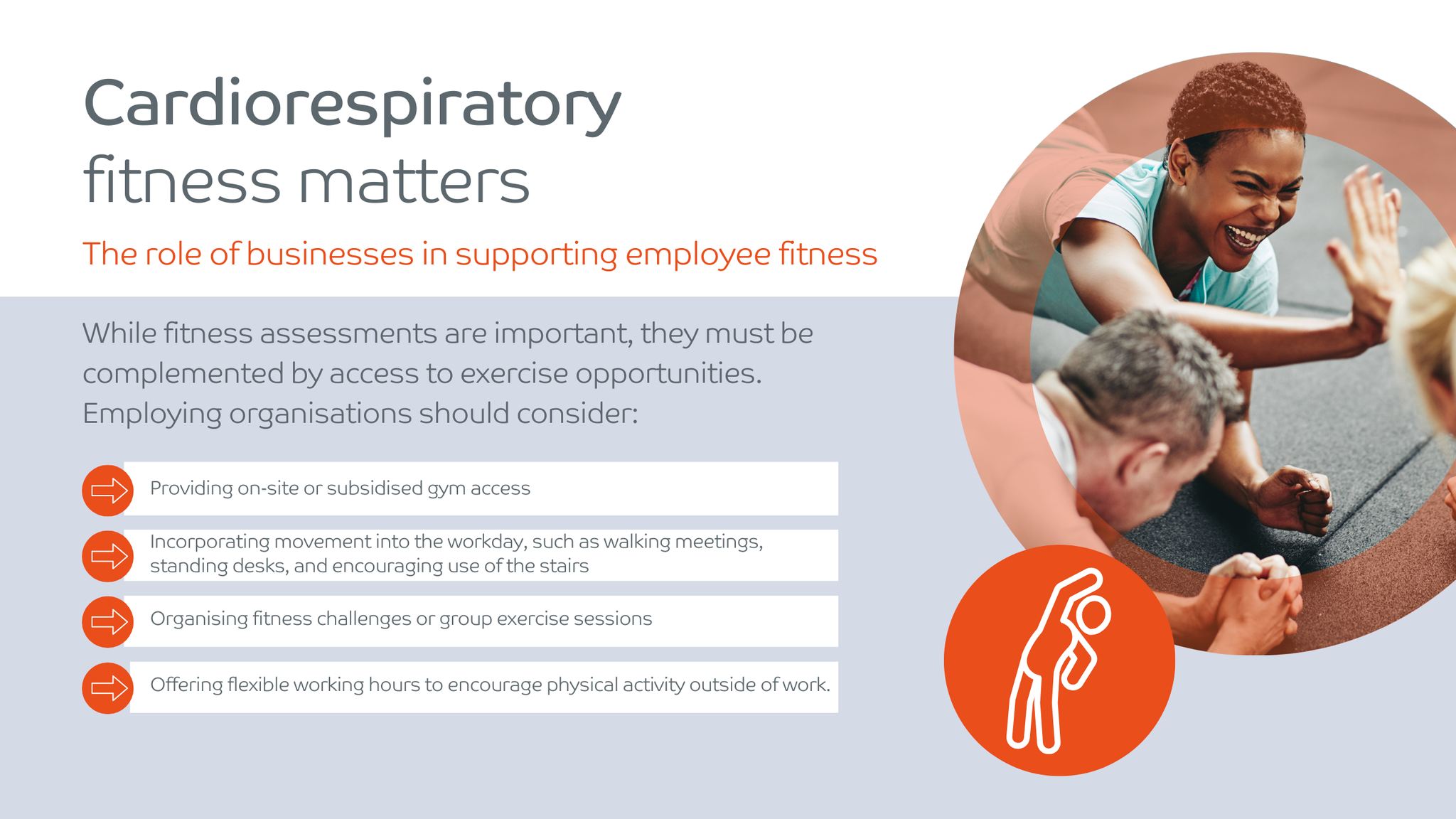
Credit: www.facebook.com
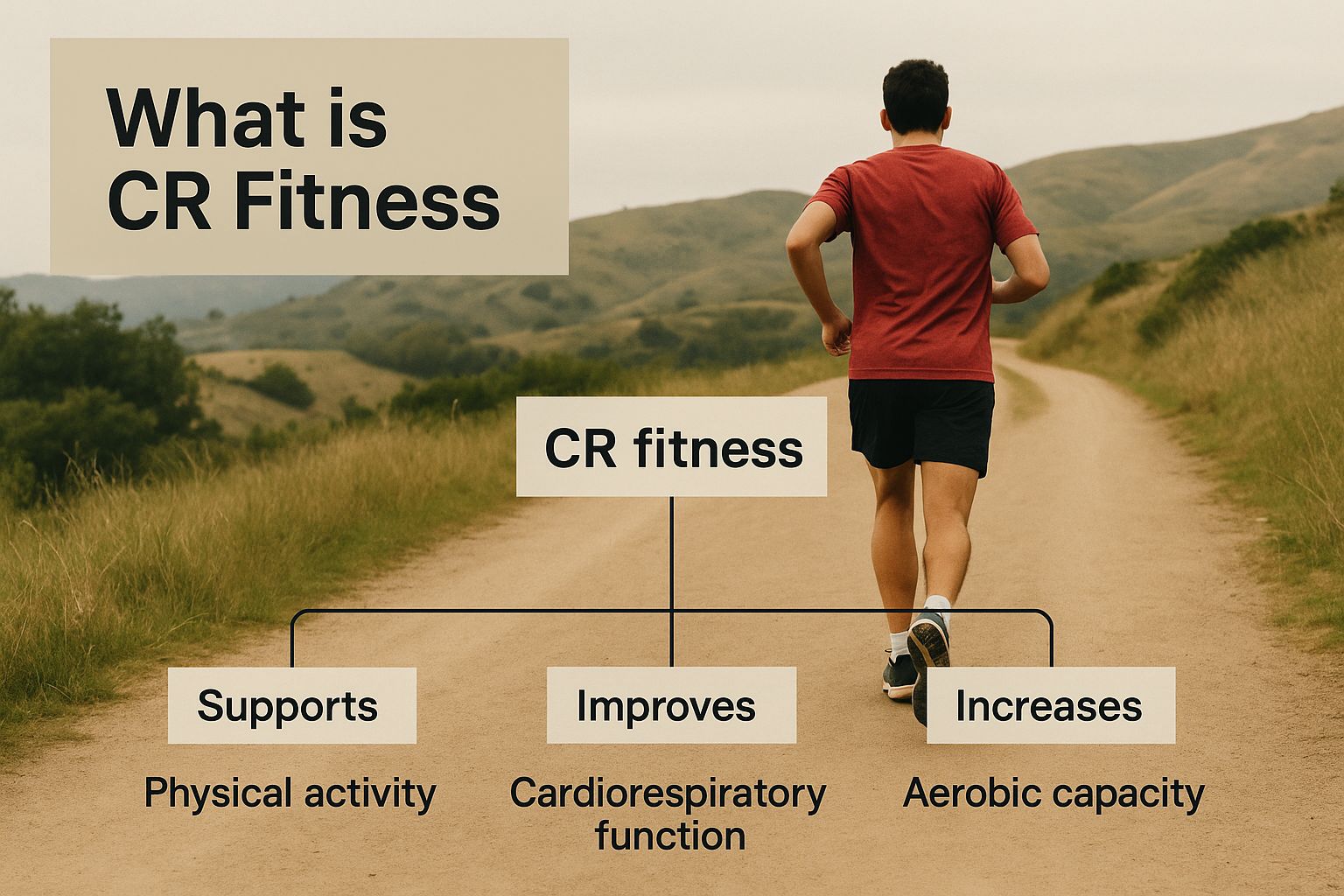
Credit: www.cartwrightfitness.co.uk
Frequently Asked Questions
What Is Cardio Respiratory Endurance?
Cardio respiratory endurance is the ability of the heart, lungs, and muscles to sustain prolonged physical activity. It involves efficient oxygen delivery and utilization, enhancing overall stamina and energy levels. High endurance improves performance in sports and daily activities, contributing to better health and reduced fatigue.
How Does Cardio Respiratory Endurance Benefit Health?
Improved cardio respiratory endurance enhances heart and lung efficiency, reducing the risk of chronic diseases. It boosts energy levels, aids in weight management, and enhances mental well-being. Regular endurance exercise can lower blood pressure, improve cholesterol levels, and increase overall longevity.
What Exercises Improve Cardio Respiratory Endurance?
Activities like running, swimming, cycling, and brisk walking improve cardio respiratory endurance. These exercises engage large muscle groups, promoting cardiovascular efficiency. Consistent practice strengthens the heart and lungs, enhancing endurance over time. Aim for moderate-intensity workouts to achieve optimal results.
How To Measure Cardio Respiratory Endurance?
Cardio respiratory endurance is measured using VO2 max tests, which assess maximum oxygen uptake. Field tests like the Cooper Test or step tests also provide estimates. These assessments help determine fitness levels and guide training adjustments for improved endurance.
Conclusion
Cardio respiratory endurance boosts your health and energy. It helps your heart and lungs work better. You can run longer, breathe easier. Regular exercise improves endurance. Walking, cycling, or swimming all help. Start slowly and increase intensity. Soon, you’ll feel stronger and more energetic.
It’s not just about exercise. It’s about a healthier life. Remember, consistency is key. Stick with it and see the results. A healthier you is within reach. Keep moving, stay committed. Your endurance will improve over time. Enjoy the journey to better health.