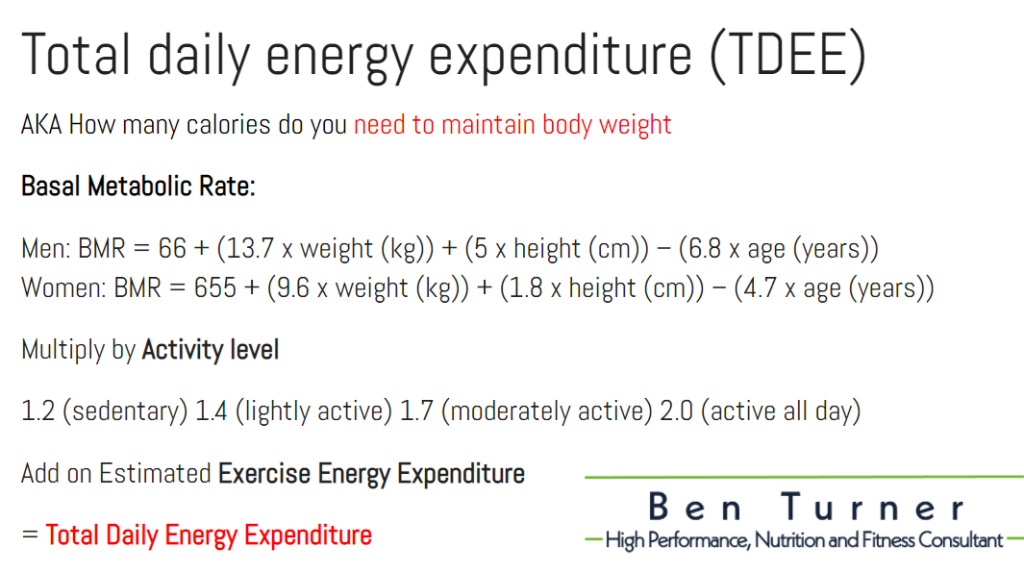
Are you looking to boost your sports performance? Understanding the balance between energy intake and expenditure might be the game-changer you need.
Imagine your body as a finely-tuned machine; the energy you consume and use directly impacts how well it functions. But what does this mean for you, an athlete striving for peak performance? We’ll break down how energy intake and expenditure work together to influence your athletic capabilities.
By mastering this balance, you can optimize your training, enhance your endurance, and achieve your sports goals. Ready to unlock the secrets of energy management in sports? Let’s dive in and explore how you can harness this knowledge to elevate your performance.

Credit: www.mysportscience.com
Energy Balance In Sports
Energy balance is crucial in sports. It determines an athlete’s performance. The balance involves two main aspects: energy intake and energy expenditure. Understanding this balance helps athletes optimize their performance. Let’s explore each component.
Concept Of Energy Intake
Energy intake refers to the calories consumed from food and drinks. Athletes need the right amount of energy to fuel their activities. Consuming too little can lead to fatigue and poor performance. Eating too much may cause weight gain. It’s essential to tailor intake based on training intensity and goals. Carbohydrates, proteins, and fats all play a role. They provide the body with necessary nutrients. Proper intake supports muscle recovery and growth.
Role Of Energy Expenditure
Energy expenditure is the calories burned during activities. This includes exercise and daily movements. Athletes burn more calories due to intense training. Understanding expenditure helps in planning meals and snacks. It ensures energy stores are replenished. This is vital for maintaining performance levels. Different sports have varying energy demands. For example, endurance sports require more energy. Monitoring expenditure allows for better energy management.
Impact On Athletic Performance
Energy balance directly affects athletic performance. Adequate intake and expenditure lead to optimal performance. It enhances endurance, strength, and recovery. An imbalance can lead to decreased performance. This may increase the risk of injuries. A well-managed energy balance supports overall health. It keeps athletes at the top of their game. Coaches and nutritionists often guide athletes in maintaining this balance. It’s a key factor in achieving sports success.
Components Of Energy Intake
Understanding energy intake is essential for sports performance. It involves consuming the right nutrients for optimal health and activity. Proper energy intake supports training, competition, and recovery. Let’s dive into its key components.
Macronutrient Contributions
Macronutrients are the body’s primary energy sources. They include carbohydrates, proteins, and fats. Carbohydrates provide quick energy, crucial for intense activities. Proteins repair and build muscle tissues. Fats offer sustained energy, supporting long-duration exercises. Balancing these macronutrients is vital for athletes.
Importance Of Micronutrients
Micronutrients are vitamins and minerals. They play a significant role in energy metabolism. Vitamins like B12 boost energy production. Minerals such as iron support oxygen transport. Insufficient micronutrients can lead to fatigue and poor performance. Athletes need to ensure adequate intake of these nutrients.
Timing And Meal Planning
Timing of meals affects energy levels. Eating before exercise provides necessary fuel. Post-workout meals help recovery and muscle repair. Planning meals around training sessions is crucial. This ensures athletes have consistent energy and can perform their best.
Factors Influencing Energy Expenditure
Energy intake and expenditure play a crucial role in sports performance. Metabolism, physical activity, and body composition are key factors affecting energy expenditure. Understanding these elements helps athletes optimize their performance and maintain optimal energy balance.
Understanding the factors that influence energy expenditure is crucial for optimizing sports performance. Energy expenditure isn’t just about burning calories during a workout. It’s a complex equation influenced by several key factors. Knowing these can help you tailor your training and nutrition for maximum efficiency and results.Basal Metabolic Rate
Your Basal Metabolic Rate (BMR) represents the energy your body needs to maintain basic physiological functions while at rest. This includes breathing, circulating blood, and cell production. BMR can account for up to 70% of your total energy expenditure. Genetics, age, and body composition significantly influence your BMR. Muscle tissue burns more calories than fat, so athletes with higher muscle mass often have a higher BMR. Consider a strength training regimen to boost your muscle mass, which can increase your BMR over time.Physical Activity Levels
Physical activity is the most variable component of energy expenditure. It includes all movements, from structured exercise to daily tasks like walking or cleaning. The intensity, duration, and frequency of your workouts greatly impact how much energy you expend. Think about your typical workout week. Are you balancing high-intensity sessions with adequate recovery? Are you incorporating varied activities to keep your routine engaging? Adjusting these factors can optimize your energy expenditure and improve performance.Thermic Effect Of Food
The Thermic Effect of Food (TEF) refers to the energy required to digest, absorb, and metabolize nutrients. TEF accounts for about 10% of your daily energy expenditure. The type of food you consume can influence TEF significantly. Proteins generally have a higher thermic effect compared to fats and carbohydrates. Including a balanced amount of protein in your meals can slightly boost your energy expenditure. Next time you plan your meals, consider how your food choices impact not just your nutrition but also your energy levels. Do you track these factors in your training routine? Understanding the nuances of energy expenditure can lead to smarter strategies for improving your sports performance.Assessing Energy Needs
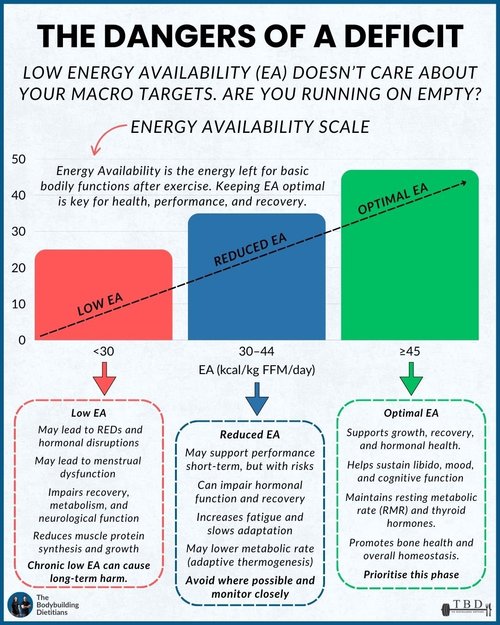
Assessing energy needs in sports performance is crucial for athletes. They require precise energy intake and expenditure to perform optimally. Understanding these needs helps maintain balance and supports training goals. Proper assessment ensures athletes get the right amount of energy for peak performance.
Individual Variability
Each athlete has unique energy requirements. Factors like age, weight, and activity level play a role. Athletes need personalized plans to meet their specific needs. This individual approach helps optimize performance and recovery.
Use Of Technology And Tools
Modern tools aid in assessing energy needs. Wearable devices track physical activity and energy expenditure. Apps help monitor caloric intake and balance. Technology provides accurate data for better decision-making.
Monitoring And Adjustments
Continuous monitoring is essential for athletes. Regular checks ensure they stay on track with their energy goals. Adjustments may be needed based on training intensity and competition schedules. Monitoring helps in making timely changes for sustained performance.
Strategies To Optimize Energy Balance
Balancing energy intake and expenditure is key in sports performance. Athletes need the right amount of calories for energy. Proper intake helps with endurance, strength, and recovery.
To excel in sports, maintaining the right energy balance is crucial. Athletes must carefully manage energy intake and expenditure. This helps them perform at their best. Optimizing energy balance involves three key strategies. They include nutritional strategies, training adjustments, and recovery and rest. Each plays a vital role in achieving peak performance.Nutritional Strategies
Proper nutrition fuels an athlete’s body. It’s important to consume balanced meals. Carbohydrates provide essential energy. Proteins repair and build muscles. Fats support hormone production. Eating the right amounts is vital. Consider meal timing as well. Pre-workout snacks can boost energy levels. Post-workout meals aid recovery. Hydration is equally important. Water helps regulate body temperature. It also transports nutrients.Training Adjustments
Tailoring training programs can enhance energy efficiency. Vary workout intensity to match energy levels. High-intensity sessions should align with peak energy. Lighter sessions fit lower energy periods. Cross-training can prevent overuse injuries. It diversifies muscle engagement. Monitoring and adjusting based on feedback is crucial. Listen to your body. Some days may require rest.Recovery And Rest
Adequate rest is essential for energy balance. Sleep is a key component. It helps the body repair and recharge. Aim for 7-9 hours of quality sleep. Include rest days in training schedules. These prevent burnout and reduce injury risk. Consider techniques like stretching and massage. They aid muscle recovery. Mindfulness and relaxation practices also help. They reduce stress and improve mental focus.Common Challenges And Solutions
Balancing energy intake and expenditure is crucial in sports. Athletes often struggle with maintaining optimal levels. Proper nutrition and monitoring help achieve peak performance.
When it comes to optimizing sports performance, understanding energy intake and expenditure is crucial. Athletes often face challenges balancing these aspects, which can impact their performance and overall well-being. Navigating these challenges requires awareness and strategic planning. Let’s explore some common hurdles and their solutions.Managing Weight And Body Composition
Athletes frequently struggle with maintaining an ideal weight and body composition. Balancing energy intake to match expenditure is key. To manage this, track your caloric intake using apps or food diaries. Adjust your diet to ensure you’re getting the right macronutrients. Engage with a nutritionist who can tailor a plan to your specific needs, considering your sport and individual goals.Avoiding Underfueling And Overtraining
Underfueling can lead to fatigue and decreased performance. Conversely, overtraining without adequate fuel can result in injury. Listen to your body. Are you feeling constantly tired or struggling to recover? It might be time to adjust your energy intake. Ensure you consume enough carbs and proteins. Post-workout meals are crucial for recovery.Dealing With Dietary Restrictions
Dietary restrictions can make balancing energy intake and expenditure challenging. Whether it’s allergies or personal choices, they require careful planning. Research alternative food sources to meet your nutritional needs. For example, if you’re vegan, explore plant-based proteins. Consult with a dietitian. They can help create a balanced meal plan that respects your restrictions while optimizing your performance. What strategies have worked for you in managing these challenges? Addressing them proactively can make a significant difference in your athletic journey.Role Of Sports Nutritionists
Sports nutritionists play a vital role in enhancing athletic performance. They focus on balancing energy intake and expenditure. This is crucial for athletes striving for optimal results. Their expertise helps tailor nutrition plans to meet individual needs. Sports nutritionists ensure athletes get the right fuel for their bodies. This helps improve endurance, strength, and recovery.
Tailored Dietary Plans
Nutritionists design personalized meal plans for athletes. These plans consider factors like age, weight, and activity level. They include the right mix of carbohydrates, proteins, and fats. Proper hydration is also emphasized. Tailored plans ensure athletes maintain energy levels during intense training. This supports peak performance.
Performance Monitoring
Sports nutritionists monitor athletes’ progress closely. They track weight, muscle mass, and overall health. Adjustments to diet are made based on these observations. This helps identify areas needing improvement. Monitoring ensures athletes stay on track with their goals. It aids in preventing fatigue and injuries.
Education And Support
Nutritionists educate athletes on the importance of diet. They provide guidance on choosing the right foods. Athletes learn how nutrition impacts performance and recovery. Support is offered through regular consultations. Nutritionists answer questions and address concerns. This empowers athletes to make informed dietary choices.

Credit: www.instagram.com
Credit: www.thebodybuildingdietitians.com
Frequently Asked Questions
What Is Energy Intake In Sports?
Energy intake refers to the calories consumed through food and beverages. Athletes need adequate energy intake to fuel their bodies for training and competition. Proper energy intake supports muscle growth, recovery, and overall performance. Balancing energy intake with energy expenditure is crucial for optimal sports performance.
How Does Energy Expenditure Affect Athletes?
Energy expenditure is the calories burned during physical activities and daily functions. Athletes have higher energy expenditure due to intense training. Balancing expenditure with intake is essential for maintaining energy levels, preventing fatigue, and optimizing performance. Proper management of energy expenditure enhances recovery and reduces injury risk.
Why Is Energy Balance Important In Sports?
Energy balance is crucial for maintaining weight and performance. An imbalance can lead to fatigue, reduced performance, and increased injury risk. Athletes need to consume adequate energy to match their expenditure. Maintaining energy balance supports muscle recovery, enhances endurance, and boosts overall athletic performance.
How Can Athletes Optimize Energy Intake?
Athletes can optimize energy intake by consuming nutrient-dense foods. Focus on carbohydrates, proteins, and healthy fats. Timing is key; eat before and after workouts for effective fueling and recovery. Consulting a nutritionist can help tailor energy intake to individual needs, ensuring optimal performance and health.
Conclusion
Balancing energy intake and expenditure is crucial for athletes. Optimal performance relies on this balance. Athletes need to fuel their bodies properly. Proper nutrition supports energy needs and enhances endurance. It’s vital for muscle recovery and growth. Monitoring energy levels helps avoid fatigue.
Athletes should adjust their diet based on activity level. This can optimize performance and health. Understanding energy needs makes a big difference. It can help athletes reach their goals effectively. Remember, every athlete is unique. Tailor energy strategies to individual needs for best results.
Keep learning and experimenting for success.