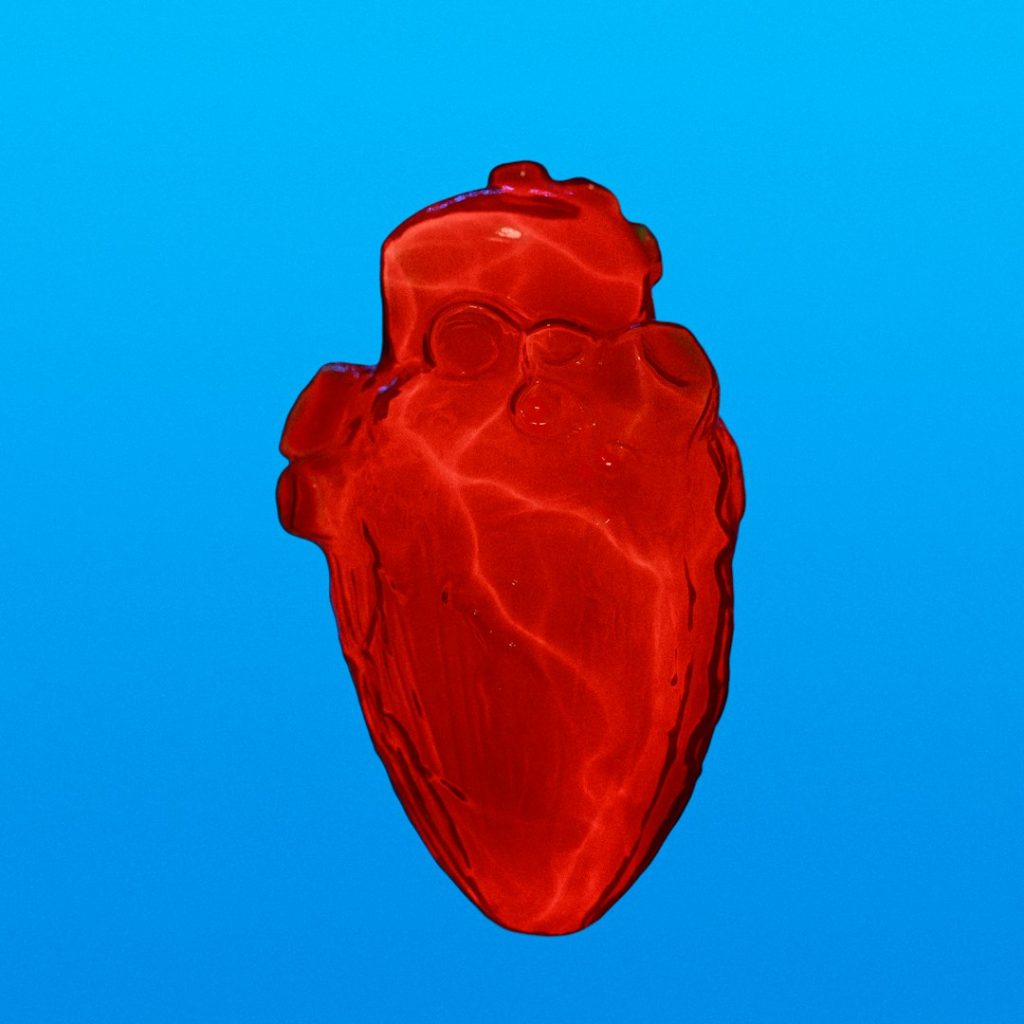
Have you ever wondered why some people can jog for miles without breaking a sweat, while others struggle to climb a flight of stairs? The secret often lies in something called cardiovascular endurance.
This is more than just a fitness buzzword; it’s a crucial component of your overall health and well-being. Imagine having the energy to tackle your day with ease, feeling rejuvenated instead of exhausted. Wouldn’t that be life-changing? Understanding cardiovascular endurance is your first step toward achieving these goals.
You’ll discover exactly what cardiovascular endurance is, why it matters, and how it can transform your life. Get ready to unlock the potential of your heart and lungs, and set yourself on a path to a healthier, more vibrant you.
Cardio-vascular Endurance Basics
Understanding the basics of cardio-vascular endurance is crucial for anyone looking to improve their overall fitness. This aspect of fitness refers to the ability of your heart, lungs, and blood vessels to deliver oxygen to your muscles during prolonged physical activity. It’s not just for athletes; anyone can benefit from enhancing their cardio-vascular endurance.
Definition And Importance
Cardio-vascular endurance is the capacity of your heart and lungs to support sustained physical activity. It allows you to perform activities like running, swimming, or cycling without getting tired quickly. Improving this endurance not only boosts your fitness level but also enhances your heart health and reduces the risk of chronic diseases.
Think about how you feel after climbing a few flights of stairs. Do you get winded? That’s a sign your cardio-vascular endurance might need some work. Enhancing this component of fitness can make everyday tasks easier and more enjoyable.
Key Components
Several key components contribute to cardio-vascular endurance. One of these is aerobic capacity, which refers to how efficiently your body uses oxygen. Activities like jogging or brisk walking can help improve this capacity.
Another component is stamina, the ability to sustain prolonged physical activity. You can build stamina by gradually increasing the duration and intensity of your workouts.
Heart rate is also a critical element. Monitoring your heart rate during exercise ensures you’re training in the right zone for optimal endurance benefits. Try using a fitness tracker to keep an eye on your progress.
Have you ever noticed how some people seem to have endless energy during workouts? That’s the result of well-developed cardio-vascular endurance. By focusing on these components, you too can enjoy longer, more productive sessions.
Improving your cardio-vascular endurance is not just about exercise; it’s about improving your quality of life. So, what steps will you take today to enhance your endurance?
Credit: www.powertrain.com.au
Benefits For Heart Health
Cardio-vascular endurance enhances heart health by improving blood circulation and reducing stress on the heart. Regular exercise strengthens heart muscles, promoting efficient oxygen delivery throughout the body. This boosts overall stamina and supports a healthier lifestyle.
Cardio-vascular endurance is more than just a fitness buzzword. It’s a cornerstone of heart health that can transform the way your body functions. By focusing on building this endurance, you can enjoy a life with a healthier heart, and experience benefits that go beyond just physical wellness.Improved Circulation
One of the most immediate benefits of cardio-vascular endurance is improved circulation. As you engage in aerobic activities, your heart pumps more efficiently, increasing blood flow throughout your body. This enhanced circulation ensures that every organ receives the oxygen and nutrients it needs. Have you noticed how your skin glows after a good run? That’s improved circulation at work!
Consider this: your brain thrives on a steady supply of oxygen-rich blood. By improving circulation, you’re not just keeping your heart in check, but also boosting your mental clarity. Next time you’re stuck on a problem, maybe a brisk walk could be the answer.
Reduced Risk Of Heart Disease
Building cardio-vascular endurance significantly lowers the risk of heart disease. Regular aerobic exercise strengthens the heart muscle, making it more efficient at pumping blood. This efficiency reduces the strain on your heart, lowering blood pressure and cholesterol levels.
Why gamble with heart disease when prevention is within reach? Incorporate activities like swimming, cycling, or even dancing into your routine. Not only will you be reducing the risk of heart disease, but you’ll also be adding a fun element to your life.
Think about the future you want. Isn’t a healthy heart worth the effort? Small changes in your lifestyle can lead to big health benefits, paving the way for a heart-friendly life.
Exercises To Enhance Endurance
Enhancing cardio-vascular endurance is a journey that demands dedication and the right mix of exercises. Whether you’re aiming to run a marathon or simply want to climb stairs without losing breath, specific workouts can make a world of difference. Let’s dive into some effective exercises that can boost your endurance levels.
Aerobic Activities
Aerobic exercises are fantastic for building endurance. Activities like jogging, swimming, and cycling not only improve your heart health but also enhance your stamina over time. Picture yourself running through a scenic park or swimming in a calm pool. These exercises keep your heart rate steady, making your heart stronger and more efficient.
- Running or jogging: Start with a manageable distance and gradually increase.
- Swimming: Offers a full-body workout while being gentle on the joints.
- Cycling: Perfect for those who love the outdoors and want a fun way to boost endurance.
Interval Training
Interval training is all about mixing high-intensity bursts with periods of rest. This method challenges your body and pushes your limits. Imagine sprinting for a minute, then walking for two. This cycle not only raises your heart rate but also improves your body’s ability to recover quickly.
- High-Intensity Interval Training (HIIT): Short bursts of intense activity followed by rest.
- Tabata: 20 seconds of maximum effort followed by 10 seconds of rest.
- Fartlek: Alternating between fast-paced and slow-paced runs.
Strength Training Integration
Combining strength training with aerobic workouts can significantly boost your endurance. Strength exercises build muscle, which supports better cardiovascular performance. Imagine lifting weights to enhance your power while also improving your stamina. This integration not only helps in endurance but also makes everyday activities easier.
- Compound exercises: Squats and lunges that engage multiple muscle groups.
- Resistance training: Incorporating weights or resistance bands.
- Core workouts: Planks and crunches to strengthen your body’s foundation.
So, what are you waiting for? Try out these exercises and witness your endurance soar. Are you ready to challenge your limits and feel more energized than ever before?
Measuring Endurance Levels
Measuring your cardiovascular endurance is crucial to understanding how effectively your heart, lungs, and muscles work together during prolonged physical activity. It’s not just about how long you can run or cycle, but how efficiently your body uses oxygen while doing it. Knowing your endurance level helps tailor your fitness routines and track improvements over time. But how do you measure this vital aspect of fitness?
Fitness Tests
One reliable way to assess cardiovascular endurance is through fitness tests. These tests provide a snapshot of your current endurance level and highlight areas for improvement. A popular choice is the VO2 Max test, which measures the maximum amount of oxygen your body can utilize during intense exercise. Another option is the Cooper Test, where you run as far as possible in 12 minutes. Both tests offer valuable insights into your endurance capabilities.
Simple home tests, like the step test, can also be effective. This involves stepping up and down on a platform for a set duration while monitoring your heart rate. Choose a test that suits your fitness level and available resources. The key is consistency in testing to accurately track your progress.
Monitoring Progress
Tracking progress is essential for enhancing your cardiovascular endurance. Start by recording baseline results from your chosen fitness test. Use a journal or digital app to note changes in distance, time, or VO2 Max levels. Regularly revisit the same test to see how your endurance evolves.
Consider setting specific goals. Do you want to run longer distances or improve your VO2 Max score? Your goals will guide your training focus. Share your progress with friends or a fitness community for motivation and accountability.
Have you ever felt stuck with your fitness goals? Monitoring can reveal patterns you might not notice otherwise. Adjust your training based on these insights to overcome plateaus and continue improving. Remember, endurance is not static; it can improve with dedication and smart strategies.
Nutritional Support
Cardio-vascular endurance refers to the body’s ability to sustain aerobic exercise over time. It improves heart and lung efficiency, helping to deliver oxygen to muscles. Proper nutritional support enhances this endurance, providing the necessary fuel and recovery resources for optimal performance.
Cardiovascular endurance is vital for a healthy lifestyle. Nutrition plays a key role in supporting endurance. Eating the right foods can boost energy and stamina. Proper nutrition can help maintain and improve cardiovascular health.Dietary Considerations
A balanced diet is crucial for cardiovascular endurance. Include plenty of fruits and vegetables. Whole grains provide lasting energy. Lean proteins support muscle repair and growth. Healthy fats are essential for heart health. Avoid processed foods and excess sugar.Hydration Importance
Staying hydrated enhances endurance and performance. Water is vital for every cell in your body. Dehydration can lead to fatigue and reduced stamina. Drink water before, during, and after exercise. Electrolyte-rich drinks can also help replenish lost minerals.
Credit: www.visapoint.travel
Common Mistakes To Avoid
Overtraining can lead to exhaustion and reduced endurance. Ignoring rest days may hinder progress and recovery. Pushing too hard too quickly increases injury risk and may harm cardiovascular health.
Common Mistakes to Avoid Understanding cardio-vascular endurance is key to enhancing fitness levels. Many make errors that hinder progress. Avoid these common pitfalls to ensure steady improvement.Overtraining Risks
Overtraining is a common mistake in cardio workouts. Many push too hard, too soon. This leads to fatigue and injury. Listen to your body. Training every day isn’t necessary. Quality trumps quantity. Balance your workout schedule. Include rest days. This prevents burnout and promotes better results.Neglecting Recovery
Recovery is crucial for building endurance. Many overlook rest periods. Muscles need time to repair and grow. Skipping recovery stalls progress. It also increases the risk of injuries. Proper recovery includes sleep and nutrition. Hydrate and fuel your body well. Stretch after workouts to prevent stiffness. Prioritize recovery for long-term success.Creating A Sustainable Routine
Creating a sustainable routine is key for improving cardiovascular endurance. It requires commitment and a well-structured plan. A routine should fit your lifestyle and goals. This ensures long-term success and progress.
Goal Setting
Clear goals guide your cardiovascular journey. Start with small, achievable objectives. Increase them as your endurance grows. Set specific, measurable targets. For example, aim to jog 2 miles in 20 minutes. Track your progress regularly. This keeps you motivated and focused.
Adapting To Lifestyle Changes
Life can disrupt routines. Be flexible and adjust your plan as needed. Incorporate short workouts during busy days. Use stairs instead of elevators. Walk or bike for short trips. Adapt your routine to fit work or travel schedules. Consistency is key. Even small activities contribute to cardiovascular health.

Credit: www.youtube.com
Frequently Asked Questions
What Is Cardiovascular Endurance?
Cardiovascular endurance is the ability of your heart and lungs to supply oxygen to your muscles during prolonged physical activity. It enhances overall stamina, reduces fatigue, and improves heart health. Regular exercise like running, swimming, or cycling can boost cardiovascular endurance, leading to better physical performance and energy levels.
Why Is Cardiovascular Endurance Important?
Cardiovascular endurance is crucial for overall health and fitness. It strengthens the heart, reduces the risk of heart disease, and improves lung capacity. Enhanced endurance supports daily activities, increases energy levels, and aids in weight management. It also improves mood and reduces stress, contributing to mental well-being.
How Can I Improve Cardiovascular Endurance?
To improve cardiovascular endurance, engage in regular aerobic exercises like walking, jogging, or cycling. Gradually increase the intensity and duration of your workouts. Consistency is key; aim for at least 150 minutes of moderate-intensity exercise weekly. Incorporate interval training and ensure proper rest and nutrition for optimal results.
What Exercises Boost Cardiovascular Endurance?
Exercises like running, swimming, and cycling significantly boost cardiovascular endurance. Aerobic activities such as brisk walking, dancing, and rowing also improve heart and lung function. Consistent practice of these exercises strengthens the cardiovascular system, enhances stamina, and supports overall physical health and performance.
Conclusion
Cardio-vascular endurance matters for healthy living. It keeps your heart strong. Regular exercise boosts energy and improves mood. Aim for gradual progress in workouts. Listen to your body. Take small steps towards better endurance. Enjoy the process and celebrate gains.
A balanced diet supports your journey. Stay hydrated for peak performance. Remember, consistency is key. Celebrate every small victory. Focus on building a healthy lifestyle, not just fitness. Exercise is a lifelong journey. Embrace it with patience and dedication. A healthy heart leads to a healthier life.
Prioritize your well-being every day.