
Have you ever wondered why some people can run marathons while others struggle to climb a flight of stairs? The secret lies in a little-known aspect of fitness called cardio-respiratory endurance.
Imagine being able to engage in physical activities for longer periods without feeling completely drained. Sounds appealing, right? Cardio-respiratory endurance is more than just a fitness buzzword; it’s a vital component of your overall well-being. It determines how efficiently your heart, lungs, and muscles work together to keep you going.
Whether you’re an athlete aiming to enhance your performance, or someone who simply wants to improve everyday stamina, understanding cardio-respiratory endurance could be your game-changer. Ready to unlock the potential of your body’s energy system and discover how to boost your endurance? Let’s dive in and explore what cardio-respiratory endurance really means for you.
Defining Cardio-respiratory Endurance
Cardio-respiratory endurance is the body’s ability to sustain prolonged physical activity. It involves the heart, lungs, and muscles working together efficiently. Improving this endurance boosts overall fitness and health.
Defining Cardio-Respiratory Endurance Cardio-respiratory endurance is key to overall fitness. It refers to the ability of the heart and lungs to supply oxygen during prolonged physical activity. This endurance supports sustained exercise over time. It is crucial for maintaining health and vitality. Understanding the Basics of Cardio-Respiratory Endurance Cardio-respiratory endurance involves multiple systems working together. The heart pumps oxygen-rich blood, while the lungs ensure efficient gas exchange. Muscles use oxygen to produce energy. A well-functioning cardio-respiratory system enhances stamina. Benefits of Strong Cardio-Respiratory Endurance Improved cardio-respiratory endurance boosts energy levels. It helps reduce fatigue during daily activities. A strong system also supports better heart health. It lowers the risk of cardiovascular diseases. How Cardio-Respiratory Endurance is Measured Endurance can be measured through various tests. Common methods include VO2 max tests and step tests. These assess oxygen consumption and heart rate. Results indicate the efficiency of your cardio-respiratory system. Ways to Improve Cardio-Respiratory Endurance Improving endurance requires regular aerobic exercises. Activities like running, swimming, and cycling are effective. Consistent training enhances heart and lung capacity. Gradual increase in intensity helps build endurance. Importance of Cardio-Respiratory Endurance in Daily Life Strong endurance supports active lifestyles. It enables participation in sports and recreation. Everyday tasks become easier with better endurance. Health and energy levels improve significantly.:max_bytes(150000):strip_icc()/VWH-GettyImages-1470956177-0d9b403934b24d6ca2f31e10176c615e.jpg)
Credit: www.verywellhealth.com
Importance In Overall Fitness
Cardio-respiratory endurance is vital for maintaining overall fitness. It enhances heart and lung efficiency, boosting stamina. Improved endurance supports daily activities and reduces fatigue.
Cardio-respiratory endurance is crucial for overall fitness. It reflects how efficiently your heart and lungs supply oxygen during exercise. This endurance supports daily activities, enhances stamina, and improves health. It plays a key role in maintaining a healthy lifestyle. Regularly building this endurance strengthens the heart and lungs, boosting energy levels.Benefits For Heart Health
Improving cardio-respiratory endurance strengthens your heart. A strong heart pumps blood more efficiently. This reduces the risk of heart disease. Regular aerobic activities like walking enhance heart health.Boosts Stamina And Energy
With better endurance, you can exercise longer without tiring. This increased stamina helps you perform daily tasks easily. More energy means you feel less fatigue during the day.Supports Weight Management
Good endurance aids in burning calories effectively. It helps maintain a healthy weight. Regular aerobic exercise supports metabolism. This leads to weight management benefits.Enhances Mental Well-being
Exercise boosts endorphin levels, improving mood. Cardio activities reduce stress, enhancing mental health. Good endurance contributes to a positive mindset. It supports mental clarity and focus.Improves Lung Capacity
Regular aerobic exercise enhances lung function. Better lung capacity allows more oxygen intake. This increases endurance over time. Stronger lungs improve overall respiratory health.Promotes Healthy Aging
Maintaining cardio-respiratory endurance supports healthy aging. It reduces the risk of chronic diseases. Regular exercise keeps bones strong and joints flexible. Enhanced endurance contributes to a better quality of life.Key Physiological Components
Cardio-respiratory endurance measures how well the heart and lungs supply oxygen during prolonged physical activity. It enhances stamina and overall health. Regular exercise boosts this endurance, improving the body’s efficiency in using oxygen.
Understanding the key physiological components of cardio-respiratory endurance is essential. These components include heart function, lung capacity, and oxygen utilization. Each plays a vital role in maintaining overall fitness.Heart Function
The heart is the core of cardio-respiratory endurance. It pumps blood throughout the body. A strong heart increases blood flow efficiency. This means more oxygen reaches your muscles. Regular exercise strengthens the heart. It becomes more efficient with each beat.Lung Capacity
Lung capacity refers to the amount of air your lungs can hold. Larger lung capacity means more oxygen intake. This enhances endurance during physical activity. Breathing exercises can improve lung function. Better lung capacity supports longer exercise sessions.Oxygen Utilization
Oxygen utilization is crucial for energy production. Muscles use oxygen to create energy. Efficient oxygen use delays fatigue. Training improves how muscles use oxygen. This boosts overall endurance levels.
Credit: m.facebook.com
Benefits For Health And Well-being
Cardio-respiratory endurance boosts heart and lung function, enhancing overall stamina. It aids in reducing stress and improves mental clarity. Regular practice leads to better oxygen delivery, promoting a healthier lifestyle.
The benefits of cardio-respiratory endurance extend far beyond physical fitness. By enhancing the capacity of your heart and lungs, you can significantly improve your overall health and well-being. This isn’t just about running longer distances or lifting heavier weights; it’s about creating a lifestyle where your body functions optimally, giving you the energy and resilience to tackle daily challenges.Improved Heart Health
Cardio-respiratory endurance training strengthens your heart, making it more efficient at pumping blood throughout your body. A stronger heart reduces the risk of heart diseases, such as coronary artery disease and high blood pressure. Regular endurance exercises can lower your resting heart rate, a positive indicator of cardiovascular fitness.Enhanced Lung Efficiency
As your endurance improves, your lungs become more efficient at oxygen exchange. This means you can take in more oxygen with each breath and expel carbon dioxide more effectively. With enhanced lung capacity, even climbing a flight of stairs becomes less taxing, allowing you to enjoy activities without feeling out of breath.Increased Energy Levels
Do you often feel sluggish during the day? Improving your cardio-respiratory endurance can boost your energy levels by enhancing your body’s ability to distribute oxygen and nutrients to your muscles. This increased efficiency translates into higher energy, making you feel more alert and active throughout the day. Incorporating cardio-respiratory endurance exercises into your routine might seem daunting, but the rewards are substantial. Have you noticed a change in your energy levels or mood after a brisk walk or a quick jog? Embrace these small victories as they pave the way for long-term health benefits.Measuring Endurance Levels
Cardio-respiratory endurance measures how well the heart and lungs supply oxygen during exercise. It shows overall fitness and health. Regular aerobic activities like running or swimming improve this endurance, boosting stamina and energy levels.
Measuring endurance levels is crucial for understanding your cardio-respiratory fitness. It helps identify strengths and areas for improvement, allowing you to tailor your workouts for better performance. Whether you’re an athlete or just looking to improve your health, knowing how to measure endurance can guide your fitness journey effectively.Vo2 Max Testing
VO2 Max is the gold standard for measuring cardio-respiratory endurance. It calculates the maximum amount of oxygen your body can utilize during intense exercise. This test is usually conducted in a lab, where you’re hooked up to a machine while running on a treadmill or riding a stationary bike. The higher your VO2 Max, the better your endurance. You might be surprised by how this number can change with consistent training. Seeing your progress in a concrete form can be incredibly motivating.Treadmill Stress Tests
Treadmill stress tests are another way to assess your endurance. In this test, you walk or run on a treadmill while your heart rate and breathing are monitored. The test gradually increases in difficulty to push your limits. This test not only measures your endurance but also checks for heart-related issues. It’s a practical way to understand how your body reacts under physical stress.Field Tests And Exercises
Field tests offer a more accessible way to measure endurance without the need for specialized equipment. Simple exercises like the Cooper Test, which involves running as far as possible in 12 minutes, can give you a good indication of your endurance levels. You can also try interval training or long-distance running to gauge how your endurance improves over time. Tracking your progress in these activities can be as rewarding as the workouts themselves. Have you ever thought about how your endurance levels affect your daily life? Knowing your endurance can change the way you approach not just fitness, but everyday activities too.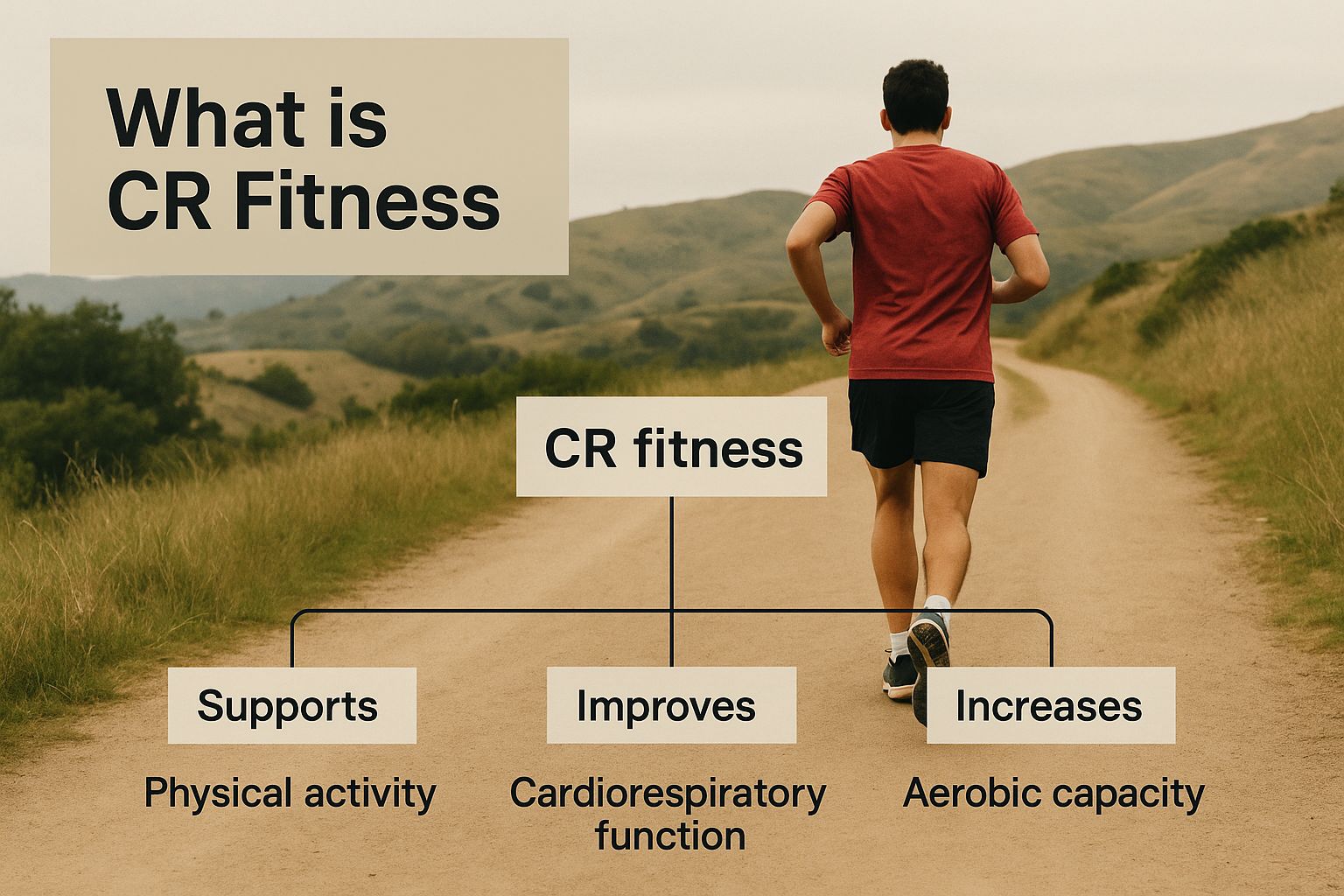
Credit: www.cartwrightfitness.co.uk
Improving Cardio-respiratory Endurance
Cardio-respiratory endurance refers to the ability of the heart and lungs to supply oxygen during prolonged physical activity. Enhancing this endurance boosts overall fitness, supports heart health, and increases stamina. Regular exercise like running, cycling, and swimming effectively builds cardio-respiratory endurance.
Improving cardio-respiratory endurance enhances heart and lung efficiency. It helps in performing daily tasks with less fatigue. Enhancing endurance involves consistent training and lifestyle adjustments. This section explores effective workouts, training tips, and progress tracking. These strategies can lead to better endurance and overall health.Effective Workouts
Select workouts targeting heart and lung strength. Aerobic exercises like jogging, cycling, and swimming are ideal. Gradually increase workout duration and intensity for better results. Incorporate interval training to boost endurance further. Interval training involves alternating between high and low intensity. This method increases cardiovascular capacity effectively.Training Tips
Begin with a warm-up to prepare your body. Stretching reduces the risk of injury. Stay hydrated during workouts to maintain energy levels. Focus on breathing techniques to enhance oxygen intake. Regular workouts improve endurance over time. Listen to your body and rest when needed.Progress Tracking
Monitor your progress to stay motivated. Keep a journal of your workout routines and performance. Use fitness apps to track time, distance, and heart rate. Set achievable goals and celebrate milestones. Assess your endurance improvement periodically. Adjust your training plan based on progress data.Common Myths And Misconceptions
Cardio-respiratory endurance is a crucial aspect of fitness, yet it’s often surrounded by myths and misconceptions. Many people are misled by outdated beliefs or misinformation, which can hinder their fitness progress. Let’s debunk some common myths and ensure you have the right information to enhance your endurance effectively.
Misconception 1: Only Long Workouts Improve Endurance
A common myth is that only lengthy workouts can boost your cardio-respiratory endurance. However, shorter, high-intensity sessions like HIIT can be equally effective. It’s all about the quality of your workout, not just the duration.
Misconception 2: Cardio Is The Only Way To Build Endurance
Many believe that cardio exercises are the sole path to improving endurance. Strength training and flexibility exercises also play a vital role. A balanced approach that includes various types of exercise can yield better results.
Misconception 3: You Need To Feel Exhausted To Benefit
Some people think they need to feel completely drained for a workout to be effective. Pushing yourself too hard can lead to burnout or injury. Listen to your body and ensure you’re not overexerting yourself.
Misconception 4: Age Is A Barrier To Improving Endurance
Many assume that age limits the ability to enhance endurance. On the contrary, improvements can be made at any age with consistent practice. Adapt your workout to fit your current fitness level and health conditions.
Have you ever believed any of these myths? It’s essential to challenge these misconceptions and approach your fitness with an informed mindset. What changes can you make to your routine today to boost your cardio-respiratory endurance?
Incorporating Endurance Into Daily Life
Cardio-respiratory endurance measures how well the heart, lungs, and muscles work together during exercise. Building this endurance improves stamina and overall health, making daily activities easier.
Incorporating endurance into your daily life can significantly boost your cardio-respiratory health. By making small, sustainable changes to your routine, you can enhance your stamina without a drastic lifestyle overhaul. The key is to seamlessly blend endurance-building activities into your everyday habits.Practical Activities
Integrate walking or cycling into your commute. If your destination is too far, consider parking a little further away or getting off public transport a stop early. Opt for stairs instead of elevators whenever possible. This simple change can significantly improve your endurance over time. Join a local sports team or club. Whether it’s soccer, basketball, or swimming, engaging in group sports not only builds endurance but also adds a social element to your exercise routine. Even playing with your kids or taking your dog for a brisk walk can count as practical endurance activities.Lifestyle Adjustments
Set reminders to take breaks and move around during work hours. A five-minute walk or stretch every hour can work wonders for your endurance and concentration. Consider adjusting your diet to fuel your body for endurance activities. Incorporate more whole grains, lean proteins, and healthy fats to support your energy levels. Monitor your progress and set achievable goals. Tracking your activities can be motivating and help you recognize improvements in your endurance. Are you ready to take the first step towards a healthier lifestyle?Frequently Asked Questions
What Is Cardio-respiratory Endurance?
Cardio-respiratory endurance is the ability of the heart and lungs to supply oxygen during sustained physical activity. It enhances overall health and fitness by improving the efficiency of the cardiovascular and respiratory systems. Regular aerobic exercises like running, swimming, and cycling can significantly boost cardio-respiratory endurance.
Why Is Cardio-respiratory Endurance Important?
Cardio-respiratory endurance is crucial for maintaining heart health and overall fitness. It helps improve stamina, reduce fatigue, and enhance the efficiency of oxygen delivery to muscles. This leads to better performance in physical activities and a lower risk of cardiovascular diseases.
How Can I Improve My Cardio-respiratory Endurance?
Improving cardio-respiratory endurance involves engaging in regular aerobic exercises. Activities like jogging, swimming, and cycling are effective. Consistency is key, so aim for at least 150 minutes of moderate-intensity exercise weekly. Gradually increase intensity and duration to see continual improvement.
What Exercises Boost Cardio-respiratory Endurance?
Exercises such as running, swimming, and cycling are excellent for boosting cardio-respiratory endurance. These activities elevate the heart rate and improve oxygen delivery efficiency. Incorporating interval training and gradually increasing exercise duration can enhance endurance levels over time.
Conclusion
Cardio-respiratory endurance is vital for a healthy lifestyle. It boosts heart and lung efficiency. Regular exercise enhances this endurance. Start with simple activities like walking or cycling. Gradually increase intensity and duration. Consistency matters more than speed. Listen to your body’s signals.
Rest when needed. Balanced diet aids endurance growth. Hydration is key during workouts. Setting realistic goals keeps motivation high. Small steps lead to big changes. Prioritize cardio-respiratory fitness for long-term health benefits. It’s about enjoying the journey, not just the destination.
Keep moving, and stay healthy!