
Imagine climbing a flight of stairs without losing your breath or running a mile without your heart pounding in your chest. This level of fitness isn’t just for elite athletes; it’s achievable for you, too.
The secret lies in understanding and improving your cardio respiratory endurance. But what exactly is cardio respiratory endurance? How does it impact your daily life, and why should you care? We’ll dive into the world of cardio respiratory endurance, unlocking the benefits it holds for your health and wellbeing.
Discover how enhancing this aspect of fitness can make you feel more energetic, boost your mood, and even extend your lifespan. Ready to transform your fitness journey and unlock a healthier, more vibrant you? Let’s explore the incredible world of cardio respiratory endurance together.
Understanding Cardio Respiratory Endurance
Understanding cardio respiratory endurance is a crucial aspect of your fitness journey. This vital component reflects how well your heart, lungs, and muscles work together during prolonged physical activity. Imagine running a marathon or even just climbing a flight of stairs without feeling out of breath. That’s the power of strong cardio respiratory endurance. But what exactly does it entail, and why should you care about it?
Definition And Importance
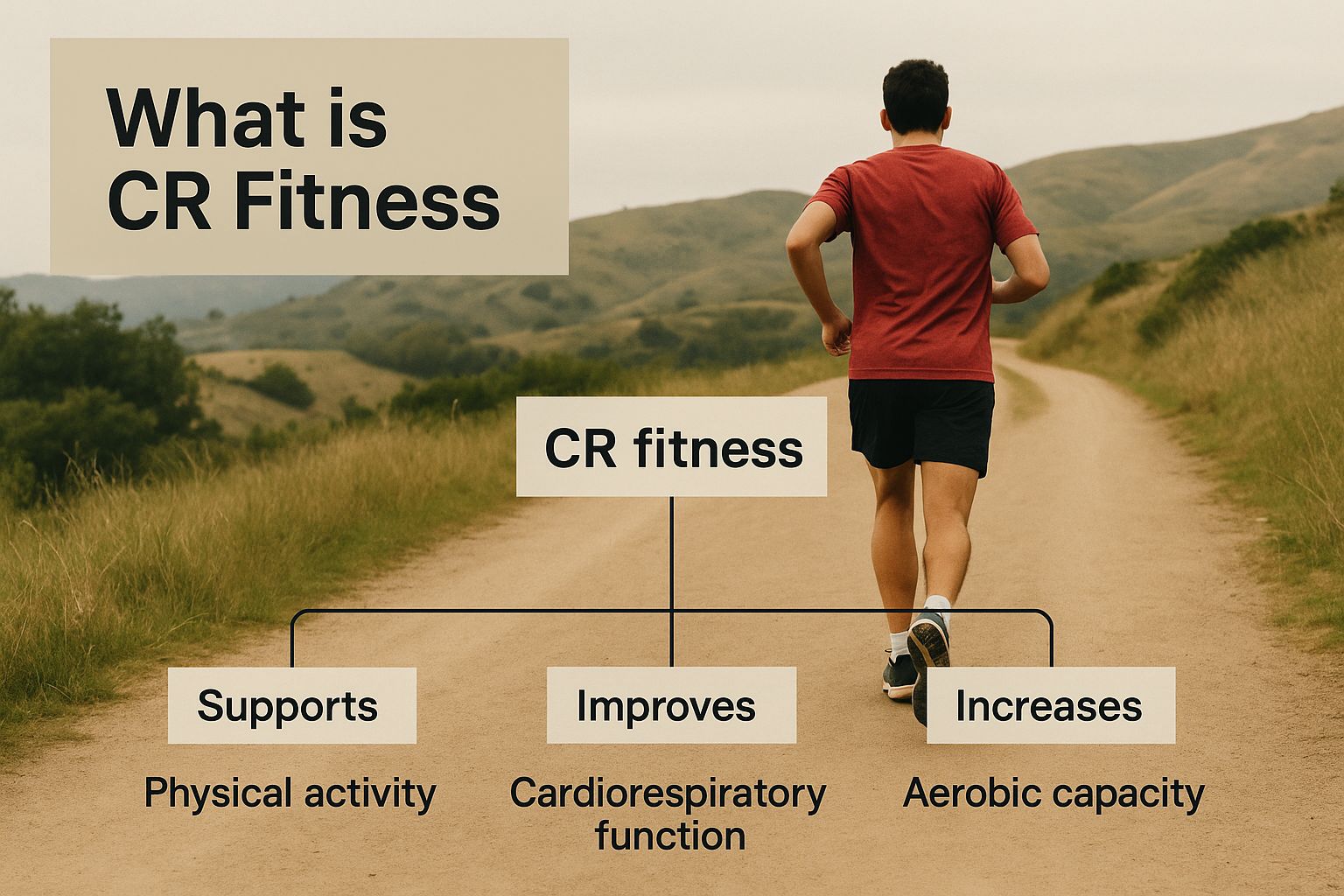
Cardio respiratory endurance, often referred to as aerobic fitness, measures your body’s ability to sustain exercise over a period without getting fatigued. It indicates how efficiently your cardiovascular and respiratory systems supply oxygen to your muscles during activity. This endurance is not just for athletes; it plays a vital role in daily life, ensuring you can perform tasks without excessive fatigue.
Having good cardio respiratory endurance is linked to numerous health benefits, including improved heart health, enhanced mood, and increased energy levels. It also helps reduce risks of chronic diseases such as obesity, diabetes, and hypertension. Think of it as a foundation for overall wellness. Who wouldn’t want more energy to enjoy life fully?
Key Components
Several components contribute to cardio respiratory endurance. First is the heart’s ability to pump oxygen-rich blood to your muscles. A strong heart beats efficiently, reducing the strain during activities like jogging or cycling.
Second is lung capacity, which determines how well you can breathe in oxygen and expel carbon dioxide. Ever noticed how deep breathing can stabilize your energy during a workout? That’s your lungs working to maintain endurance.
Lastly, muscles play their part by using the oxygen delivered to them for energy production. They adapt over time, becoming more efficient with regular exercise. This adaptation is why consistent physical activity is key to building endurance.
Consider incorporating activities like brisk walking, swimming, or cycling into your routine. Start small, gradually increasing intensity and duration. What’s one simple change you can make today to boost your endurance?
Benefits For Overall Health
Cardio respiratory endurance is like the magic potion for your body, fueling it with vitality and resilience. As you engage in activities that boost your endurance, you’re not just improving your fitness level; you’re investing in your overall health. Imagine feeling more energetic throughout the day and having a heart that beats efficiently—these are just some of the rewards.
Improved Heart Health
Think of your heart as a tireless engine. When you enhance your cardio respiratory endurance, you’re fine-tuning this engine to work more efficiently. Regularly engaging in endurance exercises, like jogging or cycling, strengthens your heart muscle. This means your heart pumps blood more effectively, reducing the risk of cardiovascular diseases. It’s like giving your heart a workout plan that keeps it strong and healthy.
Enhanced Lung Capacity
Ever find yourself out of breath climbing stairs? Boosting your cardio respiratory endurance can change that. As your endurance improves, so does your lung capacity. This allows you to take in more oxygen with each breath, making everyday activities feel less taxing. You’ll notice the difference when you can enjoy a brisk walk without gasping for air.
Increased Stamina And Energy
Imagine feeling more energetic even after a long day. Improving your cardio respiratory endurance helps your body efficiently use energy, keeping you active and lively. You’ll have the stamina to tackle daily tasks with enthusiasm. Plus, you’ll experience fewer energy slumps, leading to a more productive and joyful day.
Are you ready to feel the benefits in your own life? What changes can you make today to boost your cardio respiratory endurance?
Measuring Endurance Levels
Cardio respiratory endurance is a vital aspect of physical fitness, reflecting your ability to sustain prolonged physical activity. Measuring endurance levels can help you understand your fitness progress and tailor your workouts effectively. By knowing where you stand, you can push your boundaries further, ensuring you’re not just working hard, but smart. But how exactly do you measure this endurance? Let’s explore some practical methods.
Vo2 Max Testing
VO2 Max is often considered the gold standard for measuring cardio respiratory endurance. It gauges the maximum rate of oxygen your body can utilize during exercise, indicating your aerobic fitness level. Imagine you’re running on a treadmill, with a mask measuring your breath intake and output. This is how VO2 Max testing works—it’s precise but requires specialized equipment.
Understanding your VO2 Max can be a game changer. It allows you to optimize training by identifying your peak performance zones. If you’re aiming to boost endurance, knowing this number helps set realistic goals. Wouldn’t you want to know exactly how much your body can handle?
Field Tests And Assessments
If VO2 Max testing sounds too technical, field tests offer a more accessible alternative. These can be done without fancy equipment, making them perfect for fitness enthusiasts at any level. Popular tests include the Cooper Test, which involves running as far as possible in 12 minutes, and the Beep Test, where you run between markers before a beep sounds.
Field tests are not only practical but also insightful. They help you track progress over time and make informed decisions about your training regimen. By comparing results, you can see improvements and identify areas needing more focus. Are you ready to take on the challenge of a field test?
Measuring your cardio respiratory endurance is crucial for any fitness journey. Whether you opt for high-tech VO2 Max testing or straightforward field assessments, understanding your endurance level is the first step toward achieving your fitness goals. So, what’s your endurance level telling you today?

Credit: www.instagram.com
Exercises To Enhance Endurance
Cardio respiratory endurance is the ability of the heart and lungs to supply oxygen during long exercises. Activities like running, swimming, and cycling improve this endurance. Regular cardio workouts boost energy levels and stamina effectively.
Improving cardio respiratory endurance is crucial for overall fitness. It enhances your body’s ability to deliver oxygen to muscles during prolonged activity. Various exercises are effective in boosting endurance levels. They vary in intensity and type. Here are some exercises that can help.Running And Jogging
Running and jogging are popular choices for enhancing endurance. They strengthen the heart and lungs. Start with short distances and gradually increase. Use proper form and pace yourself. This prevents injury and maximizes benefits. Regular practice leads to improved stamina.Cycling And Swimming
Cycling and swimming offer low-impact options. They are gentle on joints yet effective. Cycling strengthens leg muscles and boosts heart health. Swimming engages multiple muscle groups. It improves lung capacity and overall endurance. Both activities can be adjusted for intensity and duration.High-intensity Interval Training (hiit)
HIIT is a powerful method for endurance improvement. It involves short bursts of intense exercise. These are followed by rest periods. HIIT workouts can be tailored to fit individual fitness levels. They enhance cardiovascular capacity efficiently. Regular HIIT sessions lead to noticeable endurance gains.Developing A Training Plan
Developing a Training Plan Cardio respiratory endurance is the heart and lungs’ ability to supply oxygen during exercise. Improving this endurance boosts overall health and stamina.
Developing a training plan for cardio respiratory endurance is like crafting a roadmap that guides you towards improved fitness and overall health. But where do you start? You begin by setting realistic goals, balancing intensity with rest, and tracking your progress effectively.Setting Realistic Goals
Your journey to better cardio respiratory endurance begins with clear, achievable goals. Consider what you want to accomplish—maybe it’s running a 5K or simply improving your stamina. Break down these goals into smaller, manageable milestones. This approach keeps you motivated and allows you to celebrate small wins. Ask yourself: What is realistic given your current fitness level and time commitment? Set goals that challenge you but are achievable.Balancing Intensity And Rest
Finding the right balance between workout intensity and rest is crucial. Push yourself, but remember that rest days are not wasted days. Effective training involves alternating between high-intensity workouts and recovery days. This balance prevents burnout and supports muscle recovery. Evaluate your body’s signals. Are you feeling overly fatigued or energized? Adjust your training intensity and rest accordingly.Tracking Progress
Monitoring your progress keeps you accountable and motivated. Document your workouts, noting distance, time, and how you felt during each session. Use fitness apps or journals to track your achievements. This helps you identify patterns and areas needing improvement. Reflect regularly: Are you getting closer to your goals? Adjust your plan if necessary, ensuring it evolves with you. Developing a cardio respiratory endurance plan is a dynamic process. Stay flexible, listen to your body, and enjoy the journey towards a healthier you.Nutritional Support For Endurance
Cardio respiratory endurance is key for optimal performance. Proper nutrition can enhance this endurance, supporting energy levels and recovery. Nutritional choices significantly impact stamina. Hydration, balanced meals, and nutrient timing are crucial.
Hydration And Electrolytes
Hydration keeps the body functioning. Water is essential for muscle and joint health. Electrolytes like sodium and potassium maintain fluid balance. They support nerve function and muscle contraction. During workouts, replenish these nutrients for sustained energy.
Carbohydrates And Protein Intake
Carbohydrates fuel endurance activities. They provide immediate energy for workouts. Complex carbs like whole grains are beneficial. Protein aids muscle repair and growth. Include lean meats, beans, and nuts in meals. Balance these nutrients for optimal endurance.
Common Mistakes To Avoid
Neglecting to balance workouts can hinder cardio respiratory endurance. Overtraining without rest leads to fatigue and injury.
Common Mistakes to Avoid Cardiorespiratory endurance is key to a healthy, active lifestyle, yet many people unknowingly make mistakes that hinder their progress. These errors can lead to burnout, injury, or stalled improvement. Understanding these pitfalls can help you maintain a balanced and effective exercise routine.Overtraining Risks
Pushing yourself too hard can be counterproductive. Overtraining can lead to fatigue, decreased performance, and even injuries. It’s crucial to listen to your body and know when to dial back. Rest is just as important as training. Without it, your muscles can’t recover and grow stronger. Do you often find yourself feeling exhausted or irritable after workouts? It might be time to reassess your training load.Neglecting Recovery
Skipping recovery days is a common mistake. Your body needs time to repair itself. This doesn’t mean you should lounge on the couch all day. Active recovery, like a leisurely walk or gentle yoga, can be beneficial. Incorporate a variety of recovery techniques. Stretching, foam rolling, and adequate sleep are essential. How do you feel after a good night’s sleep versus when you skimp on rest? The difference is often significant. Remember, balance is key. By avoiding these common mistakes, you can enhance your cardiorespiratory endurance and enjoy a healthier lifestyle.:max_bytes(150000):strip_icc()/VWH-GettyImages-1470956177-0d9b403934b24d6ca2f31e10176c615e.jpg)
Credit: www.verywellhealth.com
Credit: www.cartwrightfitness.co.uk
Frequently Asked Questions
What Is Cardio Respiratory Endurance?
Cardio respiratory endurance refers to the body’s ability to sustain exercise over time. It involves the heart, lungs, and muscles working together. Improved endurance helps in better oxygen delivery to muscles. It enhances overall stamina and performance in physical activities.
Why Is Cardio Respiratory Endurance Important?
Cardio respiratory endurance is crucial for overall health and fitness. It improves heart health, increases stamina, and boosts energy levels. Enhanced endurance helps in daily activities and reduces fatigue. It also lowers the risk of chronic diseases like heart disease and diabetes.
How Can I Improve My Cardio Respiratory Endurance?
Improving cardio respiratory endurance involves regular aerobic exercises. Activities like running, swimming, and cycling are effective. Consistency is key to building endurance. Start with moderate intensity and gradually increase the duration and intensity. Proper rest and hydration are also important.
What Exercises Boost Cardio Respiratory Endurance?
Exercises like jogging, swimming, and cycling boost cardio respiratory endurance. These activities increase heart rate and improve lung capacity. High-intensity interval training (HIIT) is also beneficial. It involves short bursts of intense activity followed by rest. Consistent practice enhances endurance over time.
Conclusion
Cardio respiratory endurance keeps your heart and lungs strong. It helps you stay active and healthy. Regular exercise boosts your energy levels. You can enjoy daily activities more easily. Walking, running, and cycling are great for endurance. These activities make your heart and lungs work better.
Start slow, then increase intensity gradually. Listen to your body. Rest when needed. Staying consistent is key. Improved endurance benefits your overall health. It reduces stress and enhances mood. Feel better and live longer with regular practice. Embrace cardio respiratory fitness for a vibrant life.