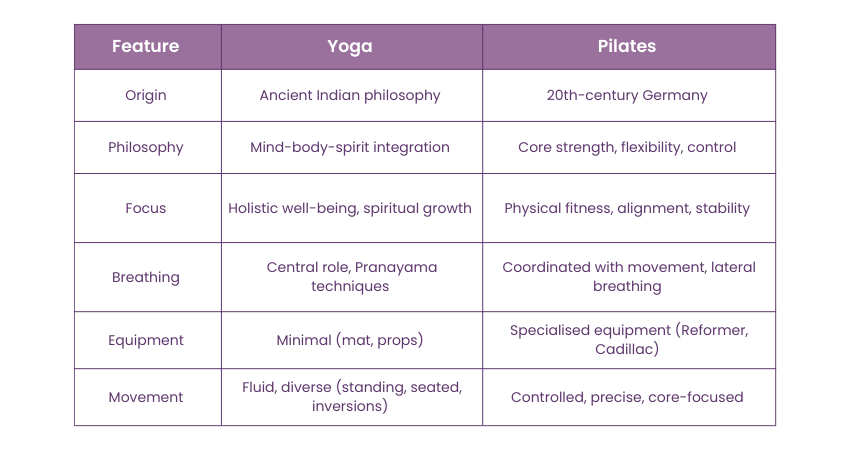
Choosing between Pilates and Yoga for flexibility can feel like a tough decision. Both promise to enhance your range of motion and improve your overall well-being.
But which one truly delivers the flexibility boost you’re looking for? Imagine being able to bend effortlessly, move without stiffness, and feel a sense of freedom in your body. You might wonder if Pilates or Yoga holds the key to unlocking your body’s potential.
We’ll dive into the core principles of both practices, revealing insights that might surprise you. You’ll discover how each can transform your flexibility and which might be the perfect fit for your lifestyle and goals. Keep reading to find out which path leads to a more flexible you.
Pilates Basics
When it comes to enhancing flexibility, Pilates offers a unique approach that distinguishes it from other exercise forms like yoga. Rooted in controlled movements and precise techniques, Pilates focuses on strengthening the core, improving posture, and enhancing overall body awareness. But how does it contribute specifically to flexibility? Let’s dive into some Pilates basics to uncover its core principles, benefits for flexibility, and popular techniques.
Core Principles
Pilates is built around a set of core principles that emphasize concentration, control, centering, flow, precision, and breathing. Each principle plays a crucial role in executing movements correctly, ensuring that the body remains aligned and balanced. Concentration helps you focus on the task at hand, while control keeps movements deliberate and purposeful.
Centering, often referred to as “powerhouse,” is vital as it involves the core muscles, including the abdomen, lower back, hips, and buttocks. This focus on core strength not only stabilizes the body but also supports flexible movement. Flow and precision ensure that each exercise transitions smoothly and accurately, enhancing muscle elongation and flexibility over time.
Benefits For Flexibility
Pilates is renowned for its ability to improve flexibility through a series of stretching and strengthening exercises. By consistently engaging in Pilates, you will find your muscles becoming more pliable and lengthened, reducing stiffness and increasing range of motion.
One of the secrets lies in the combination of stretching and strengthening exercises. As you strengthen a muscle, you simultaneously stretch it, promoting both strength and flexibility. This dual benefit is particularly noticeable in areas like the spine and hips, where movement can often be restricted.
Have you ever noticed how some days your body feels tighter than others? Regular Pilates practice can help balance these fluctuations, ensuring you maintain optimal flexibility regardless of daily variations in body tension.
Popular Pilates Techniques
Pilates offers a variety of techniques designed to enhance flexibility. The “Roll Up” is a classic exercise that stretches the spine and hamstrings, providing a full-body stretch that many find rejuvenating. Another technique, the “Leg Circle,” targets the hip joints, improving mobility and flexibility in the lower body.
For those seeking to deepen their flexibility, the “Swan Dive” is a powerful exercise that opens up the chest and lengthens the spine. While these techniques may sound challenging, they are incredibly effective when practiced consistently.
Why not try incorporating some of these exercises into your routine? You’ll likely discover that Pilates not only enhances your flexibility but also enriches your overall physical well-being.

Credit: www.womenshealthmag.com
Yoga Fundamentals
Pilates and yoga both enhance flexibility. Yoga focuses on deep stretches and poses to lengthen muscles. Pilates targets core strength, helping improve range of motion.
Yoga is an ancient practice that supports flexibility, strength, and mental clarity. It involves various poses and breathing techniques. Through consistent practice, individuals can achieve greater physical and mental balance. Yoga is widely recognized for its ability to enhance flexibility, making it a popular choice for those seeking to improve their body’s range of motion.Key Concepts
Yoga focuses on connecting the mind, body, and spirit. This connection is achieved through poses, known as asanas, and controlled breathing. Each pose aims to strengthen and stretch different muscle groups. Breathing techniques help to calm the mind and deepen the physical stretch. Meditation often accompanies yoga sessions, promoting relaxation and focus. Practicing yoga regularly can improve overall well-being.Flexibility Advantages
Yoga is celebrated for increasing flexibility. It gently stretches muscles and soft tissues, promoting elasticity and range. Regular yoga practice can lead to improved posture and reduced muscle tension. Many yoga poses target specific areas like the hips, back, and legs. These stretches are effective for loosening tight muscles. Enhanced flexibility can also aid in preventing injuries.Common Yoga Practices
Various styles of yoga cater to different needs and preferences. Hatha yoga is often recommended for beginners, focusing on basic poses and breathing. Vinyasa yoga involves a dynamic flow, connecting movement with breath. Yin yoga emphasizes longer hold times to deeply stretch muscles and connective tissues. Restorative yoga uses props to support the body, encouraging relaxation and healing. Each style contributes uniquely to flexibility and overall health.Comparing Flexibility Benefits
Flexibility is a key component of physical health. It enhances movement and reduces the risk of injury. Pilates and yoga are popular practices for improving flexibility. Each offers unique benefits for the body. Understanding these differences helps in choosing the best practice for your needs.
Range Of Motion
Pilates focuses on controlled movements to increase range of motion. It targets specific muscle groups and improves alignment. Yoga, on the other hand, uses poses to enhance overall flexibility. It stretches multiple parts of the body simultaneously. Both practices aim to extend the body’s ability to move freely.
Muscle Stretching
Pilates engages muscles through resistance exercises. It helps elongate and strengthen them. This creates leaner muscle fibers and boosts flexibility. Yoga stretches muscles with deep poses. It helps relax tight areas and improves flexibility over time. Both methods effectively stretch muscles but in different ways.
Joint Health
Joint health is crucial for mobility and comfort. Pilates supports joint health by promoting fluid movements. It reduces stiffness and enhances joint functionality. Yoga encourages joint flexibility through varied poses. It helps maintain joint health by gently stretching and strengthening. Each practice offers unique benefits for joint health.
Physical And Mental Impact
Pilates enhances core strength, boosting flexibility gradually. Yoga improves flexibility while calming the mind. Both offer unique benefits for flexibility and mental wellness.
When you consider flexibility, both Pilates and Yoga offer significant physical and mental benefits. They each enhance your body’s range of motion while contributing to a more balanced mental state. However, the impact of these practices can differ based on individual needs and preferences. Let’s dive into some key aspects that might help you decide which is better for your flexibility journey.Mind-body Connection
Both Pilates and Yoga emphasize a strong mind-body connection. In Pilates, you focus on controlled movements that align your body and mind, creating a deep awareness of your physical capabilities. Yoga encourages mindfulness through breathing and poses, helping you become more attuned to how your body moves. Have you ever tried to calm your mind during a challenging yoga pose? That’s the essence of achieving unity between your mental focus and physical action. This connection can enhance your practice, making it more rewarding and effective for flexibility.Stress Relief
Practicing either Pilates or Yoga can be a powerful stress reliever. Yoga often incorporates meditation and breathing exercises that calm your mind, reducing stress levels. I remember lying in Savasana after a yoga session, feeling all my worries melt away. Pilates, on the other hand, focuses on precision and concentration, which can redirect your mind from stressors to the present moment. Engaging your core and concentrating on your form can be surprisingly therapeutic. Have you noticed how a clear mind can lead to a more flexible body?Injury Prevention
Flexibility plays a crucial role in injury prevention, and both practices can help. Yoga’s emphasis on stretching and holding poses increases your flexibility and reduces the risk of muscle strain. It also enhances balance, which is vital for avoiding falls. Pilates strengthens your core and stabilizes your body, providing a solid foundation that protects against injuries. By focusing on controlled movements, you learn to move safely and effectively. How does your body feel after a Pilates session? Likely more aligned and less prone to injury. Choosing between Pilates and Yoga for flexibility can be challenging. Consider your personal goals and how each practice impacts you physically and mentally. Whether you prefer the meditative aspect of yoga or the core strength focus of Pilates, both can lead you to a more flexible, stress-free life.Choosing Based On Personal Goals
Choosing between Pilates and Yoga for flexibility depends on your goals. Each practice offers unique benefits for enhancing flexibility. Understanding your personal objectives can guide your decision.
Individual Fitness Levels
Your current fitness level plays a big role in your choice. Yoga offers a wide range of poses that suit beginners and advanced practitioners. Pilates focuses on core strength and stability, offering modifications for different levels. Knowing your fitness level helps you select the practice that meets your needs.
Lifestyle Considerations
Consider how each practice fits into your lifestyle. Yoga can be practiced anywhere, with minimal equipment. It’s ideal for those with busy schedules. Pilates often requires specific equipment like reformers. It might suit those who prefer structured classes or have access to studios. Assessing your lifestyle helps you decide which fits better.
Specific Flexibility Needs
Identify what you want to improve in flexibility. Yoga emphasizes overall body flexibility with various stretches. Pilates targets specific muscle groups, enhancing flexibility through controlled movements. Knowing your specific flexibility needs guides your choice between the two.
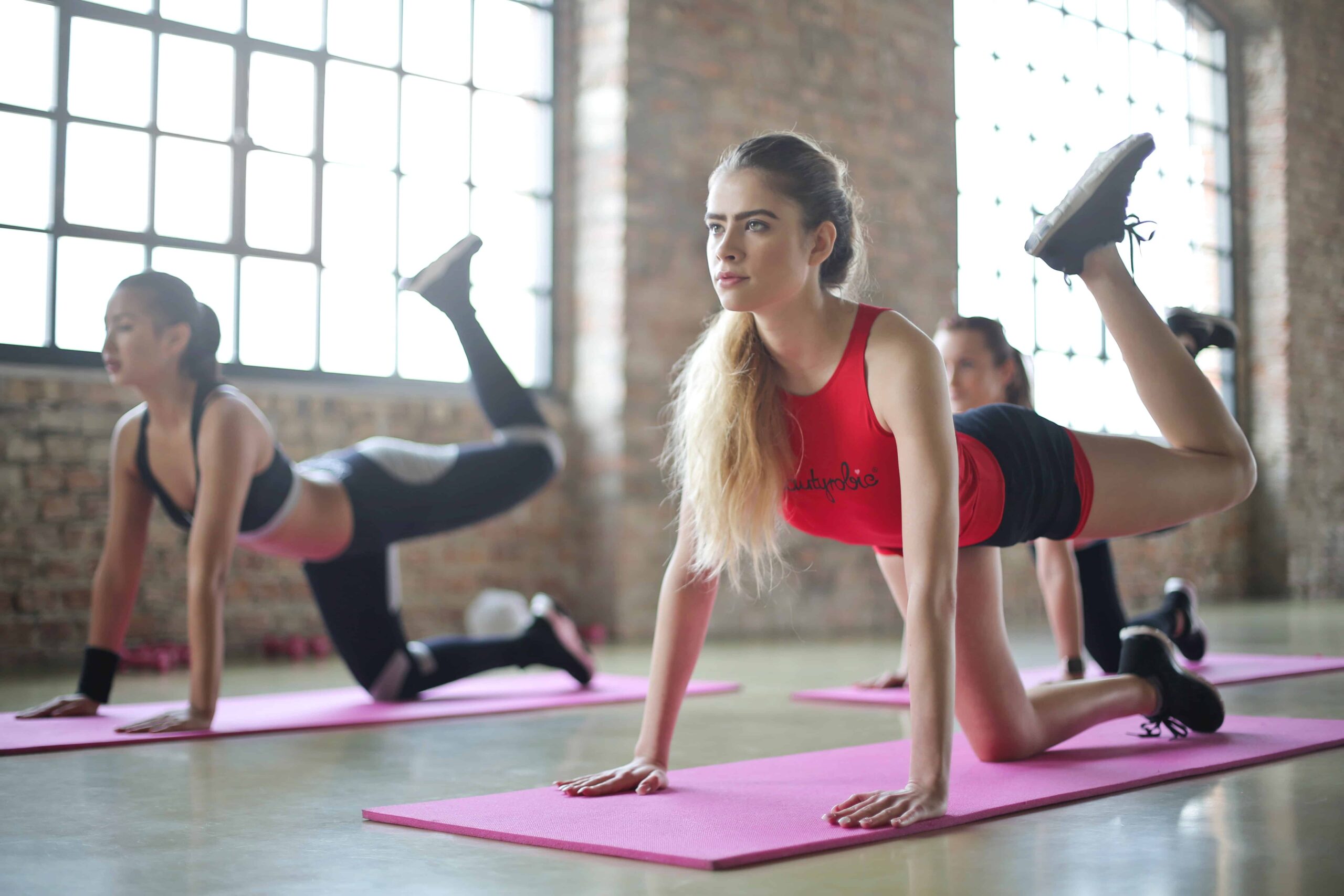
Credit: www.stretchzone.com
Expert Opinions
Choosing between Pilates and Yoga for flexibility can be challenging. Expert opinions can help you make an informed decision. Both practices offer unique benefits, and professionals in the field have valuable insights. Their observations can guide you toward the best choice for enhancing flexibility.
Insights From Instructors
Pilates instructors emphasize precise movements. They focus on improving core strength and stability. This can lead to increased flexibility over time. The controlled exercises target specific muscle groups, enhancing mobility. Yoga instructors highlight the importance of stretching. They often incorporate breathing techniques. This helps relax muscles and improve flexibility. Yoga offers a holistic approach, promoting overall well-being.
Testimonials From Practitioners
Practitioners share their personal experiences. Many find Pilates effective for core strength and posture. They notice gradual improvements in flexibility. Others prefer yoga for its calming effects. They report increased flexibility and reduced stress. Personal stories reveal how each practice impacts daily life. These testimonials provide real-world insights into flexibility gains.
Combining Pilates And Yoga
Pilates focuses on core strength and controlled movements, enhancing flexibility through precise exercises. Yoga promotes flexibility by integrating deep stretches and mindful breathing techniques. Combining both can offer a balanced approach to improving flexibility.
Combining Pilates and Yoga can enhance flexibility and overall well-being. These practices complement each other beautifully, offering unique benefits. Pilates focuses on strength and core stability. Yoga emphasizes balance and flexibility. Together, they create a well-rounded routine. This combination can lead to improved physical and mental health.Integrated Workouts
Integrated workouts blend elements of both Pilates and Yoga. This approach targets different muscle groups and enhances flexibility. It also improves posture and core strength. An integrated workout session can include:- Yoga poses to stretch and relax muscles.
- Pilates exercises to strengthen the core.
- Breathing techniques from both disciplines for calmness.
Benefits Of A Hybrid Approach
The hybrid approach offers several benefits. It enhances flexibility and builds core strength. Practicing both increases body awareness and mental focus. This combination reduces stress and promotes relaxation. Engaging in both can also improve balance and coordination. Consistently practicing can lead to better posture and a toned body. This approach suits all fitness levels. It provides variety and keeps workouts interesting.
Credit: www.instagram.com
Frequently Asked Questions
What Are The Benefits Of Pilates For Flexibility?
Pilates enhances flexibility by focusing on controlled movements, core strength, and muscle balance. It improves posture, increases joint range of motion, and alleviates tension. Regular practice helps lengthen muscles, improving overall flexibility. It also enhances body awareness, allowing for more fluid movements.
How Does Yoga Enhance Flexibility?
Yoga enhances flexibility through stretches that target various muscle groups. Its poses improve joint mobility and muscle elasticity. Regular practice increases blood flow and reduces stiffness. Yoga also promotes relaxation, reducing muscle tension and stress, further contributing to improved flexibility.
Is Pilates Or Yoga Better For Beginners?
Both Pilates and yoga are beginner-friendly, offering low-impact exercises. Pilates focuses on core strength and alignment, while yoga emphasizes flexibility and mindfulness. Beginners should choose based on personal fitness goals. Trying both can help determine which suits individual preferences and needs better.
Can Pilates And Yoga Be Combined For Flexibility?
Yes, combining Pilates and yoga can enhance flexibility. Both practices complement each other, providing comprehensive benefits. Pilates strengthens the core and improves posture, while yoga increases flexibility and mindfulness. Together, they offer a balanced workout, promoting overall physical and mental well-being.
Conclusion
Choosing between Pilates and yoga depends on personal needs. Both improve flexibility. Pilates focuses on strength and core stability. Yoga emphasizes relaxation and stretching. Try both to see which suits you best. Listen to your body and enjoy the journey.
Mixing both can provide balance and variety. Explore local classes or online sessions. Remember, consistency is key. Enjoy the benefits of a flexible, healthy lifestyle. Whatever you choose, stay committed and patient. Progress takes time. Be open to learning and growing.
Flexibility is a lifelong journey. Keep moving, and keep stretching. Your body will thank you.