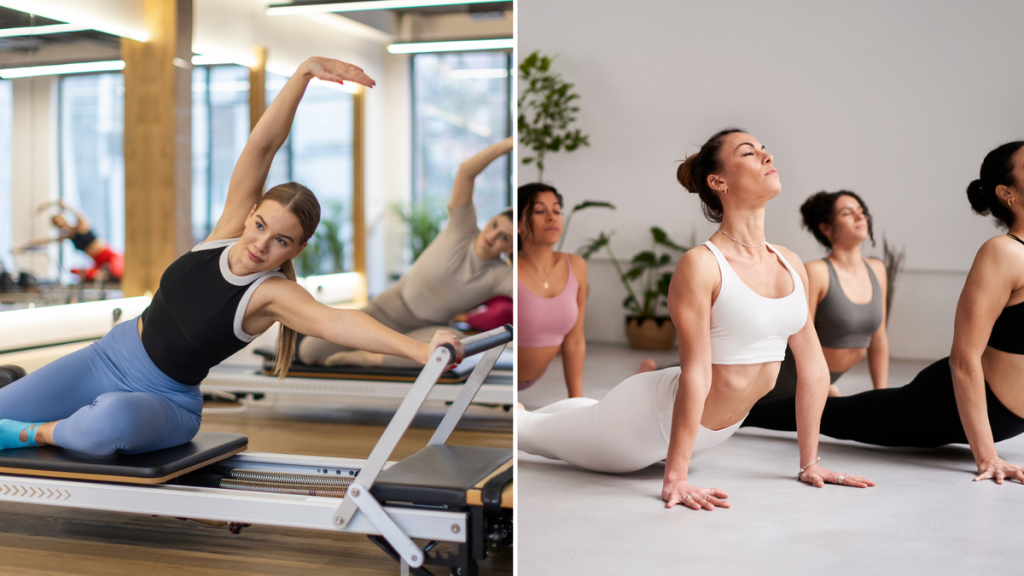
Are you looking to enhance your flexibility but unsure whether yoga or Pilates is the better option for you? You’re not alone.
Many people find themselves at a crossroads when deciding between these two popular fitness disciplines. Both yoga and Pilates offer unique benefits that can transform your body’s flexibility, but which one aligns with your personal goals and lifestyle? Imagine feeling more agile, with each movement coming more naturally and effortlessly.
Whether you’re a beginner or have some experience, understanding the differences can make all the difference. Discover what each practice brings to the table and find out which one can help you achieve the flexibility you desire. This article will guide you through the core principles of both yoga and Pilates, helping you make an informed decision. Get ready to unlock the secrets to a more flexible you!
Defining Flexibility
Flexibility is the ability to move muscles and joints through their full range. It impacts daily activities and athletic performance. Understanding flexibility helps choose exercises that enhance it effectively.
What Is Flexibility?
Flexibility is a muscle’s ability to stretch without injury. It affects mobility and posture. Regular stretching improves muscle elasticity and joint range.
Importance Of Flexibility
Flexibility reduces muscle tension and prevents injuries. It improves performance in sports and daily tasks. Stretching increases blood flow and enhances relaxation.
Yoga’s Approach To Flexibility
Yoga focuses on static poses for stretching muscles. It encourages breath control and mental focus. Yoga enhances flexibility through slow, deliberate movements.
Pilates And Flexibility
Pilates combines strength and flexibility exercises. It emphasizes core strength and controlled movements. Pilates uses equipment to increase flexibility and tone muscles.
Comparing Yoga And Pilates For Flexibility
Yoga improves flexibility through deep stretches and holds. Pilates focuses on dynamic stretches and core strength. Both offer unique benefits for flexibility and overall health.
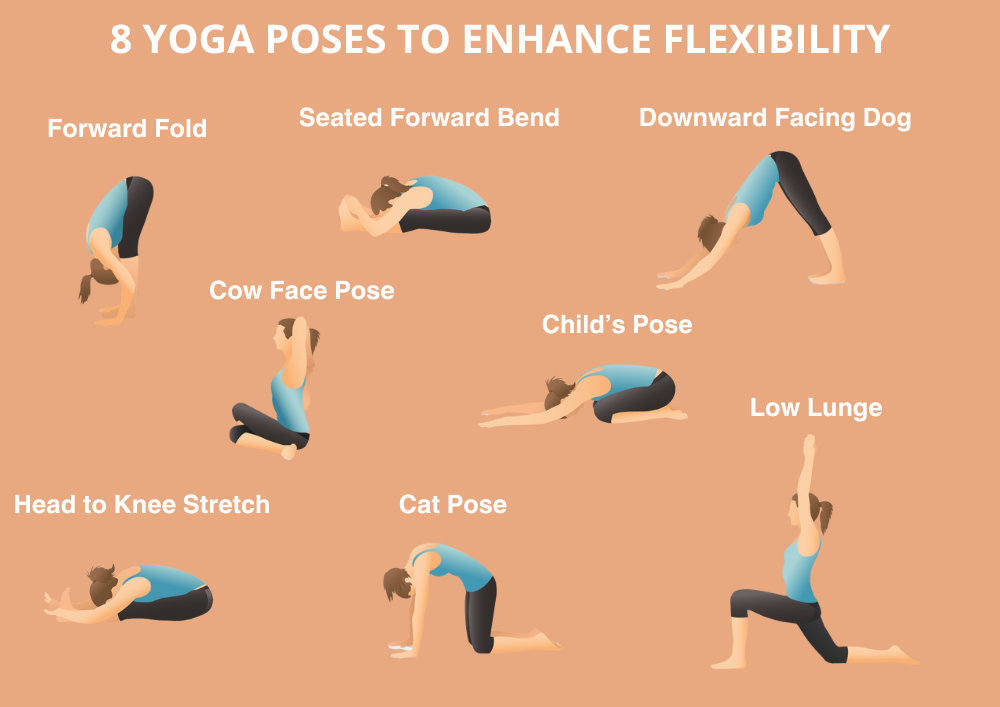
Credit: myyogateacher.com
Benefits Of Yoga
Yoga enhances flexibility through gentle stretching and poses. It often results in a more relaxed body and mind. Pilates focuses on core strength, offering a different approach to flexibility. Both practices complement each other well.
Yoga is celebrated worldwide for its numerous benefits, especially when it comes to enhancing your flexibility. It’s not just about stretching; it’s a holistic approach that connects your mind and body, offering a sense of peace and clarity. Whether you are a seasoned yogi or a beginner, yoga offers something for everyone. Let’s explore some of the key benefits of yoga that can transform your life.Improving Flexibility
Yoga is renowned for its ability to improve flexibility. Regular practice helps lengthen muscles and increase the range of motion in joints. Imagine being able to easily touch your toes or perform a deep squat with grace. The beauty of yoga lies in its gentle progression, allowing you to gradually enhance your flexibility without injury. Have you ever wondered why professional athletes often incorporate yoga into their routine? It’s because flexibility is vital for reducing the risk of injuries and improving overall performance.Mind-body Connection
Yoga fosters a deep mind-body connection, essential for holistic health. As you move through various poses, you become more aware of your body’s movements, strengths, and limitations. This awareness helps in tuning into your body’s needs, promoting better health choices. Have you ever paused during a busy day to take a deep breath and feel centered again? This is the mind-body connection in action. Yoga encourages mindfulness, helping you live more consciously and intentionally.Stress Reduction
Stress reduction is one of yoga’s most powerful benefits. The combination of physical movement, breath control, and meditation creates a natural remedy for stress. Picture yourself unwinding at the end of a hectic day, flowing through calming poses that soothe your nerves. Yoga not only helps in lowering cortisol levels but also enhances overall mood and emotional well-being. Are you looking for a natural way to manage stress and feel more relaxed? Yoga might be your answer, providing tools to cope with life’s challenges effectively.Advantages Of Pilates
Pilates enhances flexibility through controlled movements and stretching. It targets specific muscle groups, improving posture and balance. Ideal for those seeking increased flexibility and a toned core.
Pilates has emerged as a popular choice for many looking to improve flexibility, strength, and overall well-being. Its advantages extend beyond just physical benefits, promising a holistic approach to health and fitness. You may wonder why Pilates might be the right choice for you. Let’s dive into some of its key advantages.Core Strength
Pilates is renowned for its emphasis on core strength. Each movement targets the deep muscles of your abdomen and lower back. By consistently practicing Pilates, you will notice a stronger, more stable core. This increased core strength can make a significant difference in your daily life. Imagine lifting a heavy bag of groceries without straining your back. Pilates can make this possible by enhancing your core stability.Posture Enhancement
Good posture is more than just standing tall. It impacts your overall health and confidence. Pilates encourages awareness of your body’s alignment and balance. I once struggled with slouching due to long hours at a desk. After a few months of Pilates, my posture improved dramatically. Have you ever noticed how a straight posture can affect your mood and energy levels?Injury Prevention
Preventing injuries is crucial, especially if you’re physically active. Pilates strengthens muscles and improves flexibility, reducing the risk of strains and sprains. It also focuses on controlled movements and proper form, which can protect your body during other activities. Wouldn’t it be great to engage in your favorite sports without the constant fear of getting injured? By incorporating Pilates into your routine, you can enjoy these benefits and more. It’s not just about flexibility; it’s a comprehensive approach to enhancing your body’s capabilities. Are you ready to experience the transformation?Comparing Yoga And Pilates
Yoga offers deep stretches that enhance flexibility, focusing on breath and flow. Pilates strengthens core muscles, improving posture and flexibility through controlled movements. Both practices can enhance flexibility, but yoga is often favored for deeper stretching.
Yoga and Pilates are popular choices for improving flexibility. Both offer unique benefits and can enhance your physical and mental well-being. Understanding their differences helps in choosing the right practice for your needs. Each has its own focus, advantages, and suitability, making them effective in different ways.Flexibility Focus
Yoga emphasizes stretching and lengthening muscles. It includes various poses that enhance overall flexibility. The practice encourages deeper stretches. It targets multiple muscle groups and joints. Yoga poses can improve range of motion. They help with alignment and balance. This makes yoga effective for flexibility. Pilates focuses on controlled movements. It strengthens muscles while increasing flexibility. It targets core muscles and stabilizes the body. Pilates exercises involve precise movements. They improve muscle tone and flexibility. While not as stretch-focused as yoga, Pilates offers solid flexibility benefits.Physical And Mental Benefits
Yoga offers numerous physical benefits. It improves flexibility and balance. It also strengthens muscles and enhances posture. Regular practice helps reduce stress. Yoga promotes relaxation and mental clarity. It encourages mindfulness and connects body and mind. Pilates provides strong physical benefits. It enhances core strength and posture. It improves muscle tone and flexibility. Pilates supports spinal health and stability. Mental benefits include increased focus and concentration. It also encourages body awareness and control. Pilates fosters a balanced body and mind connection.Suitability For Different Needs
Yoga suits those seeking a holistic approach. It caters to various fitness levels. Yoga can be adapted for beginners or advanced practitioners. It is ideal for those looking to improve flexibility and reduce stress. Yoga offers a wide range of poses and styles. Pilates suits those focused on core strength. It is ideal for improving posture and muscle tone. Pilates is adaptable for different fitness levels. It works well for rehabilitation and injury prevention. Pilates offers structured workouts with precision. It suits those seeking controlled movements and body alignment.Expert Opinions
Choosing between yoga and Pilates for flexibility can be challenging. Both offer unique benefits, but expert opinions can guide you in making the best choice. Let’s explore insights from professionals in each field.
Yoga Experts’ Views
Yoga experts emphasize its holistic approach. They believe yoga fosters flexibility by integrating mind, body, and spirit. Stretching and breathing exercises in yoga enhance muscle elasticity. Regular practice can lead to improved posture. Yoga focuses on long-held poses that gradually increase range of motion. Experts highlight the calming nature of yoga, which reduces muscle tension. Many recommend yoga for its meditative aspects that aid flexibility.
Insights From Pilates Instructors
Pilates instructors focus on strengthening core muscles. They argue that core strength supports flexibility by stabilizing movements. Pilates involves controlled, precise exercises that target specific muscle groups. Instructors claim these exercises enhance joint mobility. Pilates also concentrates on alignment and balance, which are crucial for flexibility. Many instructors point out its low-impact nature, suitable for all ages. They often recommend Pilates for its focus on overall body conditioning.

Credit: www.instagram.com
Choosing The Right Practice
Yoga and Pilates each offer unique benefits for flexibility. Yoga involves various poses to improve stretch and balance. Pilates focuses on core strength and controlled movements. Both practices enhance flexibility, so choose based on personal goals and preferences.
Choosing the right practice between yoga and Pilates depends on various factors. Each practice offers unique benefits for enhancing flexibility. Understanding your personal needs and lifestyle can help you make an informed choice. Let’s explore some key considerations.Personal Goals
Identifying your personal goals is essential. Are you seeking relaxation, stress relief, or muscle toning? Yoga focuses on improving mental and physical balance. It combines breathing techniques with poses. This helps in relaxation and flexibility. Pilates, on the other hand, emphasizes core strength and posture. It uses controlled movements for muscle toning. Decide what aligns with your aspirations.Health Considerations
Consider your health needs before choosing a practice. Yoga is gentle and adaptable for various fitness levels. It can aid in reducing anxiety and enhancing mobility. Pilates is great for those with back pain. It strengthens the core and supports spine health. Consult a health professional if needed. This ensures you select the safest option for your body.Lifestyle Compatibility
Your lifestyle plays a significant role in selecting the right practice. Yoga classes are widely available and often require minimal equipment. This makes it accessible and easy to fit into busy schedules. Pilates might need specific equipment or classes, impacting convenience. Evaluate how each practice fits into your daily routine. Consider the time commitment and accessibility.Combining Yoga And Pilates
Yoga and Pilates offer unique benefits for flexibility. They complement each other well. Combining them can enhance your flexibility and overall well-being. Both practices focus on breath, body awareness, and strength. Together, they provide a comprehensive workout. This combination helps you achieve a balanced body and mind.
Creating A Balanced Routine
A balanced routine includes both Yoga and Pilates. This combination targets different muscle groups. Yoga helps increase flexibility and mental clarity. Pilates strengthens core muscles and improves posture. Alternate between Yoga and Pilates sessions. This keeps your routine fresh and engaging. Listen to your body and adjust the intensity accordingly.
Maximizing Benefits
To maximize benefits, focus on specific goals. Identify areas you want to improve. If flexibility is a priority, integrate more Yoga poses. For core strength, emphasize Pilates exercises. Stay consistent with your practice. Consistency leads to gradual improvement. Consider attending classes for guidance and motivation. Personalizing your routine ensures continued progress.

Credit: www.theknowledgeacademy.com
Frequently Asked Questions
Is Yoga Better For Flexibility Than Pilates?
Yoga is often considered better for flexibility due to its focus on stretching and holding poses. It emphasizes deep breathing and relaxation, which can enhance flexibility. Pilates, while beneficial for flexibility, primarily targets core strength and alignment. Both practices can improve flexibility, but yoga might offer more focused stretching techniques.
Can Pilates Improve Flexibility Effectively?
Pilates can improve flexibility effectively, but its primary focus is on strengthening the core and improving posture. It includes exercises that enhance range of motion and flexibility, particularly for the spine and hips. While not as flexibility-focused as yoga, Pilates contributes significantly to overall body suppleness.
What Are The Flexibility Benefits Of Yoga?
Yoga provides numerous flexibility benefits through its diverse poses and stretches. It helps elongate muscles, improve joint mobility, and enhance overall body flexibility. Regular practice can lead to better posture and reduced muscle stiffness. Yoga’s focus on breathing and mindfulness also aids in relaxation and flexibility improvement.
Does Pilates Offer Any Flexibility Advantages?
Yes, Pilates offers flexibility advantages by incorporating controlled movements and stretching. It targets specific muscle groups, enhancing their suppleness. While focusing on core strength, Pilates also improves flexibility in the spine, hips, and shoulders. Consistent practice can lead to increased mobility and reduced muscle tension.
Conclusion
Choosing between yoga and Pilates depends on your flexibility goals. Yoga offers deep stretches, enhancing overall flexibility. Pilates focuses on core strength and controlled movements. Both practices improve flexibility over time. Consider your personal preferences. Yoga might suit those seeking relaxation and mindfulness.
Pilates benefits those targeting core strength and posture. Try both to see which fits your lifestyle best. Both can complement each other. Listen to your body. Remember, consistency is key in improving flexibility. Choose what you enjoy most, and stick with it.
Your journey to better flexibility begins with that first step.