Imagine you’re an athlete, striving to reach new heights. You train hard, day in and day out, but something feels missing.
Ever wondered what could give you that extra edge? Enter the performance coach. This article will unravel the mystery behind these sports professionals who can transform your game. A performance coach is not just another trainer; they are your secret weapon to unlocking potential you didn’t even know you had.
Curious about how they do it and what magic they bring to the field? Keep reading to discover the role they play in not only elevating your skills but also enhancing your mental resilience.

Credit: www.instagram.com
Role Of A Performance Coach
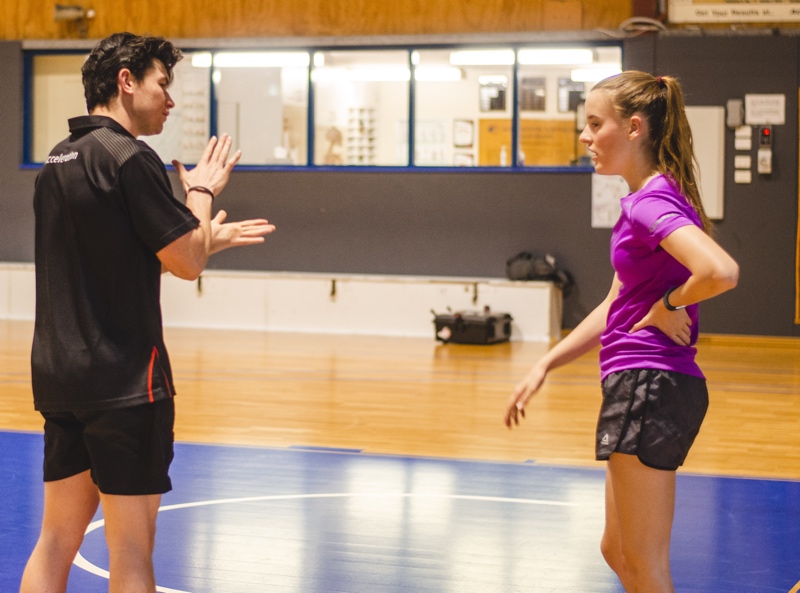
A performance coach in sports helps athletes improve their skills and mental strength. They focus on motivation and goal-setting to enhance performance. Through tailored strategies, they guide athletes to overcome challenges and achieve peak potential.
The role of a performance coach in sports is crucial for athletes aiming to reach their peak potential. This professional guides them through training regimes, mental strategies, and lifestyle adjustments, all tailored to enhance performance. As you explore their role, consider how a performance coach might impact your sporting journey.Understanding Athlete’s Needs
Performance coaches begin by understanding the athlete’s unique needs and goals. They assess strengths and weaknesses, crafting personalized plans. Imagine having someone who knows precisely what pushes you forward and what holds you back.Developing Training Plans
Creating effective training plans is a core responsibility. These coaches design routines that maximize efficiency and progress. Would your performance improve if every workout was precisely aligned with your goals?Enhancing Mental Toughness
Mental toughness is as vital as physical strength. Performance coaches equip athletes with strategies to stay focused and resilient. How often do you find your mind drifting during critical moments in a game?Monitoring Progress And Making Adjustments
Progress monitoring allows for timely adjustments to training plans. Coaches analyze performance data and make necessary changes. What if you had an expert ensuring you’re always on track to achieve your best?Providing Motivation And Support
A performance coach acts as a motivator and supporter, encouraging athletes through challenges. They celebrate successes and help overcome setbacks. How much more motivated would you be with someone cheering you on every step of the way?Facilitating Recovery And Injury Prevention
Recovery and injury prevention are integral parts of athletic training. Coaches advise on techniques and routines to keep athletes healthy. Are you taking enough steps to prevent injuries and ensure optimal recovery? Performance coaches play a dynamic role in an athlete’s career, offering a blend of strategic planning and motivational support. Consider how their expertise might transform your sporting experience, making every training session a step toward excellence.
Credit: www.youtube.com
Key Skills And Qualities
A performance coach in sport focuses on enhancing athletes’ skills and mental strength. They motivate, set goals, and provide feedback. These coaches help athletes improve focus and build confidence.
Performance coaching in sports requires a unique blend of skills and qualities. Coaches play a vital role in guiding athletes towards their goals. They must possess a diverse set of abilities to ensure success.Communication Skills
Effective communication is crucial for performance coaches. They need to convey complex strategies simply. Clear communication helps in building trust with athletes. Coaches should listen actively to understand athletes’ needs. They must also adapt their communication style to suit different individuals.Analytical Thinking
Performance coaches need strong analytical skills. They must assess data and performance metrics accurately. This helps in identifying areas for improvement. Coaches should be able to develop targeted training plans. Analytical thinking aids in making informed decisions during competitions.Empathy And Support
Empathy is essential for building strong relationships. Coaches should understand athletes’ emotional and mental states. Offering support helps athletes overcome challenges. A coach’s empathy boosts athletes’ confidence. It creates a positive environment for growth and development.Training And Certification
In the world of sports, a performance coach plays a crucial role in enhancing an athlete’s physical and mental capabilities. If you’re curious about how one becomes a performance coach, the journey is filled with rigorous training and essential certifications. Understanding the educational background and credentials required can help you determine if this path is right for you.
Educational Background
To become a performance coach, a solid educational foundation is often necessary. Many start with a degree in sports science, kinesiology, or a related field. These programs provide a comprehensive understanding of human anatomy, physiology, and biomechanics. Does this sound like something you’d be excited to dive into?
Beyond just theoretical knowledge, practical experience is vital. Universities often offer internships or placements with sports teams, giving you hands-on experience. Engaging with athletes directly allows you to apply classroom learning to real-world scenarios.
Certifications And Credentials
Certifications are key to demonstrating your expertise and commitment to continuous learning. Organizations like the National Strength and Conditioning Association (NSCA) offer certifications that are highly regarded in the industry. The CSCS (Certified Strength and Conditioning Specialist) is one such credential that can set you apart.
Beyond initial certifications, continuous education is crucial. Staying updated with the latest techniques and research through workshops and seminars keeps your skills sharp. Imagine yourself always evolving, ready to offer athletes the cutting-edge strategies they need to excel.

Credit: medium.com
Techniques And Strategies
A performance coach in sport helps athletes enhance their skills and motivation. They focus on mental strength, setting goals, and building confidence. Through personalized techniques, coaches guide athletes to achieve peak performance.
In the realm of sports, a performance coach plays a pivotal role in helping athletes reach their full potential. These coaches employ a variety of techniques and strategies to enhance both the physical and mental aspects of an athlete’s performance. Whether you’re a budding athlete or a seasoned professional, understanding these methods can significantly impact your success.Goal Setting
Setting clear, achievable goals is essential for progress. A performance coach helps athletes outline specific objectives, breaking them down into manageable tasks. This approach not only provides direction but also boosts confidence as you tick off each milestone. Have you ever considered how setting smaller goals can lead to greater achievements?Mental Conditioning
Mental strength is as crucial as physical prowess. Performance coaches guide athletes through mental conditioning, teaching techniques to maintain focus and composure under pressure. Visualization, for instance, allows you to mentally rehearse your performance, preparing your mind for the actual event. How often do you train your mind alongside your body?Motivation Techniques
Staying motivated can be challenging, especially when faced with setbacks. Coaches employ various motivation techniques to keep spirits high and drive unwavering. From positive reinforcement to personalized motivation plans, these strategies are tailored to each athlete’s needs. Have you identified what truly motivates you to push forward?Impact On Athlete Performance
A performance coach in sport enhances athlete capabilities through personalized training plans and mental strategies. They focus on improving physical and psychological aspects, helping athletes reach their peak performance.
The role of a performance coach in sport is transformative, directly impacting how athletes perform both on and off the field. These coaches are not just about improving physical abilities; they play a crucial part in enhancing mental and emotional aspects of athletes too. By focusing on mental resilience and concentration, performance coaches help athletes reach their full potential. Let’s dive into how they make a significant difference in these areas.Improved Mental Resilience
Mental resilience is the backbone of enduring success in sports. Performance coaches teach athletes how to bounce back from setbacks and failures. Consider a time when you faced a challenge and felt defeated. Imagine having a guide who helps you see failure as a stepping stone rather than a stumbling block. This shift in perspective is what performance coaches bring to athletes. They instill a mindset that thrives on challenges, turning pressure into motivation.Enhanced Focus And Concentration
Focus and concentration are key to achieving peak performance. Performance coaches work with athletes to refine these skills, ensuring they remain present and engaged during critical moments. Think about those times when your mind wanders during important tasks. Coaches provide practical techniques to sharpen your mental clarity, making distractions less intrusive. Visualization exercises and mindful practices are often used to train the brain to focus better. This heightened concentration not only improves game-day performance but also enhances daily training sessions. When you consider these impacts, it’s clear that performance coaches are indispensable in the sports world. Are you utilizing all the resources available to unlock your full potential?Collaboration With Other Professionals
Collaboration is at the heart of a performance coach’s role in sports. It’s not just about improving skills; it’s about creating a holistic approach that considers every aspect of an athlete’s well-being. This means working closely with other professionals to ensure athletes are supported physically, mentally, and emotionally. Let’s dive into how performance coaches collaborate with key professionals in the sporting world.
Working With Sports Psychologists
A performance coach often partners with sports psychologists to address the mental aspects of an athlete’s game. Whether it’s overcoming performance anxiety or enhancing focus, this collaboration is crucial for developing mental resilience. Imagine you’re on the field, and your mind is your biggest competitor—this is where the psychologist’s expertise, guided by insights from the performance coach, becomes invaluable.
Sports psychologists provide strategies for visualization, concentration, and coping under pressure. The performance coach uses these insights to tailor training sessions that not only build physical strength but also mental toughness. This synergy can be the difference between good and great performance.
Coordinating With Physical Trainers
Physical trainers and performance coaches work hand-in-hand to optimize an athlete’s physical capabilities. Each brings a unique perspective; while the trainer focuses on physical conditioning, the coach integrates these improvements into actual performance scenarios. This collaboration ensures that the athlete’s training is well-rounded and directly applicable to their sport.
Consider the benefits of having a physical trainer identify and improve weaknesses in an athlete’s body, while the performance coach integrates these improvements into sport-specific drills. The result is a seamless transition from training gains to performance enhancements. Are you making the most of your physical training by aligning it with your performance goals?
The interconnectedness of these roles highlights the importance of a cohesive support team. By fostering these collaborations, performance coaches not only enhance an athlete’s current performance but also contribute to their long-term success and well-being.
Challenges In Performance Coaching
Performance coaches in sport help athletes improve their skills and mindset. They face challenges like understanding each athlete’s unique needs and keeping them motivated. Communication barriers and managing expectations can also be difficult. These coaches work hard to create personalized strategies for success.
In the world of sports, performance coaching stands as a pivotal element in an athlete’s journey to success. However, the path is not without its obstacles. Performance coaches face a myriad of challenges that require deft handling to ensure athletes reach their potential. From managing expectations to dealing with setbacks, the role demands resilience and adaptability.Managing Expectations
Balancing an athlete’s ambition with realistic outcomes is a complex task. Athletes often aim for the stars, and while dreams are essential, not every goal is immediately attainable. As a performance coach, your job is to ground these aspirations in reality without dampening enthusiasm. Clear communication is crucial here. Regular discussions about progress and potential ensure that both you and the athlete are on the same page. Have you ever faced a situation where expectations were sky-high, but reality painted a different picture? How did you navigate those waters?Dealing With Setbacks
Setbacks are inevitable in sports, whether due to injury, loss, or personal issues. How you address these challenges can significantly impact an athlete’s confidence and future performance. Acknowledge the setback, but focus on the recovery plan and future goals. Encourage athletes to view setbacks as learning opportunities. Share stories of renowned athletes who faced similar challenges and emerged stronger. This can inspire resilience and motivate them to push forward. What strategies have you employed to help an athlete overcome a major hurdle? Remember, the journey of a performance coach is as dynamic as the sports world itself. Every challenge is a chance to grow and improve, not just for the athlete, but for you as well.Future Trends In Performance Coaching
A performance coach in sport helps athletes improve skills and focus. Future trends include personalized coaching using technology. Virtual reality and AI tools may transform training methods, offering new ways to boost athletic performance.
Future trends in performance coaching are reshaping the sports industry. Coaches are now using advanced tools to enhance athletes’ skills. They focus on each athlete’s unique needs. This approach promises better results. Let’s explore these exciting trends.Technology Integration
Technology is transforming sports coaching. Wearable devices track athletes’ movements and health metrics. Apps provide real-time feedback during training sessions. Video analysis helps coaches break down techniques. This data-driven approach helps athletes improve faster. Coaches can adjust training plans based on accurate information.Personalized Coaching Approaches
Personalized coaching tailors training to each athlete. It considers their strengths, weaknesses, and goals. Coaches create custom plans for individual progress. This method boosts motivation and engagement. Athletes feel understood and supported. Tailored coaching increases the chance of success. Athletes can reach their full potential with focused guidance.Frequently Asked Questions
What Does A Performance Coach Do In Sports?
A performance coach helps athletes enhance their skills and mental toughness. They focus on improving physical performance and mental resilience. By creating personalized training plans, they aim to optimize the athlete’s potential. Their role is crucial for achieving consistent high-level performance and maintaining motivation.
How Is A Performance Coach Different From A Sports Coach?
A performance coach focuses on overall development, including mental and physical aspects. They work on athletes’ mental resilience, motivation, and fitness. In contrast, a sports coach typically concentrates on sport-specific skills and strategies. Both roles complement each other to maximize an athlete’s performance.
Why Is Mental Toughness Important In Sports?
Mental toughness helps athletes cope with pressure and challenges during competitions. It improves focus, resilience, and perseverance in difficult situations. A performance coach develops strategies to enhance mental toughness. This leads to better performance and more consistent results.
How Do Performance Coaches Enhance Motivation?
Performance coaches use goal-setting and positive reinforcement to boost motivation. They create personalized plans aligning with athletes’ aspirations. Regular feedback and encouragement help maintain athletes’ drive. This approach fosters a motivated mindset, essential for continuous improvement and success in sports.
Conclusion
A performance coach plays a key role in sports success. They focus on enhancing athletes’ skills and mental strength. Athletes gain confidence and improve their performance. Coaches offer personalized training and support. They help athletes set and achieve goals. This partnership boosts motivation and consistency.
Athletes learn to handle pressure and stay focused. Performance coaches guide athletes through challenges. They provide feedback and strategies for improvement. Their support is vital for both amateur and professional athletes. Working with a performance coach can make a big difference.
It helps athletes reach their full potential.