
Finding the perfect waist fit can be more challenging than you might think. It’s not just about comfort, but also about style and confidence.
When your pants fit well, you not only look great, but you also feel good. Have you ever struggled with pants that are too tight or too loose, leaving you adjusting them throughout the day? You’re not alone. Understanding what makes a waist fit “good” is crucial for every man.
We’ll explore the key elements that define the ideal waist fit for men, helping you make informed choices that enhance both your comfort and appearance. Ready to discover the secrets to perfect-fitting pants? Let’s dive in and transform the way you dress!

Credit: www.gingtto.com
Waist Measurement Basics
A good waist fit for men balances comfort and style. Measure at the narrowest part of the torso. Ensure the tape is snug but not tight. This fit enhances appearance and provides ease of movement.
Waist measurement is a crucial aspect of finding the right fit for men’s pants. It ensures comfort and style, reflecting a balance between appearance and health. Understanding waist measurement basics helps you choose clothing that fits well and feels good.How To Measure Your Waist
To measure your waist accurately, use a flexible tape measure. Wrap it around your waist, at the narrowest part. Keep the tape parallel to the floor, ensuring a snug but not tight fit. Record this number for reference when shopping.Understanding Sizing Labels
Sizing labels often include waist measurements. They appear as numbers indicating inches. For example, a label reading “32” suggests a waist measurement of 32 inches. This helps in finding the right fit without trying on multiple sizes.Common Waist Sizes For Men
Men’s waist sizes range widely. Common sizes include 28, 30, 32, 34, and 36 inches. Each size corresponds to the circumference of the waist. Knowing these sizes helps in selecting pants that fit well.Choosing The Right Fit
Selecting the right fit involves more than just waist size. Consider the cut and style of the pants. Slim, regular, and relaxed fits offer different feels. Choose based on comfort and personal style preferences.Importance Of Accurate Measurement
Accurate waist measurement prevents discomfort and poor fit. It ensures pants sit properly and enhances overall appearance. Proper measurement contributes to better posture and ease of movement.Importance Of Proper Fit
A good waist fit for men ensures comfort and style. It balances snugness with freedom of movement, enhancing confidence. Proper fit avoids discomfort and maintains a polished look.
The importance of a proper waist fit cannot be overstated. It affects comfort, style, and confidence. A well-fitting waist means better posture and movement. Plus, it enhances the overall look of any outfit.Understanding Waist Measurements
Knowing your waist measurement is essential. It ensures that clothes fit correctly. Use a measuring tape around the natural waistline. Note the number for reference.Impact On Comfort
A good fit offers unmatched comfort. Tight waistbands can restrict movement. Loose fits can lead to constant adjusting. Aim for a fit that allows freedom without slipping.Boosting Confidence
Wearing clothes that fit well boosts confidence. You feel more at ease in social situations. A proper fit highlights your physique, enhancing personal style.Influence On Style
Style is more than just clothing choice. Fit plays a crucial role. A good waist fit complements the body’s natural shape. It ensures that outfits look polished and intentional.Health Benefits
A proper fit supports better posture. It reduces strain on the back and hips. This can prevent potential health issues over time.Factors Influencing Waist Fit
Finding the perfect waist fit is crucial for comfort and style. Various factors influence how well your pants fit around the waist, and understanding these can help you make better choices. From body type to fabric, each element plays a role in achieving the right fit.
Body Type Considerations
Your body type significantly impacts the ideal waist fit. If you have a lean build, you might prefer slimmer cuts that offer a snug fit without excess fabric. On the other hand, a more athletic build might require pants with a bit more room in the waist to accommodate muscle mass.
Consider how your waistline changes throughout the day or after meals. Some men find they need a slightly looser fit to stay comfortable. Pay attention to your unique shape and choose waist sizes that complement rather than constrict.
Material And Fabric Choice
The fabric of your pants can greatly affect waist fit. Stretch materials like elastane can offer flexibility, allowing for movement without feeling tight. Denim, though durable, might require a size up for more comfort.
Breathable fabrics like cotton are ideal for warmer weather, ensuring you stay cool while maintaining a good fit. Consider experimenting with different materials to discover what feels best for you.
Style And Cut Preferences
Style preferences are personal but essential in determining waist fit. Do you prefer high-waisted pants for a more formal look? Or low-rise jeans for casual outings? Each style interacts differently with your waistline.
Think about the occasions you’ll wear the pants and how the cut aligns with your lifestyle. Are you a fan of tapered legs that accentuate the waist or do you lean towards relaxed fits that offer more ease?
Your daily activities should also guide your choices. If you’re active, opt for cuts that allow freedom of movement. What style resonates with you and your personal taste?
How To Measure Waist Size
Understanding your waist size is key to finding the right fit. A good waist fit ensures comfort and style. Before choosing pants, measure your waist accurately. This will help you make informed fashion choices. Let’s explore how to measure your waist size correctly.
Tools Needed For Accurate Measurement
To measure your waist, you need a few tools. These ensure precision.
- Measuring Tape:A soft, flexible tape is ideal.
- Mirror:It helps check the tape’s position.
- Notebook:Record your measurements for future reference.
Step-by-step Measurement Guide
Follow these steps for an accurate waist measurement.
Stand up straight. Relax your body and don’t suck in your stomach. Place the measuring tape around your waist. Position it above your hip bones and below your ribs. Ensure the tape is level. Check in a mirror to confirm.
Wrap the tape snugly but not too tight. It should sit comfortably against your skin. Read the measurement where the tape overlaps. Note this number down. This is your waist size.
Common Waist Fit Issues
Finding the right waist fit is crucial for comfort and style. A good waist fit for men should feel snug but not tight, allowing ease of movement without sagging. Proper sizing helps avoid common issues like pinching or gaping.
Finding the right waist fit is crucial for comfort and style. Many men face common waist fit issues that can affect how their clothes look and feel. Understanding these issues can help you make better choices when shopping for pants.Too Tight Or Too Loose
A waistband that’s too tight can be a real nuisance. It can restrict movement and cause discomfort throughout the day. On the other hand, a waistband that’s too loose can lead to constant adjustments and a sloppy appearance. Imagine walking into a meeting and having to pull up your pants every few minutes. Not only is it distracting, but it can also affect your confidence.Gapping At The Waist
Gapping at the waist is another common problem. This occurs when the waistband fits well in some areas but leaves a gap in others, often at the back. This issue can be particularly frustrating if you have a smaller waist compared to your hips. It can make it difficult to find pants that fit well all over.Pinching And Discomfort
A waistband that pinches can ruin your day. It’s that feeling of the fabric digging into your skin, causing irritation and discomfort. This often happens when there’s not enough stretch or give in the material. You might find yourself constantly shifting or loosening your belt to alleviate the pressure. Have you ever spent a day in pants that felt like a vice grip? It’s a reminder of the importance of finding a fit that doesn’t just look good but feels good too. Understanding these common waist fit issues helps you choose pants that fit well and make you feel confident. Next time you’re in the fitting room, take a moment to check for these problems. Your comfort is worth it.Choosing The Right Waistband
Finding the perfect waistband is crucial for comfort and style. A good fit offers room to breathe without being too loose. Choose a waistband that sits naturally on the waist, providing support and ease of movement throughout the day.
Choosing the right waistband is more than just a fashion statement; it’s about comfort, style, and functionality. Whether you’re dressing for a casual outing or a formal event, the waistband you choose plays a crucial role in how your clothes fit and feel. Let’s dive into the different types of waistbands and discover which might be best for you.Elastic Waistbands
Elastic waistbands offer versatility and comfort, making them a popular choice for casual wear. They adapt to your body, providing flexibility whether you’re sitting, standing, or moving around. Imagine a day at a family picnic where you indulge in delicious food—elastic waistbands give you that extra room to breathe without having to adjust your pants constantly. Do you find yourself fluctuating between sizes? Elastic waistbands accommodate those changes effortlessly. They’re ideal for sportswear and lounge wear, offering ease without compromising on style.Adjustable Waistbands
Adjustable waistbands are perfect for those who appreciate customization in their clothing. These waistbands often come with buttons or drawstrings, allowing you to tighten or loosen your fit as needed. Think about the time you bought a pair of pants that fit perfectly at the store but felt a bit tight after a big meal. Adjustable waistbands provide that extra bit of flexibility, ensuring comfort throughout the day. They’re especially handy for travelers who need to pack light and want clothing that can adapt to different situations.Fixed Waistbands
Fixed waistbands exude a polished and tailored look, often seen in formal and business attire. They give a sleek silhouette, making them ideal for professional settings. However, fixed waistbands require precise sizing, which can be a double-edged sword. While they offer a sharp look, any fluctuation in your waist size can lead to discomfort. Have you ever worn a suit to an important meeting only to find it pinching at the waist? A well-fitted fixed waistband prevents such mishaps but demands a commitment to maintain your size. When choosing the right waistband, consider your lifestyle and needs. Do you prioritize comfort, flexibility, or a sharp appearance? Understanding the strengths and limitations of each type can help you make an informed decision, ensuring you always look and feel your best.Custom Tailoring Options
Finding the perfect waist fit is key to comfort and style. A good fit should allow easy movement without being too loose or tight. The waistband should sit comfortably above the hips, ensuring a neat, tailored look.
Custom tailoring options offer men a unique way to achieve the perfect waist fit. With personalized adjustments, clothing can be tailored to suit individual body shapes. This approach provides comfort and enhances style, allowing garments to fit well and look sharp. Custom tailoring takes into account personal preferences, ensuring each piece is as unique as the person wearing it.Understanding Tailoring Techniques
Tailoring involves various techniques to adjust clothing. Skilled tailors can alter waistlines with precision. They measure and cut fabric accurately. This ensures a snug fit without discomfort. Tailoring can also involve adjusting seams and hems. These adjustments contribute to an overall better fit.Benefits Of Custom Fit
A custom fit enhances comfort and style. Clothing tailored to your measurements feels better. It reduces the need for constant adjustments. A well-fitted waist improves the overall silhouette. It gives a polished appearance. Tailored clothes often last longer. Quality adjustments prevent wear and tear.Choosing The Right Tailor
Selecting a skilled tailor is crucial. Look for professionals with experience. Check reviews from previous clients. Ask about their process and materials. Ensure they understand your needs. A good tailor listens and provides advice. They should offer a range of options.Exploring Fabric Choices
Fabric choice affects the final fit. Some materials stretch while others hold shape. Discuss options with your tailor. They can recommend fabrics based on your lifestyle. Consider breathability and durability. Choose colors that complement your wardrobe. This enhances your overall look.Scheduling Fittings
Fittings are essential in tailoring. Schedule multiple fittings for accuracy. Each session allows adjustments to be made. Tailors check for comfort and style. They refine the fit with each visit. Regular fittings ensure the best results. They keep the garment aligned with your needs.Understanding Costs
Costs vary based on adjustments needed. Discuss pricing upfront with your tailor. Ask for a detailed breakdown. Compare costs with other tailors. Understand what is included in the price. Quality tailoring is an investment. It enhances your wardrobe and personal style.Maintaining Tailored Clothes
Proper care extends the life of tailored garments. Follow washing instructions carefully. Store clothes in a cool, dry place. Avoid exposure to harsh sunlight. Regularly check for any damage. Prompt repairs keep clothes looking new. Tailored garments need gentle handling.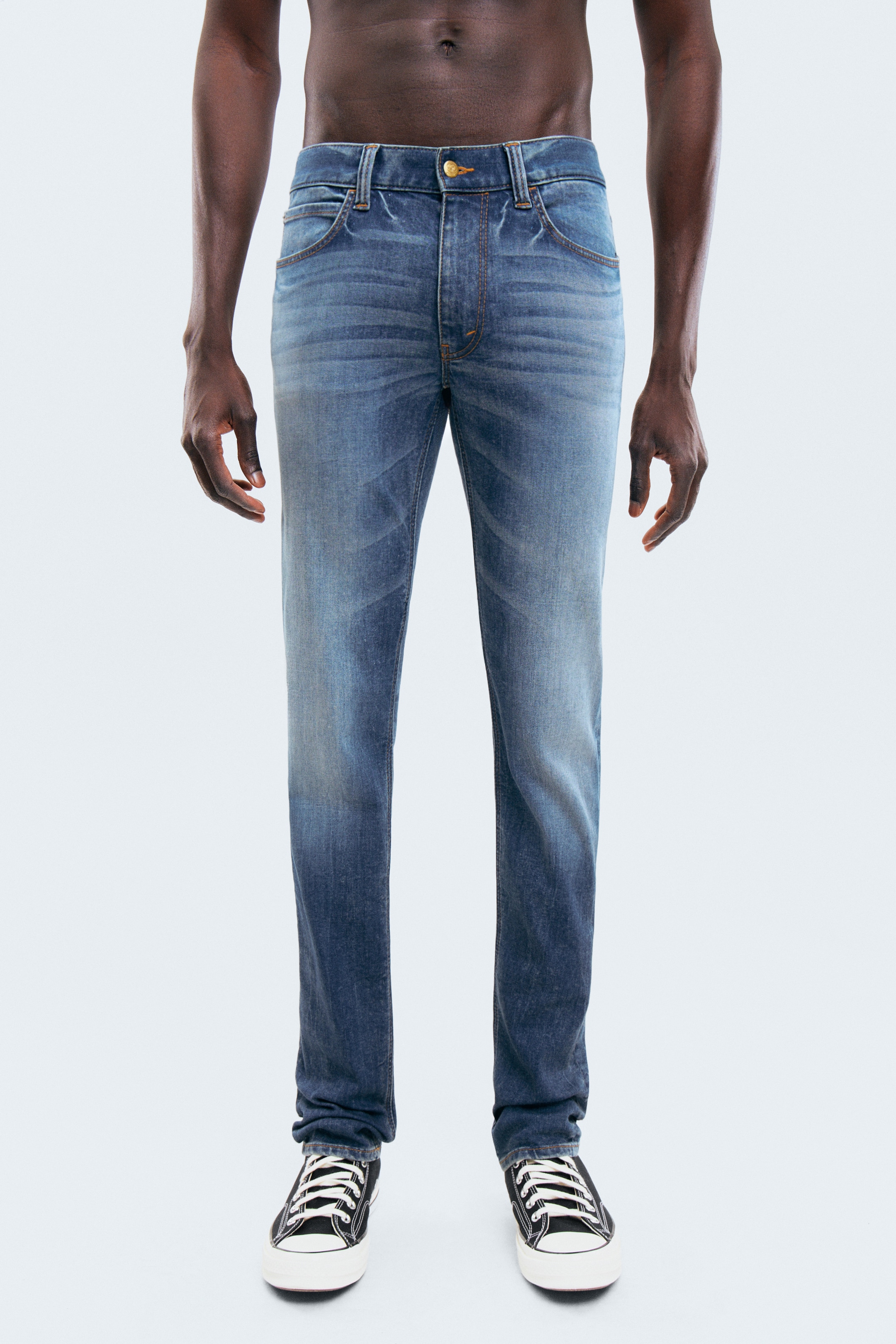
Credit: www.weekday.com
Tips For Shopping
Finding the perfect waist fit for men involves knowing your measurements. Measure around your natural waistline, where your pants usually sit. Ensure the tape measure is snug but not tight. A good fit offers comfort and ease of movement without gaps or pinching.
When shopping for the perfect waist fit, it’s crucial to find jeans or trousers that not only look good but feel comfortable. Navigating the shopping aisles can be overwhelming with countless brands and sizes. Here are some practical tips to ensure you walk away with a waist fit that suits you perfectly.Trying Before Buying
Always try on clothing before making a purchase. Sizes can vary significantly between brands, and a pair that fits perfectly at one store might be too tight or loose at another. Make it a habit to experiment with sizes; you might find a better fit by going up or down a size. Pay attention to how the waist feels when you move. Bend, sit, and stretch to see if the fit remains comfortable. Sometimes a perfect fit while standing can become restrictive when you sit down.Considering Brand Sizing Variations
Different brands often use varying sizing standards. A medium in one brand might be a large in another. This is why it’s important not to rely solely on the size tag. Research the brand’s sizing chart online if you’re shopping virtually. Compare these measurements with your own to get a more accurate idea of the fit.Reading Reviews For Fit
Online reviews can be a treasure trove of useful information. Many shoppers provide details about the fit, mentioning whether the waist runs small or large. Look for reviews that mention specific body types. If a reviewer mentions they have a similar build to yours and found a certain size perfect, it could guide you in making the right choice. Consider writing your own review after purchase. Sharing your experience can help others in finding their perfect waist fit, and you’ll be contributing to a more informed shopping community.Maintaining Waist Comfort
Finding a good waist fit for men involves ensuring the pants sit comfortably without pinching. Consider the natural waistline and choose pants that offer flexibility and ease of movement. A well-fitted waist enhances comfort and boosts confidence in daily wear.
Maintaining waist comfort is crucial for men’s daily wear. A well-fitted waist ensures both style and ease. It allows freedom of movement and prevents discomfort. Selecting the right fit can enhance confidence. Comfort isn’t just about fit, but also how you care for the waistbands. Let’s explore how to maintain waist comfort.Adjusting Fit Over Time
Men’s bodies change over time. So should their clothing. Adjusting the waist fit is essential. Consider pants with adjustable waistbands. Elastic or expandable options provide flexibility. Tailoring is another option. A tailor can adjust waist sizes precisely. This ensures the pants fit perfectly. Regularly check your measurements. This helps in choosing the right size. Comfort improves with the correct fit.Caring For Waistbands
Proper care extends the life of waistbands. Always follow washing instructions on labels. Avoid high heat when drying. This prevents shrinking. Use gentle cycles for washing. This protects the fabric. Store pants properly. Hang them to avoid wrinkles. Use clips to support the waistband. This prevents stretching. Regularly inspect waistbands for wear and tear. Replace them if necessary. Well-cared waistbands offer lasting comfort.
Credit: www.wrangler.in
Frequently Asked Questions
What Is The Ideal Waist Size For Men?
The ideal waist size for men varies based on body type and height. Generally, a waist circumference of less than 40 inches is considered healthy. It’s important to balance waist size with overall body composition to maintain good health and ensure a comfortable fit in clothing.
How Do I Measure My Waist Correctly?
To measure your waist correctly, use a flexible tape measure. Wrap it around your waist at the narrowest point, usually above the belly button. Ensure the tape is parallel to the ground and snug but not tight. Measure in inches or centimeters for accuracy.
Why Is Waist Size Important For Men?
Waist size is important for men because it relates to health and appearance. A larger waist circumference can indicate higher risk for heart disease, diabetes, and other health issues. Maintaining a healthy waist size contributes to overall well-being and can enhance personal style and comfort.
How Can I Reduce My Waist Size?
To reduce waist size, focus on a balanced diet and regular exercise. Incorporate cardiovascular activities and strength training to burn calories and build muscle. Monitor portion sizes and avoid high-calorie foods. Consistency in healthy habits can lead to gradual and sustainable waist reduction.
Conclusion
Finding the right waist fit is crucial for comfort. It enhances style and confidence. Explore different brands and sizes to discover what suits you best. Remember, a good fit balances style and practicality. It should allow you to move freely.
Measure yourself accurately for best results. Don’t settle for less when it comes to fit. Your waist fit reflects your personality. Choose wisely and wear with pride. A perfect fit boosts self-esteem and complements your look. Enjoy the comfort and style that comes with a well-fitted waist.