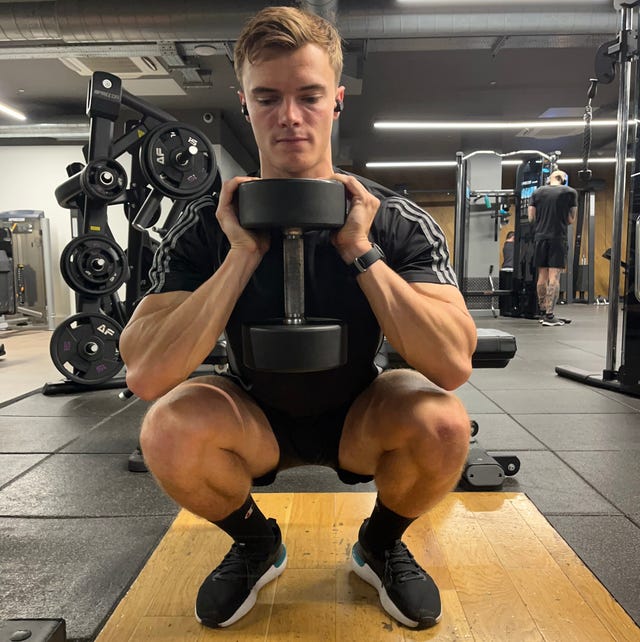
Have you ever walked into the gym, looked around at all the equipment, and wondered, “Where do I even start?” You’re not alone.
Navigating the world of fitness can feel overwhelming, especially when you’re aiming for a full body workout. But what exactly does that mean, and how can it benefit you? Imagine unlocking the secret to a balanced workout that targets every muscle group, optimizes your time, and boosts your results.
Picture yourself stepping out of the gym feeling accomplished, knowing you’ve made the most out of your session. You’ll discover the essentials of a full body workout at the gym and why it could be your key to achieving fitness success. Let’s dive in and transform your gym experience from confusing to empowering.

Credit: www.instagram.com
Benefits Of Full Body Workouts
Full body workouts at the gym offer a multitude of benefits that can transform your fitness journey. Whether you’re a seasoned athlete or a beginner, integrating full body workouts into your routine can provide a balanced and efficient approach to exercise. By targeting multiple muscle groups in one session, you’re not only saving time but also enhancing your overall health. Let’s delve into some of the key benefits of full body workouts.
Improved Muscle Balance
When you engage in full body workouts, you ensure that all major muscle groups receive attention. This balanced approach prevents muscle imbalances and reduces the risk of injury. Imagine focusing solely on your upper body without strengthening your legs; this could lead to posture issues and other complications. Full body workouts help you achieve a harmonious physique, fostering both strength and symmetry.
Enhanced Cardiovascular Health
Cardiovascular health is crucial, and full body workouts can elevate your heart rate effectively. By incorporating compound exercises like squats and deadlifts, you simultaneously work on your heart health. These exercises demand energy and boost your heart’s efficiency. Don’t just aim for visible muscle gains; think about how these workouts improve your heart’s endurance and resilience over time.
Efficient Use Of Time
If you’re juggling a busy schedule, full body workouts are your best friend. They maximize your time at the gym by allowing you to cover all bases in a single session. Instead of spending hours targeting individual areas, a well-structured full body workout can be completed in under an hour. Can you afford to spend less time while achieving comprehensive fitness results? With full body workouts, you certainly can.
Key Components Of A Full Body Workout
A full body workout at the gym targets all major muscle groups in a single session. It typically includes exercises like squats, push-ups, and deadlifts. These workouts improve strength, endurance, and overall fitness.
Key Components of a Full Body Workout A full body workout targets every major muscle group. It ensures balanced muscle development and improves overall fitness. Here are three essential components of a full body workout.
Strength Training
Strength training builds muscle and increases endurance. It involves exercises like squats and deadlifts. These exercises use multiple muscles at once. This helps burn more calories. Free weights and machines can be used. Aim for 8-12 repetitions per set. Always maintain proper form to prevent injury.
Cardio Exercises
Cardio exercises boost heart health and burn calories. Running, cycling, and rowing are great options. These activities increase stamina. They also aid in fat loss. Try to engage in cardio at least 20-30 minutes per session. Mix up activities to keep it interesting.
Flexibility And Mobility
Flexibility and mobility exercises improve movement range. They reduce injury risk and enhance performance. Stretching, yoga, and Pilates are beneficial. These exercises ensure muscles remain supple. Hold each stretch for 20-30 seconds. A flexible body moves better during workouts.
Planning Your Workout Routine
A full body workout at the gym targets all major muscle groups in a single session. Exercises like squats, push-ups, and rows ensure balanced muscle development. Ideal for those seeking efficiency and comprehensive fitness.
Planning Your Workout Routine Creating a full body workout routine at the gym is more than just picking exercises. It’s about crafting a plan that aligns with your personal goals, fits into your schedule, and keeps you motivated. A good workout routine is like a roadmap; it guides you through each session, ensuring you make the most of your time and energy. Let’s dive into how you can set goals, choose exercises, and schedule your workouts effectively.
Setting Goals
Before you hit the gym, ask yourself what you want to achieve. Are you aiming to build strength, lose weight, or improve endurance? Clear goals will drive your workout choices and keep you focused. Consider setting short-term and long-term goals. Short-term goals can give you immediate targets, like adding five more pounds to your squat. Long-term goals, such as running a marathon, keep you striving and excited. Tracking progress is essential. Keep a workout journal or use apps to monitor achievements. This helps you stay on track and adjust your goals as needed.
Choosing Exercises
The exercises you choose should align with your goals. For strength, focus on compound movements like squats and deadlifts. For endurance, incorporate exercises like cycling or running. Mix it up to avoid boredom. Include a variety of exercises that target different muscle groups. This not only keeps workouts interesting but also ensures balanced development. Consider your experience level. Beginners might start with machines before moving to free weights. Advanced gym-goers can add challenging variations or increase intensity.
Scheduling Workouts
Find a schedule that fits your lifestyle. Consistency is key, so choose days and times that you can commit to regularly. Balance is crucial. Aim for at least two to three full body workouts a week. Rest days are just as important for recovery and preventing injury. Listen to your body. If you’re feeling fatigued, it might be time for a lighter session or an extra rest day. Adjust your schedule based on how you feel.
Popular Full Body Exercises
Full body workouts at the gym target multiple muscle groups in one session. Exercises like squats, deadlifts, and push-ups are popular choices. They offer efficient strength and endurance building.
When you think of a full body workout at the gym, envision a routine that engages multiple muscle groups, ensuring you maximize your time and effort. Popular full body exercises are designed to target your entire body, promoting strength, endurance, and flexibility. Whether you’re a beginner or a seasoned gym-goer, incorporating these exercises into your routine can enhance your overall fitness.
Squats And Deadlifts
Squats and deadlifts are often hailed as the kings of full body exercises. They engage your core, legs, and back, building strength and stability. Imagine the feeling of power as you lift, knowing you’re working almost every muscle group at once. To get started, focus on form. Keep your back straight and your core tight. As you progress, gradually add weight to challenge yourself and keep your muscles guessing.
Push-ups And Pull-ups
Push-ups and pull-ups are classic exercises that need no introduction. They are effective, require minimal equipment, and can be done almost anywhere. Push-ups target your chest, shoulders, and triceps, while pull-ups are excellent for your back and biceps. If a traditional pull-up seems daunting, try assisted variations with a resistance band. For push-ups, start on your knees if needed, and work your way up to full push-ups. Notice how your upper body strength improves over time.
Planks And Lunges
Planks and lunges might seem simple, but they pack a punch. Planks are perfect for building core strength and stability. Hold a plank for as long as you can, and feel your muscles engage. You might be surprised at how challenging it is to maintain good form over time. Lunges target your legs and glutes, promoting balance and coordination. Try walking lunges for an added challenge and watch as your lower body strength and endurance improve. What variations can you introduce to keep your workouts exciting? These exercises are not just about lifting weights; they’re about functional strength and improving your overall fitness. Are you ready to take your full body workout to the next level?
Safety Tips And Precautions
Ensure proper form to prevent injuries during full body workouts at the gym. Warm up and stretch before starting exercises. Always use appropriate weights and maintain a balanced routine for overall fitness.
Embarking on a full body workout at the gym can be exciting, but ensuring your safety should be a top priority. Whether you’re a beginner or seasoned athlete, understanding safety tips and precautions can prevent injuries and enhance your fitness journey. Let’s dive into some essential aspects to keep in mind while you work towards your fitness goals.
Proper Form And Technique
Using the correct form and technique during your workout is crucial to avoid injuries. Imagine lifting weights without proper form—this can strain your muscles and lead to discomfort. To maintain good posture, focus on keeping your spine neutral and engaging your core during exercises. Consider seeking guidance from a trainer if you’re unsure about your form. They can provide valuable insights and adjustments, ensuring you perform exercises safely. Remember, it’s not about how much you lift, but how well you lift it.
Warm-up And Cool-down
Skipping a warm-up is like jumping into a cold pool without testing the water first. A good warm-up prepares your muscles and joints for the workout, reducing the risk of injury. Spend at least 5-10 minutes doing dynamic stretches or light cardio to get your blood flowing. After your workout, a cool-down is equally important. Stretching post-exercise helps your muscles recover and reduces soreness. Incorporate gentle stretching or yoga poses to relax and rejuvenate your body after a demanding session.
Listening To Your Body
Your body communicates with you, but are you paying attention? Feeling a sharp pain or discomfort during exercise is a signal to stop and reassess. Pushing through pain can lead to long-term injuries. Trust your instincts and modify exercises if needed. If you feel overly fatigued, it might be time to rest or cut down on intensity. Remember, progress is about consistency, not pushing through pain. So, what is your body telling you today?

Credit: altasstrength.com
Tracking Progress
Full body workouts at the gym involve exercises targeting multiple muscle groups in a single session. They typically include squats, push-ups, and deadlifts, offering balanced muscle development. Tracking progress helps in adjusting routines and ensuring effective fitness results.
Tracking your progress is crucial in making the most out of your full body workout at the gym. It not only boosts motivation but also helps you understand what works for you. Progress tracking provides tangible evidence of your hard work paying off, making every drop of sweat worth it.
Monitoring Strength Gains
You can start by keeping a record of the weights you lift. Note the weight, sets, and reps for each exercise. It’s thrilling to see how your strength improves over time. Consider using a simple notebook or a fitness app. Each time you increase the weight or add an extra rep, you’ll feel a sense of accomplishment. Have you ever looked back at your progress and felt amazed at how far you’ve come?
Assessing Endurance Improvements
Endurance isn’t just about running longer distances. It’s also about how long you can sustain any physical activity. Track how long you can perform exercises like planks or jump ropes. Set small, achievable goals for yourself. Maybe aim to hold a plank for an extra 10 seconds each week. Seeing gradual improvements will encourage you to push your limits further.
Adjusting Workout Intensity
Are your workouts starting to feel too easy? It might be time to ramp up the intensity. Increasing the challenge keeps your body guessing and stimulates continued growth. You can mix things up by adding more weight, increasing reps, or shortening rest periods. Listen to your body and adjust accordingly. Remember, the key is to challenge yourself without compromising form or safety. Tracking progress not only enhances your gym experience but also keeps you aligned with your fitness goals. Are you ready to see what your body is truly capable of?
Common Mistakes To Avoid
Ignoring rest days can lead to burnout and injury. Overloading machines without proper form might cause harm. Neglecting a balanced routine often results in muscle imbalance and reduced effectiveness.
A full body workout targets all major muscle groups. It’s a popular choice for those seeking balanced strength and fitness. While these workouts are effective, common mistakes can hinder progress. Understanding these pitfalls can enhance your gym experience.
Overtraining Risks
Overtraining can lead to fatigue and decreased performance. It often results from exercising too frequently without proper rest. You might feel tired and not see improvement. Listen to your body and take breaks.
Neglecting Recovery
Recovery is crucial for muscle growth and repair. Lack of recovery time can cause soreness and injuries. Rest days are important for allowing muscles to heal and strengthen. Ensure you give your body the rest it needs.
Ignoring Nutrition
Nutrition fuels your workout and aids recovery. Poor eating habits can hinder muscle growth and energy levels. Ensure balanced meals with proteins, carbs, and fats. Proper nutrition supports your fitness goals.

Credit: www.pinterest.com
Frequently Asked Questions
What Is A Full Body Workout?
A full body workout targets all major muscle groups in one session. It includes exercises for arms, legs, chest, back, and core. This workout improves overall strength and endurance. It’s ideal for those with limited gym time. Full body workouts can be customized to suit various fitness levels.
Why Choose A Full Body Workout?
A full body workout is efficient and effective. It saves time by working all muscle groups at once. It boosts metabolism and improves cardiovascular health. This type of workout can be adjusted for beginners or advanced athletes. It’s perfect for balanced muscle development and overall fitness.
How Often Should I Do Full Body Workouts?
You can perform full body workouts 2-3 times per week. Rest days are crucial for recovery and muscle growth. It’s important to listen to your body and avoid overtraining. Adjust frequency based on your fitness level and goals. Consistency is key for achieving desired results.
What Exercises Are Included In A Full Body Workout?
A full body workout includes squats, push-ups, and deadlifts. Other exercises are lunges, bench presses, and planks. These exercises target major muscle groups effectively. You can modify them based on your fitness level. Incorporating variety keeps workouts engaging and challenges muscles.
Conclusion
A full body workout offers balanced benefits. Strength. Flexibility. Endurance. All in one routine. These workouts engage multiple muscle groups. Efficient and effective. Perfect for busy schedules. You don’t need complex equipment. Just dedication and commitment. It’s suitable for all fitness levels.
Beginners to advanced. Everyone finds value. Regular practice ensures progress. Health improves. Energy boosts. Confidence grows. Consistency is key. Stick to the plan. The gym provides the tools. You bring the effort. Results follow naturally. Embrace the challenge. Enjoy the journey.
Your body will thank you. Fitness becomes a lifestyle. Keep moving forward.