Are you looking to improve your flexibility but unsure whether yoga or Pilates is the right choice for you? It can be confusing to decide which practice will best suit your needs, especially when both boast incredible benefits.
Imagine feeling less stiff, moving with ease, and discovering a newfound sense of freedom in your body. The secret lies in understanding which exercise aligns with your flexibility goals. You’ll uncover the unique benefits of both yoga and Pilates, helping you make an informed decision that could transform your physical well-being.
Let’s dive in and explore how each practice can contribute to your flexibility journey.
Flexibility Basics
Yoga and Pilates both enhance flexibility, yet they do so differently. Yoga focuses on stretching and holding poses, promoting balance. Pilates strengthens core muscles, leading to improved flexibility through controlled movements.
Flexibility plays a crucial role in our overall well-being. It allows us to move with ease and reduces the risk of injuries. When the body is flexible, daily activities become easier. Yoga and Pilates are two popular practices that enhance flexibility. Both offer unique benefits. Understanding the basics of flexibility can help you choose the right practice for your needs.Importance Of Flexibility
Flexibility improves posture and balance. It helps muscles work more efficiently. With better flexibility, your range of motion increases. This means you can perform activities with less effort. Regular stretching can also reduce muscle tension. This leads to a more relaxed body and mind. Flexibility training is essential for physical health.Factors Affecting Flexibility
Several factors influence flexibility. Age is one of them. As we age, muscles and joints become stiffer. Gender also plays a role. Women tend to be more flexible than men. Genetics determine some aspects of flexibility as well. Your daily habits and lifestyle choices can impact flexibility. Activities that promote movement help maintain it. Consistent practice of stretching exercises is key.
Credit: www.youtube.com
Yoga For Flexibility
Yoga enhances flexibility through gentle stretching and poses. Pilates focuses on core strength and stability. Both offer unique benefits for improving overall flexibility.
Yoga for Flexibility Yoga is a fantastic way to improve flexibility. It involves various poses that stretch muscles and joints. Regular practice can lead to noticeable changes in how your body moves. Yoga encourages a gentle approach to stretching, reducing the risk of injury. It also promotes relaxation, helping the body to release tension. These elements make yoga an excellent choice for increasing flexibility.Key Poses For Flexibility
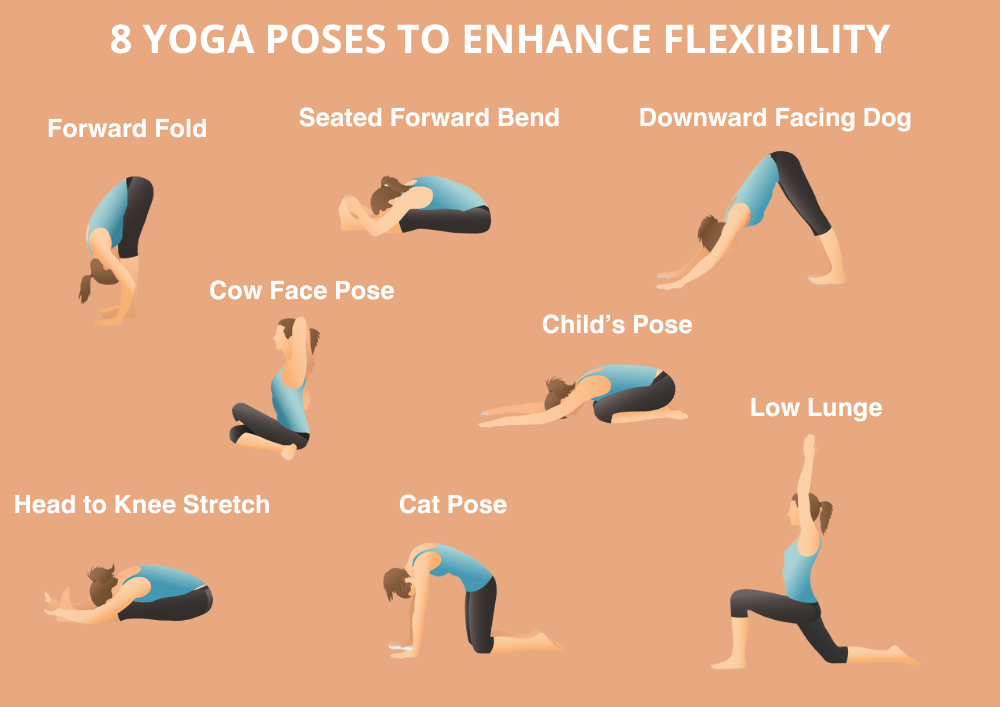
Some yoga poses are particularly effective for flexibility. The Downward Dog is a popular pose that stretches the hamstrings and calves. The Cobra pose targets the spine and opens the chest. The Child’s Pose gently stretches the back and hips. Each pose focuses on different areas, contributing to overall flexibility. Regular practice of these poses helps in loosening tight muscles.Benefits Of Yoga On Flexibility
Yoga offers several benefits for flexibility. It helps to elongate muscles and improve range of motion. Yoga increases blood flow to muscles, enhancing their elasticity. Practicing yoga regularly reduces stiffness and improves posture. It also aids in relaxation, making muscles more pliable. Yoga supports mental focus, which helps in maintaining consistent practice. These benefits make yoga a powerful tool for enhancing flexibility.Pilates And Flexibility
Pilates offers more than just a workout. It enhances flexibility, strength, and posture. Many people find Pilates a valuable tool for improving flexibility. It focuses on gentle stretching and controlled movements. This makes it accessible to all fitness levels. The exercises target specific muscle groups, increasing range of motion and reducing tension. Let’s explore how Pilates can enhance your flexibility.
Core Pilates Exercises
Core exercises form the backbone of Pilates routines. These movements strengthen the body’s central muscles. Examples include the Pilates Hundred and Roll-Up. These exercises engage the core deeply. Strong core muscles support the spine and pelvis. This stability aids in performing stretches effectively. Regular practice can enhance overall flexibility.
Impact Of Pilates On Flexibility
Pilates impacts flexibility through its unique approach. The exercises emphasize lengthening muscles while strengthening them. This dual action promotes a balanced body. Stretching and strengthening occur simultaneously. Practicing Pilates regularly can lead to improved muscle elasticity. This results in greater ease of movement.
Many Pilates exercises also focus on breathing. Proper breathing enhances relaxation and muscle extension. This can further aid in achieving better flexibility. Over time, Pilates can help reduce stiffness and improve posture. This allows for a greater range of motion in daily activities.

Credit: www.instagram.com
Comparing Yoga And Pilates
Yoga enhances flexibility through gentle stretching and mindful breathing. Pilates improves flexibility by focusing on controlled movements and core strength. Both offer unique benefits for flexibility improvement.
Yoga and Pilates are popular practices for enhancing flexibility. Both offer unique benefits for physical health. Many people wonder which is more effective for increasing flexibility. Let’s delve into their similarities and differences.Similarities In Approach
Yoga and Pilates focus on controlled movements. They emphasize breathing and mindfulness. Both practices enhance body awareness. They improve posture and balance. Each encourages relaxation and stress relief. Yoga involves various poses. Pilates focuses on core strength. Both use mats and props for support. They can be practiced at home or in a studio.Differences In Outcomes
Yoga increases flexibility through stretching. It involves holding poses for longer periods. This improves muscle elasticity. Yoga also enhances mental clarity. Pilates strengthens muscles through resistance. It focuses on short, repeated movements. This builds core strength. Pilates improves muscle tone and endurance. Both offer unique benefits for the body. Yoga is more holistic, impacting both mind and body. Pilates is more physical, concentrating on muscle tone. Consider your goals when choosing between the two.Choosing The Right Practice
Choosing the right practice between yoga and Pilates depends on several factors. Both offer flexibility benefits, but they cater to different needs. Understanding your personal goals and body type can guide your decision.
Personal Goals And Preferences
Consider what you want to achieve from your practice. Yoga is known for its meditative approach. It helps reduce stress and improve mental well-being. It also enhances physical flexibility and balance. If you seek a spiritual and holistic experience, yoga may be suitable.
Pilates, on the other hand, focuses more on core strength. It offers a structured workout. Pilates is ideal for those aiming to strengthen muscles and improve posture. If your goal is a toned body with a strong core, Pilates might be a better choice.
Considerations For Different Body Types
Every body is unique. Understanding how each practice interacts with your body type is crucial. Yoga offers a wide range of postures. These can be adapted for various flexibility levels. It’s accessible to people with different body shapes and sizes.
Pilates uses specific equipment. This equipment supports and challenges the body. It is effective for those needing controlled movements. Pilates can be more beneficial for individuals with certain physical conditions or injuries. Consider any physical limitations you may have.
In making your choice, reflect on what feels right for you. Try both practices if possible. This can provide insights into what resonates more with your body and mind.

Credit: www.theknowledgeacademy.com
Expert Opinions
Flexibility is a common goal for many fitness enthusiasts. Choosing between yoga and Pilates can be challenging. Expert opinions provide valuable guidance. Both yoga and Pilates offer unique benefits for flexibility.
Insights From Yoga Instructors
Yoga instructors emphasize its holistic approach. They focus on stretching and breathing. This combination enhances flexibility naturally. Poses like the downward dog stretch muscles effectively. Regular practice can improve joint mobility. Yoga also incorporates mindfulness. This aids in relaxing tense muscles. Many instructors recommend yoga for gradual flexibility gains.
Perspectives From Pilates Trainers
Pilates trainers highlight its core strengthening focus. Strong core muscles support flexible movements. Pilates exercises target specific muscle groups. This precision enhances flexibility in a controlled manner. Trainers often use equipment like reformers. These tools assist in deeper stretches. Pilates emphasizes controlled, deliberate movements. This method ensures muscles stretch safely. Regular Pilates practice can lead to improved flexibility.
Practical Tips
Yoga enhances flexibility through various poses and stretches. Pilates focuses on core strength, improving flexibility as well. Both practices offer benefits for increased range of motion and muscular balance.
Practical Tips Yoga and Pilates both improve flexibility. Each offers unique benefits. Combining them can enhance flexibility gains. Here are practical tips to help you make the most of these practices.Incorporating Both Practices
Integrate yoga and Pilates into your weekly routine. Aim for three sessions each week. Balance your schedule to avoid overworking muscles. Use yoga to stretch and relax the body. Utilize Pilates for core strength and posture. This combination supports overall flexibility. Experiment with different yoga styles. Try Hatha for gentle stretching. Consider Vinyasa for dynamic flow. Explore Pilates mat exercises. Focus on breathing and control. These practices complement each other well.Maximizing Flexibility Gains
Warm up before starting any session. Warm muscles stretch more effectively. Begin with light cardio or dynamic stretches. Focus on proper alignment in each pose. This reduces injury risk and improves results. Hold stretches for at least 30 seconds. This allows muscles to lengthen. Consistency is key. Practice regularly to see progress. Listen to your body. Avoid pushing too hard. Progress comes with time and patience.Frequently Asked Questions
Is Yoga Better For Flexibility Than Pilates?
Yoga is often considered better for flexibility due to its focus on stretching and lengthening muscles. It incorporates a variety of poses that target different muscle groups, promoting overall flexibility. Pilates can also improve flexibility but primarily focuses on strengthening the core and stabilizing muscles.
Can Pilates Improve My Flexibility?
Yes, Pilates can improve flexibility, especially in the core and spine areas. It emphasizes controlled movements and stretching while building strength. Though flexibility isn’t its main focus, Pilates enhances muscle elasticity and joint mobility, contributing to better overall flexibility and posture.
Which Is Best For Beginners, Yoga Or Pilates?
For beginners, yoga may be more accessible due to its varied intensity levels and slower pace. It offers a wide range of poses that can be modified for different abilities. Pilates also suits beginners but often requires equipment or props, making yoga a simpler starting point.
How Often Should I Practice Yoga For Flexibility?
Practicing yoga at least two to three times a week can significantly enhance flexibility. Consistency is key for noticeable improvements. Regular sessions help in maintaining muscle elasticity and joint mobility, making flexibility gains more sustainable over time.
Conclusion
Yoga and Pilates both enhance flexibility. Each offers unique benefits. Yoga stretches muscles and improves joint mobility. Pilates strengthens core muscles, aiding balance. Try both to see what works best. Each practice develops flexibility differently. Choose based on your personal goals.
Some prefer yoga’s meditative approach. Others enjoy Pilates’ focus on strength and control. Explore classes or online videos. Experiment to find what suits you. Flexibility improves with practice. Consistency is key. Embrace the journey, and enjoy the benefits of both.
Your body will thank you.