
Picture this: You’re climbing a steep hill, running a marathon, or simply trying to keep up with your kids at the park. Suddenly, you’re out of breath, your heart is racing, and you need to stop to catch your breath.
Has this ever happened to you? If so, you might be wondering why some people seem to handle these activities with ease while others struggle. The answer lies in something called cardio-respiratory endurance. But what does cardio-respiratory endurance really mean in fitness?
And more importantly, how can it impact your everyday life and well-being? Understanding this concept is the key to unlocking a healthier, more energetic you. Imagine being able to enjoy your favorite activities without gasping for air. Imagine feeling more vibrant and alive each day. This article will guide you through the essentials of cardio-respiratory endurance, helping you discover how to improve it and reap the countless benefits it brings. Get ready to transform your fitness journey and enhance your quality of life—read on to uncover the secrets of cardio-respiratory endurance!
:max_bytes(150000):strip_icc()/VWH-GettyImages-1470956177-0d9b403934b24d6ca2f31e10176c615e.jpg)
Credit: www.verywellhealth.com
Cardio-respiratory Endurance Basics
Cardio-respiratory endurance refers to the ability of the heart and lungs to supply oxygen during exercise. It measures how efficiently your body can perform prolonged physical activity, enhancing overall fitness and stamina.
Cardio-Respiratory Endurance Basics Understanding the fundamentals of cardio-respiratory endurance can significantly enhance your fitness journey. This vital component of physical fitness refers to your heart and lungs’ ability to supply oxygen to your muscles during prolonged physical activity. Enhancing this endurance can lead to improved overall health, better athletic performance, and increased energy levels in your daily life.What Is Cardio-respiratory Endurance?
Cardio-respiratory endurance is your body’s ability to sustain physical activity over an extended period. It involves the efficient functioning of your heart, lungs, and blood vessels. When these systems work together, they deliver oxygen and nutrients to your muscles, helping you maintain activity without fatigue.Benefits Of Improving Cardio-respiratory Endurance
Boosting your cardio-respiratory endurance can lead to numerous health benefits. It reduces the risk of chronic diseases like heart disease and diabetes. Additionally, it enhances your stamina, enabling you to perform everyday activities with ease.How To Measure Your Cardio-respiratory Endurance
You can assess your endurance through various tests. The most common is the VO2 max test, which measures the maximum amount of oxygen your body can use during intense exercise. Another simple method is the Cooper Test, which involves running as far as possible in 12 minutes.Exercises To Boost Your Cardio-respiratory Endurance
Incorporating specific exercises into your routine can effectively improve your endurance. Activities like running, swimming, and cycling are excellent choices. Aim to engage in these exercises for at least 150 minutes per week, gradually increasing intensity as your endurance builds.Personal Experience: Overcoming The Initial Struggles
I remember my first attempt at improving my cardio-respiratory endurance. The initial sessions were tough, leaving me breathless and exhausted. However, with consistent practice and perseverance, I noticed significant improvements in my stamina and overall well-being.Common Mistakes To Avoid
Avoid pushing yourself too hard too soon. Gradual progression is key to avoiding injuries and maintaining motivation. It’s also crucial to maintain a balanced exercise routine that includes strength training and flexibility exercises.Practical Tips For Enhancing Your Endurance
Stay hydrated and maintain a balanced diet to support your fitness goals. Monitor your progress and celebrate small victories to stay motivated. Consider joining a fitness group or class to keep the experience enjoyable and socially engaging. What steps will you take today to improve your cardio-respiratory endurance? Embrace the journey, and your body will thank you for it.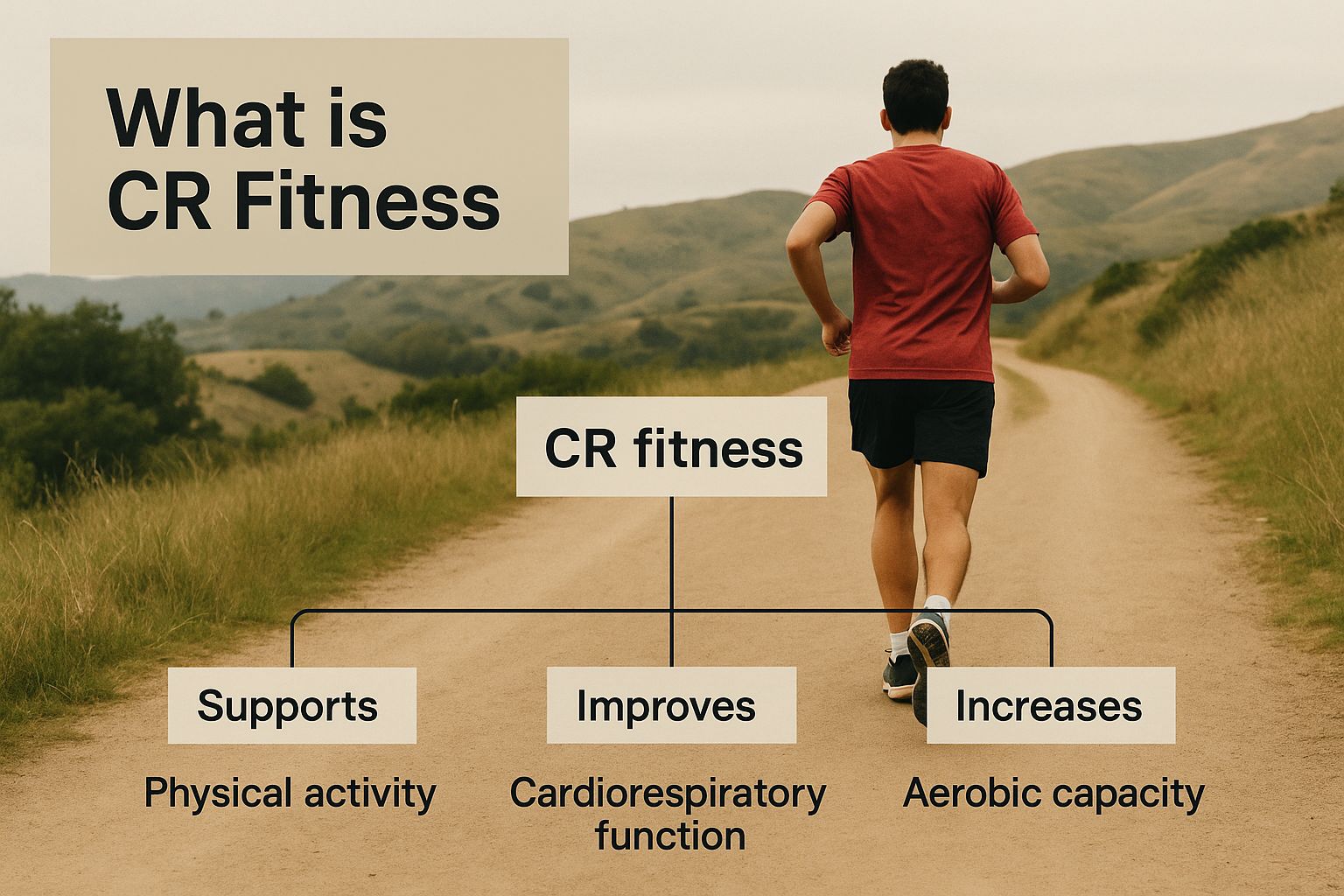
Credit: www.cartwrightfitness.co.uk
Importance In Fitness
Cardio-respiratory endurance measures how efficiently the heart and lungs supply oxygen during exercise. It boosts energy, stamina, and overall health. Regular cardio activities improve this endurance, enhancing fitness levels and promoting well-being.
Cardio-respiratory endurance is crucial in fitness. It refers to the ability of your heart, lungs, and blood vessels to supply oxygen efficiently during physical activity. This endurance enhances overall health and fitness levels.Boosting Heart Health
Regular cardio exercises strengthen your heart. A strong heart pumps blood more effectively. This reduces the risk of heart diseases. Improved heart health leads to better stamina. You can perform activities longer without fatigue.Enhancing Lung Capacity
Cardio workouts improve lung function. They increase your lung capacity. More oxygen reaches your muscles during exercise. This boosts performance and energy levels. You feel more active and less tired.Improving Blood Circulation
Good cardio-respiratory endurance ensures proper blood flow. Enhanced circulation delivers nutrients throughout your body. It supports muscle recovery after workouts. Efficient circulation helps maintain healthy organs.Supporting Weight Management
Cardio exercises burn calories effectively. They help manage weight. Consistent cardio activities lead to fat loss. You maintain a healthy body weight. Staying active prevents obesity-related health issues.Increasing Energy Levels
With better endurance, energy levels rise. You feel more energetic daily. Activities seem less tiring. You have more vigor for tasks. Higher energy improves overall quality of life.Reducing Stress
Cardio activities relieve stress. Physical exertion releases endorphins. These hormones boost mood. You feel happier and more relaxed. Regular exercise reduces anxiety and depression symptoms.Promoting Better Sleep
Engaging in cardio improves sleep quality. It helps regulate your sleep cycle. After exercising, you sleep deeper. Good sleep enhances physical and mental health. You wake up refreshed and ready for the day.Key Components
Cardio-respiratory endurance in fitness refers to the ability of the heart and lungs to supply oxygen during exercise. Key components include efficient breathing, strong heart muscles, and healthy blood circulation. These factors help maintain stamina during physical activities.
Understanding the key components of cardio-respiratory endurance can transform your fitness journey. It’s not just about how long you can run or how fast you can swim. It’s about the powerful collaboration between your heart, lungs, and muscles. Each plays a crucial role in building endurance, and by focusing on these elements, you can enhance your overall fitness.Heart Function
Your heart is the powerhouse of your cardio-respiratory system. It pumps oxygen-rich blood to your muscles, fueling them during exercise. A strong heart can pump more blood with each beat, reducing the need for it to work excessively hard. Ever noticed how some people can keep going for hours without breaking a sweat? Their heart efficiency is likely a key factor. Regular cardio workouts like cycling or swimming can improve heart function, making your endurance activities feel less taxing.Lung Capacity
Your lungs play a vital role in how well you perform during physical activities. They supply oxygen to your bloodstream, which is then delivered to your muscles. Increasing your lung capacity means you can take in more air with each breath, allowing more oxygen to enter your bloodstream. Think of your lungs as your personal air supply during a workout. Activities like deep-breathing exercises or regular aerobic training can help expand your lung capacity. Next time you’re out jogging, pay attention to your breathing rhythm—it can dramatically affect your endurance.Muscle Efficiency
Efficient muscles are essential for sustaining physical activity over longer periods. They utilize oxygen more effectively and delay fatigue. This means you can push through those last few miles or reps without hitting a wall. Muscle efficiency is not just about strength but also about endurance. Incorporate exercises that build both stamina and strength, like circuit training or interval workouts. Notice how your muscles adapt and perform better over time, giving you that extra edge in your fitness routine. Is your current routine addressing all these components? By focusing on heart function, lung capacity, and muscle efficiency, you can significantly boost your cardio-respiratory endurance. What small changes can you make today to improve your fitness tomorrow?Measuring Endurance
Cardio-respiratory endurance refers to the body’s ability to sustain physical activity over time. It involves the heart, lungs, and muscles working together efficiently. Improving this endurance boosts overall fitness and stamina.
Measuring endurance is key in understanding cardio-respiratory fitness. It helps assess how well your heart and lungs work during physical activity. Various methods exist to measure endurance, each offering unique insights.Vo2 Max
VO2 Max measures the maximum oxygen your body can use. It indicates your aerobic fitness level. A higher VO2 Max means better endurance. To measure it, athletes perform intense exercise on a treadmill. Oxygen and carbon dioxide levels are monitored. This test requires special equipment and trained professionals. It’s the gold standard for measuring aerobic endurance.Endurance Tests
Endurance tests evaluate how long you can sustain an activity. They vary based on fitness level and goals. Common tests include the Cooper Test and the Beep Test. The Cooper Test involves running as far as possible in 12 minutes. The Beep Test requires running back and forth at increasing speeds. These tests are easy to conduct and need minimal equipment. They offer practical insights into your endurance levels. Understanding endurance measurement helps tailor fitness plans. It highlights areas for improvement. This ensures a balanced and effective workout routine.Improving Endurance
Cardio-respiratory endurance refers to the body’s ability to efficiently supply oxygen during prolonged physical activity. It enhances heart and lung function, improving stamina for daily tasks and workouts. Regular exercise boosts this endurance, leading to better overall health and fitness.
Improving endurance in fitness is more than just boosting your stamina; it’s about enhancing your overall health and performance. Whether you aim to run a marathon or simply climb stairs without losing breath, building cardio-respiratory endurance is key. This involves training your heart and lungs to efficiently supply oxygen to your muscles during prolonged physical activities. Let’s explore how you can effectively improve your endurance through training techniques, consistent exercise, and smart nutrition and recovery strategies.Training Techniques
To boost your endurance, incorporating interval training can be a game changer. Switching between high-intensity bursts and moderate activity helps condition your heart and lungs. Consider adding activities like swimming or cycling to your routine. These exercises not only build endurance but also engage different muscle groups, making your workouts more comprehensive. Don’t underestimate the power of steady-state cardio. Long, consistent sessions at a manageable pace can gradually build your endurance over time.Consistency In Exercise
Consistency is the backbone of improving endurance. Regular workouts ensure your body adapts and strengthens over time. Set achievable goals. Whether it’s a daily jog or a weekly hike, small milestones keep you motivated and on track. Track your progress. Monitoring your endurance improvements can be incredibly rewarding and encouraging.Nutrition And Recovery
Fuel your body with a balanced diet rich in carbohydrates, proteins, and healthy fats. These nutrients provide the energy and repair your muscles need. Hydration plays a crucial role. Staying hydrated supports your cardiovascular system and helps maintain endurance levels. Prioritize recovery. Allow your body to rest and recuperate. Consider activities like yoga or stretching to aid muscle recovery and prevent injury. Improving your cardio-respiratory endurance requires dedication and smart strategies. Are you ready to take the first step towards a fitter, more resilient you?Benefits For Overall Health
Cardio-respiratory endurance boosts overall health by improving heart and lung function. It enhances stamina and reduces fatigue. Regular exercise strengthens your body’s ability to use oxygen efficiently, supporting daily activities and promoting longevity.
Cardio-respiratory endurance is crucial for overall health. It involves the heart, lungs, and muscles working together. This endurance improves how well your body uses oxygen. The benefits touch every part of your life. Let’s explore some of these benefits.Weight Management
Regular cardio exercises help burn calories effectively. This process aids in maintaining a healthy weight. Consistent activity boosts metabolism, burning more calories even at rest. With improved endurance, workouts become easier and more enjoyable. This makes it simpler to keep a regular exercise routine.Mental Health
Cardio-respiratory endurance boosts mental well-being. Exercise releases endorphins, the body’s natural mood lifters. These chemicals reduce stress and combat anxiety. Regular physical activity improves sleep quality, enhancing mental clarity. Better sleep leads to sharper focus and a more positive outlook.Longevity
Building cardio-respiratory endurance contributes to a longer life. It strengthens the heart, reducing the risk of cardiovascular diseases. Improved lung function supports better oxygen flow throughout the body. A healthier body is more resilient against illnesses. This endurance supports a vibrant, active lifestyle well into older age.Common Misconceptions
Understanding cardio-respiratory endurance is key to fitness. Yet, many have misconceptions about it. These misunderstandings can affect training and results. Let’s clear up some of these common myths.
Misconception 1: Cardio Means Running Only
Many think cardio is just running. It’s not true. Cardio involves any activity that increases your heart rate. Swimming, cycling, and dancing are great cardio exercises. They improve heart and lung function too.
Misconception 2: Cardio Is Only For Weight Loss
Cardio is often linked with weight loss. But it’s also vital for overall health. It strengthens the heart and lungs. It boosts stamina and energy levels. Everyone can benefit from regular cardio workouts.
Misconception 3: More Cardio Equals Better Fitness
Some believe more cardio leads to better fitness. Doing too much can cause fatigue or injury. Balance is important. Combine cardio with strength training for best results. This helps build a strong, healthy body.
Misconception 4: Cardio Is Not For Muscle Gain
People often think cardio hinders muscle growth. In fact, it can support it. Cardio improves blood flow to muscles. This helps with recovery and growth. Include cardio in your routine for balanced fitness.
Misconception 5: Cardio Is Only For Young People
Many think cardio is just for the young. But it’s beneficial for all ages. It helps maintain heart health in older adults. It also boosts energy and mood. Everyone can enjoy the benefits of cardio.
Role In Athletic Performance
Cardio-respiratory endurance measures how well the heart, lungs, and muscles work together during exercise. It boosts stamina, allowing longer workouts with less fatigue. Enhanced endurance supports overall health and fitness goals.
Cardio-respiratory endurance is crucial for athletes. It allows them to perform at their best for longer durations. This endurance is the body’s ability to supply oxygen to muscles during physical activity. Athletes with high cardio-respiratory endurance can maintain their performance without tiring quickly. This is vital in sports demanding sustained effort, like running or swimming.Importance In Long-distance Running
Long-distance runners rely heavily on cardio-respiratory endurance. It helps them maintain a steady pace over miles. The heart and lungs work efficiently, delivering oxygen to muscles. This reduces fatigue and enhances stamina, crucial for finishing strong.Benefits For Team Sports
Team sports like soccer benefit from cardio-respiratory endurance. Players need to keep up with fast-paced games. Better endurance means less fatigue and more energy. This allows them to perform well throughout the match.Impact On Recovery Time
Cardio-respiratory endurance aids in quicker recovery. After intense workouts, athletes recover faster with good endurance. This means less downtime and more training opportunities.Boosting Performance In Competitive Swimming
Swimmers need excellent cardio-respiratory endurance. It helps them swim longer without losing speed. Efficient oxygen use means better performance in races. This endurance is key in competitive swimming.Enhancing Stamina In Cycling
Cyclists benefit from high cardio-respiratory endurance. It helps in maintaining energy over long rides. Steady breathing and heart rate improve overall stamina. This is crucial for both racing and recreational cycling.Potential Risks
Cardio-respiratory endurance is a cornerstone of fitness, enhancing your heart and lung health. However, pushing this endurance to its limits can lead to potential risks. Understanding these risks helps you train smarter and stay injury-free.
Overtraining
Overtraining happens when you push your body beyond its capacity without adequate rest. This can lead to fatigue, decreased performance, and even mood swings. Imagine feeling exhausted even after a long night’s sleep—this is a sign your body needs a break.
Listening to your body is crucial. If you notice persistent fatigue or a drop in motivation, it might be time to scale back. Remember, rest days are as important as workout days for maintaining your endurance.
Injury Prevention
Injuries can be a major setback in your fitness journey. They often occur when you don’t warm up properly or push too hard too soon. Have you ever skipped a warm-up and ended up with a sore muscle? That’s your body warning you.
To prevent injuries, incorporate a proper warm-up and cool-down routine. Stretching and gradual progression in intensity can safeguard your joints and muscles. Think of it as prepping your body for success rather than rushing into the workout.
Have you considered how these potential risks might affect your long-term fitness goals? Being mindful of them can help you stay on track and enjoy a healthier, more sustainable workout routine.
:max_bytes(150000):strip_icc()/GettyImages-2202136010-fce9d4ec3e5f467d96c40fd390a479d9.jpg)
Credit: www.verywellhealth.com
Frequently Asked Questions
What Is Cardio-respiratory Endurance In Fitness?
Cardio-respiratory endurance is the ability of your heart and lungs to supply oxygen during sustained physical activity. It is crucial for overall fitness and health. Improving this endurance helps enhance stamina, reduce fatigue, and increase energy levels.
How Can I Improve My Cardio-respiratory Endurance?
To improve cardio-respiratory endurance, engage in regular aerobic exercises like running, cycling, or swimming. Gradually increase the intensity and duration of your workouts. Consistency is key to developing endurance. Also, ensure you’re maintaining a balanced diet and staying hydrated to support your training.
Why Is Cardio-respiratory Endurance Important?
Cardio-respiratory endurance is important for maintaining overall health and fitness. It enhances your heart and lung efficiency, reducing the risk of chronic diseases. Improved endurance leads to better stamina, increased energy levels, and improved mental well-being. It also aids in weight management and boosts immune function.
How Does Cardio-respiratory Endurance Affect Fitness Levels?
Cardio-respiratory endurance significantly impacts fitness levels by enhancing your body’s ability to sustain prolonged physical activity. A higher endurance level means better oxygen delivery to muscles, improved energy, and less fatigue. This contributes to better performance in various physical activities and overall improved fitness.
Conclusion
Cardio-respiratory endurance plays a key role in fitness. It helps your heart and lungs work better. When these systems are strong, you feel more energetic. Exercise like running boosts this endurance. With better endurance, daily tasks become easier. You breathe better and feel less tired.
Building this endurance takes time but rewards your health. Remember to start slow and increase gradually. Consistency is important for improvement. So, keep moving and stay active. Your heart and lungs will thank you. Enjoy the benefits of improved cardio-respiratory endurance.
Feel the difference in your everyday life.