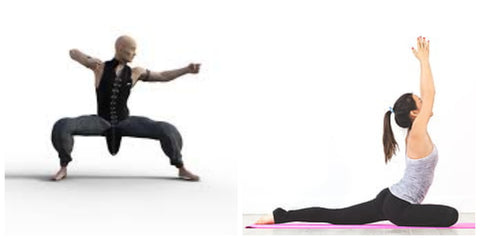
Are you looking to boost your flexibility but can’t decide between yoga and tai chi? You’re not alone.
This common dilemma often leaves people wondering which practice will offer the best results. Imagine moving with ease, free from stiffness, and feeling a sense of fluidity in your body. Whether you’re a seasoned athlete or someone just trying to touch your toes, the right choice can make all the difference.
Keep reading to discover the surprising benefits each discipline offers and find out which one aligns best with your goals. Your body will thank you for it.
Benefits Of Flexibility
Yoga and Tai Chi both enhance flexibility through gentle movements. Yoga focuses on deep stretches, increasing range of motion. Tai Chi improves joint flexibility with flowing sequences, promoting balance and ease.
Flexibility is a gift that keeps on giving. It empowers you to move freely, reduces the risk of injury, and enhances your overall physical performance. Whether you’re a seasoned athlete or someone who simply wants to tie their shoes without struggling, improving flexibility can have profound impacts on your daily life. Both yoga and tai chi offer unique pathways to achieving greater flexibility, each with its own benefits.Improved Range Of Motion
Enhancing your flexibility opens doors to a wider range of motion. This means you can perform movements with greater ease and efficiency. Imagine reaching for something on a high shelf without straining your muscles. Yoga and tai chi both focus on gentle stretching and gradual improvement, making these movements part of your daily routine without stress.Reduced Muscle Tension
Flexibility is like a soothing balm for your muscles. When your muscles are flexible, they carry less tension, leading to less discomfort. Think about the last time you had a stiff neck or sore shoulders. Incorporating yoga or tai chi can release that tension, promoting relaxation and comfort throughout the body.Enhanced Posture
Poor posture can lead to a host of issues, from back pain to headaches. By improving flexibility, you can align your body better, promoting a healthier posture. Yoga’s focus on body alignment and tai chi’s emphasis on fluid movements can guide you to stand tall and confident, reducing the strain on your spine and joints.Injury Prevention
Flexibility acts as a shield against injuries. When your muscles and joints are flexible, they’re less susceptible to strains and sprains. Whether you’re running, lifting, or simply playing with your kids, having a flexible body can help you perform these activities safely and effectively.Stress Relief
Practicing yoga or tai chi not only improves your physical flexibility but also eases mental tension. Engaging in these practices can be a meditative experience, helping you clear your mind and reduce stress. Imagine finding peace in your movements and tranquility in your thoughts, all while stretching and strengthening your body. So, which path will you choose to enhance your flexibility? Yoga with its deep stretches and poses or tai chi with its flowing movements and balance? The journey to flexibility is yours to discover, and each practice offers a unique way to embrace a more flexible, healthier you.Exploring Yoga
Yoga, a practice that has been around for thousands of years, offers a multitude of benefits for both the body and mind. Its potential to enhance flexibility is one of its most celebrated advantages. Whether you’re a seasoned practitioner or a curious beginner, yoga provides tools to improve your range of motion, reduce stiffness, and even alleviate joint pain. Let’s dive into what makes yoga a powerful practice for flexibility.
Origins And Philosophy
Yoga originated in ancient India and is deeply rooted in its culture and spiritual traditions. It combines physical postures, breathing exercises, and meditation to harmonize the body and mind.
The philosophy of yoga emphasizes balance, mindfulness, and unity. This holistic approach nurtures not only flexibility but also mental clarity and emotional well-being.
Have you ever wondered how a practice from centuries ago can still be relevant today? Yoga’s adaptability and timeless wisdom make it a valuable tool for modern living.
Key Poses For Flexibility
To improve flexibility, certain yoga poses are particularly effective. Here are some you might want to include in your routine:
- Downward-Facing Dog:This pose stretches the hamstrings, calves, and shoulders. It’s a staple in many yoga classes and can be modified to suit different flexibility levels.
- Cobra Pose:This gentle backbend opens the chest and stretches the spine. It’s excellent for counteracting the effects of sitting for long periods.
- Forward Bend:A simple yet effective pose to stretch the lower back and hamstrings. It can be performed seated or standing, depending on your preference.
By regularly practicing these poses, you can gradually enhance your flexibility. Remember, consistency is key.
Breathing Techniques
Breathing is a fundamental aspect of yoga that often goes unnoticed. Proper breathing techniques can significantly enhance your practice and flexibility.
One popular method is Ujjayi breathing, often referred to as “ocean breath.” This technique involves inhaling and exhaling through the nose with a slight constriction in the throat, creating a soothing sound.
Breathing deeply and mindfully not only helps in stretching deeper but also calms the mind. Have you noticed how your breathing changes when you’re stressed? Yoga helps you take control of it.
By incorporating these elements into your yoga practice, you’ll not only work on your flexibility but also cultivate a sense of peace and awareness. Are you ready to roll out your mat and see the changes for yourself?
Understanding Tai Chi
Comparing yoga and Tai Chi for flexibility can be insightful. Yoga offers a wide range of poses to stretch muscles. Tai Chi, with its slow movements, enhances joint mobility and fluidity. Both practices contribute positively to flexibility.
Understanding Tai Chi Tai Chi is an ancient practice rooted in Chinese culture. It’s known for gentle movements that improve flexibility and balance. Many embrace it for its meditative qualities. It helps the mind focus and relax. Tai Chi is often seen as a form of moving meditation.Historical Background
Tai Chi originated hundreds of years ago in China. It began as a martial art. Over time, it evolved into a health practice. People used it to cultivate strength and calmness. Today, it is practiced worldwide. Its history is rich and reflects Chinese philosophy.Core Movements
Tai Chi involves slow, deliberate movements. Each movement flows into the next smoothly. These movements stretch and strengthen muscles. Practitioners move in a sequence. They focus on balance and posture. The goal is to harmonize body and mind. Movements are gentle but effective.Role Of Breathing
Breathing is crucial in Tai Chi. It helps connect the mind with the body. Practitioners breathe deeply and slowly. This calms the mind and energizes the body. Breathing enhances focus and relaxation. It supports the fluidity of movements. Proper breathing is key to Tai Chi’s benefits.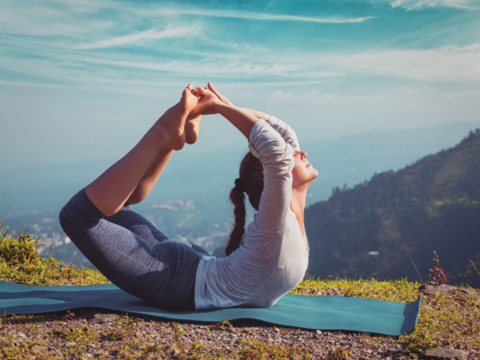
Credit: m.economictimes.com
Comparing Yoga And Tai Chi
Yoga and Tai Chi both enhance flexibility through gentle movements and stretches. Yoga often involves holding poses, increasing muscle elasticity. Tai Chi focuses on slow, flowing movements, improving joint flexibility. Both practices offer unique benefits and can complement each other in a fitness routine.
Comparing Yoga and Tai Chi Yoga and Tai Chi are both ancient practices that offer numerous health benefits, with flexibility being a key area of improvement. Each practice has its unique strengths and appeals, making them popular choices for those looking to enhance their physical and mental well-being. By understanding the distinct characteristics of each, you can decide which practice might be better suited for your flexibility goals.Physical Demands
Yoga often involves a series of poses that require holding specific positions for varying lengths of time. This demands a certain level of strength and endurance, as you move through sequences that stretch and strengthen different muscle groups. Tai Chi, on the other hand, is typically characterized by slow, flowing movements that focus more on balance and coordination. While it might seem less physically demanding, these gentle motions require control and precision, offering a different way to improve flexibility.Mental Focus
Both Yoga and Tai Chi encourage mindfulness, but they approach it differently. In Yoga, you may find yourself concentrating on your breath to maintain a pose or deepen your stretch. This can help you become more aware of your body’s capabilities and limitations. Tai Chi emphasizes a meditative state through its continuous, rhythmic movements. The focus here is on the flow of energy, which can help you relax and release tension, ultimately aiding in flexibility.Accessibility And Adaptability
Yoga has a wide range of styles, from gentle restorative sessions to more vigorous practices like Vinyasa or Ashtanga. This variety makes it accessible to people of all fitness levels and allows you to adapt the practice to your specific needs. Tai Chi is often more accessible to beginners and older adults, given its gentle nature. Its adaptability lies in the simplicity of its movements, making it easy to practice almost anywhere without the need for special equipment. Have you ever tried both to see which resonates more with your lifestyle?Scientific Insights
When it comes to improving flexibility, both yoga and tai chi offer compelling benefits supported by scientific research. Each practice has unique characteristics and advantages that can enhance your flexibility. But what does science say about these two ancient disciplines?
Studies On Yoga And Flexibility
Yoga is renowned for its ability to enhance flexibility. Scientific studies have consistently shown that regular yoga practice can significantly increase the range of motion in your joints and improve muscle elasticity.
One study highlighted that participants who engaged in yoga for just eight weeks showed improved flexibility in their hamstrings and shoulders. This was particularly evident among those who practiced Hatha yoga, a style focusing on physical postures.
Imagine starting your day with a simple Sun Salutation. Over time, you’ll notice not only improved flexibility but also a sense of ease in your movements. Have you tried incorporating yoga into your daily routine?
Research On Tai Chi Benefits
Tai chi might not be the first thing that comes to mind when you think of flexibility. However, research suggests it offers surprising benefits in this area. Known for its slow and deliberate movements, tai chi helps improve balance and flexibility without the need for extreme postures.
A study examining older adults found that tai chi practice led to increased flexibility and reduced the risk of falls. This is crucial, especially as you age and maintaining mobility becomes a priority.
Picture yourself performing a graceful tai chi routine in the park, feeling more grounded and flexible with each session. Could tai chi be the gentle yet effective practice you’ve been seeking to enhance your flexibility?
Credit: wellnessexplorer.medium.com
Choosing The Right Practice
Yoga and Tai Chi both offer unique benefits for flexibility. Yoga involves stretches and poses that target various muscle groups. Tai Chi focuses on gentle, flowing movements that enhance joint mobility and balance.
Choosing the right practice between yoga and tai chi requires thought. Each offers unique benefits for improving flexibility. To make the best decision, consider a few factors.Personal Goals And Preferences
Identify your personal goals. Yoga is diverse, with many styles. Some styles focus on flexibility, others on strength. Tai chi offers gentle, flowing movements. It emphasizes balance and relaxation. Consider what you enjoy more. Do you like dynamic poses or slow, meditative movements? Your preference can guide your choice.Health Considerations
Health plays a role in selecting a practice. Yoga involves stretching and holding poses. It can be intense for beginners. Tai chi is low-impact. It’s suitable for people with joint issues. Assess your health needs. Consult a healthcare provider if necessary. Choose the practice that aligns with your health condition.Lifestyle Integration
Think about your lifestyle. Yoga classes vary in length. They range from 30 to 90 minutes. Tai chi sessions are often shorter. They can fit into a busy schedule. Consider where you can practice. Yoga often needs a mat and space. Tai chi can be done outdoors or indoors. Find what integrates smoothly into your daily life.Testimonials And Experiences
Choosing between yoga and tai chi for flexibility improvement can be challenging. Reading personal stories can help you decide. These testimonials offer insights into the benefits of each practice. They reveal how individuals have enhanced their flexibility. Let’s delve into the experiences of yoga enthusiasts and tai chi practitioners.
Yoga Enthusiasts
Many people find yoga transformative for their flexibility. Sarah, a yoga enthusiast, shares her journey. She started practicing yoga three times a week. Within months, she noticed significant changes. Her hamstrings became more flexible. She could touch her toes with ease.
John, another yoga devotee, had a similar experience. He struggled with stiff shoulders due to desk work. Regular yoga sessions improved his posture. His shoulders became less tense and more mobile. He credits yoga for his newfound flexibility.
Tai Chi Practitioners
Some find tai chi equally beneficial for flexibility. Emily, a tai chi practitioner, speaks of her experience. Tai chi helped her improve her balance and flexibility. The slow, deliberate movements made her more aware of her body.
Mark, an avid tai chi follower, saw improvements in his flexibility too. His joints became less stiff. He appreciates the meditative aspect of tai chi. It not only enhanced his flexibility but also reduced stress. For him, tai chi offered a holistic approach to well-being.

Credit: www.theguardian.com
Frequently Asked Questions
Which Is Better For Flexibility, Yoga Or Tai Chi?
Yoga generally offers more direct flexibility benefits through stretching poses. Tai Chi improves flexibility through slow, controlled movements. Both practices enhance flexibility but in different ways. Yoga focuses on stretching specific muscle groups, while Tai Chi emphasizes fluidity and balance in motion.
Can Beginners Improve Flexibility With Yoga Or Tai Chi?
Yes, beginners can improve flexibility with both. Yoga offers various poses to enhance flexibility gradually. Tai Chi’s gentle movements improve flexibility by promoting fluid body motions. Both are suitable for beginners, providing flexibility benefits without requiring advanced skills or prior experience.
Does Yoga Improve Flexibility Faster Than Tai Chi?
Yoga may improve flexibility faster due to its intense stretching exercises. Tai Chi provides gradual improvements through consistent practice. Yoga focuses on stretching specific muscles, while Tai Chi emphasizes fluid movements. The speed of improvement can vary based on individual dedication and practice frequency.
Are There Specific Poses In Yoga For Flexibility?
Yes, Yoga includes poses like Downward Dog and Cobra to enhance flexibility. These poses target different muscle groups, promoting flexibility and strength. Incorporating these poses regularly can significantly improve overall flexibility. Yoga’s wide variety of poses offers tailored flexibility benefits for different body parts.
Conclusion
Yoga and Tai Chi both enhance flexibility. Choose based on your preferences. Yoga involves poses and stretches. Tai Chi includes gentle movements and flow. Both practices offer benefits. They support physical health and mental wellness. Consider trying both. Discover what suits your body and mind.
Regular practice is key. Consistency brings progress over time. Find a routine that fits your lifestyle. Enjoy the journey towards better flexibility. Listen to your body. Respect its limits and capabilities. Flexibility improves gradually. Each person’s path is unique. Embrace the process and stay committed.