When you think about gaining flexibility, yoga often comes to mind. But is it really the best option for you?
Imagine being able to bend effortlessly, touch your toes without strain, or even perform daily tasks with ease. Flexibility is not just about impressing others with your poses; it’s about enhancing your life. You might wonder if yoga can truly help you achieve these goals.
The answer could change how you approach your fitness routine. Dive into this article to discover how yoga might be the key to unlocking a more flexible and agile you.
Benefits Of Yoga For Flexibility
Yoga enhances flexibility through gentle stretching and mindful breathing. It helps muscles relax and lengthen over time. Regular practice leads to increased range of motion and improved posture.
Yoga is renowned for its ability to enhance flexibility. Whether you’re looking to touch your toes or simply want to move more freely, yoga can be an excellent practice to help you achieve your flexibility goals. Let’s dive into some key benefits of yoga for flexibility that might surprise you.Improved Range Of Motion
Yoga encourages movement in all directions. By practicing poses that stretch and strengthen different muscle groups, you gradually increase your range of motion. This can make everyday activities easier and more enjoyable. You’ll find that bending down to pick something up or reaching for a high shelf becomes less of a challenge.Enhanced Muscle Elasticity
Regular yoga practice helps in elongating muscles, making them more pliable and resilient. This elasticity is crucial for preventing injuries. If you’ve ever pulled a muscle during a workout, you know how painful it can be. Yoga’s focus on stretching can reduce the likelihood of such injuries, allowing you to stay active without setbacks.Improved Posture And Alignment
Flexibility isn’t just about bending and stretching. It’s also about maintaining proper posture and alignment. Yoga teaches you how to hold your body correctly, which can prevent back pain and improve your overall well-being. Notice how your body feels when you stand up straight versus when you slouch—yoga helps you maintain that good posture naturally.Stress Reduction And Relaxation
Stress can cause muscle tension, limiting flexibility. Yoga’s emphasis on deep breathing and relaxation helps in releasing tension. As you breathe deeply, you might feel your muscles relaxing and becoming more flexible. It’s not just about physical change; it’s about feeling more at ease in your body.Consistency And Progress
Flexibility improves with regular practice. Set a routine and stick to it, even if it’s just a few minutes a day. You’ll be amazed at the progress you make over time. Celebrate small victories, like being able to hold a pose longer or stretch a bit further. This consistency not only boosts flexibility but also fosters a sense of achievement. Have you ever tried yoga to improve your flexibility? What changes did you notice?Types Of Yoga For Flexibility
Yoga offers various styles to enhance flexibility. Each style targets different areas of the body. Discover which type suits your goals. Let’s explore some popular yoga styles for flexibility.
Hatha Yoga
Hatha Yoga is a gentle introduction to basic yoga poses. It focuses on holding postures and deep breathing. This style is excellent for beginners wanting to improve flexibility. Each pose is held for several breaths. This allows the body to gradually stretch and lengthen.
Vinyasa Yoga
Vinyasa Yoga involves a series of flowing movements. It synchronizes breath with movement. This style increases flexibility and builds strength. Practicing Vinyasa helps the body move freely. Its dynamic nature keeps you engaged and energized.
Yin Yoga
Yin Yoga targets deep connective tissues. It involves holding poses for longer periods. This practice is slower and more meditative. Yin Yoga promotes relaxation and deep stretching. It helps release tension in the body. Perfect for those seeking a calm yet effective stretch.
Key Yoga Poses To Enhance Flexibility
Are you looking to enhance your flexibility and wondering if yoga could be your go-to practice? Yoga is renowned not only for its ability to calm the mind but also for its power to stretch and strengthen the body. Key poses in yoga can significantly improve your flexibility, making daily activities easier and more enjoyable. Let’s dive into some of these fundamental poses that can help you gain the flexibility you desire.
Downward-facing Dog
Imagine a pose that stretches your entire body from head to toe. Downward-Facing Dog is exactly that. This pose targets the hamstrings, calves, and shoulders, offering a full-body stretch. As you press your hands into the mat and lift your hips towards the ceiling, you’ll feel the tension release from your muscles. Regular practice can lead to noticeable improvements in your flexibility.
Pigeon Pose
Pigeon Pose is a favorite among yogis for its deep stretch of the hips and thighs. This pose gently opens up your hip joints, providing relief from tightness and increasing your range of motion. As you lean forward into the pose, you might feel a sense of relaxation and openness in your lower body. It’s a great way to unwind after a long day or a strenuous workout.
Cat-cow Stretch
The Cat-Cow Stretch is a soothing way to wake up your spine and abdominal muscles. This dynamic movement gently warms up the back and increases flexibility in the spine. By flowing from the arched Cat position to the scooped Cow posture, you engage and stretch your back muscles, helping to ease tension and improve posture. It’s a simple yet effective way to start your yoga routine or even your morning.
Which pose will you try first in your quest for greater flexibility? Each has its unique benefits, and incorporating them into your routine could be the key to achieving your flexibility goals.
Incorporating Yoga Into Daily Routine
Incorporating yoga into your daily routine can significantly improve flexibility. Regular practice of yoga stretches muscles and enhances joint mobility. This gentle exercise promotes balance and reduces stiffness, making it an excellent choice for those seeking to increase flexibility.
Incorporating yoga into your daily routine can greatly enhance flexibility. It does more than stretch muscles. It nurtures the mind and body connection. Practicing yoga daily can be simple and effective. This section provides tips on integrating yoga into your schedule seamlessly.Setting A Regular Schedule
A regular schedule helps maintain consistency. Start with short sessions. Even ten minutes can make a difference. Choose a time that suits your lifestyle. Morning yoga boosts energy. Evening yoga aids relaxation. Consistency is key.Combining Yoga With Other Exercises
Yoga pairs well with various exercises. It complements running by stretching tight muscles. Strength training benefits from improved flexibility. Balance yoga with cardio for a full-body workout. Consider alternating days for variety. Mixing exercises keeps routines exciting.Common Misconceptions About Yoga And Flexibility
Yoga is often linked with flexibility. Some people think that only flexible people should do yoga. This idea stops many from trying yoga. They fear they won’t fit in. Yoga is not just for the flexible. It helps everyone become more flexible over time. Let’s look at some common misconceptions about yoga and flexibility.
Misconception 1: Yoga Is Only For The Flexible
Many believe yoga requires touching toes or bending like a gymnast. This is untrue. Yoga welcomes all bodies and abilities. It meets you where you are. Flexibility develops gradually with regular practice.
Misconception 2: You Must Be Young To Gain Flexibility
Age is often seen as a barrier to flexibility. This is a myth. Yoga benefits people of all ages. It gently stretches muscles, improving flexibility over time. Even older adults can see significant changes with consistent practice.
Misconception 3: Flexibility Is The Main Goal Of Yoga
Flexibility is just one aspect of yoga. Yoga also improves strength, balance, and mental focus. It offers a holistic approach to health and well-being. Flexibility is a bonus, not the main focus.
Misconception 4: Yoga Will Make You Instantly Flexible
Some expect quick results from yoga. Flexibility takes time and patience. Consistent practice leads to progress. Instant flexibility is not realistic. Yoga encourages patience and perseverance.
Misconception 5: Yoga Is Not A Good Workout
Many think yoga is too gentle to be effective. Yoga can be intense and challenging. It builds strength, endurance, and flexibility. Different styles offer varying levels of intensity. There’s a style for everyone.

Credit: www.womenshealthmag.com
Tips For Beginners
Yoga offers a gentle and effective way to improve flexibility. Different poses stretch muscles, enhancing movement over time. Regular practice can lead to noticeable changes in body flexibility.
Gaining flexibility through yoga is a journey, especially if you’re just starting out. As a beginner, it’s essential to approach your practice with patience and mindfulness. Let’s explore some tips that can help you ease into yoga while prioritizing your safety and progress.Starting Slow
Begin with simple poses that don’t push your body too hard. Focus on basic postures like Cat-Cow or Child’s Pose, which are both gentle and effective. Maintain short sessions initially, perhaps 10 to 15 minutes, to build your confidence and understanding of each movement. Remember, yoga isn’t about achieving perfection but about progress over time. Wouldn’t it be more rewarding to enjoy the process rather than rush to the finish line?Listening To Your Body
Pay attention to how your body feels during each pose. Discomfort is natural, but pain is a sign to ease off or modify the posture. Adjust the intensity based on your comfort level, using props like blocks or straps if needed. Yoga is highly individual, so what works for someone else may not suit you perfectly. Have you considered how tuning into your body’s signals can enhance your practice? By starting slow and listening to your body, you can make your yoga journey both safe and enjoyable.Yoga For Different Age Groups
Yoga is a versatile practice that can adapt to the needs of different age groups, offering unique benefits at every stage of life. Whether you’re young and sprightly or enjoying your golden years, yoga provides a pathway to enhanced flexibility and overall well-being. By understanding how yoga caters to different ages, you can tailor your practice to suit your specific needs and goals.
Yoga For Children
Children are naturally flexible, but yoga can help them maintain and improve this inherent ability. Fun and playful yoga poses not only support flexibility but also enhance balance and coordination. Introducing yoga to children can be a delightful experience, as it encourages them to explore movement through imagination and creativity.
Consider incorporating animal-themed poses like the butterfly or cat-cow to make sessions engaging. Yoga games can be a great way to hold their interest. You might notice your child developing better posture and increased concentration, which are wonderful bonuses for their growth.
Yoga For Seniors
As we age, maintaining flexibility becomes crucial for preserving mobility and independence. Yoga offers gentle yet effective poses that cater to the needs of seniors, focusing on joint health and muscle strength. Simple stretches and breathing exercises can be particularly beneficial.
Chair yoga is a fantastic option for those with limited mobility. It allows seniors to experience the benefits of yoga without the need to get down on the floor. Regular practice can lead to improved balance, reduced stress, and a better quality of life.
Do you have an elderly family member who might benefit from yoga? Encouraging them to try yoga could be a rewarding way to help them stay active and engaged.

Credit: m.facebook.com
Scientific Studies On Yoga And Flexibility
Scientific studies show yoga helps increase flexibility. Regular practice of yoga stretches muscles, improving range of motion. It’s a gentle, effective option for those seeking greater flexibility.
Scientific studies have increasingly shown that yoga is an effective way to improve flexibility. With a variety of poses that stretch different muscle groups, yoga has been linked to enhanced physical flexibility through numerous research studies. By understanding these scientific insights, you can make informed decisions about incorporating yoga into your routine for flexibility gains.Research Findings On Yoga’s Impact On Flexibility
Scientific research indicates that consistent yoga practice can significantly improve flexibility. A study published in the Journal of Sports Science and Medicine found that participants who practiced yoga regularly showed marked improvement in flexibility compared to those who didn’t. This was particularly evident in areas like the hamstrings and lower back, which are often tight for many individuals.Comparative Studies Between Yoga And Other Forms Of Exercise
Yoga’s impact on flexibility has been compared to other forms of exercise in various studies. Research often highlights that yoga not only enhances flexibility but also improves balance and coordination. A study comparing yoga to conventional stretching exercises found yoga to be more effective in improving flexibility and reducing muscle stiffness.Longitudinal Studies On Yoga Practice
Long-term studies on yoga have shown sustained improvements in flexibility. Participants who engaged in yoga over extended periods reported continued enhancements in their range of motion. This suggests that yoga’s benefits are not just immediate but can be maintained over time with regular practice.Personal Experiences And Anecdotal Evidence
Many yoga practitioners share personal stories that echo the findings of scientific studies. You might know someone who started yoga for stress relief and unexpectedly found themselves touching their toes for the first time in years. Such anecdotes, while personal, align closely with research, underscoring yoga’s potential to transform your flexibility beyond expectations. So, if you’re pondering whether yoga could be the key to unlocking greater flexibility, consider both the scientific evidence and the personal stories that support its effectiveness. Have you tried yoga, and noticed an improvement in your flexibility?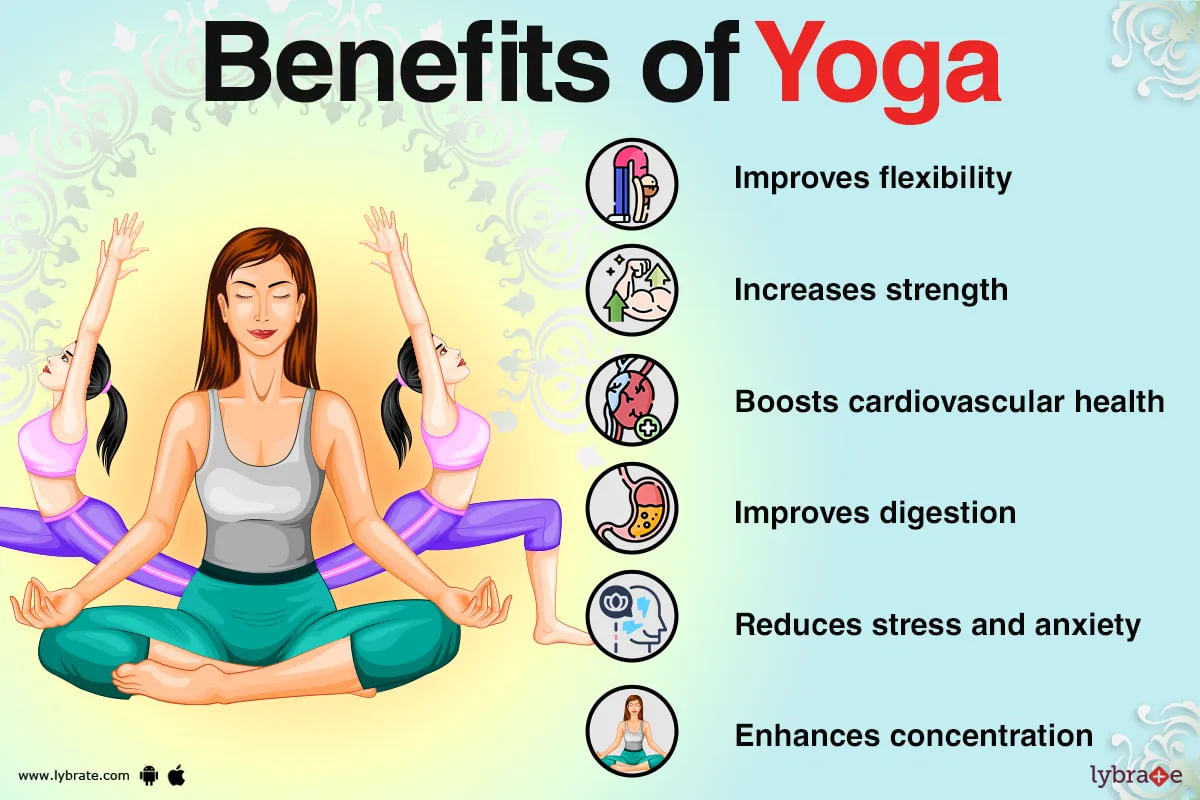
Credit: www.lybrate.com
Frequently Asked Questions
How Does Yoga Improve Flexibility?
Yoga enhances flexibility through consistent practice of various poses and stretches. These movements target different muscle groups, increasing range of motion. Over time, yoga helps lengthen and strengthen muscles, tendons, and ligaments. This leads to improved flexibility and reduces risk of injury during physical activities.
Can Beginners Gain Flexibility With Yoga?
Yes, beginners can gain flexibility through yoga. Starting with basic poses helps ease the body into stretching. Consistent practice improves flexibility gradually. Yoga adapts to individual ability, making it accessible for all levels. Beginners should focus on proper form and breathing to enhance their flexibility safely.
What Type Of Yoga Is Best For Flexibility?
Hatha and Vinyasa yoga are excellent for improving flexibility. Hatha yoga focuses on holding poses, enhancing muscle stretch. Vinyasa yoga involves fluid movements, promoting flexibility through dynamic sequences. Both styles offer varied poses that target different muscle groups, helping practitioners increase their range of motion effectively.
How Long Does Yoga Take To Improve Flexibility?
Yoga improves flexibility over time, typically within weeks. Consistent practice, ideally three times a week, speeds progress. Results vary based on individual commitment and body type. Patience and regular practice are key to achieving significant flexibility improvements. Gradual and steady progress ensures long-term benefits and reduces injury risk.
Conclusion
Yoga offers a practical way to improve flexibility. It involves gentle stretching and mindful movement. Regular practice helps muscles become more elastic. Over time, joints gain better mobility. This boosts overall body balance and posture. It’s suitable for all ages and skill levels.
No special equipment is needed. Just a mat and comfortable clothes. Many people find yoga relaxing and enjoyable. It enhances mental focus too. Flexibility gained through yoga can improve everyday activities. Consider adding yoga to your routine. Experience the benefits firsthand.
Your body will thank you for it.