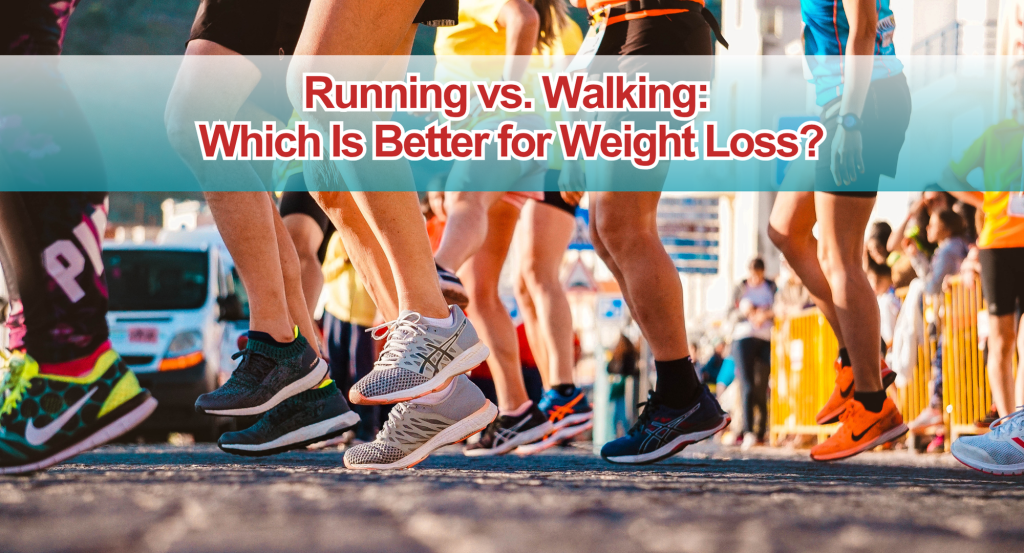
Are you trying to shed a few pounds and wondering if walking might be better than running for weight loss? You’re not alone.
Many people just like you are questioning which exercise is more effective. The answer isn’t as simple as you might think. You’ve probably heard mixed opinions, and it’s no wonder you’re confused. Imagine being able to confidently choose the right exercise that fits your lifestyle and helps you lose weight effectively.
What if you could enjoy your workouts without the added stress of wondering if you’re doing it right? We’ll explore the benefits of both walking and running. You’ll discover which might be better suited to your personal goals and preferences. Let’s dive in and find out how you can make the best choice for your weight loss journey.

Credit: maxprotein.in
Benefits Of Walking
Walking can be a more sustainable option for weight loss compared to running. It is gentler on the joints and easier to stick to over time. Regular walking helps burn calories, improve mood, and boost overall fitness.
Walking is often underrated when it comes to weight loss, but it holds a myriad of benefits that can make it a compelling choice for anyone looking to shed some pounds. This simple activity not only contributes to burning calories but also enhances overall well-being. Whether you’re a fitness novice or a seasoned athlete, walking can be a key player in your weight loss journey. Let’s explore how walking can be advantageous.
Low-impact Exercise
Walking is a low-impact exercise that gently works the muscles and joints. It’s easier on your body compared to running, which means less risk of injury. If you’ve ever had knee pain, you know how important it is to protect your joints. Walking allows you to stay active without the pounding impact that running can cause. Consider walking as a sustainable option for long-term fitness and weight management.
Improves Mental Health
Walking can be a powerful mood booster. It offers a chance to clear your mind and reduce stress. Feeling overwhelmed? A brisk walk can help you refocus and find clarity. Spending time outdoors while walking can lift your spirits and make you feel more connected to nature.
Accessible For All Fitness Levels
Walking is accessible to everyone, regardless of fitness level. You don’t need fancy equipment or a gym membership; just a pair of comfortable shoes. Isn’t it refreshing to know that you can start your weight loss journey with something as simple as walking? Whether you are just starting or looking to enhance your routine, walking fits seamlessly into any lifestyle. What’s stopping you from adding a daily walk to your routine?

Credit: www.youtube.com
Benefits Of Running
Running burns more calories than walking in the same time. It boosts metabolism and improves heart health. For weight loss, running can be more effective due to its higher intensity.
Running offers numerous benefits for those aiming to lose weight. It’s a dynamic exercise that not only aids in shedding pounds but also enhances overall health. Below are some key advantages of incorporating running into your fitness routine.
High-calorie Burn
Running is excellent for burning calories quickly. It requires more energy than walking, engaging multiple muscle groups. This results in a higher calorie expenditure during and after the activity. Even short runs can significantly contribute to your daily calorie deficit, making it an efficient choice for weight loss.
Enhances Cardiovascular Health
Running strengthens your heart and boosts circulation. It reduces the risk of heart disease by improving blood flow and lowering blood pressure. Regular running sessions increase lung capacity and endurance. This means your heart pumps blood more efficiently, supporting overall cardiovascular well-being.
Boosts Metabolism
Running accelerates your metabolism, helping your body burn calories more effectively. It triggers the afterburn effect, where your body continues to burn calories post-exercise. This sustained calorie burn aids in weight loss and supports energy levels throughout the day. A faster metabolism also helps maintain muscle mass, essential for a toned physique.
Calorie Burn Comparison
Walking and running both help with weight loss. Walking is easier on joints and can be sustained longer. Running burns more calories in less time, but may be harder on the body.
Calorie Burn Comparison When it comes to weight loss, understanding the calorie burn difference between walking and running is crucial. While both activities are excellent for cardiovascular health, they impact your calorie expenditure differently. Let’s dive into how walking and running stack up against each other.
Factors Affecting Calorie Burn
Your calorie burn isn’t just about the activity itself—it’s influenced by several factors. – Weight and Body Composition: A heavier person burns more calories because it takes more energy to move a larger body. – Intensity and Speed: Picking up the pace in either walking or running increases your calorie burn. A brisk walk can sometimes burn nearly as many calories as a slow run. – Duration: Longer workouts naturally burn more calories. Ten minutes of running burns fewer calories than 30 minutes of walking. Consider these factors when choosing between walking and running. They can tilt the balance significantly.
Walking Vs. Running: Calorie Insights
How many calories can you expect to burn with each activity? Here’s a closer look. – Walking: A 155-pound person burns about 149 calories in 30 minutes of brisk walking (4 mph). Doubling the pace won’t double the burn but will make a noticeable difference. – Running: The same person burns approximately 298 calories running at 5 mph for the same duration. Speeding up increases this number significantly. Is it surprising that doubling the speed more than doubles the calorie burn? This insight might make you reconsider your workout strategy. Ultimately, the choice between walking and running depends on your goals, fitness level, and personal preferences. Have you noticed different results from walking versus running? Share your thoughts and experiences!

Credit: www.youtube.com
Impact On Joints And Muscles
Walking offers a gentler approach to weight loss, minimizing stress on joints and muscles compared to running. It reduces the risk of injury, making it suitable for all fitness levels.
Walking and running both offer excellent cardiovascular benefits. Yet, their impact on joints and muscles differs. Understanding these differences helps in making informed exercise choices. Here’s a closer look at how each activity affects your body.
Joint Strain In Running
Running places more stress on the joints compared to walking. Each step while running results in a force three times your body weight. This impact primarily affects the knees and ankles. Over time, it may lead to joint pain or injuries. Walking, on the other hand, is gentler on the joints. It provides a low-impact alternative, reducing the risk of joint strain. This makes walking suitable for those with existing joint concerns.
Muscle Engagement Differences
Running engages more muscle groups than walking. It demands more from your calves, quads, and hamstrings. The higher intensity of running also works the core muscles effectively. Walking uses fewer muscles but still strengthens the legs and core. It offers a moderate workout with lower muscle stress. Both activities contribute to muscle endurance, but at different levels.
Long-term Weight Loss Strategies
Walking burns calories and is gentle on joints, making it great for long-term weight loss. Running burns more calories in less time but can be harder on the body. Mixing both can enhance your weight loss journey effectively.
Long-term weight loss requires consistent effort and lifestyle changes. Finding balance between exercise and diet is key. Walking and running both have benefits for weight loss. Choosing the right exercise routine can help maintain weight loss over time.
Sustainable Exercise Habits
Creating habits that last is crucial for weight loss. Walk regularly. It’s easy and requires no equipment. Start with short walks and gradually increase distance. Running burns more calories but can be harder on joints. Mix walking and running based on your fitness level. Consistent exercise keeps weight off.
Combining Walking And Running
Mixing walking and running can be effective for weight loss. Start with walking to warm up. Add short running intervals to increase intensity. This combination helps burn calories and improves cardiovascular health. Listen to your body. Alternate between walking and running based on energy levels. It’s a flexible approach that keeps exercise interesting.
Psychological Benefits
Walking offers psychological benefits by reducing stress and improving mood, making it an ideal choice for weight loss. Running can be intense, while walking provides a calming effect, motivating consistent exercise habits.
Walking and running offer many psychological benefits, especially for weight loss. Both activities can boost mental health and enhance overall well-being. Walking provides a gentle, less intense way to clear the mind, while running can offer a more vigorous release of energy. Understanding the mental perks can help you choose the right activity to keep your spirits high and your body healthy.
Stress Reduction
Walking has a calming effect on the mind. It reduces stress without pushing the body too hard. The rhythmic pace of walking helps clear the mind. It allows you to focus on the present moment. This reduces stress and anxiety levels. Being outdoors and connecting with nature adds to this calming effect. Running also reduces stress but in a different way. It provides an intense release of built-up tension. The physical exertion can work wonders for mental health. It releases endorphins, which improve mood and relieve stress.
Motivation And Consistency
Staying motivated is key to weight loss. Walking is easier to stick with long-term. It’s less intimidating than running. The low-impact nature of walking encourages regular activity. It becomes a part of your daily routine. Walking groups or partners enhance motivation. They provide social support and encouragement. Running requires more energy and commitment. It can be motivating for those who enjoy challenges. Setting goals like completing a certain distance can inspire consistency. Both activities offer unique ways to stay motivated. Consistency in either can lead to steady weight loss progress.
Choosing The Right Exercise For You
Choosing the Right Exercise for You Walking and running are popular choices for weight loss. Walking burns fewer calories but is gentler on joints, making it suitable for beginners. Running burns more calories in less time, ideal for those who can handle higher intensity.
Consider your fitness level and goals when deciding.
Choosing the right exercise for weight loss is not a one-size-fits-all decision. It’s about aligning your personal preferences, fitness goals, and lifestyle. Whether you lean towards walking or running, both offer unique benefits that can support your journey.
Personal Fitness Goals
Your fitness goals play a critical role in determining whether walking or running is better for you. If your aim is to gradually lose weight and improve overall health, walking might be the ideal choice. It’s easier on the joints and can be seamlessly integrated into daily routines. Running, on the other hand, burns more calories in a shorter time, making it suitable for those targeting quicker weight loss. However, it demands more endurance and energy. Consider what you want to achieve and how each option fits into your plan.
Health Considerations
Your current health status should guide your exercise choice. Walking is generally safer for people with joint issues or those recovering from injuries. It’s a low-impact exercise that still provides cardiovascular benefits. Running can be a powerful tool for weight loss but may not be suitable if you have heart conditions or chronic pain. Consulting a healthcare professional can provide tailored advice to ensure safety and effectiveness.
Enjoyment And Adherence
The best exercise is the one you enjoy and can stick with long term. If you dread running, you’re less likely to continue with it. Walking might be more appealing, allowing you to explore neighborhoods or enjoy nature. Think about what you find enjoyable. Do you prefer the solitude of a run or the leisurely pace of a walk with a friend? Your enjoyment will directly impact your adherence to the exercise routine. Choosing between walking and running doesn’t have to be daunting. Consider what’s sustainable and enjoyable for you, while keeping your health and goals in mind. This approach will help you make an informed choice, leading to a healthier lifestyle.
Frequently Asked Questions
Is Walking Effective For Weight Loss?
Walking can be effective for weight loss, especially for beginners. It’s a low-impact activity that can help burn calories. Walking regularly improves cardiovascular health and boosts metabolism. Consistency and duration are key for weight loss results.
Does Running Burn More Calories Than Walking?
Running generally burns more calories than walking, due to higher intensity. It engages more muscles and increases heart rate, boosting calorie burn. However, walking is less strenuous and can be sustained for longer periods, making it suitable for consistent weight loss.
Which Is Safer For Beginners, Walking Or Running?
Walking is safer for beginners as it poses less risk of injury. It provides a gentle introduction to physical activity, enhancing fitness gradually. Running demands more from joints and muscles, potentially leading to strain or injury without proper preparation.
Can Walking Improve Mental Health Like Running?
Walking can enhance mental health by reducing stress and anxiety. It promotes relaxation and improves mood through moderate physical activity. Running may offer similar benefits, with additional endorphin boosts due to higher intensity, but walking remains an accessible option for mental well-being.
Conclusion
Choosing between walking and running depends on personal goals. Walking is gentle on joints. It suits beginners and those with injuries. Running burns more calories quickly. It helps with faster weight loss. Both improve health and fitness. Consistency matters most in weight loss.
Mix both for variety and balance. Listen to your body’s needs. Enjoy the journey, not just the destination. Embrace movement, whether fast or slow. Find what fits your lifestyle. Make it a habit. Healthy weight loss takes time. Keep moving forward.
Every step counts.