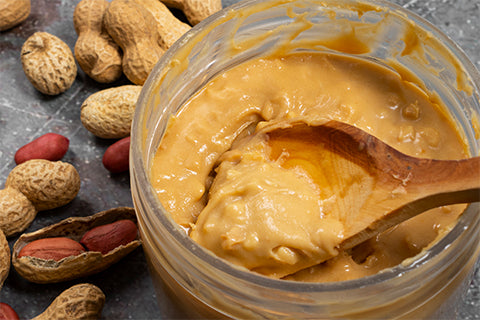
Are you looking to build muscle and wondering if peanut butter can be your new best friend in the kitchen? You’re not alone.
Many fitness enthusiasts are constantly on the hunt for tasty yet nutritious options to fuel their workouts and muscle growth. Peanut butter, with its creamy texture and delicious taste, often comes up in these discussions. But is it really as effective as some claim?
We’ll dive into the nutritional benefits of peanut butter and explore whether it deserves a spot in your muscle-building diet. Stick around to uncover how this popular spread can contribute to your fitness goals.

Credit: www.facebook.com
Nutritional Profile Of Peanut Butter
Packed with protein and healthy fats, peanut butter supports muscle growth. It’s a convenient source of energy for workouts.
The nutritional profile of peanut butter makes it a popular choice for muscle building. Packed with essential nutrients, it offers both macronutrients and micronutrients. These nutrients support muscle recovery and growth.Macronutrients Breakdown
Peanut butter is rich in protein. Protein is crucial for muscle repair. A typical serving contains around 7 grams of protein. It also provides healthy fats. These fats are vital for energy during workouts. Peanut butter contains monounsaturated fats, which are heart-friendly. It has carbohydrates too, supplying energy for exercise. Together, these macronutrients support muscle building.Vitamins And Minerals
Peanut butter is loaded with vitamins and minerals. It contains Vitamin E, which protects cells from damage. Magnesium is another key nutrient. It aids muscle contraction and relaxation. Peanut butter also has potassium. Potassium helps maintain fluid balance. This is important for preventing cramps. Zinc is present as well. Zinc supports immune function, vital for recovery. These micronutrients are essential for overall health and muscle growth.Protein Content And Muscle Growth
Building muscle is not just about lifting weights; it’s also heavily reliant on your diet. Protein plays a critical role in muscle development, acting as the building blocks for muscle fibers. Peanut butter is often touted as a convenient and delicious source of protein. But how effective is it in aiding muscle growth?
Role Of Protein In Muscle Building
Protein is essential for repairing and growing muscle tissues. When you exercise, your muscles endure tiny tears. Consuming protein helps rebuild these fibers, making them stronger and larger. Without adequate protein intake, your efforts in the gym might not yield the desired results.
Think of protein as the fuel your muscles need to grow. Are you fueling your body with enough protein to see progress?
Peanut Butter As A Protein Source
Peanut butter is a popular choice for many looking to increase their protein intake. It’s readily available and versatile. A typical serving of peanut butter contains about 8 grams of protein, making it a decent source for muscle-building nutrients.
However, while peanut butter is rich in protein, it’s also high in fats. Balancing your intake is crucial. Opt for natural or reduced-fat versions to maximize benefits without excessive fat consumption.
- Consider pairing peanut butter with other protein-rich foods like Greek yogurt or eggs.
- Use it in smoothies, oatmeal, or even on whole-grain bread for a nutritious snack.
How do you incorporate peanut butter into your diet for muscle growth?
Healthy Fats And Energy Boost
Peanut butter is more than just a tasty spread; it’s a powerhouse of nutrients that can be instrumental in muscle building. If you’re hitting the gym regularly, incorporating peanut butter into your diet might be the secret weapon you need. Packed with healthy fats and providing a significant energy boost, peanut butter can support your fitness goals in a delicious way. Let’s delve into how these elements contribute to a stronger, more energized you.
Importance Of Healthy Fats
Healthy fats are essential for your body, especially if you’re aiming to build muscle. They support hormone production, including testosterone, which plays a crucial role in muscle growth. Peanut butter is rich in monounsaturated and polyunsaturated fats that contribute to heart health and promote a sustained energy release.
Consider how these fats can enhance your workout recovery. They help reduce inflammation and aid in the absorption of fat-soluble vitamins, vital for muscle repair and growth. Next time you enjoy a spoonful of peanut butter, you’re not just indulging; you’re nourishing your body.
Energy For Workouts
Ever felt sluggish halfway through your workout? Peanut butter might be your answer. It’s a calorie-dense food, providing a quick energy boost that can fuel your exercise routine effectively. With natural sugars and proteins, it gives you the stamina to power through intense sessions.
Think about adding peanut butter to your pre-workout snack. It releases energy gradually, helping you maintain peak performance without the dreaded crash. A simple peanut butter smoothie or a spread on whole-grain toast can keep your energy levels consistent. Are you ready to try it out and see the difference in your workout efficiency?

Credit: m.facebook.com
Calories And Weight Management
When you’re aiming to build muscle, managing your calorie intake is crucial. Peanut butter is a popular choice among fitness enthusiasts because of its rich nutrient profile. However, understanding its caloric density and learning how to manage those calories can be key to successfully incorporating it into your muscle-building diet. Let’s dive into how peanut butter can fit into your weight management strategy.
Caloric Density Of Peanut Butter
Peanut butter packs a punch with calories. Just two tablespoons can contain around 190 calories. This caloric density makes it a potent addition to your diet if you need extra energy for muscle growth. But how can you balance this without going overboard?
Think about your daily caloric needs. If you’re working out intensely, your body demands more fuel. Peanut butter can be a convenient way to meet these demands. However, it’s easy to underestimate its calorie contribution, leading to weight gain rather than muscle gain.
Managing Caloric Intake
How can you enjoy peanut butter without tipping the scales? Portion control is your ally. Start by measuring your servings. Even a little extra can stack up quickly over the week.
Consider integrating peanut butter into your meals strategically. Pair it with protein-rich foods like oatmeal or smoothies. This combination not only fills you up but also supports muscle recovery.
Are you monitoring your calorie intake closely? An effective strategy is to keep a food diary. This helps you track your peanut butter consumption and ensures it fits into your overall diet plan. Remember, balance is key in weight management.
Peanut butter can be your friend in muscle building if you manage its caloric impact wisely. Are you ready to make the most of this tasty spread?
Versatility In Meal Planning
Peanut butter is a fantastic addition to muscle-building diets. It offers protein and healthy fats, making it a staple in versatile meal planning. Its creamy texture and rich taste enhance various dishes, ensuring you never tire of your meals.
Incorporating Into Breakfast
Start your day with a protein-packed breakfast. Spread peanut butter on whole-grain toast or mix it into oatmeal. It blends well with Greek yogurt, adding flavor and nutrients. These options provide energy for morning workouts.
Snacks And Smoothies
Snack on apple slices with peanut butter for a quick protein boost. It’s great for mid-day hunger and muscle recovery. Blend peanut butter into smoothies for a creamy texture. Combine it with bananas and spinach for a nutritious drink. These snacks are perfect for busy days.
Potential Drawbacks
Peanut butter is calorie-dense, possibly leading to weight gain if consumed excessively. It lacks complete protein, which is vital for muscle growth. High fat content may not suit everyone’s dietary needs, potentially affecting overall health.
Peanut butter is a popular choice among fitness enthusiasts for building muscle, thanks to its high protein and healthy fat content. However, like any food, it comes with certain potential drawbacks that you might want to consider. Being aware of these can help you make informed choices about incorporating peanut butter into your diet.Allergies And Sensitivities
Peanut allergies are among the most common food allergies. They can cause severe reactions, ranging from mild skin irritations to life-threatening anaphylaxis. If you or someone in your household has a peanut allergy, it’s crucial to avoid peanut butter altogether. Even if you don’t have a full-blown allergy, some people experience sensitivities to peanuts. This can include digestive issues or mild discomfort after eating. Pay attention to how your body reacts and consult a healthcare professional if you notice any adverse symptoms.High Caloric Intake Risks
Peanut butter is calorie-dense, which means it packs a lot of calories into a small serving size. Just two tablespoons can contain nearly 200 calories. If you’re not careful, it can be easy to overconsume and exceed your daily caloric needs. Are you tracking your calorie intake? If so, remember to account for every spoonful of peanut butter. Balancing your consumption with other nutritional needs is key to achieving your fitness goals without unwanted weight gain. It’s worth considering portion control as well. Using a measuring spoon might seem tedious but can be a game-changer in managing calorie intake. Small adjustments can have a big impact on your overall dietary balance.Comparing Peanut Butter To Other Nut Butters
Peanut butter is rich in protein, making it a popular choice for muscle growth. While other nut butters offer similar benefits, peanut butter is often more affordable and widely available. Its creamy texture also makes it easy to incorporate into meals and snacks for those looking to build muscle.
Comparing Peanut Butter to Other Nut Butters Peanut butter often takes center stage in the fitness world for its muscle-building benefits. But how does it stack up against other nut butters? Understanding the differences can help you make informed choices that align with your health goals. Let’s dive into the specifics.Nutritional Comparisons
When evaluating nut butters, the nutritional profile is key. Peanut butter is a protein-rich option, with about 8 grams of protein per 2 tablespoons. Almond butter, another popular choice, provides slightly less protein but offers more vitamin E. Cashew butter, though creamy and delicious, tends to have less protein and more carbs. Macadamia butter is lower in protein but is rich in healthy fats. Using a simple table can make these comparisons clearer:| Nut Butter | Protein (per 2 tbsp) | Calories | Main Nutrients |
|---|---|---|---|
| Peanut Butter | 8g | 190 | Protein, Magnesium |
| Almond Butter | 7g | 196 | Vitamin E, Calcium |
| Cashew Butter | 5g | 180 | Iron, Zinc |
| Macadamia Butter | 2g | 204 | Healthy Fats, Fiber |
Taste And Texture Preferences
Taste is subjective, and texture plays a big role in your enjoyment of nut butters. Peanut butter is typically creamy and slightly sweet, making it a favorite for sandwiches and smoothies. Almond butter has a nuttier taste and a grainier texture, which some people love on toast or in oatmeal. Cashew butter’s smooth, buttery flavor pairs well with fruits, while macadamia butter offers a rich and luxurious experience. Have you ever tried mixing different nut butters for a unique flavor profile? This can be a fun way to explore new tastes while still getting the nutrients you need. Choosing the right nut butter is a personal decision. Understanding their differences helps you pick the best option for your muscle-building journey.
Credit: www.instagram.com
Frequently Asked Questions
Is Peanut Butter High In Protein?
Yes, peanut butter is high in protein, which is essential for muscle building. It contains about 7 grams of protein per two tablespoons. Including it in your diet can help meet your daily protein needs, supporting muscle growth and repair.
Does Peanut Butter Help In Muscle Recovery?
Peanut butter aids muscle recovery due to its healthy fats and protein content. These nutrients help repair and rebuild muscles after intense workouts. Consuming it post-exercise can provide the necessary energy and nutrients for efficient recovery.
Can Peanut Butter Be Part Of A Balanced Diet?
Peanut butter can be part of a balanced diet when consumed in moderation. It provides healthy fats, protein, and essential vitamins. However, it’s calorie-dense, so portion control is crucial to avoid excess calorie intake.
Is Peanut Butter Good For Weight Gain?
Peanut butter is effective for weight gain due to its high-calorie content. Including it in meals or snacks can increase calorie intake. This is beneficial for those looking to gain muscle mass or weight in a healthy manner.
Conclusion
Peanut butter can be a great addition to a muscle-building diet. It’s packed with protein, healthy fats, and essential nutrients. These elements support muscle growth effectively. Easy to add to meals, it keeps you full and satisfied. But balance is key.
Too much can add excess calories. Pair it with a balanced diet and regular exercise. This ensures optimal results. Peanut butter offers convenience and nutrition for fitness goals. Enjoy it wisely and see benefits over time. Always consult with a nutritionist for personalized advice.
Keep pushing towards your muscle-building goals!