
Are you looking for a simple yet powerful way to fuel your muscle-building journey? Meet oatmeal, your new best friend in the realm of fitness nutrition.
This humble grain might just be the secret weapon you’ve been searching for. Packed with nutrients, oatmeal is often hailed as a breakfast champion. But how does it stack up when it comes to building muscle? Imagine starting your day with a meal that not only satisfies your hunger but also supports your workout goals.
Intrigued? Keep reading to discover how oatmeal could be the missing piece in your muscle-building puzzle. We’ll explore its benefits, nutritional profile, and how you can incorporate it into your diet for maximum gains. Don’t miss out on unlocking the potential of this powerhouse food—your muscles will thank you!
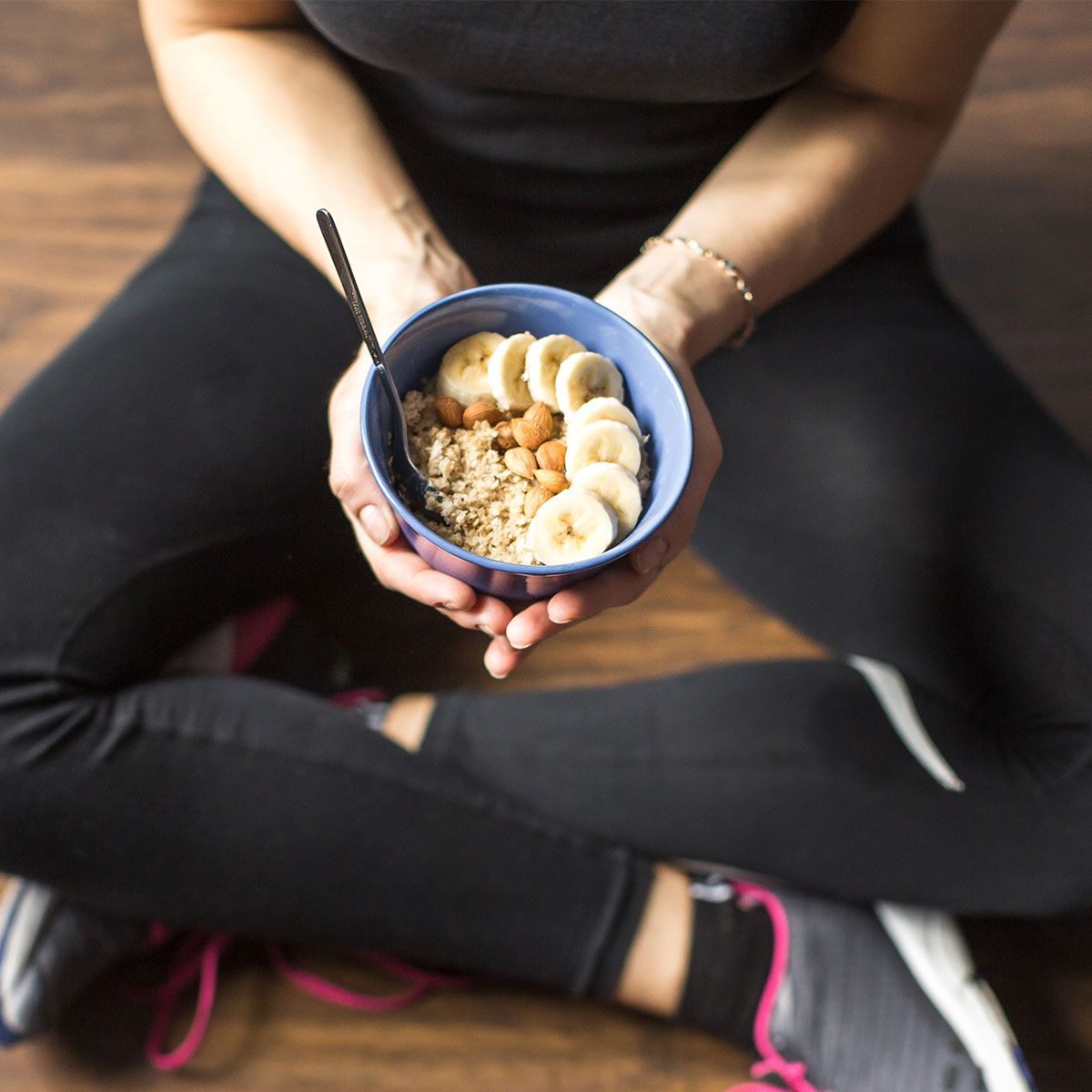
Credit: www.shefinds.com
Nutritional Profile Of Oatmeal
Oatmeal is not just a breakfast staple. It’s a powerhouse of nutrition. Packed with essential nutrients, it supports muscle growth and recovery. Let’s explore what makes oatmeal a great choice for building muscle.
Macronutrient Breakdown
Oatmeal provides a balanced mix of macronutrients. It is rich in complex carbohydrates, which fuel workouts and promote endurance. These slow-digesting carbs help maintain energy levels. Oatmeal also contains a good amount of protein. Though not as high as meat or dairy, it still supports muscle repair. The fiber content aids digestion, ensuring efficient nutrient absorption.
Micronutrients And Their Benefits
Oatmeal is a source of important micronutrients. It contains vitamins and minerals vital for muscle health. Magnesium helps muscle function and reduces cramps. Iron is crucial for oxygen transport to muscles, boosting performance. Zinc supports recovery and immune function. Antioxidants in oatmeal fight free radicals, reducing muscle damage.
Role Of Carbohydrates In Muscle Building
Carbohydrates play a pivotal role in muscle building, often underestimated by fitness enthusiasts focused solely on protein intake. As the body’s primary source of energy, carbs are essential for fueling workouts and aiding in recovery. By understanding the importance of carbohydrates, you can optimize your diet to build muscle more effectively.
Energy For Workouts
Think about your last intense workout. Did you have the stamina to push through those last few reps? Carbohydrates are crucial here, providing the energy needed to power through demanding exercise routines. Without them, you might find yourself hitting a wall midway through your workout, unable to maintain intensity.
Consider adding a bowl of oatmeal to your pre-workout meal. Rich in complex carbs, oatmeal releases energy slowly, ensuring you have a steady fuel supply. This can make a significant difference in your performance, helping you lift heavier and train longer.
Glycogen Replenishment
Post-workout, your muscles are like sponges, ready to absorb nutrients to recover and grow. During exercise, your body depletes glycogen stores, which are the stored form of carbohydrates in muscles. Replenishing these stores is crucial for recovery and muscle repair.
Consuming carbohydrates after a workout aids in this replenishment process. Oatmeal can be an excellent choice here as well, providing the necessary carbs to restore glycogen levels. This not only aids recovery but also prepares your body for the next training session.
Have you ever noticed how some days you recover faster than others? It could be linked to how well you replenish your glycogen. By ensuring an adequate intake of carbs, you can enhance muscle repair and readiness for future workouts.
Protein Content In Oatmeal
Oatmeal offers a good amount of protein, making it beneficial for muscle building. It provides essential nutrients that support growth. Adding nuts or milk can enhance its protein content further.
Protein Content in Oatmeal Oatmeal is a popular breakfast choice for many fitness enthusiasts. It provides a good balance of nutrients, including protein. While not a high-protein food, oatmeal offers a decent amount of protein for muscle building. Understanding its protein content can help you make better dietary choices. Protein Quality and Quantity Oatmeal contains about 6 grams of protein per cup. This amount is moderate compared to other protein-rich foods. The protein in oatmeal is plant-based, which is beneficial for vegetarians and vegans. Oatmeal proteins contain essential amino acids but may lack some that are vital for muscle growth. Pairing oatmeal with complementary proteins can enhance its nutritional value. Combining Oatmeal with Other Protein Sources To boost the protein intake, pair oatmeal with other foods. Adding nuts like almonds or walnuts can increase protein and healthy fats. Mixing in seeds such as chia or flaxseed also enhances protein content. For a quick protein boost, stir in a scoop of protein powder. Consider topping oatmeal with Greek yogurt or cottage cheese for extra protein. These combinations make a nutritious, muscle-building meal.
Credit: www.shefinds.com
Oatmeal As A Pre-workout Meal
Oatmeal is a fantastic choice for a pre-workout meal. Packed with complex carbohydrates, it provides lasting energy for your workout. Its high fiber content aids digestion and helps maintain blood sugar levels. This makes it a reliable source of fuel for your muscles.
Timing And Portion Sizes
Eating oatmeal 1 to 2 hours before exercise is ideal. This timing allows your body to digest and absorb nutrients efficiently. A portion size of one cup is generally sufficient. Adjust based on your energy needs and workout intensity.
Optimal Combinations For Energy
Pair oatmeal with protein for sustained energy. Consider adding nuts or Greek yogurt. Fruits like berries or bananas enhance flavor and nutrition. These combinations ensure balanced energy release during workouts.
Oatmeal For Post-workout Recovery
Oatmeal is rich in protein and fiber, making it ideal for muscle recovery. It provides essential nutrients that aid in repairing muscles post-workout. Its complex carbohydrates help replenish energy levels efficiently.
Oatmeal is a powerhouse food when it comes to post-workout recovery. It’s not just a breakfast staple; it can be your secret weapon in rebuilding and strengthening muscles. Let’s dive into how oatmeal can enhance your recovery after an intense workout.Rehydration And Refueling
After sweating it out, your body craves hydration and nutrients. Oatmeal helps replenish energy stores with its complex carbohydrates, providing a steady release of energy. Pair it with fruits like bananas or berries for a boost of vitamins and minerals. Imagine finishing a workout and indulging in a warm bowl of oatmeal topped with almonds and honey. It’s not just comforting; it’s a smart choice to refuel and hydrate effectively.Muscle Repair And Growth
Oatmeal isn’t just about carbs; it also contains protein, crucial for muscle repair. Add a scoop of protein powder or nuts to your oatmeal, enhancing its muscle-building properties. Consider how this simple addition can contribute to your muscle growth. After all, what’s more satisfying than knowing your post-workout meal is aiding your body’s recovery? How do you ensure your meals contribute to muscle growth? Making oatmeal a part of your post-workout routine could be a game-changer. It’s about making thoughtful choices that support your fitness goals.Incorporating Oatmeal In Meal Plans
Incorporating oatmeal into your meal plans can support muscle building. Oatmeal is a versatile and nutritious grain. It provides complex carbohydrates and essential nutrients. It’s a great choice for athletes and bodybuilders. Adding oatmeal to your diet can boost your energy levels. It also aids in muscle recovery and growth. Oatmeal can be customized to fit various dietary needs. Let’s explore some creative recipes and variations. We’ll also discuss balancing oatmeal with other nutrients.
Creative Recipes And Variations
Oatmeal doesn’t have to be boring. There are countless ways to prepare it. Try mixing oats with almond milk for a creamy texture. Add fruits like bananas and berries for natural sweetness. Include nuts or seeds for extra protein. Spice it up with cinnamon or nutmeg. You can even make savory oatmeal with eggs and spinach. Overnight oats are perfect for meal prep. Just soak oats in milk and refrigerate overnight. Add your favorite toppings in the morning. These ideas will keep your meals exciting and nutritious.
Balancing With Other Nutrients
Oatmeal is rich in carbohydrates. It’s important to balance it with proteins and fats. Combine oatmeal with protein-rich foods like Greek yogurt. Eggs are another great option for protein. Avocado can add healthy fats to your meal. Consider pairing oatmeal with lean meats or fish. This ensures a complete meal. Use portion control to avoid excess calories. A balanced diet supports muscle growth effectively. Keep hydrated and maintain a varied nutrient intake. This approach will optimize your muscle-building efforts.
Comparing Oatmeal With Other Grains
When you’re on a mission to build muscle, choosing the right grains can make a significant difference. Oatmeal has long been hailed as a champion among grains, but how does it really stack up against other contenders? Let’s dive into the nutritional differences and weigh the advantages and disadvantages of oatmeal compared to other grains.
Nutritional Differences
Different grains offer unique nutritional profiles that can impact your muscle-building goals. Oatmeal is rich in complex carbohydrates and fiber, which provide sustained energy and help keep you full longer. It’s also a good source of protein, providing about 6 grams per cup.
Compare this to quinoa, which packs a punch with all nine essential amino acids and higher protein content, boasting around 8 grams per cup. Brown rice, another popular choice, offers more calories and carbohydrates but slightly less protein.
Have you ever tried substituting oatmeal with buckwheat? You might be surprised by its higher levels of magnesium and antioxidants, which can aid muscle recovery.
Advantages And Disadvantages
Oatmeal’s advantages lie in its affordability and versatility. You can enjoy it hot, cold, or even blended into a smoothie. Plus, its high fiber content supports digestion, which is crucial when you’re consuming more protein.
However, oatmeal isn’t without its drawbacks. It lacks some essential amino acids found in grains like quinoa. You might need to pair it with other protein sources to maximize muscle growth.
Consider your lifestyle and taste preferences. Would you prefer the nutty flavor of quinoa or the fluffy texture of brown rice? Each grain has its place, but oatmeal remains a staple due to its simplicity and comfort.
In your journey to build muscle, how do you choose the grains that will fuel your progress? It’s worth experimenting with different options to find what best suits your needs and tastes.
Common Myths About Oatmeal And Muscle Building
Oatmeal is often seen as a simple breakfast choice. But some myths surround its role in muscle building. Many believe that oatmeal lacks protein or essential nutrients. Yet, this humble grain offers much more than meets the eye. Let’s explore common misconceptions and uncover the truth behind oatmeal’s benefits for muscle growth.
Dispelling Misconceptions
Some think oatmeal is just carbs. They assume it’s not ideal for muscle gain. This is a myth. Oatmeal provides essential nutrients. It contains fiber, vitamins, and minerals. These support overall health and muscle repair. Another myth suggests oatmeal lacks protein. While it doesn’t offer high protein like eggs, it complements other protein sources well.
Evidence-based Insights
Studies show oatmeal supports muscle recovery. It has complex carbs. These release energy slowly. This is vital for sustaining workouts. Oatmeal also contains antioxidants. These help reduce muscle inflammation. Including oatmeal in your diet can enhance workout performance. Pair it with proteins for balanced nutrition.
Credit: health.clevelandclinic.org
Frequently Asked Questions
Is Oatmeal A Good Source Of Protein?
Oatmeal contains moderate protein levels, around 5 grams per serving. While not high, it complements other protein-rich foods. Combining oatmeal with milk or nuts boosts protein content, making it a beneficial addition to a muscle-building diet.
How Does Oatmeal Benefit Muscle Growth?
Oatmeal is rich in complex carbohydrates, providing sustained energy for workouts. Its fiber content aids digestion, supporting nutrient absorption. Pairing oatmeal with proteins and healthy fats enhances muscle recovery and growth, making it a valuable dietary choice.
Can Oatmeal Be Part Of Post-workout Meals?
Yes, oatmeal is ideal for post-workout meals. It replenishes glycogen stores due to its carbohydrates. Adding protein sources like whey or yogurt enhances muscle repair. Its versatility allows easy incorporation into shakes or meals, supporting recovery effectively.
What Nutrients In Oatmeal Aid Muscle Building?
Oatmeal is packed with essential nutrients like magnesium and iron. Magnesium aids muscle function, while iron supports oxygen transport. These nutrients, along with carbohydrates and fiber, make oatmeal a beneficial choice for muscle building.
Conclusion
Oatmeal offers many benefits for muscle growth. It provides complex carbs for energy. Protein helps repair muscles after workouts. Fiber supports digestion and overall health. Vitamins and minerals aid recovery and boost performance. Oats fit well in a balanced diet.
They are versatile and easy to prepare. Add them to your breakfast or snacks. Pair oatmeal with fruits, nuts, or yogurt. Enjoy a nutritious start to your day. A healthy choice for athletes and fitness fans. Make oatmeal part of your muscle-building plan.
It supports strength and endurance. A simple way to enhance your fitness journey.