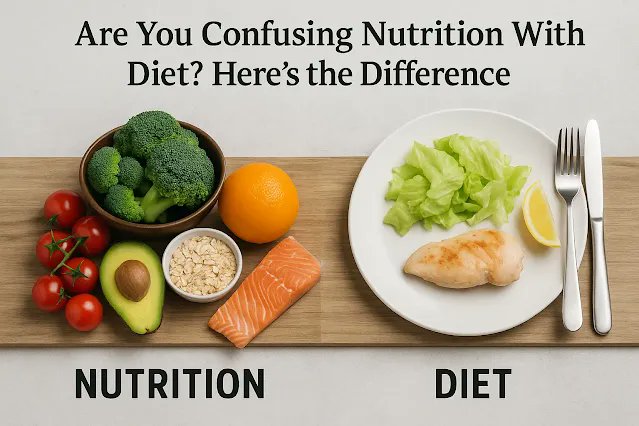
Have you ever wondered if nutrition and diet mean the same thing? You’re not alone.
Many people use these terms interchangeably, but they aren’t exactly the same. Understanding the difference could be the key to achieving your health goals. Imagine feeling more energetic, improving your mood, and even enhancing your overall well-being with just a few changes in your daily habits.
Intrigued? Stick around as we unravel the truth behind nutrition and diet. You might just discover the secret to a healthier, happier you.
Credit: www.facebook.com
Nutrition Vs. Diet
Understanding the difference between nutrition and diet can be confusing. Many people use these terms interchangeably, but they have distinct meanings. Nutrition refers to the process of providing or obtaining the food necessary for health and growth. It encompasses the nutrients in food and how the body uses them. Diet, on the other hand, is the sum of food consumed by a person or organism. It includes the eating habits and choices that impact one’s health.
What Is Nutrition?
Nutrition is the science of how food affects the body. It involves studying nutrients, their functions, and how they interact with the body. Nutrients include proteins, carbohydrates, fats, vitamins, and minerals. Each nutrient plays a specific role in maintaining health and preventing diseases. Good nutrition supports growth, energy, and overall well-being.
What Is Diet?
Diet refers to the types and amounts of food a person eats. It includes daily meals, snacks, and beverages. A diet can be balanced, restrictive, or unhealthy, depending on food choices. Common diets include vegetarian, vegan, and Mediterranean. Diet affects weight, energy levels, and risk of chronic diseases. Choosing a healthy diet supports long-term wellness.
Nutrition Vs. Diet: Key Differences
While nutrition focuses on the nutrients and their benefits, diet is about eating patterns. Nutrition is a broader concept that includes how nutrients impact health. Diet is more about individual food choices and habits. Both are crucial for maintaining a healthy lifestyle. Understanding the difference helps make informed decisions about food and health.
The Importance Of Understanding Both
Knowing both nutrition and diet helps improve health outcomes. A balanced diet provides essential nutrients for body functions. Proper nutrition ensures optimal growth and disease prevention. Together, they form the foundation of a healthy lifestyle. Education on both topics is key to making healthy choices.
Core Concepts Of Nutrition
Nutrition and diet are closely related, yet they are not the same. Nutrition involves the nutrients necessary for health, while diet refers to the food consumed. Understanding both helps in maintaining a balanced lifestyle.
Understanding the core concepts of nutrition is essential for making informed choices about your diet and overall health. While nutrition and diet often seem interchangeable, they serve different purposes. Nutrition encompasses the fundamental principles of how nutrients support life, whereas diet refers to the specific foods and drinks you consume. By grasping these core concepts, you can better align your eating habits with your body’s needs.Essential Nutrients
The body requires a variety of essential nutrients to function optimally. These nutrients include carbohydrates, proteins, fats, vitamins, minerals, and water. Each plays a unique role, from providing energy to supporting cellular growth and repair. Consider proteins, which are crucial for building and repairing tissues. Without adequate protein, your body might struggle to recover from physical exertion or injury. Similarly, vitamins and minerals, though needed in smaller amounts, are vital for maintaining immune health and supporting metabolic processes. You might wonder if you’re getting enough of these nutrients. A balanced diet featuring a variety of foods is typically the best way to ensure you’re meeting your body’s needs. Are you including a mix of fruits, vegetables, whole grains, and lean proteins in your meals?Role In Body Function
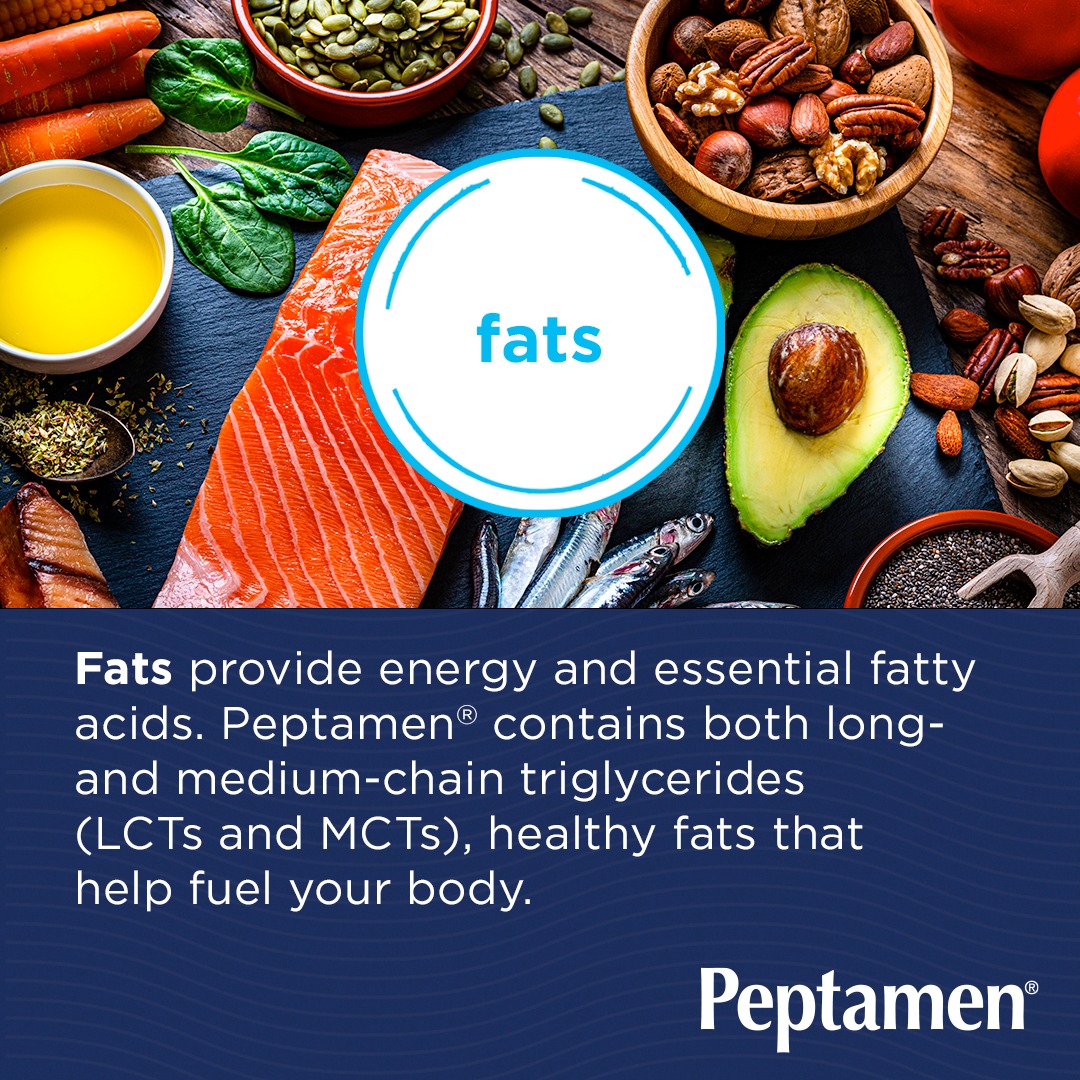
Nutrients do more than just prevent hunger; they enable your body to perform complex functions. Carbohydrates, for instance, are your body’s main energy source. Imagine trying to power through a busy day without them—it’d be like trying to drive a car on an empty tank. Fats, often misunderstood, are essential for brain health and hormone production. They help your body absorb fat-soluble vitamins like A, D, E, and K. Next time you reach for a healthy fat source, such as avocados or nuts, remember the vital role they play. And let’s not forget water, the unsung hero of nutrition. It regulates body temperature, transports nutrients, and eliminates waste. Are you drinking enough each day to keep your body hydrated and functioning smoothly? Understanding the roles these nutrients play can transform how you view your daily food choices. By making small, informed changes, you can enhance your diet to better support your health and well-being.Understanding Diet
Understanding the difference between nutrition and diet is essential. Nutrition refers to the nutrients your body needs. Diet is the food you eat to get those nutrients. Both are crucial for maintaining health and well-being.
Understanding Diet When you hear the word ‘diet,’ what comes to mind? Many think of restrictive meal plans, but diet is much more than that. It’s the sum of all foods and drinks you consume daily. Understanding your diet can unlock insights into your health and well-being.Dietary Patterns
Dietary patterns refer to the combination of foods and beverages you consistently consume. Think of it as a puzzle where each piece influences the overall picture of your health. Some people follow plant-based diets, others prefer high-protein regimens. Each pattern has unique benefits and challenges. It’s not just about what you eat, but how these choices fit together. Are you balancing your plate with enough vegetables, proteins, and healthy fats?Influence On Health
Your dietary choices have a direct impact on your health. Ever noticed how you feel sluggish after a heavy meal? That’s your body reacting to your food choices. A balanced diet can boost your energy, improve mood, and reduce the risk of chronic diseases. Conversely, poor dietary patterns might lead to health issues. Consider tracking your meals for a week. Are there patterns that surprise you? Small changes can lead to significant improvements in your health.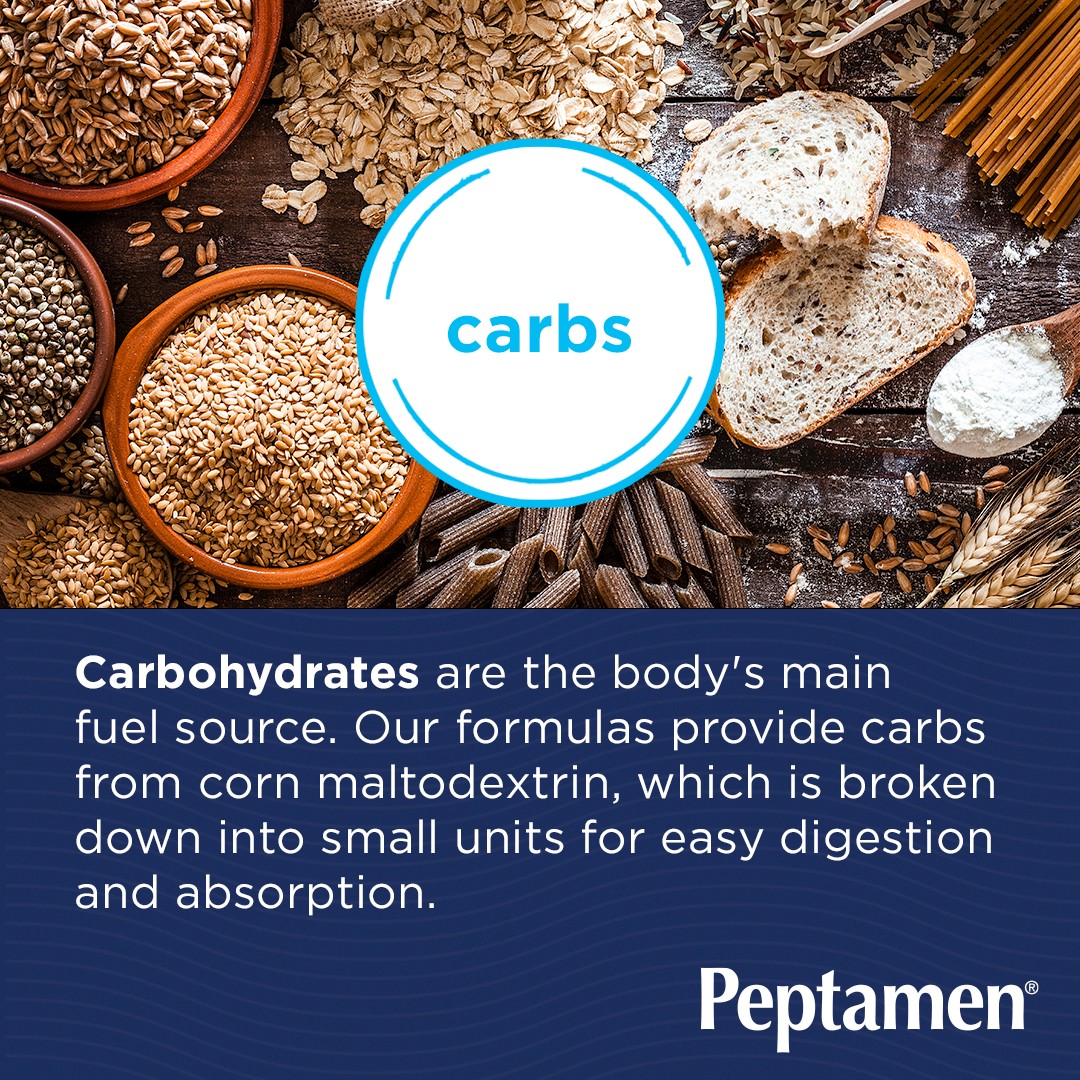
Credit: www.facebook.com
Interconnection Between Nutrition And Diet
Nutrition and diet are not the same. Nutrition refers to the nutrients your body needs to function. Diet is the food you eat to meet those nutritional needs. Both work together to support health.
The connection between nutrition and diet is crucial for health. Nutrition refers to the process of providing or obtaining the food necessary for health and growth. Diet, on the other hand, represents the kinds of food a person habitually eats. Together, they shape our well-being.Balancing Nutrients
Balancing nutrients is vital for a healthy lifestyle. Our bodies need proteins, carbohydrates, and fats. Each plays a role in energy and repair. Vitamins and minerals support bodily functions. A balanced diet ensures all these nutrients are consumed. This supports body processes and boosts immunity.Dietary Choices Impact
Dietary choices greatly impact health. Eating lots of fruits and vegetables boosts nutrition. Processed foods, high in sugar and fat, harm the body. These choices can lead to health issues. A nutritious diet promotes better energy and mood. Making wise food choices supports long-term health.Common Misconceptions
Many people think nutrition and diet are identical, but they are not. Nutrition refers to the nutrients needed for health. Diet is the food consumed daily. Understanding the difference is crucial for a balanced lifestyle.
Common Misconceptions Many people believe that nutrition and diet are interchangeable terms, but they are not. These misconceptions can lead to confusion and even unhealthy choices. Understanding the distinct differences between nutrition and diet can empower you to make informed decisions for your health.Nutrition Myths
One common myth is that all fats are bad for you. In reality, healthy fats like those found in avocados and nuts are essential for your body. They support brain function and help absorb vitamins. Another misconception is that skipping meals can aid in weight loss. Skipping meals can actually slow down your metabolism and lead to overeating later. Your body needs regular fuel to function efficiently. Supplements are often seen as a replacement for a healthy diet. While they can support your nutritional intake, they cannot replace the variety of nutrients found in whole foods. Relying solely on supplements might leave you lacking in essential nutrients.Diet Misunderstandings
Many think that dieting means eating less. However, a healthy diet is about eating the right balance of foods. Consuming enough nutrients is crucial to maintain energy and health. The idea that carbs are the enemy is another misunderstanding. Carbohydrates are a primary source of energy and important for various bodily functions. Choosing whole grains over refined carbs is key to a balanced diet. You might have heard that a diet should be temporary. A sustainable diet is a long-term commitment to healthy eating habits. It’s not about quick fixes but about creating a lifestyle that promotes well-being. Reflect on your beliefs about nutrition and diet. Are they based on myths or facts? By challenging these misconceptions, you can pave the way for a healthier lifestyle.Creating A Healthy Balance
Many people confuse nutrition with diet, but they are not the same. Nutrition focuses on obtaining essential nutrients for overall health, while diet refers to the food choices that impact weight and wellness. Understanding both can help create a healthier lifestyle.
Creating a Healthy Balance A healthy balance between nutrition and diet is essential. Nutrition refers to the nutrients needed for our body. Diet is about the food we consume to get these nutrients. Finding harmony between them ensures well-being. It impacts energy levels, mood, and overall health. Understanding this balance helps in making informed choices. It is the key to a healthier lifestyle.Practical Tips
- Include a variety of foods in your meals.
- Focus on whole grains, fruits, and vegetables.
- Limit processed and high-sugar foods.
- Stay hydrated with water instead of sugary drinks.
- Listen to your body’s hunger and fullness signals.
Long-term Benefits
Eating a balanced diet supports a healthy weight. It reduces the risk of chronic diseases. It improves mental health and mood. It boosts energy levels and enhances daily performance. Consistent healthy eating habits lead to a better quality of life. They promote longevity and vitality.Expert Insights
Nutrition focuses on the nutrients your body needs, while diet refers to the food you consume. Both play crucial roles in maintaining health, but they have different purposes. Understanding their distinctions helps in making informed food choices.
In the quest for better health, understanding nutrition and diet is vital. Many often think they are the same, but they are distinct. Experts offer valuable insights to clarify these concepts. Their knowledge helps us make informed choices for our wellbeing.Nutritionists’ Perspectives
Nutritionists focus on the nutrients our bodies need. They emphasize the importance of vitamins, minerals, proteins, and carbohydrates. These elements support growth and energy. Nutritionists believe that a balanced intake of nutrients is key. They encourage eating a variety of foods to meet nutritional needs. Whole foods, like fruits and vegetables, are recommended. This approach helps maintain health and prevent disease.Dietitians’ Advice
Dietitians provide guidance on food choices. They create meal plans tailored to individual needs. Their advice often involves managing food portions. Dietitians consider factors like age, weight, and activity level. They aim to create diets that fit lifestyle and health goals. Their focus is on sustainable eating habits. Dietitians stress the importance of moderation and balance. They help people understand how diet affects health and wellbeing.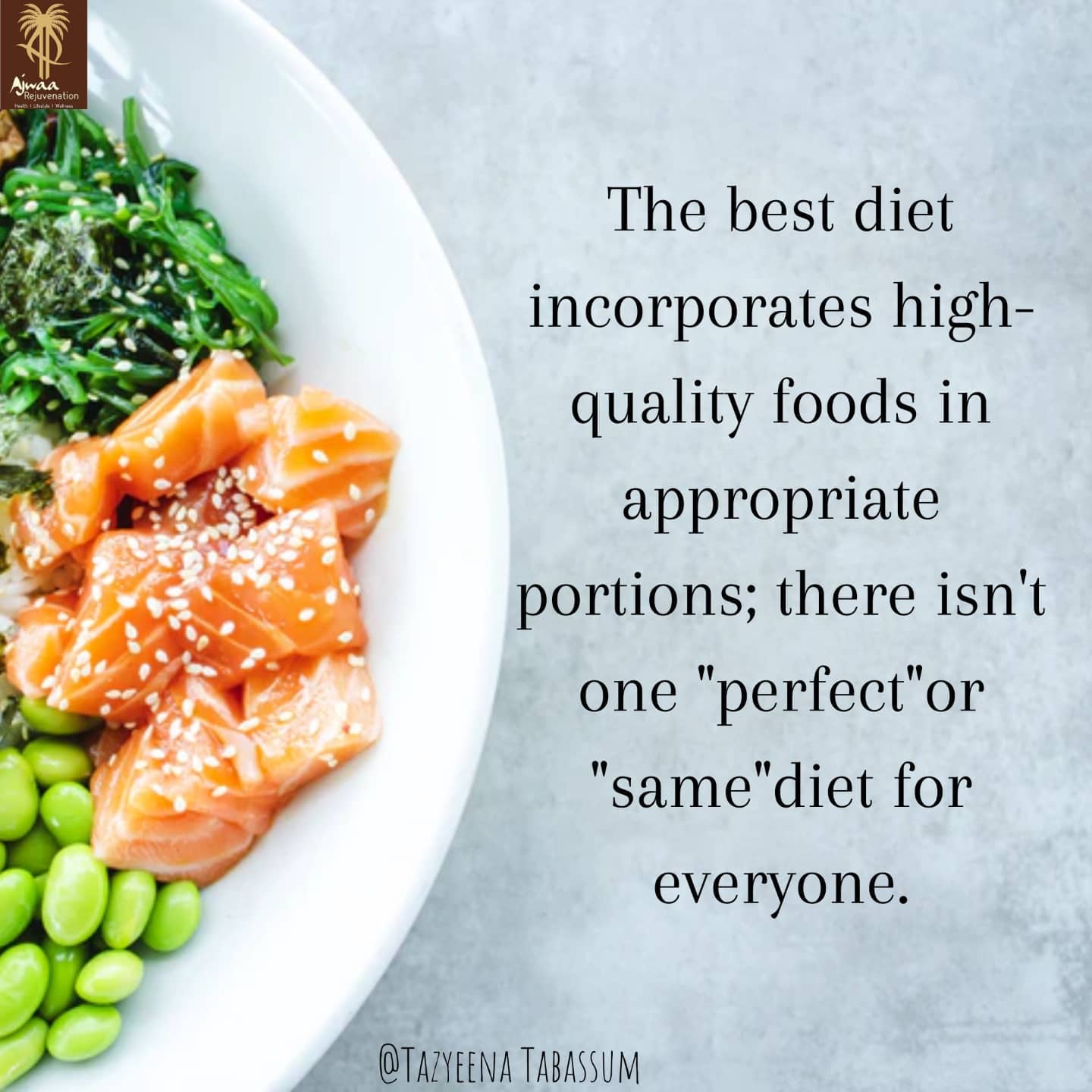
Credit: m.facebook.com
Frequently Asked Questions
What Is The Difference Between Nutrition And Diet?
Nutrition focuses on the nutrients your body needs, while diet refers to your eating habits. Nutrition involves understanding vitamins, minerals, and food components. Diet is the pattern of food consumption, which can impact health and wellness. Both are crucial for maintaining a balanced lifestyle.
Can Diet And Nutrition Affect Health Differently?
Yes, diet and nutrition influence health in distinct ways. Nutrition emphasizes nutrient intake and how they support bodily functions. Diet, however, is about food choices and eating patterns. Poor nutrition can lead to deficiencies, while unhealthy diets may cause weight gain or chronic diseases.
Are Nutrition Guidelines The Same As Diet Plans?
No, nutrition guidelines and diet plans serve different purposes. Nutrition guidelines provide recommendations on nutrient intake for optimal health. Diet plans are specific strategies for managing weight or health conditions. They often include meal suggestions tailored to individual needs and goals.
How Do Nutrition And Diet Work Together?
Nutrition and diet complement each other for optimal health. Nutrition ensures your body receives essential nutrients. Diet provides the structure for how and what you eat. Together, they support energy levels, immune function, and overall well-being, helping maintain a balanced lifestyle.
Conclusion
Nutrition and diet are related but distinct concepts. Nutrition involves nutrients our bodies need. Diet refers to the food we eat. Both are vital for health and well-being. Understanding their differences helps us make better choices. Balanced nutrition supports growth and energy.
A healthy diet includes diverse foods. Both work together for optimal health. Remember, small changes can lead to better health. Focus on balanced meals and nutrient-rich foods. Healthy habits today lead to a stronger tomorrow. Stay informed, make wise choices, and prioritize your well-being.