Are you looking to boost your endurance but unsure if HIIT cardio is the right choice for you? You’re not alone.
Many fitness enthusiasts and athletes wonder if this high-intensity workout can truly enhance their stamina. Imagine a workout that not only saves you time but also ramps up your endurance levels. Sounds intriguing, right? We’ll explore whether HIIT cardio is the secret weapon you’ve been searching for to elevate your endurance.
Stick around to discover how this powerful training method could transform your fitness routine and help you achieve your goals faster.

Credit: www.instagram.com
Benefits Of Hiit For Cardio
High-Intensity Interval Training (HIIT) has gained popularity not just for its ability to torch calories but also for boosting cardiovascular endurance. If you’ve ever wondered how this sweat-inducing workout can benefit your heart and overall fitness, you’re in the right place. Let’s dive into the specific advantages HIIT offers to your cardio routine.
Improved Cardiovascular Health
HIIT is like a turbo boost for your heart. Short bursts of intense activity push your heart rate up, improving its efficiency and health. Regular HIIT sessions can lead to lower blood pressure and reduced risk of cardiovascular diseases.
Imagine climbing stairs without feeling winded. That’s the kind of heart strength HIIT can help develop. By challenging your heart in short intervals, you encourage it to adapt and become stronger.
Enhanced Caloric Burn
If you’re looking to burn calories quickly, HIIT is your best friend. The intense nature of HIIT workouts means you burn more calories in a shorter time compared to steady-state cardio.
What’s more, the afterburn effect, known as excess post-exercise oxygen consumption (EPOC), keeps your metabolism elevated even after you’ve finished exercising. This means you continue to burn calories for hours post-workout.
Ever notice how your body feels like it’s still buzzing after a HIIT session? That’s EPOC at work, helping you get the most out of your workout.
Time Efficiency
One of the biggest perks of HIIT is its time efficiency. In as little as 20 to 30 minutes, you can complete a workout that provides significant benefits to your endurance and overall fitness.
In today’s fast-paced world, who doesn’t appreciate saving time? HIIT is perfect for those with tight schedules, offering a full cardio session in the fraction of the time.
Have you ever skipped a workout because you didn’t have an hour to spare? With HIIT, that’s no longer an excuse. You can fit an effective workout into your lunch break or before dinner.
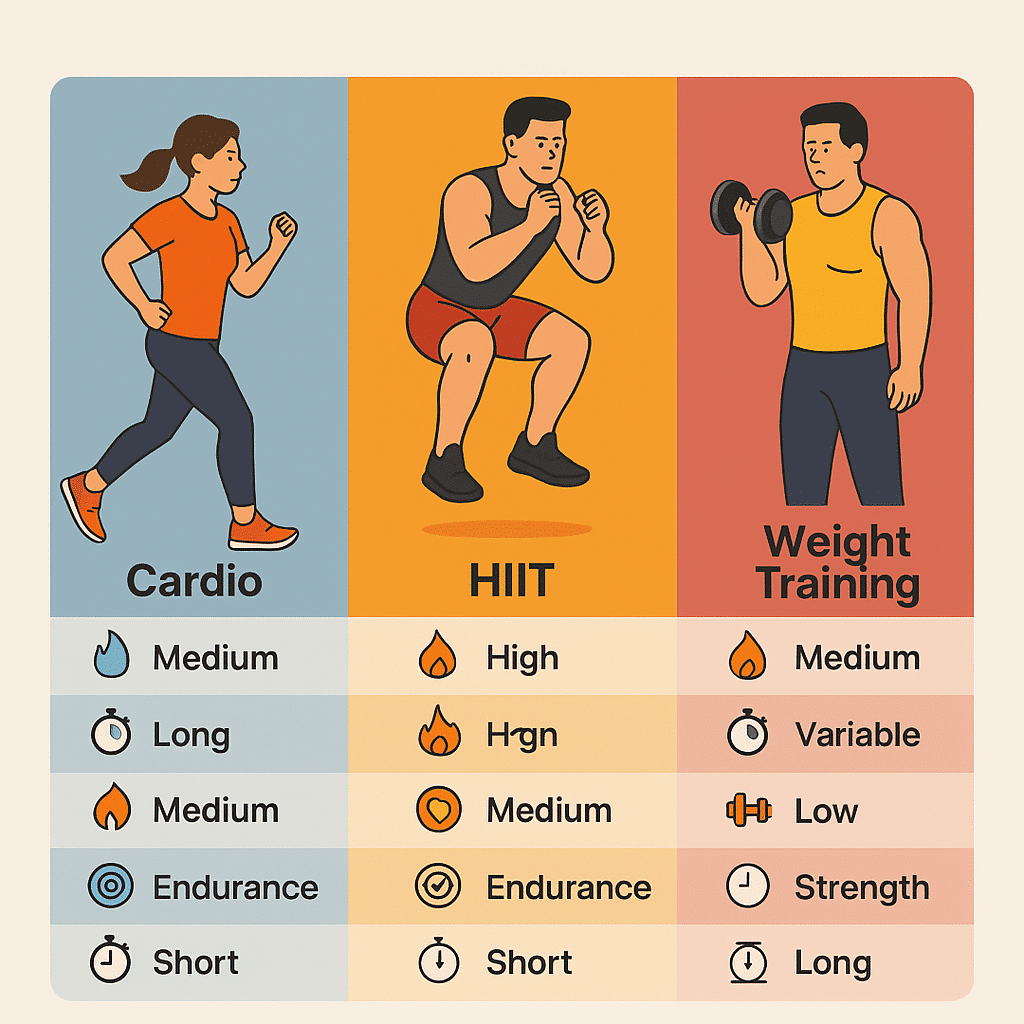
Hiit Vs Traditional Endurance Training
HIIT can boost endurance by enhancing cardiovascular efficiency in short bursts. Traditional endurance training focuses on sustained activity, building stamina over time. Both methods offer unique benefits for improving overall fitness.
In the realm of fitness, HIIT cardio and traditional endurance training stand as two distinct approaches. Both have their unique benefits. HIIT, or High-Intensity Interval Training, involves short bursts of intense exercise. Traditional endurance training, like running or cycling, focuses on longer, steady sessions. Each method serves different fitness goals and preferences.Intensity Levels
HIIT workouts feature high intensity and quick bursts. These exercises push the body to its limits. Traditional endurance training, on the other hand, maintains a moderate pace. It emphasizes consistency over intensity. This contrast defines the nature of each workout. HIIT builds explosive power. Traditional endurance builds stamina over time.Duration And Frequency
HIIT sessions are shorter, often lasting 20 to 30 minutes. They require less time but demand more energy. Traditional endurance workouts can extend to an hour or more. They are less intense but require commitment. Frequency differs as well. HIIT might be done thrice a week. Traditional endurance might be done daily. This flexibility is appealing to those with tight schedules.Adaptation And Recovery
HIIT cardio demands quick recovery. Muscles need time to heal between intense sessions. This recovery is crucial for progress. Traditional endurance training allows gradual adaptation. The body adjusts to longer periods of exertion. Recovery is less intense but equally important. Both methods need proper rest to maximize benefits. This balance aids in achieving endurance goals.Boosting Stamina With Hiit
High-Intensity Interval Training (HIIT) is an effective method to improve cardio endurance. Short bursts of intense activity challenge the heart and lungs. Over time, this can lead to improved stamina and better overall fitness.
Boosting Stamina with HIIT High-Intensity Interval Training (HIIT) is more than a fitness trend. It’s a powerful tool for boosting stamina. Short bursts of intense activity push your limits. They help improve endurance over time. This makes HIIT a favorite among athletes and fitness enthusiasts.Aerobic Capacity Increase
HIIT workouts enhance your aerobic capacity. You breathe deeper and use oxygen better. This leads to improved performance in longer activities. Your heart becomes stronger, pumping blood more efficiently. As a result, stamina increases significantly. You feel less tired during prolonged exercise.Muscle Strength And Endurance
HIIT builds muscle strength and endurance. Quick, intense sessions target different muscle groups. This leads to improved muscle function and power. Stronger muscles can sustain longer workouts. This boosts your overall stamina, letting you perform better.Mental Resilience
HIIT also strengthens your mental resilience. The intense nature of HIIT challenges your mind. Pushing through tough intervals builds mental toughness. This resilience helps you endure physical challenges with ease. You develop a stronger mindset, crucial for enduring long workouts.
Credit: www.mensfitness.com
Hiit Exercises For Endurance
High-Intensity Interval Training (HIIT) can boost endurance. It alternates between intense bursts and short rest periods. This method pushes your limits, enhancing cardiovascular health and stamina. HIIT is versatile, allowing for various exercises tailored to endurance goals. Let’s explore effective workouts, routine customization, and how to combine HIIT with other exercises.
Sample Workouts
HIIT workouts can vary greatly. Here are a few examples:
- Sprint Intervals:Run for 30 seconds at full speed, then rest for 30 seconds. Repeat this cycle for 10 minutes.
- Circuit Training:Perform burpees, squats, and push-ups for 1 minute each, with 15 seconds rest between exercises.
- Cycling Sprints:Cycle at maximum effort for 45 seconds, followed by 15 seconds of slow pedaling. Continue for 15 minutes.
Customizing Your Routine
Adapt HIIT to suit your endurance needs. Consider your current fitness level. Beginners might start with shorter intervals. Gradually increase intensity and duration. Personalize workouts by mixing exercises you enjoy. Monitor progress and adjust accordingly. Keep routines challenging yet achievable.
Combining With Other Exercises
Integrate HIIT with other activities for balanced fitness. Pair HIIT with steady-state cardio, like jogging or swimming. This combination improves aerobic capacity and endurance. Include strength training for muscle endurance. Alternate days between HIIT and strength workouts. This approach helps prevent overtraining. Balance is key for optimal results.
Common Misconceptions About Hiit
High-Intensity Interval Training, or HIIT, often stirs debates in fitness circles. Many believe HIIT is only for quick results. Misunderstandings about its benefits and risks persist. Below, we discuss some common misconceptions about HIIT.
Hiit And Injury Risk
Some think HIIT leads to injuries. The rapid pace and intense movements seem risky. But injuries often occur due to poor form or overexertion. Proper technique and rest can minimize risks. Listening to your body is crucial for safety.
Suitability For Beginners
HIIT is seen as too intense for beginners. This isn’t entirely true. Beginners can modify exercises to fit their level. Starting with shorter intervals helps adjust to the intensity. As fitness improves, they can increase duration.
Effectiveness For Long-distance Events
Some doubt HIIT’s value for long-distance training. They think it only builds short-term stamina. Yet, HIIT improves cardiovascular health, aiding endurance. It complements longer, steady workouts for balanced training.
Tips For Effective Hiit Workouts
HIIT cardio boosts endurance by combining short bursts of intense activity with brief recovery periods. This workout style improves cardiovascular fitness and strengthens muscles. Consistency and proper technique ensure effective results.
When incorporating HIIT cardio to improve endurance, it’s essential to follow some key tips to maximize effectiveness. Proper execution ensures that each workout contributes to your overall fitness goals. Implementing these strategies can enhance your HIIT sessions and help you achieve lasting results.Proper Warm-up And Cool-down
Begin every HIIT session with a thorough warm-up. This prepares your muscles and joints for high-intensity movements. Spend at least five minutes on dynamic stretches. Include exercises like arm circles and leg swings. This increases blood flow and reduces injury risk. After your workout, cool down with gentle stretching. This aids muscle recovery and prevents stiffness.Monitoring Intensity
Keep track of your workout intensity. Use a heart rate monitor or perceived exertion scale. Aim to reach 80% of your maximum heart rate during intervals. Adjust exercises to maintain this intensity. Monitor your breathing and energy levels. This ensures you are pushing hard without overexerting. Proper intensity helps improve endurance effectively.Consistency And Progression
Stay consistent with your HIIT schedule. Regular sessions build endurance over time. Start with two to three workouts per week. Gradually increase frequency and intensity as you adapt. Track your progress to stay motivated. Adjust workout complexity and duration as your fitness improves. Consistent efforts lead to noticeable endurance gains.
Credit: simpleendurance.medium.com
Frequently Asked Questions
What Is Hiit Cardio?
HIIT cardio, or High-Intensity Interval Training, alternates short bursts of intense exercise with rest. This workout boosts cardiovascular health and endurance. It’s effective for burning calories in a short time. HIIT is popular for its efficiency and ability to improve fitness levels quickly.
Can Hiit Improve Endurance?
Yes, HIIT can improve endurance by increasing your heart rate and stamina. It enhances your body’s ability to use oxygen efficiently. Regular HIIT sessions can lead to increased aerobic capacity. This helps you sustain prolonged physical activity, making it beneficial for endurance athletes.
How Often Should You Do Hiit For Endurance?
For endurance, aim for 2-3 HIIT sessions weekly. This frequency allows your body to recover and adapt. Ensure sessions are intense but safe. Balance HIIT with other exercises to prevent overtraining. Consistency will yield the best results in improving endurance.
Does Hiit Burn More Calories Than Steady-state Cardio?
Yes, HIIT burns more calories than steady-state cardio in a shorter time. The intense bursts increase heart rate, boosting metabolism. This effect can continue even after the workout ends. HIIT’s efficiency in calorie burning makes it a popular choice for weight loss and endurance.
Conclusion
HIIT cardio boosts endurance effectively. It combines short bursts of intense exercise with rest. This method challenges your body, improving stamina over time. Regular sessions increase lung capacity, heart health, and muscle strength. It’s an efficient workout for those with limited time.
People enjoy the variety and pace of HIIT routines. They find them engaging and motivating. Different exercises keep workouts interesting and fun. Always listen to your body. Adjust intensity to avoid injury. Combining HIIT with other workouts maximizes benefits. Try it to enhance your endurance and overall fitness.