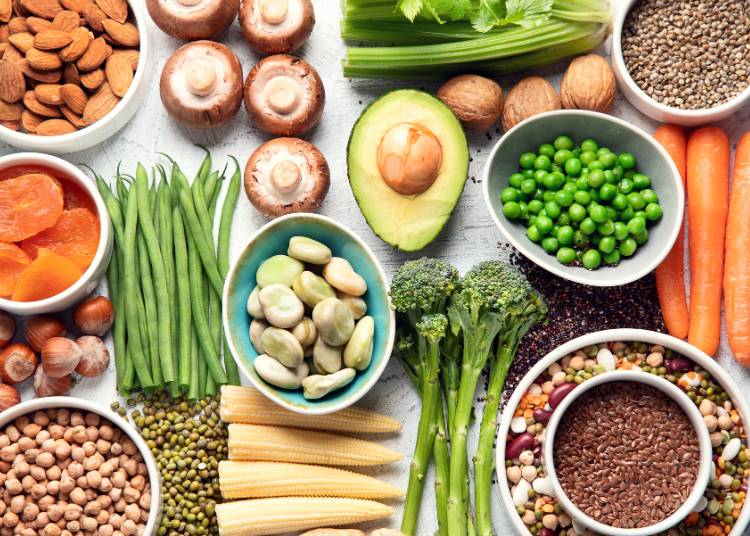
Are you curious about whether a vegetarian diet can meet all your nutritional needs? You’re not alone.
Many people wonder if cutting out meat means missing out on essential nutrients. Imagine feeling energized, healthy, and content with your food choices while sticking to a plant-based lifestyle. It’s a tantalizing thought, isn’t it? By exploring the ins and outs of a vegetarian diet, you can discover how it might be the key to not only a balanced diet but also a healthier and more sustainable way of living.
Let’s uncover the secrets to ensuring your vegetarian meals are not just satisfying but also nutritionally complete. Dive in to find out how you can enjoy the best of both worlds—delicious food and optimal health.
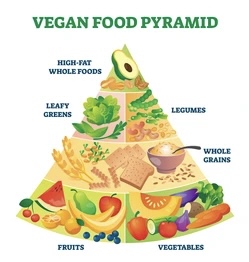
Credit: www.facebook.com
Nutritional Components Of A Vegetarian Diet
A vegetarian diet can be nutritionally complete and healthy. By focusing on diverse food groups, it provides essential nutrients needed for daily life. Let’s explore the key nutritional components of a vegetarian diet.
Protein Sources
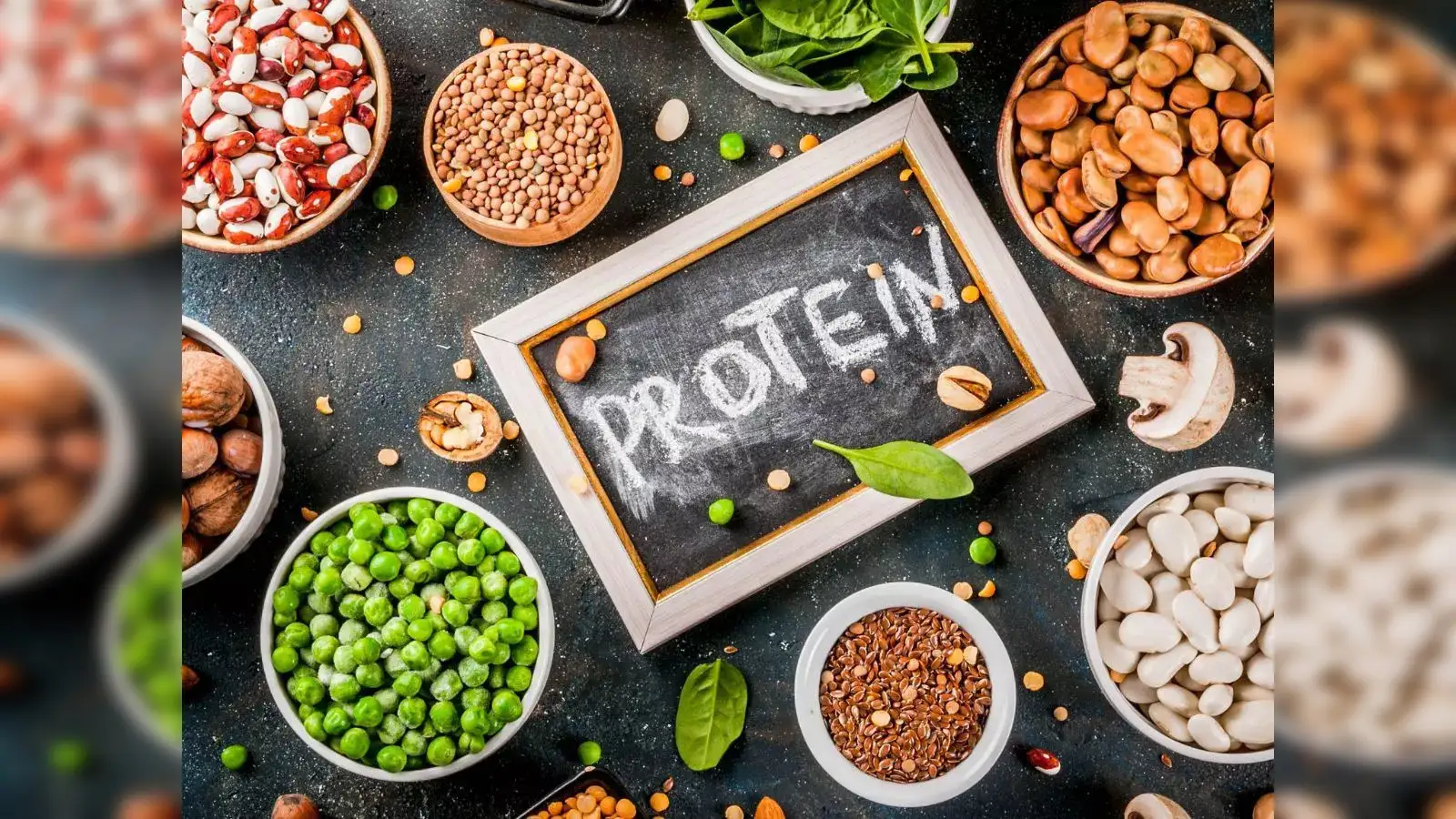
Protein is essential for body growth and repair. Vegetarians can get protein from various sources.
- Legumes such as lentils and chickpeas are rich in protein.
- Quinoa and tofu provide complete proteins.
- Nuts and seeds offer protein and healthy fats.
Essential Vitamins And Minerals
A balanced vegetarian diet must include vital vitamins and minerals. These nutrients support overall health and well-being.
- Leafy greens are rich in iron and calcium.
- Fortified cereals and soy products provide vitamin B12.
- Oranges and strawberries offer vitamin C for immune health.
Healthy Fats
Healthy fats are crucial for brain function and energy. Vegetarians can find these fats in various plant-based foods.
- Avocados are an excellent source of healthy monounsaturated fats.
- Olive oil is perfect for cooking and dressing salads.
- Chia seeds and flaxseeds are rich in omega-3 fatty acids.
Common Nutritional Concerns
Switching to a vegetarian diet is a healthy choice. Yet, it brings certain nutritional concerns. Ensuring a balanced intake of essential nutrients is crucial. Let’s explore some common nutritional issues vegetarians face.
Iron Deficiency
Iron is vital for producing red blood cells. Vegetarians often rely on non-heme iron. This type is less easily absorbed by the body. Foods like beans, lentils, and spinach are good sources. Pairing these with vitamin C-rich foods enhances absorption.
Vitamin B12 Sources
Vitamin B12 supports nerve function and blood formation. It is mainly found in animal products. Vegetarians need alternative sources. Fortified cereals, plant-based milks, and supplements can help meet B12 needs.
Omega-3 Fatty Acids
Omega-3s are crucial for heart and brain health. Vegetarians can lack these fatty acids. Flaxseeds, chia seeds, and walnuts are rich in ALA. This type of omega-3 can convert to EPA and DHA in the body. Yet, the conversion rate is low, so consider supplements if needed.
Balancing Macronutrients
A vegetarian diet can be incredibly nutritious, but ensuring it’s balanced involves paying close attention to macronutrients. These essential nutrients—carbohydrates, proteins, and fats—play a pivotal role in your overall health. As you craft your vegetarian meal plan, consider how these macronutrients affect your energy levels, muscle health, and digestive system. Let’s explore how you can strike the right balance.
Carbohydrates And Fiber
Carbohydrates are your body’s main source of energy. In a vegetarian diet, foods like grains, fruits, and vegetables are rich in these nutrients. Ever notice how a bowl of oatmeal keeps you full longer? That’s the fiber working its magic, aiding digestion and stabilizing blood sugar.
Include whole grains like brown rice and quinoa. They not only provide energy but also come packed with fiber. Fiber can be your best friend when it comes to maintaining a healthy weight and improving gut health.
Are you getting enough fiber from your meals? Consider adding more fruits and leafy greens to boost your intake.
Protein And Muscle Health
Protein is vital for muscle maintenance and repair. As a vegetarian, you might worry about getting enough protein without meat. Don’t fret—beans, lentils, tofu, and tempeh are excellent sources.
A simple stir-fry with tofu can provide the protein your muscles crave. Pairing this with a side of quinoa can create a complete meal that supports muscle health.
Ever tried experimenting with different beans in your salads? They can add texture and boost your protein intake effortlessly.
Fat Intake And Energy
Healthy fats are crucial for energy and cell function. Vegetarian sources of fats include nuts, seeds, avocados, and olive oil. These fats can keep you energized throughout the day.
Sprinkle some chia seeds over your morning smoothie for a burst of omega-3s. These healthy fats not only fuel your body but also support brain health.
Finding the right balance of fats can be a game-changer. How often do you include nuts or avocados in your meals?
Benefits Of A Vegetarian Diet
Adopting a vegetarian diet can be a transformative lifestyle choice, offering a plethora of benefits not just for your health, but also for the planet. While it might seem daunting to give up meat, the advantages of focusing on plant-based foods can be compelling. From enhancing heart health to managing weight more effectively, a vegetarian diet holds promising potential for those who choose to embrace it.
Heart Health
Eating a vegetarian diet is linked to better heart health. By focusing on fruits, vegetables, nuts, and whole grains, you can reduce cholesterol levels and lower blood pressure. Imagine enjoying a fresh salad loaded with colorful veggies—each bite is a step towards a healthier heart. Have you noticed how your energy levels soar after a plant-based meal? That’s your heart thanking you!
Weight Management
If you’re aiming for a healthier weight, a vegetarian diet might be your secret weapon. Plant-based meals are often lower in calories, helping you feel full without the extra calories. Remember the satisfaction of a hearty bowl of lentil soup? It’s filling without the heaviness. Plus, eating more fiber-rich foods aids digestion and supports weight management, making those jeans fit better!
Reduced Risk Of Chronic Diseases
A vegetarian diet is associated with a lower risk of chronic diseases such as type 2 diabetes and certain cancers. Emphasizing whole foods and reducing processed meat intake can make a significant impact. Think about the long-term health benefits of choosing fresh produce over processed snacks. Why not swap a greasy burger for a delicious veggie wrap? Your body will thank you with fewer health issues down the road.
With so many benefits, a vegetarian diet can be a rewarding choice for your health and well-being. Are you ready to explore new flavors and enjoy the positive changes in your life?
Challenges And Solutions
Embracing a vegetarian diet can offer many health benefits. But maintaining a nutritionally balanced vegetarian diet poses challenges. Ensuring you get all essential nutrients requires careful planning and smart choices. This section explores common challenges and provides effective solutions.
Meal Planning Tips
Balanced meal planning is key for a nutritious vegetarian diet. Incorporate a variety of foods to cover all nutrient bases. Include proteins like beans, lentils, and tofu. Add whole grains such as quinoa and brown rice. Don’t forget healthy fats from nuts and seeds. A colorful plate with vegetables and fruits ensures vital vitamins. Preparing meals ahead saves time and encourages healthy eating.
Supplements And Fortified Foods
Some nutrients are harder to get from a vegetarian diet. Vitamin B12, iron, and omega-3 are examples. Supplements can help fill these gaps. Fortified foods like cereals and plant milks are also beneficial. Check labels for added nutrients. Consult a healthcare provider to choose the right supplements. This ensures you meet daily nutritional needs.
Addressing Food Cravings
Food cravings can challenge a vegetarian diet. Cravings for meat can be strong. Mimic meat textures with plant-based alternatives. Use spices and herbs for flavor. Experiment with recipes to find satisfying dishes. Sometimes cravings indicate nutritional needs. Listen to your body and make adjustments. This helps maintain diet balance and enjoyment.
Credit: m.economictimes.com
Expert Opinions And Research
A vegetarian diet is often praised for its health benefits and environmental impact. But is it nutritionally balanced? Understanding expert opinions and research can help uncover the truth. Here we explore scientific studies, nutritionist perspectives, and long-term health effects.
Scientific Studies
Scientific studies provide insights into vegetarian diets’ nutritional balance. Many studies show vegetarians have lower risks of heart disease. They also tend to have lower cholesterol levels. Research indicates vegetarians often consume more fiber and antioxidants. Yet, some studies highlight potential deficiencies. Common concerns include protein, iron, and vitamin B12. Scientists continue to investigate these nutritional aspects.
Nutritionist Perspectives
Nutritionists offer valuable advice on vegetarian diets. Many believe such diets can be balanced with careful planning. They suggest including a variety of foods. Legumes, nuts, and seeds are great protein sources. Dark leafy greens provide iron. Fortified foods can help with vitamin B12. Nutritionists emphasize the importance of a diverse diet. They agree on monitoring nutrient intake.
Long-term Health Effects
Long-term health effects of vegetarian diets are well-studied. Studies show vegetarians may have lower body weight. They often experience reduced risk of chronic diseases. There is evidence of increased life expectancy. Yet, concerns about bone health and muscle mass exist. Long-term commitment requires understanding of potential nutritional gaps. Regular health check-ups are recommended. Overall, informed choices lead to a balanced lifestyle.

Credit: www.instagram.com
Frequently Asked Questions
Is A Vegetarian Diet Lacking In Protein?
A vegetarian diet can provide sufficient protein through sources like beans, lentils, tofu, and quinoa. Combining these foods with grains ensures complete protein intake. Vegetarians can meet their protein needs by carefully planning meals to include a variety of protein-rich foods.
Can Vegetarians Get Enough Iron?
Vegetarians can obtain enough iron from foods like spinach, lentils, and fortified cereals. Consuming vitamin C-rich foods alongside these enhances iron absorption. Including a variety of iron-rich foods ensures vegetarians meet their daily requirements without relying on meat.
Do Vegetarians Have Enough Vitamin B12?
Vegetarians often need to supplement vitamin B12, found in animal products. Fortified foods and supplements are essential for meeting B12 needs. Regular monitoring of B12 levels helps prevent deficiency, ensuring vegetarians maintain optimal health.
Is Calcium Intake Sufficient In A Vegetarian Diet?
Calcium can be obtained from plant-based sources like kale, broccoli, and fortified plant milks. Including these foods in meals ensures adequate calcium intake. Vegetarians can maintain bone health by diversifying their calcium sources.
Conclusion
A vegetarian diet can be nutritionally balanced. It offers many health benefits. You get vitamins, minerals, and fiber from plant foods. Protein is easily found in beans, lentils, and nuts. Iron and calcium can come from leafy greens. A good plan ensures all nutrients.
It’s crucial to vary food choices. Try different grains, vegetables, and fruits. This keeps meals exciting and healthy. Consult a nutrition expert if unsure. They help create balanced meals. Eating vegetarian is healthy and smart. Just ensure nutritional variety and balance.