Ever wondered how yoga could transform your life, especially if you have a disability? Imagine gaining newfound flexibility and confidence with each session.
Yoga isn’t just about bending and stretching; it’s about unlocking potential and improving well-being. For students with disabilities, yoga offers a unique pathway to enhanced physical and mental flexibility. You deserve to experience the joy and benefits that come with it.
Curious about how yoga can be a game-changer for you or someone you know? Let’s dive into the ways it can make a real difference, and why giving it a try could be one of the best decisions you make.
Benefits Of Yoga For Flexibility
Yoga enhances flexibility for students with disabilities by gently stretching muscles and improving range of motion. It supports joint health and reduces stiffness, promoting overall ease of movement. This practice can significantly aid in daily activities and boost self-confidence.
Yoga is not just a practice; it’s a journey towards better physical and mental health. For students with disabilities, yoga can be a transformative tool to enhance flexibility, offering a sense of empowerment and improved quality of life. Flexibility is crucial as it can lead to better mobility, reduced risk of injury, and improved posture. With yoga’s gentle and adaptive approach, students with disabilities can experience these benefits in a supportive and inclusive environment.Improved Range Of Motion
Yoga encourages movements that stretch and strengthen muscles, leading to a broader range of motion. This means you can reach, bend, and twist with greater ease. For students with disabilities, this enhanced flexibility can improve daily tasks and increase independence. Imagine being able to tie your shoes or reach for items on a shelf without strain or discomfort.Enhanced Muscle Strength
While yoga is often associated with stretching, it also builds muscle strength. Strong muscles support flexible joints, creating a balanced body. This balance is especially important for individuals with disabilities who may experience muscle stiffness or weakness. With consistent practice, you might notice a newfound ability to move with less effort and greater precision.Reduced Muscle Tension
Yoga helps alleviate muscle tension, which can be particularly beneficial for students with disabilities who experience spasms or tightness. By practicing various poses and breathing techniques, you can release tension and promote relaxation. Consider the relief and comfort that comes from loosening tight muscles after a long day.Boosted Confidence
As flexibility improves, so does confidence. Knowing that your body can move more freely and comfortably boosts self-esteem. Students with disabilities often face challenges that can impact their sense of self-worth. Yoga provides a safe space to explore and celebrate your body’s capabilities, fostering a positive body image and mindset.Mind-body Connection
Yoga is not just physical; it connects the mind and body. Through mindful movements and breath awareness, you become more attuned to your body’s needs and limits. This connection is vital for students with disabilities who might feel disconnected from their bodies. Yoga encourages you to listen to your body, promoting self-awareness and self-care. Have you ever considered how the simple act of stretching can change your perspective on what your body can achieve? Yoga offers this transformative experience, inviting students with disabilities to embrace flexibility and celebrate their unique journey.Understanding Different Disabilities
Yoga has proven to be a transformative practice for many, particularly students with disabilities who often face unique challenges. Understanding the diverse range of disabilities is crucial to tailor yoga practices that enhance flexibility and overall well-being. By recognizing specific needs, you can create an inclusive environment that empowers students and celebrates their progress.
Recognizing Physical Disabilities
Physical disabilities vary greatly, from mobility impairments to conditions like cerebral palsy or muscular dystrophy. Each presents distinct challenges and requires thoughtful adaptation. Yoga poses can be modified to accommodate wheelchairs or limited movement, ensuring everyone can participate. For instance, using props like blocks or straps can offer support and stability, making poses accessible.
Embracing Sensory Disabilities
Sensory disabilities, such as visual or auditory impairments, require creative approaches in yoga instruction. You might use tactile aids or verbal cues to guide students through poses. Consider how a visually impaired student may rely on touch or sound to enhance their experience. This approach fosters independence and confidence, encouraging them to explore their capabilities.
Understanding Cognitive Disabilities
Cognitive disabilities, including conditions like Down syndrome or autism, often impact learning and communication. Yoga can be a soothing practice that promotes focus and calm. Simplifying instructions and using visual aids can make sessions more engaging. The repetitive nature of yoga poses can provide comfort and structure, helping students feel secure.
Addressing Emotional Disabilities
Emotional disabilities, such as anxiety or depression, can affect a student’s ability to engage fully. Yoga’s emphasis on mindfulness and breathing techniques can be powerful tools for emotional regulation. Encourage students to focus on their breath and the present moment, fostering a sense of peace. How might you use meditation or relaxation poses to help students manage stress?
By understanding the diverse spectrum of disabilities, you can create a yoga practice that is not only inclusive but also deeply rewarding. How will you adapt your approach to ensure every student finds their path to flexibility and well-being through yoga?
Adapting Yoga For Various Needs
Yoga offers tailored exercises to enhance flexibility for students with disabilities. These exercises focus on gentle stretching and strengthening. This approach promotes physical well-being and boosts confidence.
Adapting Yoga for Various Needs Yoga offers flexibility benefits for students with disabilities. It can be tailored to suit individual needs. This ensures everyone can enjoy its advantages. Modifications and props can make yoga accessible.Chair Yoga Modifications
Chair yoga provides stability. It allows students to stay seated while practicing. This minimizes the risk of falls. It includes gentle stretches and breathing exercises. Students can perform arm and leg movements with ease. The chair acts as support for balance. This method is ideal for those with mobility challenges. It encourages participation without stress or strain.Using Props For Support
Props enhance yoga practice for students with disabilities. Blocks, straps, and bolsters offer support during poses. They help maintain alignment and balance. Props reduce effort needed to hold poses. They make yoga more comfortable and accessible. Students can focus on breathing and relaxation. Props allow for deeper stretches. They adapt yoga to each student’s capability.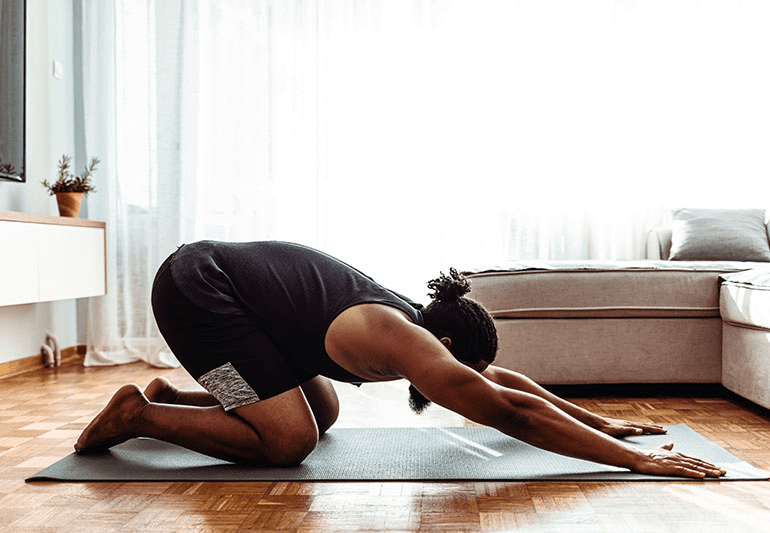
Credit: health.clevelandclinic.org
Simple Yoga Poses For Beginners
Simple yoga poses enhance flexibility for students with disabilities, promoting better movement and balance. These gentle exercises help improve muscle strength and coordination. Practicing yoga regularly can lead to increased confidence and a greater sense of well-being.
Yoga offers a gentle yet effective way to enhance flexibility, especially for students with disabilities. Simple yoga poses are a great starting point, offering benefits without the need for extensive experience or equipment. These poses can be adapted to suit individual abilities, making yoga accessible to everyone. Practicing yoga can improve your range of motion and reduce stiffness, but it’s also about finding what works best for you. Have you ever wondered how a small change in your routine could make a big difference? Let’s explore a couple of poses that can help you get started on this journey.Seated Forward Bend
The Seated Forward Bend is a wonderful pose for stretching your hamstrings and lower back. Start by sitting on the floor with your legs extended straight in front of you. Gently lean forward, reaching towards your toes. If reaching your toes is challenging, try using a strap or towel around your feet to help you stretch without straining. Remember, the goal is to feel a gentle stretch, not pain. Consistency is key, and over time, you’ll notice increased flexibility.Gentle Twists
Gentle Twists help in releasing tension in your spine and improving flexibility. Begin by sitting comfortably on a chair or the floor. Place your right hand on your left knee and gently twist your torso to the left. Hold the position for a few breaths, then switch sides. This pose not only aids in flexibility but also promotes relaxation and detoxification. It’s a simple move that can bring a sense of balance and calm to your day. By incorporating these poses into your daily routine, you can gradually build flexibility and enjoy the many benefits that yoga offers. Yoga is not just about the body; it’s about creating a harmonious connection with yourself. Why not give it a try and see how it can transform your day-to-day life?Breathing Techniques
Breathing techniques are a cornerstone of yoga practice, offering numerous benefits, particularly for students with disabilities. By focusing on breath, individuals can improve their flexibility, both physically and mentally. Breathing not only helps in calming the mind but also in enhancing the body’s ability to stretch and move.
Deep Breathing Exercises
Deep breathing exercises can significantly aid in increasing flexibility for students with disabilities. When you focus on deep breaths, your muscles receive more oxygen, which helps them to relax. This relaxation can lead to improved flexibility over time.
Try this: Sit comfortably, close your eyes, and inhale deeply through your nose, filling your lungs completely. Hold for a moment, then slowly exhale through your mouth. Notice how your body feels more relaxed with each breath. Practicing this daily can gradually increase your range of motion.
Mindful Breathing
Mindful breathing is about being present and fully aware of your breathing patterns. This technique helps in reducing stress, which often leads to muscle tension. By lowering stress levels, you can enhance your flexibility.
Engage in mindful breathing by taking a moment to observe your natural breathing rhythm. Feel the air entering and leaving your body without trying to change it. This practice can help you become more in tune with your body’s needs, allowing for safer and more effective stretching.
Have you ever noticed how your body feels after a few minutes of mindful breathing? The calmness that follows can be transformative, allowing you to approach each yoga pose with ease.

Credit: www.instagram.com
Creating A Safe Environment
Creating a safe environment through yoga supports flexibility for students with disabilities. Yoga offers gentle movements and stretches. This helps improve mobility and reduces muscle tension.
Creating a safe environment for yoga is crucial. Especially for students with disabilities. A supportive setting enhances their experience. It ensures their well-being. This involves the right space and attentive supervision. Both play a vital role in their practice. Below, we explore these elements further.Choosing The Right Space
Select a quiet and clutter-free area. This minimizes distractions and hazards. Ensure the room has ample space for movement. Students need to stretch freely without obstacles. The floor should be comfortable and slip-resistant. A yoga mat can add extra support and comfort.Importance Of Supervision
Having a trained instructor is essential. They guide students through poses safely. Supervision helps prevent injuries. Instructors can adjust poses to fit individual needs. This personalized approach boosts confidence. Students feel more secure and engaged.Incorporating Yoga Into Daily Routine
Yoga can greatly enhance flexibility for students with disabilities, providing gentle movements and stretches. These exercises help improve mobility and reduce stiffness, making daily activities more manageable. Incorporating yoga into the routine promotes physical well-being and mental relaxation.
Incorporating yoga into the daily routine can enhance flexibility for students with disabilities. Yoga offers gentle movements that are adaptable for all abilities. It helps in stretching muscles and improving range of motion. Including yoga in daily life fosters a sense of calm and focus. It also encourages regular physical activity, essential for maintaining health.Setting A Regular Practice Schedule
Establishing a fixed time for yoga practice is crucial. Students benefit from consistency and knowing what to expect. A regular schedule aids in forming a habit. Morning or evening sessions fit well into daily routines. Choose a quiet space free from distractions. A consistent setting enhances the yoga experience.Encouraging Consistency
Consistency is key to reaping yoga’s benefits. Start with short sessions to build confidence. Gradually increase the time as comfort grows. Celebrate small achievements to maintain motivation. Use visual aids or apps to remind and guide. Keep the practice enjoyable and rewarding.
Credit: www.advancedhumanperformance.com
Stories Of Empowerment
Stories of Empowerment Yoga boosts flexibility for students with disabilities. It helps by gently stretching muscles and improving range of motion. This practice also supports mental focus and relaxation, enhancing overall well-being.
Yoga is a powerful tool for students with disabilities. It offers hope and empowerment. Through yoga, many students have transformed their lives. This section shares stories that inspire and motivate.Success Stories From Students
Students often face challenges with flexibility. Yoga has helped many overcome these hurdles. Sarah, a student with cerebral palsy, has seen remarkable progress. She struggled with movement but yoga changed her life. Through dedicated practice, her mobility improved significantly. Her story is a testament to the power of yoga. Another inspiring story is Jack’s. Jack lives with muscular dystrophy. Initially, he found yoga difficult. Gradually, his flexibility improved. Today, Jack can perform poses he once thought impossible. Yoga gave him confidence and strength.Inspirational Journeys
Jessica’s journey with yoga is truly inspiring. She has Down syndrome and faced many challenges. Yoga became her beacon of hope. Through gentle poses, her body gained strength. Her spirit soared as her flexibility improved. Jessica’s journey shows yoga’s transformative power. Michael’s story is equally uplifting. He has autism and often felt disconnected. Yoga brought peace to his world. It helped him focus and relax. His flexibility improved, and he gained new skills. Michael’s journey inspires others every day. These stories showcase the empowerment yoga brings. Students with disabilities find strength and hope. Yoga transforms their lives in profound ways.Frequently Asked Questions
How Does Yoga Improve Flexibility In Students With Disabilities?
Yoga enhances flexibility by gently stretching muscles and connective tissues. It encourages range of motion, benefiting students with disabilities. Regular practice helps reduce stiffness and tension, promoting a more relaxed and flexible body. Yoga adapts to individual needs, ensuring safe and effective improvement in flexibility over time.
Can Yoga Reduce Pain For Disabled Students?
Yoga can help alleviate pain by improving circulation and reducing muscle tension. It encourages body awareness and relaxation, helping manage chronic pain. With modified poses, students with disabilities can safely practice yoga. This fosters a sense of well-being and reduces discomfort in daily activities.
What Yoga Poses Are Suitable For Disabilities?
Certain yoga poses can be adapted for students with disabilities. Chair yoga or seated poses offer accessibility. Gentle stretches and breathing exercises enhance flexibility and relaxation. Instructors can modify poses to accommodate individual needs, ensuring a safe and beneficial practice for all participants.
Is Yoga Safe For All Disabilities?
Yoga is generally safe when tailored to individual abilities and limitations. Certified instructors adapt poses to ensure safety. It’s important for students to consult healthcare professionals before starting. With proper guidance, yoga offers significant benefits, enhancing flexibility and overall well-being for students with various disabilities.
Conclusion
Yoga offers great benefits for students with disabilities. It enhances flexibility and promotes overall well-being. Gentle movements make stretching easier and safer. Students experience improved mobility and confidence. Practicing yoga regularly can lead to better posture. It helps reduce stress and encourages relaxation.
Teachers should create inclusive yoga sessions. This fosters a supportive environment for all students. Small steps lead to big changes in flexibility. Yoga is a valuable tool for growth and health. Embrace the journey to better flexibility through yoga. Everyone deserves the chance to feel strong and capable.