Feeling that pesky tightness or discomfort in your lower back? You’re not alone.
Many people experience lower back pain, especially if they spend a lot of time sitting or engaging in physically demanding activities. The good news is that you can strengthen and soothe your lower back right at home, without any expensive equipment or gym membership.
Imagine feeling more flexible, stronger, and free from that annoying pain. In this guide, you’ll discover simple yet effective exercises tailored just for your lower back. These exercises are designed to fit into your daily routine, giving you more energy and stability. Ready to transform your back health and improve your overall well-being? Let’s dive into how you can make your lower back stronger and happier, all from the comfort of your home.
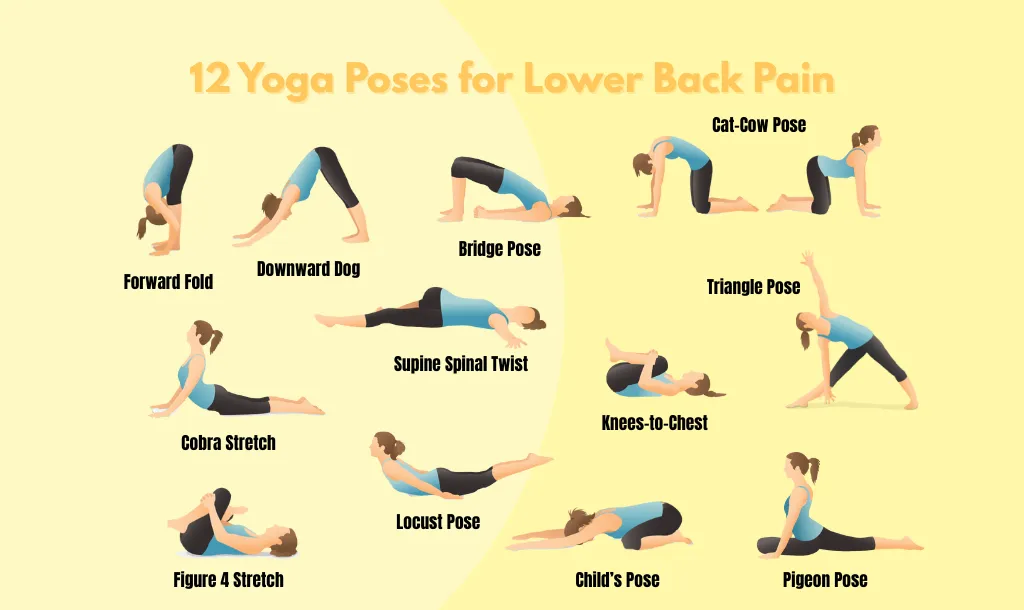
Credit: myyogateacher.com
Benefits Of Lower Back Exercises
Strengthening your lower back at home improves posture and reduces pain. Simple exercises enhance flexibility and support daily activities. Regular workouts can boost your overall well-being.
Lower back exercises are vital for maintaining a healthy spine. They help to strengthen muscles, improve flexibility, and reduce pain. By working out your lower back at home, you can enhance your overall well-being. These exercises also support better posture and balance. Regular practice can prevent injuries and improve physical performance. Discover the benefits of including lower back workouts in your routine.Strengthen Core Muscles
A strong core supports your spine. Lower back exercises target these muscles, enhancing stability. This reduces the risk of strain and injury.Improve Flexibility
Flexibility is crucial for movement. Lower back exercises stretch tight muscles, increasing your range of motion. This leads to more agile movements.Reduce Lower Back Pain
Regular exercise can alleviate pain. Strengthening the lower back helps to relieve tension. This minimizes discomfort and improves daily activities.Enhance Posture
Good posture prevents stress on the spine. Strong lower back muscles support your back. This helps you maintain a straight and healthy posture.Boost Overall Fitness
A healthy lower back contributes to overall fitness. It allows for better physical performance. This supports other activities like running and lifting.Prevent Injuries
Injury prevention is key to staying active. Strengthening the lower back reduces the risk of strains. This helps you stay injury-free and active.Essential Equipment For Home Workouts
Having the right equipment at home can transform your lower back workouts from basic to brilliant. You don’t need to spend a fortune or fill your living room with gym machines. A few strategic pieces can offer the versatility and effectiveness you need. Imagine achieving a strong, resilient lower back without ever stepping into a gym. With the right tools, it’s entirely possible. But what should you have at home to ensure your lower back exercises are both effective and safe?
Resistance Bands
Resistance bands are highly versatile and perfect for home workouts. They allow you to engage your lower back muscles in various exercises without needing heavy weights. Plus, they’re compact and easy to store. A simple back extension with a resistance band can challenge your muscles more than you’d expect. Ever tried standing rows with a band? You’ll feel those deep muscles working.
Yoga Mat
A yoga mat is essential for comfort and safety. It provides cushioning for floor exercises like supermans or pelvic tilts. You might not realize how much a soft surface can enhance your workout experience until you try doing exercises on a hard floor. A yoga mat also helps define your workout space, making it easier to focus and stay committed.
Foam Roller
A foam roller can be a game changer for your lower back routine. It’s perfect for post-workout muscle relief and can help you avoid stiffness. Rolling out your back muscles can improve blood flow and aid recovery. Have you ever felt that satisfying release after a good foam rolling session? It’s incredibly beneficial.
Stability Ball
Incorporating a stability ball can elevate your workouts by adding an element of balance and core engagement. Using a stability ball for lower back exercises like back extensions can target muscles more intensely. Plus, it’s a fun way to challenge your coordination. How balanced do you think you are? A stability ball might surprise you.
Dumbbells
If you’re looking to add weight to your exercises, dumbbells are a great option. They offer the flexibility to increase resistance as you grow stronger. Simple movements such as deadlifts can be performed with dumbbells to effectively target the lower back. You might find yourself getting stronger faster than you anticipated.
With these essential pieces, you’re well-equipped to tackle lower back workouts at home. Each offers unique benefits and can be used in various exercises, ensuring your routine never gets boring. What’s stopping you from crafting the perfect home workout space?
Warm-up Techniques
Loosen up your lower back at home with gentle stretches and dynamic movements. Begin with pelvic tilts to activate muscles. Incorporate knee-to-chest stretches for flexibility and relief.
Warm-Up Techniques for Lower Back Workouts at Home Getting ready for a lower back workout involves more than just jumping into exercises. Warming up prepares your muscles and reduces the risk of injury. It also helps you achieve better results by improving flexibility and circulation.Dynamic Stretching
Dynamic stretching is a great way to get your muscles moving. Try arm circles or leg swings to increase your heart rate and loosen up your body. These movements mimic the exercises you’ll perform, setting the stage for a better workout.Cat-cow Stretch
This yoga-inspired stretch gently warms up your spine. Start on your hands and knees, arching your back like a cat, then drop your belly to the floor, lifting your head and tailbone. Repeat this flow for a minute, feeling your spine become more flexible.Pelvic Tilts
Lie on your back with knees bent and feet flat on the floor. Tighten your abdominal muscles and tilt your pelvis slightly upward. This simple movement engages your core and prepares your lower back for more intense exercises.Hip Circles
Stand with feet shoulder-width apart and hands on your hips. Make slow, controlled circles with your hips to warm up your lower back and hips. Try both clockwise and counterclockwise directions for a balanced warm-up.Walking Or Marching In Place
Spend a few minutes walking or marching in place. This activity gradually increases your heart rate and warms up your entire body. It’s especially beneficial if you’re coming from a sedentary activity like sitting. By applying these warm-up techniques, you ensure your body is adequately prepared for a more demanding workout. Have you ever noticed how a good warm-up can enhance your performance? Give it a try and feel the difference in your next lower back workout.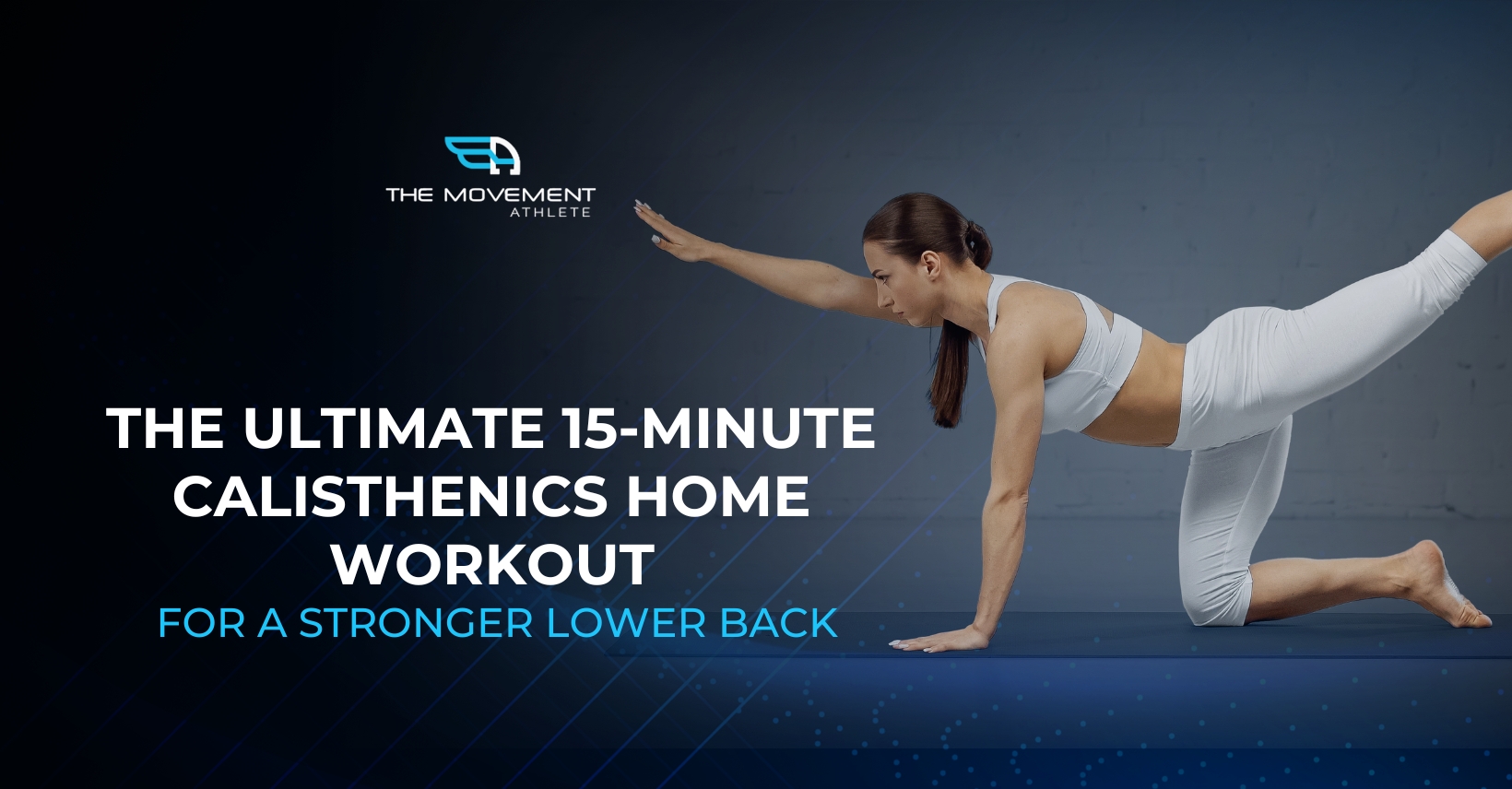
Credit: themovementathlete.com
Bodyweight Exercises
Strengthen the lower back at home with bodyweight exercises like supermans and bridges. These moves enhance posture and reduce discomfort. Simple and effective, they require no equipment and can be done anywhere.
Bodyweight exercises are a great way to strengthen the lower back at home. They require no equipment, making them accessible and convenient for everyone. These exercises enhance core stability, improve posture, and reduce back pain. Incorporating them into your routine can lead to noticeable improvements in your back health.Pelvic Tilts
Pelvic tilts are simple yet effective for the lower back. Start by lying on your back with knees bent and feet flat. Tighten your abdominal muscles, flattening your back against the floor. Hold this position for a few seconds, then release. Repeat to strengthen your core and ease tension.Superman Pose
The Superman pose targets the lower back and glutes. Lie face down with arms extended forward. Lift your arms, chest, and legs simultaneously, resembling Superman in flight. Hold for a few seconds, then lower. This pose strengthens and stabilizes your back muscles.Bird-dog Exercise
The bird-dog exercise boosts balance and core strength. Begin on all fours, hands under shoulders and knees under hips. Extend one arm forward while stretching the opposite leg back. Keep your body aligned. Hold briefly, then switch sides. This exercise enhances coordination and supports lower back health.Resistance Band Exercises
Strengthen your lower back at home with resistance band exercises. These versatile bands offer gentle yet effective workouts. Improve posture, reduce pain, and enhance flexibility with simple exercises like band good mornings and seated rows.
Resistance bands are versatile tools for home workouts. They are portable and affordable. These bands offer effective resistance for strengthening muscles. Using them for lower back exercises can be beneficial. They help improve posture and reduce pain. With the right exercises, you can target the lower back effectively.Good Mornings
Good Mornings with resistance bands engage your lower back and hamstrings. Start by standing on the band with feet shoulder-width apart. Hold the ends of the band in each hand. Keep your back straight, hinge at the hips, and lower your torso. This movement resembles bowing forward. Return to standing by pushing through your hips.Seated Rows
Seated Rows target the upper and lower back. Sit on the floor with legs extended. Loop the band around your feet and hold the ends. Keep your back straight and pull the band towards you. Your elbows should move past your sides. This exercise strengthens your back and improves posture.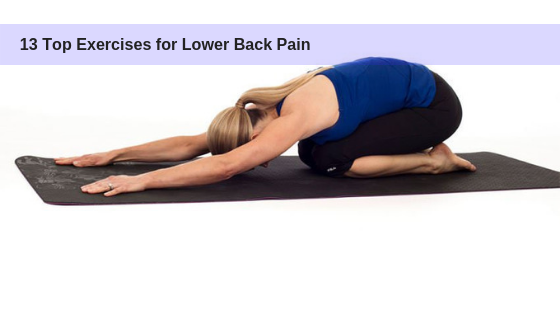
Credit: benchmarkphysio.com.au
Yoga Poses For Lower Back
Yoga poses can ease lower back pain and improve flexibility. They gently stretch and strengthen muscles, promoting balance and alignment. Practicing at home is convenient and effective. Let’s explore two beneficial poses.
Cat-cow Stretch
The Cat-Cow stretch is great for the spine. It increases flexibility and relieves tension.
Begin on all fours with hands under shoulders. Knees should be under hips. Inhale and arch your back, lifting your head and tailbone. This is the Cow position.
Exhale and round your spine, tucking your chin to your chest. This is the Cat position. Move slowly between these poses.
Repeat the stretch for 5 to 10 rounds. Focus on your breath. This stretch improves circulation and reduces stiffness.
Child’s Pose
Child’s Pose relaxes the lower back. It stretches hips, thighs, and ankles.
Kneel on the floor with big toes touching. Sit back on your heels. Spread knees hip-width apart.
Exhale and lay your torso between your thighs. Extend arms forward, palms facing down.
Rest your forehead on the mat. Hold the pose for a few deep breaths.
This pose calms the mind and eases lower back tension.
Core Strengthening Exercises
Strengthening the lower back is essential for overall core health. Exercises like bridges and supermans can be easily done at home. Focus on proper form to maximize benefits and prevent injury.
Core strengthening exercises are crucial for a strong lower back. They provide support and stability. Engaging the core helps prevent injuries. These exercises can be done easily at home. They don’t require special equipment.Plank Variations
Planks are excellent for core strength. Start with the basic plank. Lie face down. Lift your body using your forearms and toes. Keep your body straight. Hold this position for 30 seconds. Try side planks next. Lie on your side. Support your body on one forearm. Keep your body in a straight line. Hold for 30 seconds. Switch sides. Add variety with the plank with leg lift. Start in a basic plank. Lift one leg. Hold for a few seconds. Lower it back. Repeat with the other leg. This works the entire core.Dead Bugs
Dead bugs focus on core stability. Lie on your back. Raise your arms towards the ceiling. Lift your knees to a 90-degree angle. Lower your right arm and left leg slowly. Keep them just above the floor. Return to the start position. Repeat with the opposite arm and leg. Maintain a steady breathing pattern. Engage your core throughout the exercise. This improves balance and strength.Stretching For Flexibility
Stretching boosts flexibility, ensuring a healthy lower back. It eases tension and improves mobility. Regular stretching is key to maintaining a strong, flexible back. Let’s explore some effective stretches.
Knee-to-chest Stretch
This stretch targets your lower back and hips. Lie down on your back. Bend your knees and keep your feet flat. Hold one knee with your hands and gently pull it toward your chest. Hold this position for 15 seconds. Switch legs and repeat. This stretch relaxes the lower back muscles.
Piriformis Stretch
The piriformis muscle can cause lower back pain. To stretch it, lie on your back. Cross your right ankle over your left knee. Grab your left thigh with both hands. Pull it toward your chest. Hold for 15 seconds. Switch sides and repeat. This stretch relieves tension in the lower back.
Safety Tips
Maintain a flat back during exercises to prevent strain. Engage your core to support your lower back effectively. Use a yoga mat for comfort and stability while performing stretches.
Working out the lower back at home requires careful attention to safety. Proper technique prevents injuries and helps achieve better results. Start by understanding the basics of form and posture. Remember, safety must always come first. Here are essential tips to ensure your lower back workout remains safe and effective.Warm Up Properly
Begin each session with a warm-up. Engage in light cardio for five minutes. This prepares your muscles for the workout. Stretch gently to loosen your lower back. A proper warm-up reduces injury risk.Maintain Correct Form
Focus on keeping the right posture during exercises. Avoid rounding your back. Use a mirror to check your form. Correct posture enhances effectiveness and safety.Use Controlled Movements
Perform exercises slowly and deliberately. Avoid jerky movements. Controlled motions protect your back from strain. This approach ensures muscle engagement and reduces injury risk.Start With Low Intensity
Begin with lighter exercises. Gradually increase the intensity. This builds strength without overwhelming your muscles. Listen to your body and adjust accordingly.Stay Hydrated
Drink water before, during, and after your workout. Hydration supports muscle function. It also helps in maintaining energy levels. Proper hydration keeps your body performing optimally.Rest Between Sessions
Ensure adequate rest between workouts. Allow your muscles to recover fully. Rest prevents overuse and injury. Schedule regular breaks for maximum recovery.Seek Professional Advice
Consult a fitness professional if unsure. Proper guidance ensures safe exercise techniques. Expert advice helps tailor workouts to your needs. This enhances both safety and results.Creating A Weekly Routine
Creating a weekly routine for lower back workouts at home can boost strength and flexibility. Simple exercises like bridges, planks, and superman lifts target the lower back effectively. Consistency is key, ensuring gradual improvement and reduced risk of injury.
Creating a weekly routine for lower back workouts at home can boost your fitness journey. A structured plan ensures you target the muscles effectively. It helps in building strength gradually, reducing the risk of injury. Dedication and consistency play vital roles in achieving results. With a well-crafted routine, you can improve posture and alleviate back pain. Let’s explore how to set up your weekly lower back workout.Understanding Your Current Fitness Level
Evaluate your current fitness level before starting a routine. This helps tailor exercises to your needs. Beginners should start slowly, focusing on basic movements. Advanced individuals may include more challenging workouts. Adjust intensity based on personal comfort and goals.Choosing The Right Exercises
Select exercises that target lower back muscles effectively. Include a mix of stretching and strength training. Planks, bridges, and supermans are great options. Prioritize form over speed to prevent injuries. Consider incorporating yoga poses for flexibility.Setting Realistic Goals
Set clear and achievable goals for your routine. Aim for gradual progress over time. Start with shorter sessions and increase duration as you improve. Track progress weekly to stay motivated. Align goals with overall fitness objectives.Scheduling Your Workouts
Create a schedule that fits your lifestyle. Allocate specific days for lower back workouts. Ensure rest days are included for recovery. Consistency is key to seeing results. Morning workouts can boost energy for the day.Balancing Rest And Recovery
Recovery is essential for muscle growth and repair. Include rest days in your routine for optimal results. Listen to your body and adjust intensity if needed. Proper recovery prevents burnout and enhances performance.Monitoring Progress And Adjusting
Regularly assess your progress to stay on track. Keep a workout journal to record achievements. Modify your routine based on feedback and results. Celebrate milestones to maintain motivation. Adjust exercises to keep challenging your muscles. By creating a thoughtful weekly routine, you can effectively work out your lower back at home.Frequently Asked Questions
What Exercises Strengthen The Lower Back?
Exercises like bridges, supermans, and bird-dogs are effective for strengthening the lower back. These exercises target the muscles that support the spine. Perform these moves with proper form to avoid injury. Gradually increase repetitions as strength improves. Regular practice can enhance core stability and reduce back pain.
Can I Workout My Lower Back Without Equipment?
Yes, you can workout your lower back using bodyweight exercises. Bridges and supermans are great options for home workouts. These exercises require no equipment and are effective for building strength. Focus on form to maximize benefits and prevent injuries. Consistent practice can improve your lower back health.
How Often Should I Exercise My Lower Back?
Exercising your lower back two to three times a week is ideal. Allow rest days between sessions for muscle recovery. Gradually increase intensity as you gain strength. Consistency is key for building strength and preventing injuries. Listen to your body and adjust frequency as needed.
Are Lower Back Workouts Suitable For Beginners?
Yes, beginners can safely perform lower back exercises with proper guidance. Start with basic moves like bridges and supermans. Focus on form and controlled movements to avoid injury. Gradually increase difficulty as you become more comfortable. Consulting a professional can ensure safe practice.
Conclusion
Working out your lower back at home is simple and effective. Regular exercise strengthens muscles and improves posture. It reduces pain and discomfort. All you need is a bit of space and dedication. Start with basic exercises. Progress gradually as your strength improves.
Always listen to your body. Stop if you feel pain. Consistency is key to results. It’s important to stay patient. Results take time. Your lower back will thank you. Enjoy your new routine. Make it a part of your lifestyle.
Feel better every day. Stay healthy and active. Your journey to a stronger back begins now!