Imagine waking up each day feeling limber and free, ready to embrace whatever comes your way. You might think that achieving such flexibility requires hours of intense stretching, but the secret lies in varying your yoga practice daily.
This approach not only boosts your overall flexibility but also keeps your routine fresh and engaging. You’ll discover simple yet effective ways to shake up your yoga sessions, transforming your practice from predictable to dynamic. By the end, you’ll have a toolkit of strategies that can make you more adaptable—not just in your body, but in life itself.
Curious to find out how? Keep reading to unlock the secrets to a more flexible you.
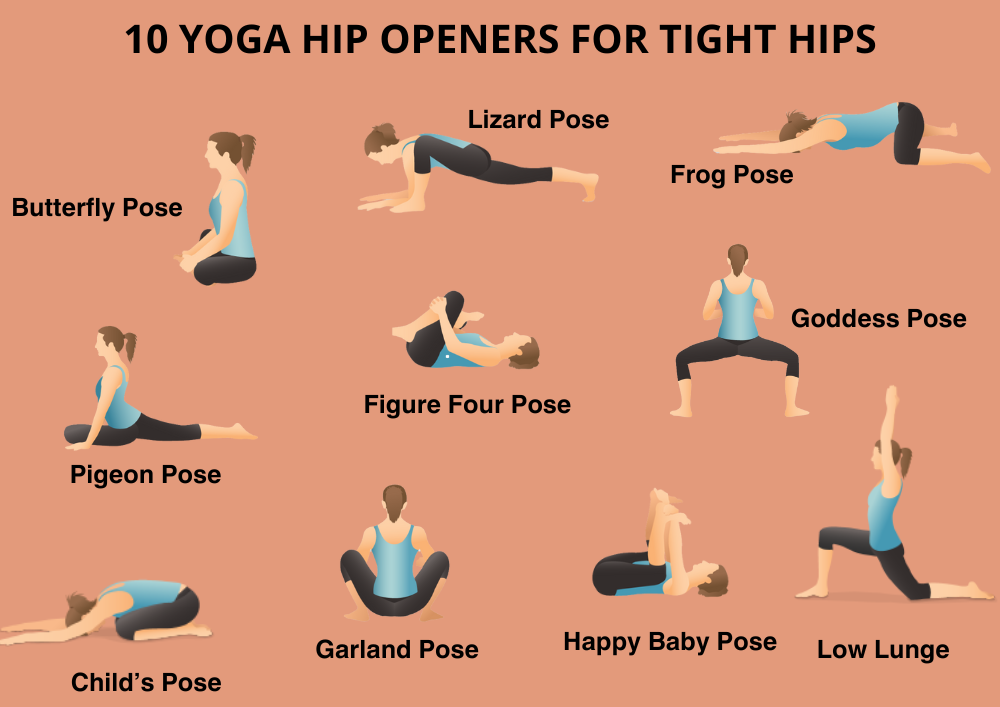
Credit: myyogateacher.com
Benefits Of Daily Yoga Practice
Yoga isn’t just a workout—it’s a lifestyle that can transform your body and mind. Practicing yoga daily can bring numerous benefits, helping you to stay flexible, agile, and strong. With each pose, you open up new possibilities for your health and wellbeing. Let’s delve into some specific advantages of integrating yoga into your daily routine.
Enhanced Flexibility
Daily yoga practice stretches your muscles and joints, gradually increasing your flexibility. You’ll notice that movements become easier and more fluid over time. Imagine being able to reach for something on the top shelf without a struggle or touch your toes effortlessly. Flexibility isn’t just about physical ease; it’s about feeling more comfortable in your own skin. How would more flexibility change your daily life?
Improved Agility
Agility goes beyond the physical—it’s about how swiftly you can adapt to changes and challenges. Consistent yoga practice trains your body to move with precision and grace. Consider how yoga sequences improve your balance and coordination, making everyday tasks less cumbersome. Whether it’s weaving through a crowded street or catching an unexpected curveball, yoga enhances your ability to respond swiftly.
Increased Strength
Yoga builds strength using your own body weight, targeting muscles you might not engage in typical workouts. Feel the burn in poses like plank or warrior, and watch as your strength grows. Yoga doesn’t bulk you up; it tones and strengthens your muscles in a balanced way. Picture yourself holding a pose longer, feeling the power in your core, arms, and legs. Where can this newfound strength take you?
Choosing The Right Yoga Styles
Explore diverse yoga styles to improve daily flexibility. Mix Hatha for balance, Vinyasa for flow, and Yin for deep stretches. Tailor practices to suit your body’s needs, enhancing overall flexibility through varied routines.
Choosing the right yoga style is crucial for enhancing flexibility. Different styles target various aspects of your physical and mental well-being. Understanding these can help you select the one that fits your needs best. Each yoga style offers unique benefits, whether you’re a beginner or an experienced practitioner.Hatha Yoga For Beginners
Hatha Yoga is ideal for those new to yoga. It focuses on basic postures and alignment. This style is gentle and slow-paced. It helps build a solid foundation for your practice. Hatha Yoga increases flexibility gradually. It also improves breathing and relaxation techniques.Vinyasa Flow For Coordination
Vinyasa Flow connects movement with breath. It involves a sequence of poses that flow smoothly. This style enhances coordination and balance. Vinyasa is dynamic, keeping your mind engaged. It helps in building a strong connection between body and mind. Practicing regularly boosts flexibility and stamina.Ashtanga For Strength Building
Ashtanga Yoga is rigorous and structured. It follows a set sequence of postures. This style is excellent for building strength and flexibility. Ashtanga involves intense physical effort. It improves muscle tone and endurance. Practicing Ashtanga regularly enhances core strength and focus.Incorporating Different Poses
Explore different yoga poses to enhance flexibility. Each pose stretches different muscles, improving overall body movement.
Incorporating different yoga poses into your daily routine is a fantastic way to enhance overall flexibility. Each pose targets specific muscle groups, allowing for a balanced and comprehensive workout. By varying your practice, you can address different areas of the body, leading to greater flexibility and strength.Forward Bends For Hamstrings
Forward bends are excellent for stretching the hamstrings. Try poses like the Standing Forward Bend (Uttanasana) or Seated Forward Bend (Paschimottanasana). These poses gently lengthen the back of your legs and can be particularly effective if you spend a lot of time sitting. A tip: bend your knees slightly if you feel tension in the lower back. This adjustment can make the stretch more accessible and enjoyable. Notice how your flexibility improves over time with consistent practice.Backbends For Spine Flexibility
Backbends are crucial for maintaining a flexible spine. They counteract the effects of daily activities like sitting or hunching over a computer. Begin with poses like Cobra (Bhujangasana) or Bridge Pose (Setu Bandhasana). For deeper stretches, progress to Wheel Pose (Urdhva Dhanurasana). Remember to engage your core and lift your chest for a safe and effective backbend. How does your spine feel after a week of regular backbends?Twists For Core Strength
Twists are not only invigorating but also help in building core strength. Simple poses like the Seated Spinal Twist (Ardha Matsyendrasana) can enhance your digestion and detoxify the body. Feel the twist originate from your core rather than your shoulders. Try a Revolved Triangle (Parivrtta Trikonasana) for a more challenging twist. Engage your abdominal muscles to deepen the twist and stabilize your balance. Have you noticed how twists can leave you feeling refreshed and energized? Incorporating these diverse poses ensures a well-rounded practice, promoting flexibility and strength throughout the body. Don’t just stick to one type of pose—explore the variety to keep your practice exciting and effective.Using Props And Modifications
Using props and modifications in yoga can boost flexibility effectively. These tools help deepen poses safely, making them accessible to everyone. Whether you’re new or experienced, props offer support, ensuring proper alignment. They allow gradual progress, preventing strain or injury. Explore various props to enhance your practice and improve overall flexibility.
Blocks For Balance
Yoga blocks are versatile aids for achieving better balance. They elevate the floor, bringing it closer to your reach. This helps maintain stability in poses like Triangle or Half Moon. Beginners find blocks useful for grounding themselves. Advanced practitioners use them to deepen stretches. Choose blocks made from foam or cork for comfort and stability.
Straps For Stretching
Straps are perfect for enhancing your stretch in difficult poses. They extend your arms’ reach, helping you achieve proper alignment. Use straps in forward folds to maintain a straight back. They also support deep stretches in seated poses. Adjust the strap’s length according to your flexibility level. Ensure a firm grip to prevent slipping.
Wall Support For Stability
The wall offers excellent support for balancing poses. It provides a stable surface for practicing challenging postures. Use the wall for Tree Pose to maintain alignment. It also assists in inversions like Handstand or Headstand. Beginners gain confidence with the wall’s support. It helps advanced yogis refine their technique.
Creating A Balanced Routine
Creating a Balanced Routine Incorporating diverse yoga poses daily enhances flexibility. Focus on different muscle groups each day. This approach prevents monotony and supports overall body flexibility.
Creating a balanced yoga routine boosts overall flexibility. It ensures each muscle group gets attention. A well-rounded practice includes warm-ups, various poses, and a consistent schedule.Warm-up And Cool-down Stretches
Warm-ups prepare your body for movement. They increase blood flow to muscles. Start with gentle stretches like neck rolls or arm circles. These help prevent injuries. After your session, cool down with deep stretches. Focus on areas worked during practice. This aids in muscle recovery and relaxation.Combining Static And Dynamic Poses
Mix static and dynamic poses for balanced flexibility. Static poses involve holding a position. They improve strength and endurance. Examples include Tree Pose or Warrior II. Dynamic poses involve movement and flow. They enhance flexibility and coordination. Sun Salutations and Cat-Cow are great choices. This combination keeps your practice varied and engaging.Setting A Consistent Schedule
Consistency is key to progress in yoga. Set a regular schedule that fits your lifestyle. Aim for at least three sessions per week. Short sessions are better than long, infrequent ones. Consistent practice develops muscle memory and flexibility. Track your progress and adjust your routine as needed. This helps in maintaining motivation and achieving your goals.
Credit: www.yogabasics.com
Mindfulness And Breathing Techniques
Mindfulness and breathing techniques enhance yoga practice for flexibility. Varying poses daily promotes both physical and mental agility. Focus on gentle stretches to improve overall well-being.
Mindfulness and breathing techniques are vital for enhancing yoga practice. These techniques help in achieving overall flexibility. By focusing on the breath and being present, you deepen your yoga experience. This focus calms the mind and improves concentration. Let’s explore how to incorporate these techniques into your daily routine.Pranayama For Breath Control
Pranayama involves controlling the breath to enhance mental clarity. It is an essential part of yoga practice. Start by sitting comfortably with a straight back. Close your eyes and focus on your breath. Inhale deeply through the nose and exhale slowly. Repeat this process to relax your mind and body. Regular practice increases lung capacity and reduces stress.Meditation For Focus
Meditation helps in centering your thoughts during yoga. Begin by finding a quiet space free of distractions. Sit in a comfortable position and close your eyes. Direct your attention to your breath or a mantra. When your mind wanders, gently bring it back. This practice builds mental resilience and improves focus. A few minutes a day can make a difference.Integration In Daily Practice
Incorporate mindfulness and breathing into your yoga sessions. Start each session with a few minutes of pranayama. This sets the tone for your practice. Throughout your session, maintain focus on your breath. This keeps you grounded and aware. Finish with a brief meditation. It seals the benefits of your practice and enhances flexibility over time. Consistency is key for long-term benefits.Adapting To Personal Needs
Tailor your yoga routine by incorporating varied poses each day. This approach enhances flexibility and personalizes your practice. Mix different styles and movements to target diverse muscle groups.
Adapting to personal needs in yoga practice is like crafting a routine that resonates uniquely with your body and mind. It’s about tuning into what your body whispers on different days and adjusting your practice accordingly. By customizing yoga to meet your specific needs, you not only enhance flexibility but also cultivate a more meaningful and sustainable practice.Listening To Your Body
Your body knows best, and it’s crucial to listen to it. Some days, your muscles might feel tight, while on others, you might feel more open and ready to stretch further. Pay attention to these signals, and let them guide your practice. Have you ever noticed how your body responds differently to the same pose on different days? Recognizing these variations can help you decide which poses to deepen and which to ease off. Your body is your best teacher—listen and learn.Adjusting Intensity Levels
Yoga is not a one-size-fits-all practice. Adjust the intensity of your sessions based on your energy levels and flexibility. If you’re feeling energetic, challenge yourself with more dynamic poses. On days when you’re feeling fatigued, focus on gentler, restorative poses to rejuvenate your body. This flexibility in approach prevents burnout and keeps your practice enjoyable and sustainable.Recognizing Progress
Tracking progress is motivating. Notice how your flexibility improves with consistent practice. It’s not just about touching your toes but feeling more at ease in your body. Celebrate small victories, like holding a pose longer or reaching a bit further than before. These milestones are testament to your commitment and adaptability. How do you measure your progress in yoga, and what victories have you celebrated recently?Tracking Progress And Setting Goals
Varying yoga routines daily can boost overall flexibility. Set goals to track progress and adjust poses regularly. Focus on different muscle groups to ensure balanced development and prevent routine fatigue.
Tracking your progress and setting clear goals in your yoga journey can significantly enhance your overall flexibility. By understanding where you stand and where you want to go, you can tailor your practice to meet your unique needs. This not only keeps you motivated but also helps in achieving tangible results over time.Keeping A Yoga Journal
Maintaining a yoga journal is a powerful tool for tracking your progress. Write down the poses you practice daily and note any difficulties or improvements. By regularly reviewing your entries, you can identify patterns and make informed adjustments to your routine. Consider including details like the duration of your practice, how your body feels, and any mental or emotional shifts. This will give you a holistic view of your journey. A journal can also serve as a motivational tool, reminding you of how far you’ve come.Setting Short-term And Long-term Goals
Setting both short-term and long-term goals can provide structure to your practice. Short-term goals might include mastering a specific pose or increasing your hold time. Long-term goals could focus on overall flexibility improvement or achieving a challenging sequence. Be realistic and specific with your goals. Instead of aiming to become more flexible, target touching your toes within a month. This specificity helps in maintaining focus and measuring success.Celebrating Achievements
Celebrating your achievements, no matter how small, is crucial in maintaining motivation. Did you finally master that elusive pose? Recognize it as a milestone in your journey. Create a reward system for yourself. It could be as simple as a relaxing bath or a new yoga mat. Celebrating helps reinforce positive behavior and keeps your practice enjoyable. Tracking your progress and setting goals not only enhances your flexibility but also transforms your yoga practice into a rewarding journey. What are your next milestones?Common Mistakes To Avoid
Mixing different yoga poses daily can enhance flexibility. Avoid sticking to the same routine. Incorporate diverse stretches to challenge various muscle groups effectively.
Yoga is a fantastic way to enhance flexibility. Many beginners often make mistakes that can hinder progress. It’s important to recognize these pitfalls to make the most of your yoga practice. This section highlights some common mistakes to avoid for a safe and effective routine.Overstretching Risks
Overstretching can lead to injuries. Many enthusiasts push their limits to achieve quick results. This approach can cause strains or tears in muscles. Instead, focus on gradual progress. Listen to your body and respect its boundaries. Stretching should feel gentle and comfortable.Ignoring Pain Signals
Pain is a warning sign. Ignoring it can worsen injuries. If a pose feels painful, stop immediately. Modify the pose or consult a yoga instructor for guidance. Pain is not a sign of progress. Always prioritize safety over achieving a perfect pose.Skipping Rest Days
Rest days are crucial for recovery. They prevent fatigue and muscle strain. Practicing yoga daily without breaks can lead to burnout. Ensure you incorporate rest days into your schedule. They help maintain balance and improve overall flexibility. Rest rejuvenates both the mind and body.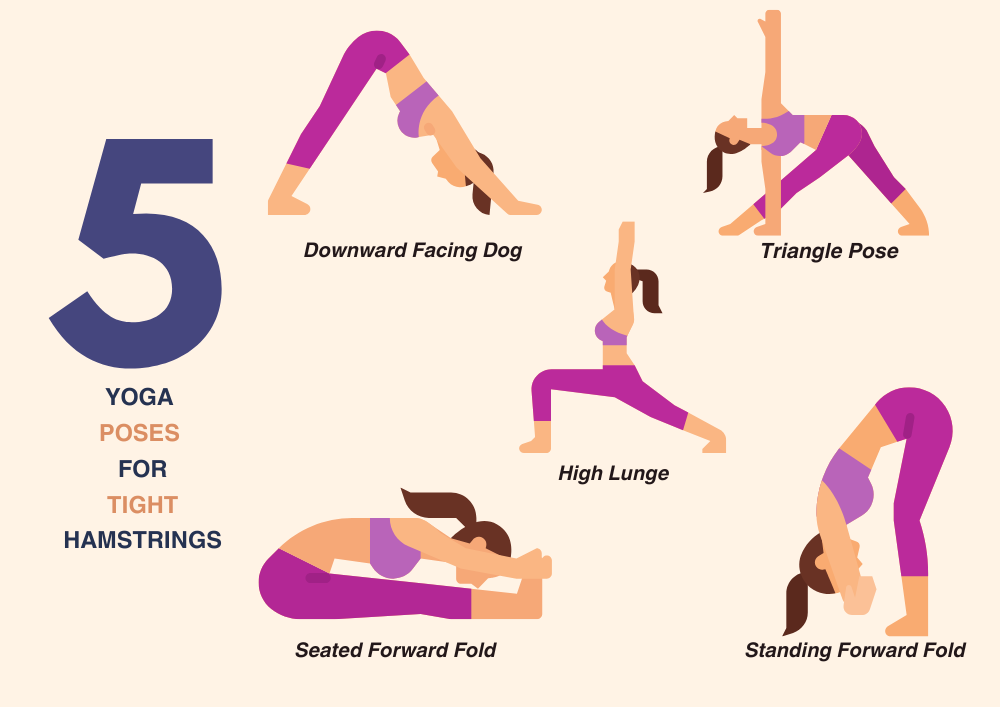
Credit: myyogateacher.com
Frequently Asked Questions
How Can Daily Yoga Improve Flexibility?
Daily yoga stretches your muscles, enhancing flexibility over time. Regular practice helps loosen tight areas, increasing range of motion. Consistency is key; even short sessions benefit flexibility. Incorporate varied poses targeting different muscle groups. This ensures balanced improvement across your body, promoting overall flexibility and reducing the risk of injury.
Which Yoga Poses Boost Overall Flexibility?
Certain poses significantly improve flexibility. Try Downward Dog, Pigeon Pose, and Cat-Cow stretches. These target key areas like hamstrings, hips, and spine. Incorporate them into your routine regularly. Consistent practice enhances your body’s ability to stretch, ensuring gradual, lasting improvements in flexibility and overall physical balance.
Can Yoga Help With Muscle Stiffness?
Yes, yoga effectively combats muscle stiffness. Regular practice helps relax and lengthen tight muscles. It promotes circulation, reducing stiffness over time. Focus on gentle poses and deep breathing. This combination aids in loosening tense areas, improving comfort and mobility. Yoga’s holistic approach supports overall physical relaxation and ease.
How Often Should I Practice Yoga For Flexibility?
Practicing yoga 3-4 times a week enhances flexibility effectively. Consistency ensures gradual progress without overstraining. Even short daily sessions contribute to improvement. Adjust frequency based on your body’s response. Listen to your body, ensuring balanced practice. Regular engagement promotes sustained flexibility and supports overall physical well-being.
Conclusion
Yoga offers varied poses for daily flexibility. Each day brings fresh challenges. Different movements stretch and strengthen muscles. Consistent practice enhances overall body flexibility. Try new poses regularly. Stay mindful while moving. Listen to your body’s needs. Balance effort with relaxation.
Small steps lead to progress. Enjoy the journey of growth. Feel confident with your routine. Yoga improves both flexibility and peace. Keep exploring new yoga styles. Personalize your practice. Embrace the changes you feel. Practicing yoga daily transforms your life.
Build a flexible body and calm mind.