
Feeling like a pretzel isn’t a requirement to start yoga. You might think you need to touch your toes or twist into a human knot, but that’s just not true.
Yoga is about starting where you are, not where you think you should be. If your flexibility is more like a plank than a rubber band, don’t worry—you’re not alone. Many people hesitate to try yoga because they fear they aren’t bendy enough.
But here’s the secret: yoga is for everyone, including you. Imagine the peace and relaxation you could feel, regardless of how flexible you are. Ready to discover how yoga can fit into your life, no matter your current flexibility? Keep reading to find out how to ease into yoga without feeling overwhelmed or intimidated.
Benefits Of Yoga For Inflexible Beginners
Starting yoga as an inflexible beginner improves flexibility gradually. Simple poses ease tension and enhance strength, making everyday movements easier. With consistent practice, you’ll notice better posture and reduced stress.
Starting yoga when you are not flexible might seem daunting. Yet, yoga offers numerous benefits for beginners who are less flexible. It helps increase flexibility gradually, improves overall health, and boosts mental clarity. Yoga is not just about bending and stretching; it’s about finding balance and peace within. Let’s explore how yoga can be beneficial for those who think they lack flexibility.Improved Flexibility
Yoga gradually enhances your flexibility. Even basic poses can help. With consistent practice, muscles lengthen and become more pliable. This improvement reduces stiffness and increases range of motion.Enhanced Strength
Yoga builds strength. Holding poses strengthens muscles. Over time, you develop better physical endurance. Stronger muscles support joints and reduce injury risk.Better Posture
Yoga helps improve posture. Many yoga poses focus on alignment. This teaches you how to stand, sit, and move with better posture. Good posture reduces back pain and boosts confidence.Stress Relief
Yoga is a great stress reliever. Breathing exercises calm the mind. They help reduce anxiety and promote relaxation. A calm mind leads to better focus and clarity.Increased Body Awareness
Yoga increases body awareness. You learn how your body moves. This awareness helps in everyday activities. It improves coordination and balance.Boosted Energy Levels
Yoga boosts energy. Regular practice invigorates the body and mind. You feel more alert and active throughout the day.Better Sleep Quality
Yoga improves sleep. Relaxing poses and breathing techniques help unwind. Better sleep enhances mood and overall well-being.Community And Support
Yoga classes offer community support. Instructors guide you through poses. Fellow beginners share experiences. This support encourages continued practice and growth.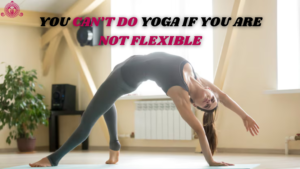
Credit: www.himalayanyogashram.com
Choosing The Right Style
Discover yoga styles that suit your flexibility level. Gentle yoga or beginner classes can ease you into practice. Adapt poses with props for comfort and safety.
Choosing the Right Style Starting yoga can feel daunting, especially if you’re not flexible. But remember, yoga is about progress, not perfection. The first step in your journey is choosing a style that suits your needs and comfort level. Different styles cater to various physical abilities and personal goals. By selecting the right style, you lay the foundation for a rewarding practice that enhances both your body and mind.Gentle Yoga
Gentle Yoga is perfect for beginners seeking a soft introduction. It emphasizes slow, mindful movements and deep breathing. This style can help you gradually improve flexibility without straining your muscles. Imagine slowly stretching your arms overhead, feeling your spine lengthen in a comfortable, supportive environment. It’s a practice that embraces patience and self-compassion, allowing you to listen to your body’s needs.Restorative Yoga
Restorative Yoga offers deep relaxation. It uses props like blankets and bolsters to support your body in various poses. This style focuses on releasing tension rather than building flexibility. Picture yourself lying back on a bolster, eyes closed, as you let go of stress and tightness. It’s an excellent choice if you want to unwind and recharge after a long day. Restorative Yoga encourages you to embrace stillness, teaching you the art of letting go and finding peace in simplicity.Hatha Yoga
Hatha Yoga is a balanced approach that introduces you to fundamental poses and techniques. It includes a mix of standing, seated, and lying poses, fostering strength and flexibility. Visualize standing tall in Mountain Pose, grounding your feet while reaching for the sky. Hatha Yoga allows you to explore your physical limits gradually, making it accessible even if you’re not flexible. This style is a gateway to understanding your body and its potential, encouraging you to celebrate small victories in your practice.Essential Equipment
Starting yoga requires just a mat and comfortable clothing. Blocks and straps help ease into poses. These tools offer support and aid flexibility, especially for beginners.
Starting yoga when you’re not flexible can feel intimidating, but having the right equipment can make all the difference. Investing in essential tools will support your practice and help you progress safely. Let’s explore what you need to get started and why each piece is important for your yoga journey.Yoga Mat
A quality yoga mat provides the foundation for your practice. It offers cushioning for your joints and helps prevent slipping, especially as you begin to sweat. Look for a mat with good grip and thickness that suits your comfort preference. Have you ever tried balancing poses on a slippery surface? It can be quite challenging! A reliable mat gives you the stability to focus on your poses, not on staying upright. Choose a color or design that inspires you to unroll it regularly.Blocks And Straps
Blocks and straps are fantastic tools to enhance flexibility and alignment. They bring the ground closer when you can’t quite reach it, allowing you to maintain proper form. Straps help you extend your reach and deepen stretches safely. Imagine trying to touch your toes and falling short by a few inches. A block bridges that gap, making the pose accessible and reducing strain. Straps are like an extension of your arms, helping you achieve poses you might otherwise avoid.Comfortable Clothing
What you wear can significantly impact your yoga experience. Opt for comfortable, stretchy clothing that allows you to move freely. Avoid anything too loose that might get in the way during poses. Have you ever felt restricted by your clothes during a workout? It’s distracting and uncomfortable. Choose breathable fabrics that wick away sweat, so you stay cool and focused. Your attire should empower you to embrace each pose with confidence. By thoughtfully selecting your yoga equipment, you’re setting yourself up for a practice that’s not only effective but enjoyable. Are you ready to roll out your mat and take the first step towards a more flexible you?Simple Poses To Start With
Begin your yoga journey with simple poses designed for all levels. Child’s Pose and Cat-Cow stretch offer gentle introductions. These foundational moves promote flexibility and ease into yoga practice without stress.
Starting yoga when you’re not flexible might feel intimidating, but remember, yoga is not about reaching your toes; it’s about the journey of self-discovery and improvement. The key is to begin with simple poses that allow you to gradually build flexibility and strength. These beginner-friendly poses offer a foundation to grow from, ensuring you feel comfortable and confident on your yoga mat.Mountain Pose
Mountain Pose is a grounding position that helps establish balance and focus. Stand tall with your feet hip-width apart. Imagine a string pulling you upwards from the crown of your head. Roll your shoulders back and down, keeping your arms relaxed by your sides. Feel the strength in your legs supporting you. This pose encourages awareness of your posture, making it a perfect start to your yoga journey.Child’s Pose
Child’s Pose offers a gentle stretch and a moment of calm. Kneel on your mat, bringing your big toes to touch and knees apart. Extend your arms forward and lower your torso between your thighs. Rest your forehead on the mat. Allow your breath to deepen, releasing tension from your back and shoulders. This pose is a comforting retreat whenever you need a break during your practice.Cat-cow Stretch
Cat-Cow Stretch is excellent for warming up your spine and easing stiffness. Begin on your hands and knees in a tabletop position. Inhale, arch your back, and lift your tailbone and head towards the ceiling (Cow Pose). Exhale, tuck your chin to your chest, and round your spine like a cat stretching (Cat Pose). Flow between these movements, syncing with your breath. It’s a simple yet effective way to introduce flexibility in your practice. These poses are stepping stones to a more flexible you. Remember, yoga is a personal journey, so embrace each pose with openness and patience. As you practice, ask yourself, how does each movement make you feel? Enjoy the process, and celebrate each small progress.Modifications For Flexibility
Starting yoga when you’re not flexible can feel daunting, but with the right modifications, anyone can enjoy and benefit from the practice. Flexibility isn’t a prerequisite; it’s a journey. Modifications allow you to tailor poses to your current range of motion, making yoga accessible and enjoyable. Whether you’re using props or adjusting postures, small changes can make a big difference. Let’s explore how you can adapt your yoga practice to suit your flexibility level.
Using Props
Props like blocks, straps, and bolsters are your best friends in yoga. They help bridge the gap between where you are now and where you want to be in your practice.
- Blocks:These can lift the ground closer to you. Use a block under your hands in poses like Triangle or Forward Fold. They provide stability and prevent strain.
- Straps:Perfect for poses like Seated Forward Bend. Loop a strap around your feet to assist in reaching forward without compromising posture.
- Bolsters:Offer support in restorative poses. They help maintain alignment and comfort during longer holds.
Props don’t indicate weakness—they’re tools that empower your practice. Have you ever felt discouraged by difficult poses? By integrating props, you allow yourself to progress at a comfortable pace.
Adjusting Postures
Sometimes, it’s not about the pose itself but how you approach it. Adjustments can make all the difference in achieving a safe and effective practice.
- Shorten your stance:In poses like Warrior II, bring your feet closer. This reduces strain on your legs and helps you maintain balance.
- Modify the depth:In poses such as Downward Dog, bend your knees slightly. This takes pressure off tight hamstrings and lets you focus on elongating your spine.
- Align with your breath:Use your breath to guide your movements. Inhale to lengthen and exhale to deepen—this natural rhythm aids in easing into poses.
Adjusting postures is about listening to your body. What areas feel tight today? By being mindful of your body’s signals, you can make the necessary changes that enhance your yoga experience.
Remember, yoga is not a race towards flexibility. It’s a personal journey. Each modification you make is a step towards a more fulfilling practice. How will you adapt your practice today?

Credit: www.instagram.com
Creating A Routine
Starting yoga without flexibility is possible by creating a simple routine. Begin with gentle stretches and easy poses. Gradually build confidence and flexibility over time.
Creating a Routine Embarking on a yoga journey without the flexibility of a gymnast might seem daunting, but creating a routine can make it manageable and enjoyable. Consistency is key when starting yoga, especially if you’re looking to improve flexibility. By designing a routine that fits into your daily life, you can slowly but steadily work towards your goals.Setting A Schedule
Decide on a time of day when you feel most energized. Morning yoga can invigorate you for the day ahead, while evening sessions might help you wind down. Start small. Commit to just 10-15 minutes a day. As you get more comfortable, gradually increase the duration. Use reminders. Set alarms on your phone or add yoga to your daily planner to help establish this new habit.Finding A Comfortable Space
Choose a quiet, clutter-free area in your home for your practice. It doesn’t have to be a dedicated yoga room, just a spot where you feel at ease. Make it inviting. Lay down a yoga mat, add some cushions, or light a candle to create a calming atmosphere. Consider outdoor sessions. Practicing yoga in a garden or park can be refreshing and bring you closer to nature. Creating a routine tailored to your needs can transform your yoga practice from a daunting task into a delightful habit. What small change can you make today to start your yoga journey?Finding A Supportive Community
Starting yoga when you’re not flexible can be daunting. But finding a supportive community can make all the difference. A group of like-minded individuals can motivate and inspire you to keep going, even on challenging days.
Sharing your journey with others brings a sense of belonging. You can swap tips, learn new techniques, and celebrate milestones together. But where do you find such a community?
Online Classes
Online yoga classes are a fantastic way to connect with people worldwide. These platforms often offer forums or chat groups where you can engage with fellow yogis. You can participate in live sessions, allowing real-time interaction with instructors and classmates.
Look for instructors who emphasize inclusivity and cater to all skill levels. This ensures you feel comfortable and supported, regardless of your current flexibility. Some platforms even have specific classes designed for beginners or those who struggle with flexibility.
Isn’t it amazing to think you can practice alongside someone in another part of the world? This global network can be a rich source of encouragement and inspiration.
Local Yoga Studios
Local yoga studios offer a more personal touch. Attending classes in person allows you to build deeper connections with instructors and classmates. You can ask for guidance and immediate feedback on your poses.
Many studios offer beginner-friendly classes or workshops. These sessions focus on flexibility and gently ease you into the practice. Don’t hesitate to introduce yourself and share your goals with your instructor.
Communicating your concerns can lead to tailored advice and adjustments. Plus, being part of a local community often opens doors to social events or yoga retreats that further strengthen your bonds.
Have you considered visiting a local studio to see if it feels like a good fit for you? It’s a great way to experience the energy and support firsthand.

Credit: www.instagram.com
Staying Motivated
Starting yoga without being flexible is possible. Begin with gentle stretches and poses. Regular practice will gradually enhance your flexibility, making yoga more comfortable and enjoyable.
Staying motivated when starting yoga, especially if you’re not naturally flexible, can feel like an uphill battle. But the secret is in celebrating progress, no matter how small. Motivation doesn’t just appear; it’s cultivated through consistent effort and recognizing your achievements along the way.Tracking Progress
Documenting your yoga journey can be a game-changer. Keep a journal or take photos to observe how your poses improve over time. When you see how far you’ve come, it fuels your motivation to keep going. You might notice that a pose that seemed impossible is now part of your routine. Consider using an app to track your sessions. This not only helps you stay consistent but also gives you a tangible record of your dedication.Celebrating Small Wins
Every improvement, no matter how minor it seems, deserves a celebration. Did you hold a pose longer today? That’s a win! Share your achievements with friends or a yoga community. Their encouragement can boost your confidence and enthusiasm. Reward yourself for reaching milestones. Whether it’s a new yoga mat or a soothing bath, acknowledging your efforts reinforces your commitment. Remember, yoga is about progress, not perfection. Each step forward is a victory in your journey. How will you celebrate your next small win?Overcoming Common Challenges
Starting yoga with limited flexibility is possible by focusing on gentle stretches and beginner poses. Consistent practice helps improve flexibility and build confidence. Embrace modifications and use props to aid movements and prevent strain.
Starting yoga when you aren’t flexible can be intimidating, but it’s an achievable endeavor. Many beginners face common challenges that can discourage them from starting or continuing their yoga practice. Understanding these challenges and finding ways to overcome them can help you cultivate a rewarding yoga routine. Embrace the journey with an open mind, and you’ll discover that flexibility isn’t just physical.Dealing With Self-doubt
Feeling unsure about your abilities is natural when starting something new. You might question whether you’re ‘doing it right’ or compare yourself to others. Remember that yoga is a personal journey, not a competition. Everyone starts at a different point, and progress looks different for each person. Consider setting small, achievable goals to build your confidence. Celebrate each milestone, no matter how minor it seems. Trust your body and its potential to adapt and grow with practice. Ask yourself: what’s the worst that could happen if you tried?Managing Time Constraints
Life gets busy, and finding time for yoga can be challenging. However, even a brief session can be beneficial. You don’t need an hour-long class to reap yoga’s benefits. Try fitting in short sessions—perhaps 10 minutes in the morning or before bed. Consider using free moments during the day for quick stretches or deep breathing. Creating a schedule can also help in prioritizing yoga practice amidst daily tasks. Think about your daily activities and identify opportunities to integrate yoga. What small changes can you make to carve out time for yourself?Frequently Asked Questions
Can Beginners Do Yoga Without Flexibility?
Absolutely, beginners can start yoga even if they’re not flexible. Yoga helps improve flexibility over time. Focus on gentle poses and breathing techniques. It’s about progress, not perfection. Consistency is key; your flexibility will naturally enhance as you practice regularly.
What Are Easy Yoga Poses For Inflexible People?
Start with simple poses like Child’s Pose, Cat-Cow, and Mountain Pose. These poses are gentle and improve flexibility gradually. They also help you build strength and balance. Practice them regularly to see improvement in your flexibility and overall wellness.
How Can Yoga Improve Flexibility?
Yoga stretches muscles and joints, increasing flexibility over time. Regular practice lengthens and strengthens muscles, promoting better range of motion. Focus on consistent practice rather than immediate results. With patience, you’ll notice significant flexibility improvements and enhanced physical health.
Is Yoga Safe If I’m Not Flexible?
Yes, yoga is safe for all levels of flexibility. Choose poses that match your comfort level and progress gradually. Listen to your body and avoid pushing too hard. Yoga instructors can guide modifications to ensure safety and effectiveness for your specific needs.
Conclusion
Yoga is for everyone, even if you’re not flexible. Starting small helps. Focus on breathing and gentle movements. Listen to your body. Patience is key; flexibility grows over time. Celebrate small improvements. Seek guidance from instructors or online videos. Enjoy the journey, not just the destination.
Remember, yoga is about balance and peace, not just poses. You are capable of more than you think. Keep practicing and stay positive. Flexibility is just a part of the yoga journey. Embrace it with an open heart and mind.