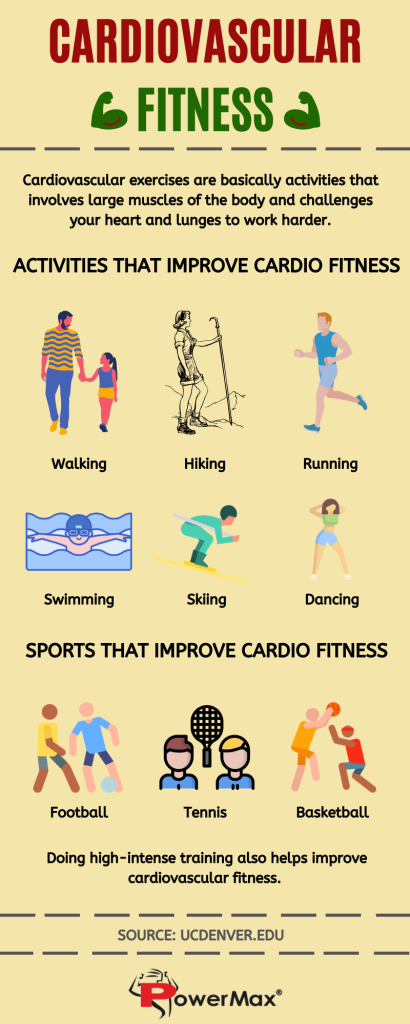
Are you ready to boost your heart health and energy levels, but not sure where to start? Training for cardio endurance can feel overwhelming, especially when you’re bombarded with conflicting advice.
This guide will simplify the process, giving you clear and actionable steps to kickstart your cardio journey. Imagine running up stairs without losing your breath or keeping up with your kids without breaking a sweat. By the end of this article, you’ll have a roadmap to enhance your stamina and elevate your fitness game.
Let’s dive in and unlock the secrets to a healthier, more energetic you.
Credit: www.hollandandbarrett.com
Benefits Of Cardio Endurance
Building cardio endurance boosts heart health and enhances stamina. Begin with brisk walking or cycling. Gradually increase intensity and duration for improved endurance.
Cardio endurance is more than just a buzzword in the fitness community. It’s a cornerstone of a healthy lifestyle that can transform your daily life. Understanding the benefits can motivate you to lace up those sneakers and hit the pavement or treadmill with renewed enthusiasm.Improved Heart Health
Cardio endurance training strengthens your heart, making it more efficient. When you engage in regular cardio exercises, your heart pumps more blood with each beat. This reduces stress on your heart, lowering the risk of heart disease.Enhanced Lung Capacity
With consistent cardio workouts, your lungs become more efficient at taking in oxygen. This improved lung capacity means better stamina and performance in physical activities. Imagine running a mile without feeling winded.Increased Energy Levels
Ever notice how a good workout leaves you feeling more energetic? Cardio endurance boosts your energy by increasing your body’s ability to transport oxygen to your muscles. This means less fatigue and more zest throughout your day.Weight Management
Cardio is a powerful tool for burning calories and managing weight. When combined with a balanced diet, it can help you shed unwanted pounds. It’s a straightforward way to keep your weight in check while enjoying your favorite activities.Mental Health Benefits
Cardio doesn’t just benefit your body; it’s a boon for your mind too. Exercise releases endorphins, which are natural mood lifters. You might find that your outlook becomes brighter and stress levels decrease after a good cardio session.Better Sleep Quality
Struggling with sleepless nights? Cardio can help you fall asleep faster and enjoy deeper sleep. It resets your body clock, ensuring you wake up refreshed and ready to tackle the day.Stronger Immune System
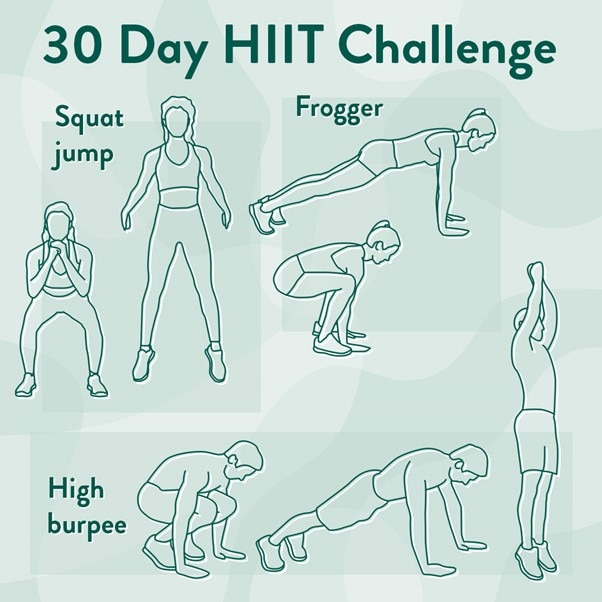
Regular cardio exercise can bolster your immune system. It helps circulate white blood cells more efficiently, making your body better at fighting off infections. This means fewer sick days and more time doing what you love. Cardio endurance is not just about running marathons or cycling for hours. It’s about building a foundation for a healthier, more vibrant life. What small change can you make today to start enjoying these benefits?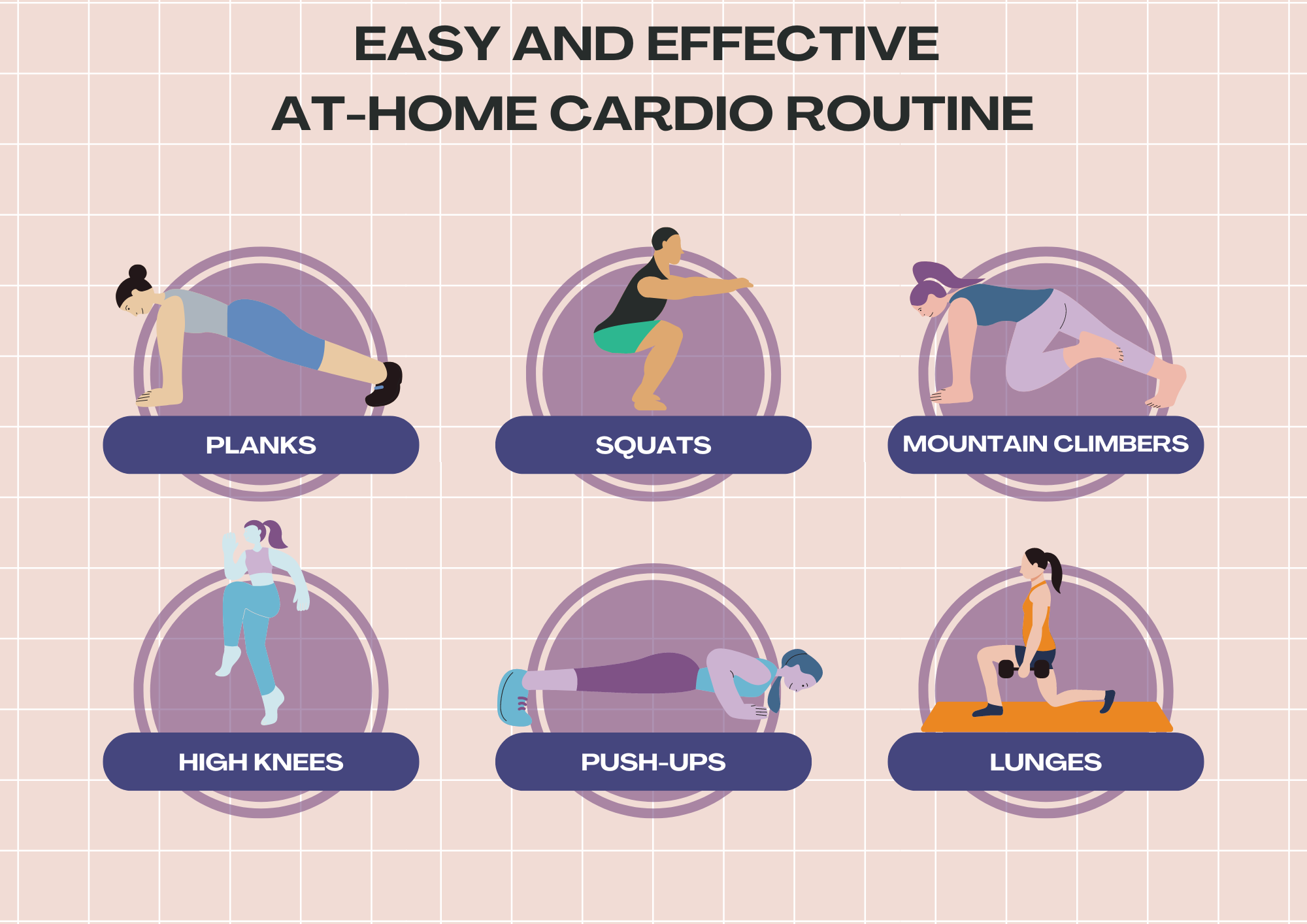
Credit: myyogateacher.com
Setting Realistic Goals
Begin your cardio endurance journey by setting achievable goals. Focus on gradual progress to build stamina effectively. Consistency is key; aim for regular sessions that fit your lifestyle.
Setting realistic goals is crucial when starting cardio endurance training. It helps maintain focus and motivation. Goals should be achievable and tailored to individual needs. They act as benchmarks to measure progress. Knowing what you aim for keeps you driven and committed.Short-term Objectives
Short-term goals are stepping stones. They are small, achievable tasks. These can include jogging for 10 minutes daily. Or cycling twice a week. These goals build confidence. They create a sense of accomplishment. They are essential for maintaining motivation. Tracking these goals is important. It allows you to see progress. Use a journal or app for tracking. Celebrate small victories. They boost morale and keep you going.Long-term Aspirations
Long-term goals focus on the bigger picture. They are milestones to reach after months or years. Examples include running a marathon or cycling 50 miles. These goals require dedication. They need consistent effort and time. Planning is crucial for success. Break them down into smaller steps. This makes them less daunting. Regular assessments are key. They help measure progress and adjust plans. Keeping the end goal in mind is vital. It inspires and fuels determination.Choosing The Right Cardio Activities
Choosing the right cardio activities is crucial for boosting your endurance and keeping your workouts enjoyable. It’s easy to get caught in the monotony of the same exercise routine. Variety not only spices up your training but also targets different muscle groups, improving overall fitness. Let’s delve into some exciting options that can elevate your cardio endurance to new heights.
Running
Running is a timeless cardio activity that offers a straightforward approach to building endurance. Start with short distances and gradually increase the length to challenge your stamina. Consider joining a local running group to keep the motivation high and meet like-minded individuals. Are you ready to feel the runner’s high?
Cycling
Cycling is another fantastic way to enhance your cardio endurance. Whether you prefer indoor spinning classes or exploring scenic outdoor trails, cycling works wonders on your lower body while boosting cardiovascular health. Invest in a comfortable bike and enjoy the ride. How about setting a goal to explore a new trail each month?
Swimming
Swimming is perfect for those seeking a low-impact yet effective cardio workout. The resistance of the water challenges your muscles and improves lung capacity. Try alternating between different strokes to engage various muscle groups. Have you ever considered swimming as a fun way to beat the heat while getting fit?
Dance Workouts
Dance workouts are an exhilarating way to improve your cardio endurance. With rhythmic movements and catchy tunes, you’ll hardly notice the intensity of your workout. Platforms like Zumba and hip-hop dance classes offer a lively environment and a great community vibe. Ready to dance your way to a healthier heart?
Creating A Training Plan
Creating a training plan for cardio endurance begins with setting clear, achievable goals. Choose activities you enjoy, such as running or cycling, to maintain motivation. Gradually increase the intensity and duration to improve stamina and heart health.
Creating a Training Plan Starting a cardio endurance training plan can transform your fitness journey. Crafting a solid plan ensures steady progress. It helps prevent injury and keeps motivation high. Focus on key elements for effective results.Frequency And Duration
Begin with three sessions per week. Gradually increase frequency as your endurance builds. Each session should last 20 to 30 minutes. This allows your body to adapt. Over time, extend sessions to 45 minutes or more. Monitor progress and adjust as needed.Intensity Levels
Start with low-intensity activities. Walking or light jogging works best initially. As stamina improves, increase intensity. Incorporate moderate activities like cycling or swimming. Mix in high-intensity intervals to challenge your limits. Always listen to your body. Adjust intensity based on energy levels and recovery.Essential Gear For Cardio Training
Starting cardio training requires more than just motivation. The right gear can make a big difference in your experience and results. Investing in essential gear ensures comfort and safety during workouts. Let’s explore the key items you should consider.
Footwear
Choosing the right shoes is crucial for cardio training. Good footwear provides support and reduces injury risk. Look for shoes with cushioning, especially for high-impact activities. Breathable material helps keep feet cool and dry. Consider your foot shape and arch type when selecting shoes.
Clothing
Comfortable clothing enhances your workout experience. Opt for breathable fabrics like cotton or moisture-wicking materials. These fabrics help manage sweat and prevent discomfort. Proper fit is important for freedom of movement. Avoid overly tight or loose clothing.
Tech Gadgets
Tech gadgets can boost your cardio training. Fitness trackers monitor heart rate and calories burned. Smartwatches can track distances and pace during running or cycling. Wireless headphones keep music accessible without tangling wires. Choose devices that fit your budget and training needs.
Incorporating Warm-ups And Cool-downs
Warm-ups prepare the body for cardio exercises by increasing heart rate and loosening muscles. Cool-downs help reduce soreness and improve flexibility, aiding recovery.
Starting cardio endurance training requires more than just hitting the track. A well-rounded routine includes both warm-ups and cool-downs. These steps prepare your body for exercise and help it recover afterward. They are essential for preventing injuries and reducing muscle soreness. Let’s explore how to effectively incorporate these elements into your training.Importance Of Warm-ups
Warm-ups prepare your body for the workout ahead. They increase your heart rate and blood flow to muscles. This process reduces the risk of injury. Start with light activities like jogging or jumping jacks. Gradually increase intensity over five to ten minutes. Stretching can also be part of your warm-up. Focus on dynamic stretches like leg swings and arm circles. These movements enhance flexibility and range of motion.Effective Cool-down Techniques
After a workout, cooling down is vital. It helps your body transition back to a resting state. Begin with five minutes of light activity, like walking. This helps lower your heart rate slowly. Follow with stretching to prevent muscle tightness. Focus on major muscle groups used during your workout. Hold each stretch for 15 to 30 seconds. Deep breathing can also be beneficial. It helps relax your muscles and mind.Tracking Progress And Staying Motivated
Tracking progress boosts your cardio training motivation. Set realistic goals and celebrate small victories to stay engaged. Keep a log to monitor improvements and maintain consistency.
Tracking your progress helps you stay motivated during cardio training. It shows how far you’ve come and keeps you on track. Understanding your improvements boosts confidence and pushes you further. Let’s dive into some ways to track progress and keep your spirits high.Monitoring Improvements
Regular tracking is crucial for seeing your advancements. Use a fitness app or journal. Record details like distance, time, and frequency. These records give you a clear picture of your growth. Watch for improvements week by week. Small gains are significant. Celebrate each milestone to fuel your motivation.Overcoming Plateaus
Plateaus happen when progress stalls. They can be frustrating. Change your routine to break through. Try different cardio exercises. Increase intensity or duration gradually. Sometimes, rest is vital. It helps your body recover and perform better. Stay patient. Consistency is key to overcoming these hurdles.Nutrition For Cardio Endurance
Nutrition plays a crucial role in building cardio endurance. A well-balanced diet supports energy levels and recovery after workouts. Eating the right foods helps maintain stamina and improve performance over time. Let’s explore how to fuel your body effectively.
Pre-workout Nutrition
Fuel up with complex carbohydrates before exercising. These provide lasting energy. Whole grains, fruits, and vegetables are great sources. Protein is also important. It helps repair muscles during training. Lean meats, beans, and nuts are ideal choices.
Stay hydrated. Water is essential for heart function. Drinking fluids keeps your body cool and prevents fatigue. Avoid heavy meals right before your workout. They can cause discomfort. Aim for a light snack instead.
Post-workout Recovery
After exercising, focus on replenishing lost nutrients. Protein aids muscle repair. Consider options like chicken, fish, or tofu. Carbs restore energy levels. Sweet potatoes or brown rice are excellent choices.
Hydration remains key. Electrolyte-rich drinks or coconut water help recover lost minerals. Don’t forget healthy fats. Avocados and nuts support overall health. Eating soon after a workout maximizes recovery benefits.
Listen to your body’s needs. Adjust your diet based on activity level. Tailor meals to support cardio endurance effectively.
Common Mistakes To Avoid
Embarking on a cardio endurance journey can be thrilling and rewarding. However, it’s crucial to steer clear of common mistakes that could derail your progress. Avoiding these pitfalls will help you build endurance effectively and safely.
Overtraining
It’s tempting to push yourself to the limit, especially when you’re motivated to see quick results. However, overtraining can lead to burnout, injuries, and decreased performance. Instead, listen to your body and gradually increase your intensity and duration.
Consider setting a realistic workout schedule that allows for incremental growth. For instance, if you’re new to running, start with shorter distances and gradually increase them over weeks. This approach not only builds endurance but also keeps you motivated without overwhelming your system.
Neglecting Rest Days
Rest days are as crucial as workout days. Skipping them can hinder recovery and progress. Your muscles need time to repair and strengthen, which is essential for building endurance.
Think about rest days as an integral part of your training plan. Use this time to engage in light activities like walking or stretching. This keeps your body active without exerting undue stress, ensuring you’re ready for your next workout.
Are you giving your body the rest it deserves? Balancing effort with recovery is key to long-term success in your cardio journey. Prioritize rest and watch your endurance thrive.

Credit: www.auraleisure.ie
Expert Tips For Success
Training for cardio endurance is a rewarding journey that can transform your fitness levels and overall health. But how do you make sure you’re doing it right? These expert tips will help you succeed in your quest for better endurance, ensuring you get the most out of your workouts and stay motivated along the way.
Maintaining Consistency
Consistency is key in building cardio endurance. Aim to set a regular schedule that fits your lifestyle. Whether it’s morning runs or evening bike rides, choose times that you can stick to.
Mix it up with different activities to keep things interesting. Try swimming, cycling, or dancing to engage different muscle groups and prevent boredom. The variety not only makes workouts fun but also helps in improving endurance.
Tracking your progress can boost motivation. Use a fitness app or a simple journal to log your workouts. Celebrate small milestones to keep your enthusiasm high. What weekly achievement can inspire you to push further?
Listening To Your Body
Your body has a way of communicating its needs. Pay attention to signals like fatigue or pain. These are indications that you might need to slow down or adjust your routine.
Recovery days are crucial. Allow your muscles time to repair and grow stronger. Consider gentle activities like yoga or walking to maintain movement without overexerting yourself.
Hydration and nutrition play vital roles in endurance training. Ensure you’re fueling your body with balanced meals and staying hydrated. How can you tweak your diet to support your cardio goals?
Frequently Asked Questions
What Is Cardio Endurance Training?
Cardio endurance training involves exercises that boost the heart’s ability to pump efficiently. It enhances your stamina and cardiovascular health. Activities like running, cycling, and swimming are popular choices. Consistent training helps in improving oxygen delivery to muscles, allowing you to exercise longer without fatigue.
It’s essential for overall fitness and well-being.
How Often Should I Train For Cardio Endurance?
For optimal results, aim for at least 150 minutes of moderate-intensity cardio per week. You can break this into 30-minute sessions, five times a week. If you prefer vigorous activities, 75 minutes per week suffices. Consistency is key, so choose a schedule that fits your lifestyle.
What Exercises Improve Cardio Endurance Quickly?
Running, cycling, swimming, and rowing are excellent for boosting cardio endurance quickly. These activities engage large muscle groups, enhancing heart and lung efficiency. Interval training can also accelerate improvements by alternating high-intensity bursts with rest periods. Choosing activities you enjoy ensures consistency, which is crucial for progress.
How Can Beginners Start Cardio Endurance Training?
Beginners should start with moderate activities like brisk walking or cycling. Aim for 20-30 minutes, three times a week. Gradually increase duration and intensity as your stamina improves. Listen to your body and rest when needed. Consistency and patience are key to building endurance over time.
Conclusion
Training for cardio endurance builds a strong foundation for overall health. Start with small steps. Set realistic goals. Consistency is key. Remember to listen to your body. Gradually increase intensity. Enjoy the journey of improvement. Celebrate small victories. Stay hydrated and eat well.
These habits improve endurance over time. Find activities you love. This keeps motivation high. Keep track of progress. Feel proud of achievements. Cardio endurance training brings long-term benefits. A healthier heart. A more energetic life. Begin today and make it part of your routine.
Your future self will thank you.