
Imagine this: You’re lifting a box or pushing a cart, and suddenly, a sharp pain shoots through your back. Manual handling injuries are more common than you might think, and they can disrupt your life in an instant.
But here’s the good news—you can prevent them. By learning a few simple techniques and making small adjustments to your daily routine, you can protect yourself from these painful and often debilitating injuries. You’ll discover practical tips and strategies designed to keep you safe, healthy, and injury-free.
Keep reading to learn how to safeguard your well-being and maintain your peace of mind while handling everyday tasks. You owe it to yourself to stay informed and proactive.

Credit: www.facebook.com
Understanding Manual Handling Risks
Understanding the risks associated with manual handling is crucial for preventing injuries. When you know what could potentially go wrong, you can take steps to minimize the hazards. Whether you’re lifting boxes at work or moving furniture at home, being aware of these risks can keep you safe and injury-free.
Common Injuries In Manual Handling
Manual handling often leads to injuries like strains and sprains. These typically affect the back, shoulders, and wrists, resulting from improper lifting techniques or overexertion. Imagine trying to lift a heavy box without bending your knees; it’s a recipe for a back strain.
Some injuries could be more severe, like fractures or dislocations, especially if the load slips or falls. Such incidents are not just painful but could also sideline you from work or daily activities.
Identifying Risk Factors
Several risk factors contribute to manual handling injuries. One major factor is the weight of the object being lifted. Heavier objects naturally pose greater risks, especially if they are awkwardly shaped.
Another risk is poor posture. Are you lifting with your legs or relying solely on your back? The latter can lead to significant strain. Environmental conditions like slippery floors or insufficient lighting can also increase the likelihood of accidents.
Consider the frequency and duration of manual handling tasks. Repeated actions over time can lead to wear and tear on your body, making injuries more likely.
Are you aware of these risk factors when you handle objects? Identifying and addressing them can make a world of difference in preventing injuries.
Proper Lifting Techniques
Proper lifting techniques reduce the risk of manual handling injuries. Bend your knees, keep the load close, and lift with your legs. Avoid twisting your back to prevent strain.
Proper lifting techniques are essential to prevent manual handling injuries, which are among the most common workplace hazards. While it may seem straightforward, lifting objects correctly requires attention to detail and awareness of your body’s movements. Whether you’re lifting light boxes or heavy equipment, understanding the right techniques can keep you safe and injury-free.Correct Posture And Movement
Maintaining a correct posture is crucial when lifting objects. Stand close to the item you’re about to lift, with your feet shoulder-width apart for stability. Bend your knees, not your waist, to lower yourself towards the object. This simple adjustment ensures that your legs, rather than your back, do the heavy lifting. Align your head and shoulders with your hips to maintain a straight spine. This alignment reduces strain on your back muscles and keeps your center of gravity stable. As you lift, keep the object close to your body to minimize stress on your arms and back. How often do you pay attention to your posture when lifting? Taking a moment to check your form can make a significant difference in avoiding injuries.Lifting Heavy Objects Safely
When faced with lifting heavy objects, preparation is key. Assess the weight and size of the item before attempting to lift it. If the object is too heavy, don’t hesitate to ask for help or use mechanical aids like trolleys or forklifts. Once you’re ready to lift, ensure your grip is secure. Use both hands and avoid twisting your body as you lift. Twisting can lead to muscle strains, particularly in your back. Instead, pivot with your feet if you need to change direction. Set realistic expectations. How much can you safely lift without straining? Knowing your limits can prevent accidents and keep you safe in the long run.Ergonomic Workplace Design
Ergonomic workplace design minimizes the risk of manual handling injuries. It focuses on creating a safe and comfortable work environment. An ergonomically designed space reduces strain and increases efficiency. This design considers the physical capabilities of workers. It uses tools and furniture that support good posture.
Adjusting Workstations
Proper workstation setup is crucial for employee health. Chairs should support the lower back. Desks must be at a height that keeps wrists straight. Screens should be at eye level to prevent neck strain. Adjustable workstations cater to different body sizes. Regular breaks help reduce fatigue and improve focus.
Using Assistive Devices
Assistive devices make tasks easier and safer. Lifting equipment reduces the need for manual lifting. Trolleys and carts help move heavy items efficiently. Ergonomic tools minimize repetitive strain. Workers should be trained to use these devices correctly. Proper usage ensures safety and boosts productivity.
Credit: www.thesafetysupplycompany.co.uk
Training And Education
Proper training and education help prevent manual handling injuries. Learning correct lifting techniques reduces risk. Using safety equipment also protects against harm.
Preventing manual handling injuries is crucial for maintaining a safe workplace environment. Training and education play a key role in this preventive approach. By equipping employees with the right knowledge and skills, you can significantly reduce the risks associated with manual handling tasks. It is essential to create an ongoing learning culture where safety remains a top priority. This means not only focusing on immediate training but also fostering continuous growth and awareness among your team.Conducting Safety Workshops
Safety workshops are an effective way to engage employees and highlight the importance of manual handling precautions. These interactive sessions can offer hands-on demonstrations, allowing individuals to practice proper lifting techniques under the guidance of experts. Consider inviting experienced trainers to share their insights and real-life stories. This adds a personal touch that resonates with participants, making the training more memorable. Encourage open discussions and questions during these workshops. This fosters a collaborative environment where everyone feels empowered to contribute ideas and solutions.Developing Continuous Learning Programs
Continuous learning programs ensure that safety education doesn’t stop after initial training. Incorporate regular refresher courses and updates on new manual handling guidelines. This keeps everyone informed and adaptable to changes. Leverage digital platforms to make learning accessible anytime, anywhere. Online courses and webinars can complement in-person training, offering flexibility to accommodate different schedules. How do you measure the effectiveness of your learning programs? Consider implementing quizzes and feedback surveys to assess understanding and satisfaction. This helps identify areas for improvement and ensures your training efforts are hitting the mark. By investing in training and education, you’re not just adhering to safety standards; you’re empowering your team to take proactive steps in safeguarding their wellbeing. What steps will you take to enhance training in your organization?Regular Risk Assessments
Regular risk assessments help identify potential hazards in manual handling tasks. By evaluating techniques and equipment, injuries can be prevented. Implementing safe practices ensures workers remain healthy and productive.
Regular risk assessments are a cornerstone in preventing manual handling injuries. By routinely evaluating and updating safety measures, you can create a safer environment for everyone involved. These assessments not only identify potential hazards but also foster a culture of awareness and proactive safety management.Evaluating Workplace Conditions
Understanding the conditions in your workplace is crucial. Are there tight spaces where heavy lifting is required? Consider how lighting, floor surfaces, and even ventilation could impact manual tasks. A colleague once shared how poorly lit storage rooms led to frequent trips and falls. Ensuring proper lighting can significantly reduce such risks. Think about the layout—can it be optimized to minimize the need for manual handling? Sometimes rearranging equipment or supplies can make a big difference.Updating Safety Protocols
Safety protocols should evolve as your workplace changes. Are there new tools or machinery that require different handling techniques? Regular updates keep everyone informed and prepared. Invite feedback from your team. What challenges do they face in their day-to-day tasks? Incorporating their insights can lead to more effective safety measures. Consider creating a checklist for manual handling tasks. Simple reminders can prevent oversight and promote consistent safety practices. Are you regularly reviewing your safety protocols? If not, it might be time to start. Regular updates can help in recognizing outdated practices and replacing them with more efficient ones.Encouraging A Safety Culture
Promoting a safety culture involves educating employees on proper lifting techniques. Encourage regular breaks to reduce strain. Use ergonomic tools to minimize physical stress.
Encouraging a safety culture in the workplace is crucial for preventing manual handling injuries. It begins with fostering an environment where everyone feels responsible for safety and understands their role in maintaining it. A safety culture isn’t just about rules and regulations; it’s about cultivating attitudes and behaviors that prioritize health and well-being.Promoting Open Communication
Open communication is the backbone of a strong safety culture. Encourage your team to share their concerns and suggestions without fear of judgment or repercussion. Create regular opportunities for open dialogue, such as safety meetings or suggestion boxes, where everyone can voice their thoughts. Listening to your team can reveal insights that may not be obvious from a managerial perspective. Someone on the ground might notice a risky practice or a faulty piece of equipment that management could overlook. By fostering a culture of open communication, you’re empowering your team to take an active role in preventing injuries.Recognizing Safe Practices
Recognizing and rewarding safe practices is a powerful way to reinforce positive behavior. Consider implementing a reward system where employees are acknowledged for adhering to safety protocols or suggesting improvements. Recognition can be as simple as a shout-out in a meeting or as formal as an employee of the month award. When you highlight safe practices, you encourage others to follow suit. It shows that safety is valued and that efforts to maintain it are noticed and appreciated. Have you ever felt motivated by a simple thank you or public acknowledgment? Imagine the impact it can have on your team’s commitment to safety.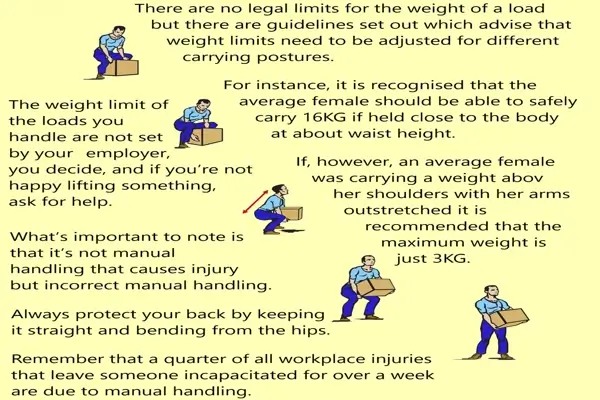
Credit: www.hsedocs.com
Frequently Asked Questions
What Are Common Manual Handling Injuries?
Manual handling injuries often include strains, sprains, fractures, and cuts. These injuries occur due to improper lifting techniques, repetitive motions, or heavy loads. Recognizing these risks early can help in prevention. Implementing ergonomic practices and using proper equipment can significantly reduce such injuries.
How Can I Improve Manual Handling Safety?
Improving manual handling safety involves training, proper lifting techniques, and using assistive devices. Encourage workers to assess tasks before starting and to seek help when needed. Regular breaks and ergonomic adjustments in the workspace also enhance safety and prevent injuries.
Why Is Posture Important In Manual Handling?
Good posture is crucial in manual handling to avoid strain and injury. Maintaining a straight back and bending knees while lifting reduces stress on the spine. Proper posture distributes weight evenly, minimizing the risk of musculoskeletal disorders and enhancing overall efficiency.
What Equipment Helps Prevent Manual Handling Injuries?
Using equipment like trolleys, hoists, and conveyor belts can prevent manual handling injuries. These tools reduce the need for physical exertion and minimize the risk of strains and sprains. Implementing the right equipment improves efficiency and ensures safety during manual tasks.
Conclusion
Preventing manual handling injuries requires attention and care. Focus on proper techniques. Always lift with your legs, not your back. Keep loads close to your body. Avoid twisting while lifting. Use tools like trolleys and hoists when needed. Regular breaks help reduce strain.
Training sessions can enhance safety. Ensure workplace conditions are optimal. Report hazards promptly for quick action. Remember, safety first. Simple steps protect your health. Follow guidelines and keep injuries at bay. Every worker deserves a safe environment. Prioritize safety in everyday tasks.
Your well-being is paramount. Stay informed. Stay safe.