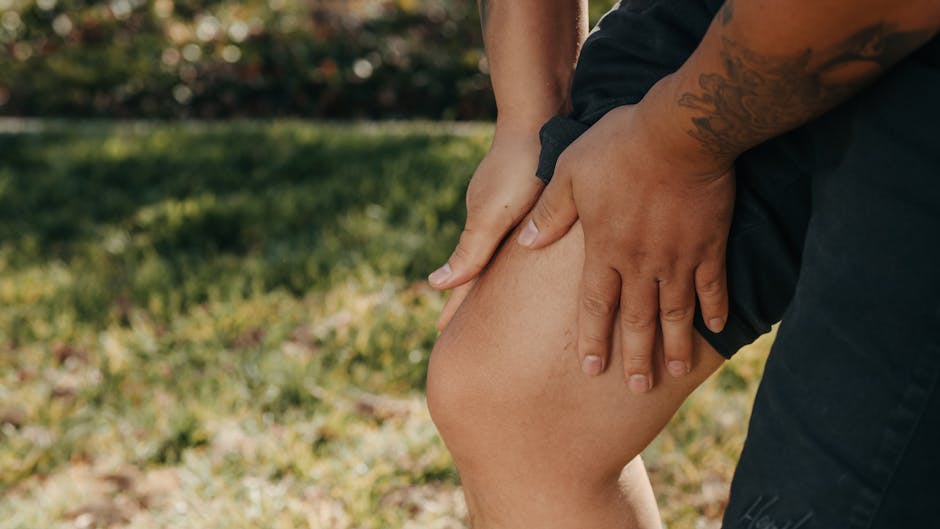
Are you tired of knee injuries ruining your football season? You’re not alone.
Many players, from rookies to professionals, face this common yet preventable issue. Imagine playing without the constant worry of hurting your knees. Sounds great, right? This article is your roadmap to achieving just that. Discover simple, effective strategies to keep your knees healthy and strong.
You’ll learn the secrets to staying on the field and out of the doctor’s office. Ready to give your knees the protection they deserve? Let’s dive in and explore how you can enjoy football without the fear of knee injuries.
Common Causes Of Knee Injuries
Knee injuries in football often stem from sudden movements, collisions, and improper landing techniques. Players should focus on strengthening muscles and practicing safe techniques to minimize risks. Regular warm-ups and cool-downs are essential to maintain joint flexibility and prevent strain.
Knee injuries in football are common and can affect players of all levels. Understanding the causes helps in prevention and keeps players safe on the field. Football demands quick movements and physical contact, which put stress on knees. Awareness of these risks is crucial for reducing injuries.Improper Warm-up
Skipping warm-up exercises strains knee muscles and ligaments. Warm-up prepares the body for intense activity, reducing injury risk. It increases blood flow and flexibility, essential for safe play.Sudden Direction Changes
Quick turns and stops can twist the knee unnaturally. Football requires sharp movements, which can lead to ligament tears. Proper technique and body control reduce the chance of injury.Direct Impact
Collisions with other players or the ground can damage the knee. Football is a contact sport, and tackles can cause serious injuries. Wearing protective gear and knowing how to fall properly helps protect the knees.Overuse
Playing too much without rest strains the knee. Continuous practice without breaks can lead to fatigue and injury. Rest days and varied training routines aid in recovery and prevent overuse.Poor Footwear
Wearing the wrong shoes affects knee stability. Football shoes should provide support and grip to avoid slipping. Choosing the right footwear improves balance and reduces knee strain. Understanding these causes empowers players to take preventive steps. Proper preparation and awareness are key to maintaining knee health in football.
Credit: www.tiktok.com
Importance Of Proper Warm-up
Proper warm-up is crucial for avoiding knee injuries in football. Stretching boosts flexibility and enhances blood flow to muscles. Dynamic exercises prepare joints and ligaments for sudden movements, reducing strain and potential harm.
Proper warm-up is crucial for football players aiming to prevent knee injuries. It sets the tone for your game by preparing your muscles and joints for the upcoming physical demands. A well-executed warm-up enhances flexibility, increases blood flow, and reduces the risk of strains or sprains.Dynamic Stretching Techniques
Incorporate dynamic stretching into your warm-up routine. Unlike static stretches, dynamic stretches involve movement that mimics football activities. This helps your body get used to the actions it will perform during the game. Try leg swings and walking lunges to get your knees ready for action.Gradual Increase In Intensity
Start your warm-up with low-intensity activities. Gradually increase the intensity to prepare your body for the high-energy demands of football. Begin with light jogging, then move to more vigorous exercises like high knees or butt kicks. This gradual buildup prevents sudden stress on your knees.Focus On Muscle Activation
Pay attention to activating the muscles around your knees. Strong muscles support your joints and absorb impacts better. Incorporate exercises like squats and lunges to engage your quads, hamstrings, and calves. These muscle groups play a vital role in stabilizing your knees during play.Consistency Is Key
Consistency in your warm-up routine is essential. Skipping warm-ups occasionally can leave your knees vulnerable to injuries. Make it a habit to dedicate time before every practice and match to properly warm up. This consistency will help maintain the health and strength of your knees.Personal Experience Insight
Reflecting on my days playing football, I remember how skipping warm-ups led to a knee sprain that sidelined me for weeks. Sharing this experience highlights the importance of never underestimating warm-ups. Have you ever had a similar experience that changed how you approach your warm-up routine?Strengthening Exercises
Strengthening exercises like squats and lunges build muscle support around the knee, reducing injury risk in football. Consistent training helps maintain knee stability during rapid movements, crucial for football players.
Strengthening exercises are crucial for preventing knee injuries in football. They build muscle support around the knee joint. Strong muscles can absorb impact and reduce stress on the knees. Focus on exercises that target key muscle groups.Focus On Quadriceps And Hamstrings
Quadriceps and hamstrings stabilize the knee during football movements. Strengthening these muscles can enhance knee protection.- Squats are excellent for building quadriceps strength.
- Lunges work both quadriceps and hamstrings effectively.
- Leg curls are great for isolating hamstring muscles.
Core Stability
Core stability is vital for overall body balance. A stable core supports knee movements during dynamic football actions.- Planks engage the core and improve strength.
- Russian twists enhance rotational stability.
- Bridge exercises strengthen lower back and abdominal muscles.

Credit: psrihospital.com
Flexibility And Stretching
Proper flexibility and stretching can help prevent knee injuries in football. A warm-up routine keeps muscles ready and reduces strain. Regular stretching enhances joint flexibility, minimizing the risk of sudden twists or impacts.
Flexibility and stretching play a crucial role in preventing knee injuries in football. Ensuring your muscles are supple and ready for the game can make a significant difference in your performance and safety. Often, players overlook this aspect, leading to preventable injuries that could sideline them for weeks.Dynamic Stretching Techniques
Dynamic stretching involves active movements that help increase blood flow and prepare your muscles for action. Before hitting the field, consider leg swings, walking lunges, and high knees. These exercises not only enhance flexibility but also improve your range of motion, which is essential for football. A personal experience I had was when I incorporated dynamic stretches into my routine and noticed a marked reduction in muscle tightness. Have you ever wondered how a simple change in your pre-game routine could drastically reduce your injury risk?Post-game Stretching Routine
After the adrenaline of a match, it’s important to transition your body back to its resting state with post-game stretching. This practice aids in muscle recovery and reduces soreness. Try static stretches such as hamstring stretches, quadriceps stretches, and calf stretches. In my experience, dedicating just 10 minutes to stretching after a game helped me bounce back quicker and feel less fatigued the next day. Are you giving your body the care it deserves after pushing it to the limits on the field? Remember, flexibility and stretching aren’t just about preventing injuries. They’re about ensuring you can play your best, every single game. So, are you ready to elevate your game by embracing these techniques?Proper Footwear
Proper footwear reduces knee injuries in football by providing stability and support. Choose shoes with good grip and cushioning. Ensuring the right fit helps prevent slips and strains.
Proper footwear is crucial for preventing knee injuries in football. The right shoes provide stability, grip, and support. This reduces the risk of slips and falls. They also ensure proper alignment of the feet and knees. Choosing the right pair is essential for safety and performance on the field.Choosing The Right Cleats
Selecting the correct cleats is vital. Look for shoes that offer good traction. This helps in quick direction changes. Ensure the cleats fit well. Tight shoes can cause discomfort and injury. Consider the field type. Soft ground cleats are ideal for muddy surfaces. Firm ground cleats suit grassy fields. Lightweight cleats enhance speed and agility.Footwear Maintenance
Regular maintenance extends the life of your shoes. Clean them after every game. Remove dirt and grass. Check for wear and tear. Replace worn-out cleats promptly. Inspect laces and soles. Secure laces reduce the risk of tripping. Store shoes in a dry place. Moisture can damage the material. Proper care keeps footwear effective and safe.Correct Playing Techniques
Mastering proper playing techniques helps reduce knee injuries in football. Ensure correct posture and strengthen core muscles.
Playing football is exhilarating, but it comes with the risk of knee injuries, especially if you’re not using the correct techniques. Mastering correct playing techniques is essential for keeping your knees safe while enjoying the game. By focusing on key areas such as tackling and jumping, you can significantly reduce your risk of injury and keep yourself on the field longer.Safe Tackling Methods
Tackling is an integral part of football, but it needs to be done safely. Always approach your opponent head-on, keeping your center of gravity low. This gives you better control and balance. Use your legs to drive into the tackle, rather than relying solely on your upper body. Make sure to wrap your arms around the player, not just grab with your hands. This ensures a secure tackle and helps prevent injuries. Have you noticed how professional players maintain their form even at high speeds? It’s all about practice and maintaining discipline in your technique.Landing Techniques For Jumps
Jumping for a header or a catch is often unavoidable in football. However, improper landing can lead to severe knee injuries. When you land, keep your knees slightly bent to absorb the impact. This simple adjustment reduces strain on your knee joints. Distribute your weight evenly across both legs to maintain balance. Doing this not only protects your knees but also prepares you for your next move quickly. Have you ever tried watching slow-motion replays of professional matches? Notice how they land gracefully, almost like a dancer. It’s all about control and practice. By integrating these techniques into your game, you can focus more on playing and less on the fear of getting injured. What technique will you work on first?Role Of Protective Gear
Protective gear like knee pads and braces plays a crucial role in football. They help absorb impact and stabilize joints. Proper equipment reduces the risk of knee injuries during intense play.
Protective gear plays a crucial role in preventing knee injuries in football. The intensity and pace of the game make players vulnerable to sudden twists, turns, and impacts that can lead to serious knee damage. By equipping yourself with the right protective gear, you can significantly reduce the risk of injury and extend your playing career.Knee Braces And Supports
Knee braces are essential for football players. They provide stability and support, especially during high-impact activities. Many athletes swear by them after recovering from a knee injury as they help maintain alignment and prevent further strain. There are different types of knee braces. For instance, prophylactic braces protect knees from injuries during contact sports, while functional braces support knees that have already been injured. Choose one that suits your specific needs for optimal protection. Wearing a knee brace can also boost your confidence. Knowing that your knees are protected allows you to focus on your performance without the constant worry of injury. Do you feel more secure with a knee brace on?Importance Of Shin Guards
Shin guards are not just for protecting the shin bones. They also play a significant role in safeguarding the knees. A well-fitted shin guard can absorb impact and deflect pressure away from the knee area. Choosing the right shin guard is crucial. Look for ones that offer both comfort and coverage without restricting movement. Properly fitting shin guards can prevent discomfort and distractions during play. Remember, the importance of shin guards extends beyond mere protection. They can increase your confidence on the field, allowing you to engage in tackles and challenges without hesitation. Have you ever felt hesitant to tackle due to inadequate protection?Listening To Your Body
Tune into your body’s signals to prevent knee injuries in football. Recognize pain and discomfort early to avoid serious damage. Prioritize rest and proper technique for safer play.
Listening to your body is crucial for preventing knee injuries in football. It’s about being aware of your physical condition during training and matches. Your body often sends signals when something is wrong. Recognizing these signals can help in taking timely action.Recognizing Early Signs Of Stress
Pay attention to any unusual aches or pains. These might be early signs of stress on your knees. Feeling discomfort or persistent soreness should not be ignored. It may indicate overuse or strain. Swelling or stiffness after playing can also be warning signs. Understanding these signals helps in preventing serious injuries. Always trust what your body tells you.Rest And Recovery Strategies
Rest is vital for recovery and injury prevention. Ensure you have enough downtime between training sessions. This helps muscles heal and strengthens them. Use ice packs on sore knees to reduce swelling. Elevate your legs after playing to improve blood circulation. Consider stretching exercises to keep your muscles flexible. This reduces stress on your knees. Adequate sleep also supports muscle recovery and overall health. Prioritize rest to maintain peak performance on the field.Hydration And Nutrition
Proper hydration and balanced nutrition can help protect knees in football. Staying hydrated maintains joint lubrication. Nutrients like calcium and vitamin D strengthen bones, reducing injury risk.
Staying healthy on the football field involves more than just rigorous training and practice. Hydration and nutrition play a crucial role in preventing knee injuries and ensuring optimal performance. By giving your body the right nutrients and keeping it well-hydrated, you can bolster your joints and maintain the stamina needed for those intense matches.Nutrients For Joint Health
Feeding your body with the right nutrients can work wonders for your joint health. Omega-3 fatty acids, found in foods like salmon and walnuts, help reduce inflammation around your knees. Vitamin D and calcium are critical for strong bones, so include dairy products or fortified alternatives in your diet. Have you considered the benefits of collagen-rich foods? Bone broth and chicken provide the building blocks for cartilage, potentially reducing the risk of injury. A balanced diet with these nutrients can support your joints, but what does your current meal plan look like?Staying Hydrated
Hydration isn’t just about quenching thirst—it’s essential for joint lubrication and muscle function. When you’re dehydrated, your body struggles to cushion your knee joints effectively, increasing injury risk. Aim to drink water consistently throughout the day, not just when you’re on the field. Electrolyte-rich beverages can also be beneficial, especially during intense training sessions. They help replace the salts you lose through sweat, keeping your muscles and joints functioning smoothly. Are you hydrating enough to keep your knees in top shape?Professional Guidance
Proper warm-up and strength training can help prevent knee injuries in football. Focus on flexibility exercises and balance drills to enhance stability. A professional coach can provide tailored advice and techniques.
Professional guidance plays a crucial role in preventing knee injuries in football. It provides athletes with the knowledge and techniques to protect their knees. Working with professionals ensures players stay safe while enhancing their performance.Working With A Trainer
Engaging with a trainer can drastically reduce knee injury risks. Trainers help develop personalized exercise plans to strengthen knee muscles. They focus on building flexibility and balance. Sessions often include warm-up routines tailored to individual needs. Trainers can identify improper techniques that may lead to injuries. They offer valuable advice on correct posture and movement. Regular check-ins with a trainer keep players on track with their health goals.When To See A Doctor
Knowing when to see a doctor is vital for knee health. Persistent knee pain should not be ignored. Swelling or discomfort during play requires medical attention. A doctor can assess the severity of the injury. Early diagnosis often leads to better recovery outcomes. Doctors provide guidance on rehabilitation exercises. Their expertise ensures that players return to the field safely. Regular medical check-ups help maintain knee health over time.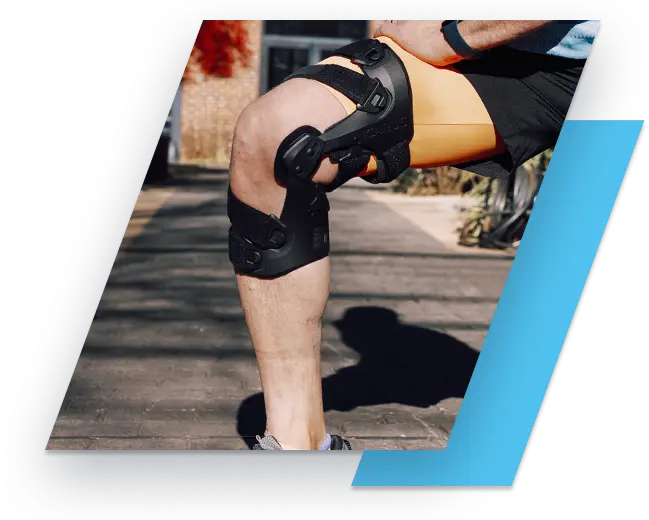
Credit: icarusmedical.com
Frequently Asked Questions
What Exercises Strengthen Knees For Football?
Strengthening your knees is crucial for football. Incorporate exercises like squats, lunges, and leg presses. These exercises build muscle around the knee joint, offering better support and stability. Regularly performing these exercises can help reduce the risk of injury during football.
How Do Warm-ups Prevent Knee Injuries?
Warm-ups prepare your body for physical activity. They increase blood flow to muscles, making them more flexible. This reduces the risk of strains or sprains. Dynamic stretches, jogging, and mobility exercises specifically target the knees, helping prevent injuries during football games.
What Should Football Players Wear For Knee Protection?
Football players should wear knee braces or pads. These provide essential support and cushioning during impact. Additionally, wearing well-fitted cleats helps maintain balance and prevent slipping. Proper gear can significantly reduce the risk of knee injuries on the field.
How Important Is Rest For Knee Injury Prevention?
Rest is vital for preventing knee injuries. It allows muscles and joints to recover from strain. Overworking your knees without rest increases the risk of injury. Incorporating rest days into your training routine ensures long-term knee health and performance.
Conclusion
Protecting your knees in football is crucial. Simple steps make a big difference. Start with proper warm-ups. Regular exercises strengthen your muscles. Always wear the right gear for support. Listen to your body and avoid overtraining. Injuries can sideline you.
Consistent care keeps your knees healthy. Practice smart techniques on the field. Coaches and trainers can guide you. Stay informed about knee safety tips. Prevention is better than cure. Your knees are vital for your football journey. Keep them strong and safe.
Enjoy the game without the pain.