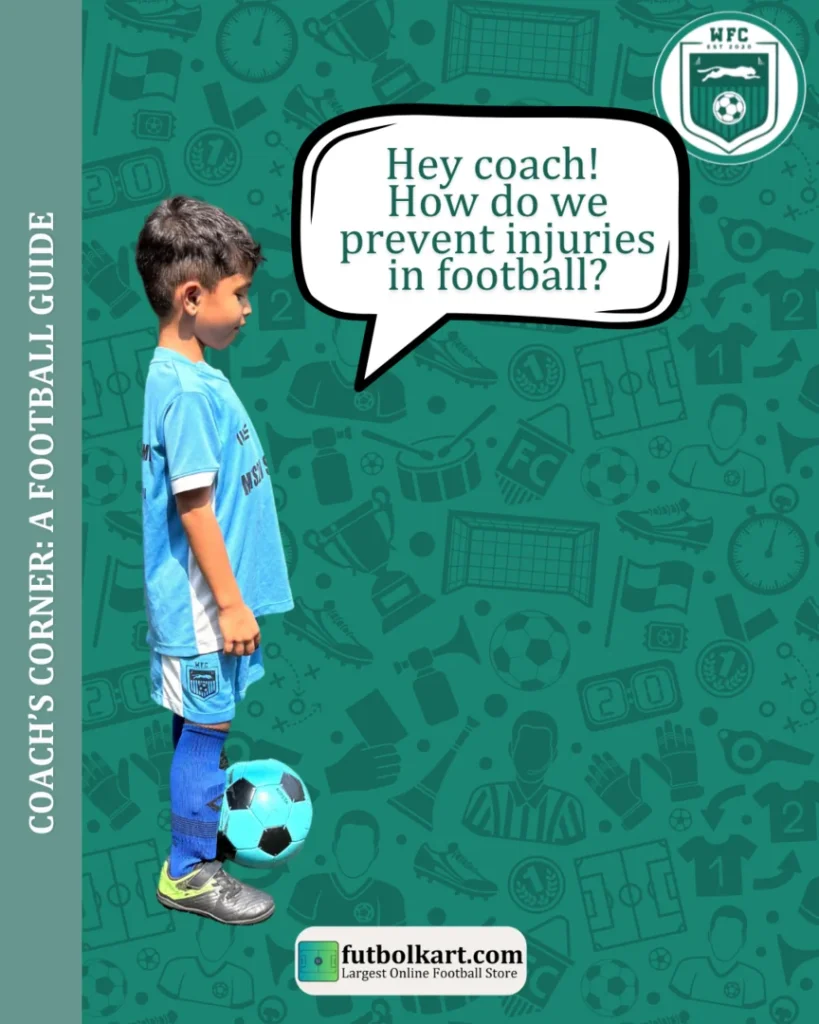
Football is a thrilling sport that gets your adrenaline pumping. But with all the excitement comes the risk of injuries.
Whether you’re a seasoned player or just starting out, staying safe on the field should be your top priority. Imagine playing your best game, feeling the rush, and walking off the field unscathed. Sounds ideal, right? You’re about to discover how you can make that a reality.
This guide dives into practical tips and techniques to help you prevent injuries in football, ensuring that you spend more time playing the game you love and less time nursing wounds. Are you ready to protect yourself and enhance your performance? Let’s get started.
Warm-up And Stretching
Proper warm-up and stretching are vital to prevent injuries in football. They improve muscle flexibility and circulation. This preparation reduces the risk of strains and sprains, keeping players safe and active on the field.
Football is an exhilarating sport but injuries can hinder performance. Warm-ups and stretching play a crucial role in injury prevention. They prepare the body for intense activity and reduce the risk of muscle strains. A proper routine before the game ensures readiness and flexibility.Importance Of Pre-game Warm-ups
Warm-ups increase blood flow to muscles. They raise body temperature, which enhances muscle elasticity. This process prepares the cardiovascular system for exertion. It also helps in focusing the mind, boosting mental readiness. A well-structured warm-up prevents sudden muscle pulls. It primes your body for quick movements and tackles. Players become more alert and agile on the field.Effective Stretching Techniques
Stretching enhances flexibility and range of motion. Dynamic stretches are ideal before the game. They involve controlled movements through a full range of motion. Examples include leg swings and arm circles. These exercises activate various muscle groups. Hold each stretch for at least 10 seconds. Avoid bouncing to prevent muscle tears. Post-game stretches aid recovery. Static stretches are beneficial after playing. They help relax muscles and prevent stiffness. Focus on major muscle groups used during the game. Incorporate hamstring stretches and quadriceps stretches. These techniques support muscle health and longevity. Regular stretching routines can minimize injury risks significantly.
Credit: www.instagram.com
Proper Equipment
Wearing proper equipment is crucial to preventing injuries in football. Helmets, pads, and cleats provide essential protection. Ensuring the right fit and quality can make a significant difference in safety.
Proper equipment plays a crucial role in preventing injuries in football. The right gear not only boosts performance but also shields players from potential harm. Investing in quality equipment is a smart choice for anyone serious about the sport. Let’s explore some vital components of proper football equipment.Choosing The Right Footwear
Footwear is essential for stability and grip on the field. Choose shoes that fit well and offer good support. Look for cleats that match the playing surface. Different surfaces need different cleat types for optimal traction. Ensure the shoes are durable and comfortable.Protective Gear Essentials
Protective gear is a must-have for football players. Helmets protect the head from impacts. Ensure it fits snugly and meets safety standards. Shoulder pads shield the upper body and absorb shocks. Shin guards are crucial for leg protection. Always check that gear is in good condition before use. Investing in quality protective gear can reduce injury risks significantly. Proper maintenance of equipment also ensures longevity and continued protection. Remember, safety is the first step towards enjoying the game.Strength And Conditioning
Strength and conditioning play a crucial role in preventing football injuries. Focused exercises enhance muscle stability and joint flexibility, reducing the risk of strains and sprains. Regular training prepares athletes for the physical demands of the game, ensuring safer performance on the field.
Strength and conditioning are the unsung heroes of injury prevention in football. This dynamic duo not only boosts your performance on the field but also fortifies your body against potential injuries. By focusing on targeted exercises, you can enhance your physical resilience and extend your football career.Building Core Strength
Your core is the powerhouse of your body. A strong core stabilizes your movements and supports balance, reducing the risk of falls and other injuries. Integrate exercises like planks, Russian twists, and leg raises into your routine. Imagine executing a perfect pass or dodging an opponent with ease. These movements require a stable base, and your core provides just that. Dedicate a few minutes each day to strengthening these muscles and notice the improvement in your game.Endurance Training
Endurance is your secret weapon for maintaining performance throughout the match. It keeps fatigue at bay, allowing you to stay sharp and agile. Incorporate interval training, such as sprinting mixed with jogging, to enhance your stamina. Think about those critical moments in the last few minutes of a game. Your endurance can be the difference between a winning goal and a missed opportunity. Consistently challenge yourself with endurance exercises, and you’ll be ready to tackle any situation head-on. Have you ever felt like you ran out of steam too early in a match? Endurance training can change that narrative. By pushing your limits during practice, you’ll build the stamina necessary to outlast your opponents.Technique And Form
Mastering the right technique and form is crucial for reducing injuries in football. When players focus on refining their skills, not only do they enhance their performance, but they also protect themselves from unnecessary harm. Proper technique allows you to play confidently, knowing that you’re minimizing risks.
Safe Tackling Practices
Tackling is an essential part of football, but it can be dangerous if done incorrectly. Always keep your head up and eyes on the opponent. This position keeps your neck safe and gives you better control over your movements.
Use your shoulder, not your head, to make contact. This method reduces the risk of concussions and neck injuries. Remember, a tackle is not just about stopping an opponent but doing it safely and effectively.
- Engage with your legs to drive through the tackle.
- Keep your body low to maintain balance and power.
- Practice regularly to build muscle memory.
Have you ever been taken down unexpectedly because of a poor tackling approach? Adjusting your technique could be the key to preventing such mishaps in the future.
Ball Handling Skills
Good ball handling is more than just having control; it’s about moving confidently without risking injury. Keep your fingers spread across the ball to maintain a solid grip. This position helps in both wet and dry conditions, reducing the chance of fumbles.
Practice hand-eye coordination drills to improve your response time. Quick reflexes can prevent dangerous collisions. Regularly work on changing directions swiftly while maintaining control, as this will help you avoid awkward falls.
Consider how a simple slip due to poor grip can change the game. By enhancing your ball handling skills, you can significantly reduce such risks.
Incorporating these techniques into your training can make a substantial difference. How often do you focus on refining your technique and form during practice? It might be time to prioritize these skills for safer and more effective gameplay.
Hydration And Nutrition
Proper hydration keeps muscles flexible, reducing injury risks. Balanced nutrition strengthens bones and supports muscle recovery, crucial for football safety.
Hydration and nutrition are key in preventing football injuries. Proper fluid intake keeps muscles working efficiently. Nutritional choices fuel the body for optimal performance.Maintaining Fluid Balance
Players sweat a lot during games. This leads to fluid loss. Drinking water regularly is vital. It prevents dehydration which causes cramps. Always have water available on the sidelines. Electrolyte drinks are beneficial too. They replenish lost minerals. Monitor urine color. Dark urine means you’re dehydrated. Light urine indicates good hydration.Nutritional Guidelines For Players
Nutrition affects energy levels. Eating balanced meals is crucial. Include proteins, carbs, and fats in your diet. Proteins help muscle repair. Carbs provide energy. Fats are essential for overall health. Avoid junk food and sugary drinks. They lead to fatigue. Eat fruits and vegetables daily. They’re rich in vitamins and minerals. Consider meal timing. Eat two hours before playing. It gives the body time to digest.
Credit: bellyupsports.com
Rest And Recovery
Proper rest and recovery are crucial in preventing football injuries. Muscles need time to heal after intense matches. Adequate sleep and hydration support the body’s repair processes, reducing the risk of strains and sprains.
Rest and recovery are essential components in preventing injuries in football. The physical demands of the sport can take a toll on your body, making adequate rest and effective recovery techniques crucial to maintaining peak performance. Ignoring these elements can lead to overuse injuries, fatigue, and decreased performance levels. Taking the time to rest and recover not only helps you heal but also enhances your overall game. Let’s dive into the significance of rest days and explore some effective recovery techniques that can help you stay injury-free.Importance Of Rest Days
Rest days aren’t just an excuse to relax; they’re a strategic part of your training regimen. Your muscles need time to repair and strengthen after intense activity. Skipping rest can lead to burnout and increase your risk of injury. Integrating rest days into your weekly schedule gives your body the time it needs to recover. Consider them as essential as your practice sessions. Are you giving your body the break it deserves? Incorporating active rest, like a gentle walk or light stretching, can keep your body moving without overexerting it. The balance between activity and rest is key to long-term success.Recovery Techniques
Effective recovery techniques can significantly reduce your injury risk. Have you explored foam rolling or massage to ease muscle tension? Using a foam roller can improve blood flow and flexibility, reducing soreness and the risk of muscle strains. You can easily do this at home after practice. Hydration and nutrition also play vital roles in recovery. Consuming the right amount of water and a balanced diet supports muscle repair and energy replenishment. Cold therapy, like ice baths, can reduce inflammation and speed up recovery. It might seem uncomfortable at first, but the benefits are well worth it. Engaging in these recovery techniques regularly will not only keep you in the game longer but also enhance your performance. Are you making recovery a priority in your routine?Injury Awareness
Understanding proper techniques is key to preventing injuries in football. Wear appropriate gear and warm up before games. Stay hydrated and practice regularly to build strength.
Injury awareness in football is crucial for maintaining a safe and competitive environment. You might wonder how often players push themselves too far, ignoring signs that their body might be at risk. Recognizing these signals not only ensures your safety but also enhances your performance in the long run.Recognizing Early Signs
Pay attention to how your body feels during and after games. Fatigue, unusual soreness, or persistent discomfort might be early signs of an impending injury. You might have experienced a slight tweak in your ankle after a sudden sprint. While it may not seem serious at first, recurring pain or instability should not be ignored. Listening to your body is key. Are there areas that consistently ache after every match? This could be your body hinting at a potential problem.Immediate Response To Injuries
React promptly to any injury. If you feel a sharp pain, stop playing immediately to prevent further damage. Applying ice to the affected area can reduce swelling and discomfort. Always consult a professional if the pain persists or worsens. Consider how quickly you act when you notice an injury. Do you rest and recover, or do you push through the pain? Your response can significantly influence your recovery and future performance.Professional Guidance
Football is a game that demands not only skill but also strategic planning to prevent injuries. Professional guidance plays a crucial role in ensuring players stay fit and healthy. Whether you’re a budding athlete or a seasoned player, understanding how professionals can help you avoid injuries is essential.
Role Of Coaches And Trainers
Coaches and trainers are your first line of defense against injuries. They offer tailored training sessions that focus on strengthening your muscles and improving your technique. Are you paying attention to their advice on proper form and technique during drills? These professionals often have years of experience and can spot potential injury risks that you might overlook.
Consider how a coach once helped me adjust my running posture. A small tweak made a huge difference, reducing strain on my knees. Listen to their feedback; it could be the key to staying in the game longer. Remember, their role is not just to push you harder, but to ensure you practice safely.
Seeking Medical Advice
When you experience discomfort or pain, seeking medical advice promptly can prevent a minor issue from becoming a major injury. A doctor or physiotherapist can provide insights into your body’s condition and offer recovery plans tailored to your needs. Are you proactive about consulting professionals when something feels off?
During a game, ignoring a recurring pain led to a serious sprain that sidelined me for weeks. It taught me the importance of listening to my body and seeking medical help. Why risk your season when a simple consultation could save it? Regular check-ups can identify vulnerabilities before they become problems, keeping you on the field where you belong.
Professional guidance in football is about more than just skill development; it’s about smart, safe practices that keep you playing your best. Are you ready to take your game to the next level with the right support?

Credit: www.instagram.com
Frequently Asked Questions
How Can I Avoid Football Injuries?
To prevent injuries, focus on proper warm-up routines and stretching. Ensure you’re wearing appropriate gear, especially cleats and protective equipment. Strength training and conditioning can enhance your physical resilience. Always listen to your body and avoid overexertion. Regular medical check-ups can help identify potential issues early.
What Exercises Help Prevent Football Injuries?
Strengthening exercises, like squats and lunges, can improve muscle support. Balance and flexibility exercises, such as yoga, help in agility and coordination. Core strengthening is crucial for stability during play. Plyometrics can enhance explosive movements. Consistent training and conditioning are key to minimizing injury risks.
Why Is Proper Footwear Important In Football?
Proper footwear provides the necessary grip and support on varying surfaces. It reduces the risk of slips and falls during play. Football boots are designed to protect your feet and ankles. They enhance performance by providing stability. Ensure you’re choosing the right type for your position and playing surface.
How Does Hydration Prevent Football Injuries?
Hydration is essential for maintaining muscle function and preventing cramps. It helps regulate body temperature during intense activity. Staying hydrated ensures optimal physical performance and reduces fatigue. It aids in recovery and minimizes the risk of injury. Always drink water before, during, and after games.
Conclusion
Staying safe on the field means taking smart precautions. Warm-ups, stretching, and good gear help prevent injuries. Listen to your body. Rest when tired. Coaches and players should focus on proper techniques. This reduces risks. Hydration and nutrition are vital for energy and strength.
Always wear protective equipment like shin guards. Regular checks with a doctor keep your health in check. Playing football safely means enjoying the game more. Share these tips with teammates. Keep the field a fun, safe space for everyone.