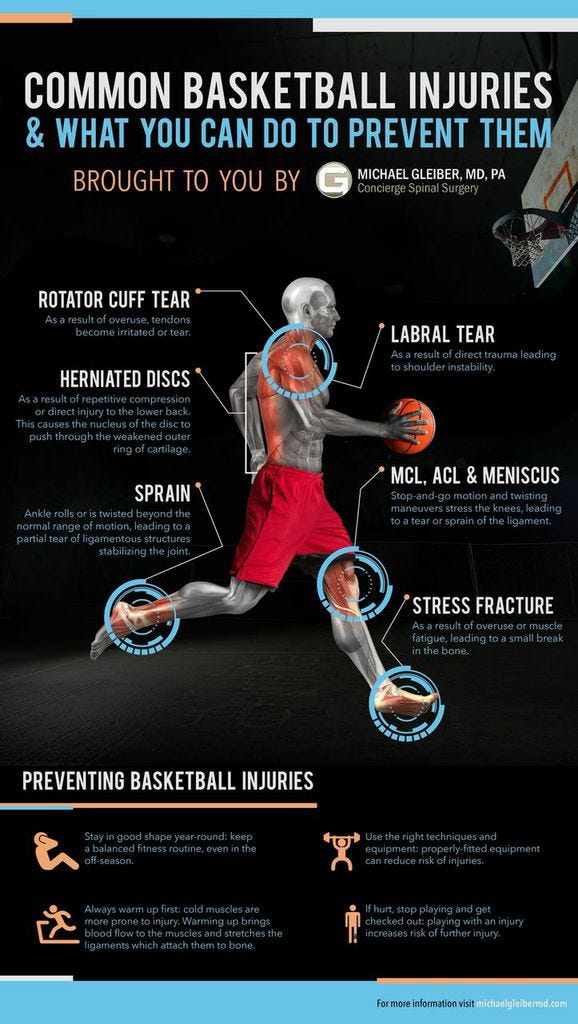
Imagine stepping onto the basketball court, feeling the thrill of the game, and knowing you’re prepared to play at your best without the fear of injuries holding you back. Basketball is a high-energy sport that demands agility, strength, and quick thinking.
However, it’s also a game where injuries can happen at any moment. Whether you’re a weekend warrior or an aspiring pro, keeping yourself injury-free is crucial to enjoying the sport you love and performing at your peak. You’ll discover practical tips and strategies to prevent injuries, ensuring that every jump shot, dribble, and dunk is executed with confidence and care.
Ready to keep your game strong and safe? Let’s dive in.
Warm-up Techniques
Prevent injuries in basketball with effective warm-up techniques. Stretch muscles gently to boost flexibility. Incorporate dynamic exercises to increase blood flow and prepare joints for movement.
Warm-Up Techniques A good warm-up is key to preventing basketball injuries. It prepares muscles and joints for intense activity. Proper techniques boost flexibility and reduce strain risk. They also improve performance on the court.Dynamic Stretching
Dynamic stretching involves active movements. These mimic basketball plays and improve range of motion. Leg swings and arm circles are popular choices. They loosen tight muscles and enhance agility. It’s important to start with gentle movements. Gradually increase intensity as muscles warm up. This reduces the risk of muscle tears.Cardiovascular Exercises
Cardiovascular exercises elevate heart rate. They prepare your body for fast-paced games. Jogging or jumping jacks are effective. They increase blood flow and oxygen delivery. This helps muscles perform better during play. A five-minute routine can boost endurance. It also primes your body for explosive actions. Keep movements controlled to avoid unnecessary strain.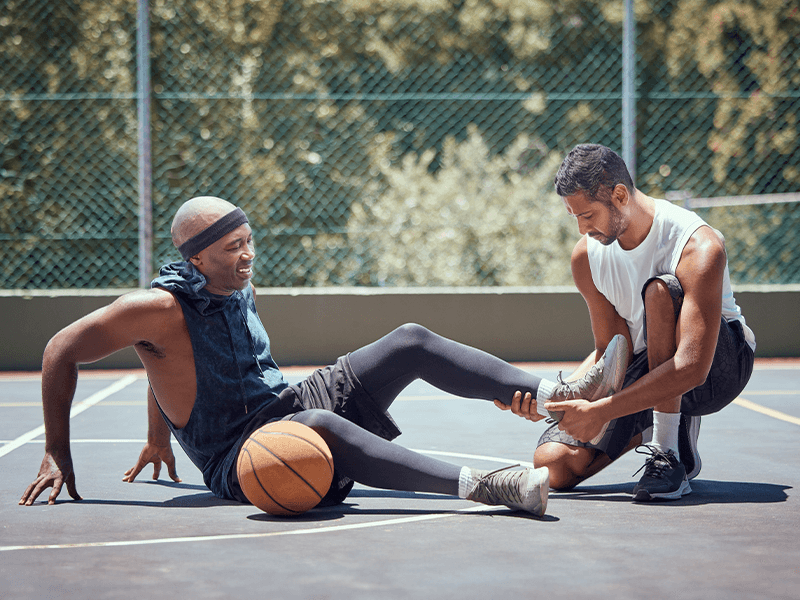
Credit: orthopedicnj.com
Proper Footwear
Proper footwear is crucial for preventing injuries in basketball. Wearing the right shoes can significantly reduce the risk of sprains and fractures. Basketball involves quick movements, jumps, and sudden stops. The right footwear provides stability, cushioning, and support. This ensures players can perform safely and effectively on the court.
Choosing The Right Shoes
Basketball shoes should fit well and offer ample ankle support. High-top shoes are excellent for reducing ankle injuries. Look for shoes with a cushioned sole to absorb shock from jumps. Ensure the shoes have a strong grip to prevent slipping. Consider the weight of the shoes; lighter options can enhance speed and agility.
Maintaining Shoe Condition
Regularly inspect your basketball shoes for wear and tear. Replace them if the sole is worn out. A worn sole reduces grip and increases injury risk. Clean your shoes regularly to maintain their condition. Dirt and debris can affect traction. Store shoes in a dry place to prevent mold and maintain material integrity.
Strength Training
Strength training boosts muscle strength and flexibility, key factors in injury prevention for basketball players. Focus on exercises that enhance core stability and improve balance, reducing strain on joints during dynamic movements. Consistent practice helps maintain proper form and alignment, essential for safe play and performance.
Strength training is a cornerstone in preventing injuries in basketball. It not only enhances your performance on the court but also fortifies your body against the demands of the game. By focusing on key muscle groups, you can significantly reduce your risk of common injuries. But where should you start?Core Stability
Your core is the foundation of every movement in basketball. A strong core helps maintain balance and prevent falls, especially during fast-paced plays. Consider exercises like planks and Russian twists. These exercises engage your abdominal muscles while also activating your lower back and hips. Try incorporating medicine ball throws into your routine. They mimic the dynamic movements of basketball, enhancing your stability in real-game situations.Lower Body Exercises
Your legs do most of the heavy lifting in basketball. From running and jumping to quick lateral movements, your lower body is constantly in action. Focus on squats and lunges. These exercises strengthen your quadriceps, hamstrings, and glutes, providing the power needed for explosive movements. Don’t neglect calf raises. Strong calves aid in agility and can prevent injuries like strains or sprains. Have you ever experienced knee pain after a game? Strengthening the muscles around your knees with targeted exercises can alleviate this common issue. Incorporating these strength training exercises into your routine can make a significant difference. What changes can you make today to protect your body and improve your game?
Credit: recoverrxpt.com
Flexibility And Mobility
Flexibility and mobility exercises help prevent injuries in basketball. They improve joint movement and muscle elasticity. Regular stretching reduces the risk of strains and sprains.
Flexibility and mobility are crucial for preventing injuries in basketball. Players need to move swiftly and adapt to the fast-paced game. Enhancing flexibility and mobility can safeguard against strains and sprains. It also helps in improving overall performance on the court.Importance Of Stretching
Stretching keeps muscles loose and ready for action. Regular stretching increases range of motion and prepares the body for intense activity. It reduces the risk of muscle tears during sudden movements. Dynamic stretching before games boosts blood flow to muscles. Static stretching after games aids in recovery.Mobility Drills
Mobility drills enhance joint function and flexibility. They prepare the body for quick changes in direction. Drills like lunges improve hip mobility. Arm circles help shoulder joints stay flexible. Ankle mobility exercises prevent twists and sprains. Regular practice of these drills builds overall strength and stability.Technique And Form
In basketball, technique and form play crucial roles in preventing injuries. Proper technique ensures movements are efficient and safe. Form helps players maintain control and balance. Both elements contribute to a player’s overall performance, minimizing the risk of injury.
Shooting Mechanics
Correct shooting mechanics reduce strain on the wrist and shoulder. Focus on hand placement and follow-through. Hold the ball with your fingertips for control. Keep your elbow aligned with the target. Use your legs for power, not just your arms.
Practice consistency in your shooting form. This builds muscle memory and reduces stress on joints. Proper mechanics lead to accurate shots and fewer injuries.
Dribbling Posture
Good dribbling posture protects your knees and back. Bend your knees slightly. Stay low to maintain control. Use your fingertips to dribble, not your palms.
Keep your head up while dribbling. This helps you see the court and avoids neck strain. Balance your weight evenly on both feet. It prevents unnecessary pressure on one side.
Proper posture enhances agility and reduces injury risks during fast movements. Practice these techniques to improve your game safely.

Credit: www.ultraankle.com
Hydration And Nutrition
Proper hydration and balanced nutrition are crucial for preventing basketball injuries. Staying hydrated helps maintain energy and muscle function. Eating a variety of nutrient-rich foods supports muscle repair and strength.
Hydration and nutrition play vital roles in preventing basketball injuries. Proper intake ensures muscles function optimally and reduces fatigue. It keeps players energized throughout the game. Let’s explore how a balanced diet and hydration contribute to injury prevention.Balanced Diet
A balanced diet fuels a basketball player’s body efficiently. It provides essential nutrients for muscle repair and growth. Include proteins, carbohydrates, and healthy fats in meals. Proteins help with muscle recovery. Carbohydrates provide energy for intense movements. Healthy fats support joint health. Vitamins and minerals boost the immune system. They help in fast recovery from minor injuries.Staying Hydrated
Staying hydrated maintains peak physical performance. Dehydration can lead to cramps and fatigue. Drink water before, during, and after games. It helps regulate body temperature. Electrolyte-rich drinks are beneficial. They replenish lost minerals from sweat. Monitor urine color for hydration levels. Pale yellow indicates proper hydration. Avoid sugary and caffeinated drinks. They can lead to dehydration.Rest And Recovery
Rest and recovery play a crucial role in preventing basketball injuries. Giving muscles time to heal reduces the risk of strains and sprains. Incorporate regular breaks and sleep for optimal performance and injury prevention.
Rest and recovery are vital components in preventing injuries in basketball. After intense games or practice sessions, your body needs time to heal and rejuvenate. Without adequate rest, the risk of injuries significantly increases, potentially sidelining you for long periods. Prioritizing rest and implementing effective recovery techniques can enhance your performance on the court and maintain your overall well-being.Importance Of Sleep
Sleep is a powerful tool in your recovery arsenal. It allows your body to repair tissues, produce hormones, and consolidate memories, including muscle memory. Aiming for 7-9 hours of quality sleep each night can dramatically lower your risk of injury. Think about the nights you skimped on sleep—did you feel sluggish and less focused during the game? Quality sleep can make the difference between a sharp, alert player and one prone to making mistakes.Recovery Practices
Incorporate diverse recovery practices into your routine to keep your body in top shape. After a strenuous game, consider engaging in light stretching to maintain flexibility and prevent stiffness. Hydration is another critical aspect—ensure you drink enough water to replace fluids lost through sweat. Some athletes swear by foam rolling to alleviate muscle soreness and improve circulation. Have you tried alternating between hot and cold showers? This simple practice can boost circulation and reduce inflammation. Listen to your body and explore different recovery methods to find what works best for you. By dedicating time to rest and recovery, you not only protect yourself from injuries but also enhance your game performance. Are you ready to make rest a priority in your basketball journey?Injury Management
Proper warm-up and stretching are essential for injury prevention in basketball. Focus on strength training and balance exercises to enhance stability and reduce the risk of falls. Wearing suitable footwear and maintaining hydration can also significantly minimize injuries during play.
Injury management is crucial for basketball players aiming for peak performance. Proper care ensures quick recovery and prevents further damage. Understanding immediate care and rehabilitation strategies is vital.Immediate Care
Immediate care can make a big difference. First, stop playing if injured. Resting prevents worsening the injury. Apply ice to reduce swelling. Ice should be used for 20 minutes. Compression helps control swelling. Wrap the injured area snugly. Elevation reduces swelling too. Raise the injured part above the heart level. Seek medical advice if pain persists.Rehabilitation Strategies
Rehabilitation helps regain strength and mobility. Start with gentle movements. Stretching improves flexibility and prevents stiffness. Gradually increase activity level. Strength training builds muscle support around the injury. Focus on balance exercises. Balance exercises enhance stability and prevent future injuries. Physical therapy offers professional guidance. Therapists design personalized recovery plans. Listen to your body during rehab. Pain signals a need to slow down. Return to play only when fully healed.Mental Preparation
Mental preparation is vital for preventing injuries in basketball. Stay focused during practice and games to anticipate movements better. This helps in reacting quickly and avoiding risky situations.
Mental preparation is key to preventing injuries in basketball. A focused mind helps maintain physical performance. It also aids in decision-making on the court. Mental readiness involves various components, all aimed at enhancing safety and performance.Focus And Concentration
Strong focus keeps players aware of their surroundings. It helps them anticipate opponents’ moves. Concentration aids in executing plays accurately. A distracted player is more prone to accidents. Practicing mindfulness techniques can improve focus. Short meditation sessions before games can be beneficial.Stress Management
Basketball can be stressful, leading to mistakes. Stress clouds judgment and slows reaction times. Deep breathing exercises can help manage stress. Visualization techniques are useful too. Picture successful plays to boost confidence. A calm mind reduces injury risks significantly.Frequently Asked Questions
How Can Warm-up Exercises Prevent Basketball Injuries?
Warm-up exercises increase blood flow and flexibility, reducing muscle stiffness. They prepare your body for intense activity, decreasing injury risks. Dynamic stretches and light jogging are effective warm-up techniques. Always ensure your warm-up is basketball-specific for optimal results.
What Role Does Hydration Play In Preventing Injuries?
Proper hydration maintains muscle function and reduces cramping risks. Staying hydrated supports joint lubrication and overall performance. Drink water before, during, and after games to keep your body balanced. Avoid caffeine and sugary drinks, which can dehydrate you.
How Important Is Proper Footwear In Basketball?
Proper footwear provides support and stability, reducing the risk of ankle injuries. Basketball shoes should offer good traction and cushioning. Ensure your shoes fit well to prevent blisters and foot pain. Regularly check for wear and replace them as needed.
Why Is Strength Training Vital For Injury Prevention?
Strength training builds muscle resilience and supports joint health. Strong muscles can better absorb impact and reduce injury risks. Focus on exercises that enhance core and lower body strength. Include strength training in your routine for better performance and safety.
Conclusion
Staying injury-free is crucial for enjoying basketball. Focus on proper warm-ups. Use the right gear to protect yourself. Always listen to your body’s signals. Rest is just as important as practice. This balance helps prevent overuse injuries. Maintain good form and technique.
It reduces strain and boosts performance. Stay hydrated and eat well. Nutrition fuels your body and aids recovery. Never ignore small pains; they can grow. Seek professional help if needed. Stay informed and proactive. This keeps your game safe and fun.
Enjoy basketball with confidence and care.