Imagine lacing up your running shoes, feeling the crisp air on your face, and setting off on your favorite trail. But there’s a cloud hanging over your run—nagging pain in your hip that just won’t go away.
You’re not alone. Many runners face hip injuries that can turn their passion into pain. The good news is, you can run freely without fear of injury. Understanding how to protect your hips is key to enjoying your runs, pain-free.
In this guide, you’ll discover simple yet effective strategies to prevent hip injuries, ensuring every run is a joy, not a burden. Ready to unlock the secrets to safe and satisfying runs? Let’s dive in.
Credit: hippainhelp.com
Proper Running Technique
Running is a fantastic way to stay fit, but improper technique can lead to hip injuries. Understanding the nuances of proper running technique is crucial for keeping your body safe and maximizing your performance. Let’s dive into some key elements of running form that can help prevent hip injuries.
Body Posture
Your body posture while running is fundamental to preventing injuries. Ensure your spine is straight and your shoulders are relaxed. Engage your core muscles to support your body and avoid leaning too far forward or backward.
Consider how you hold your head; it should be aligned with your spine, not jutting forward. This alignment allows your hips to move naturally, reducing stress and preventing injury.
Foot Strike Patterns
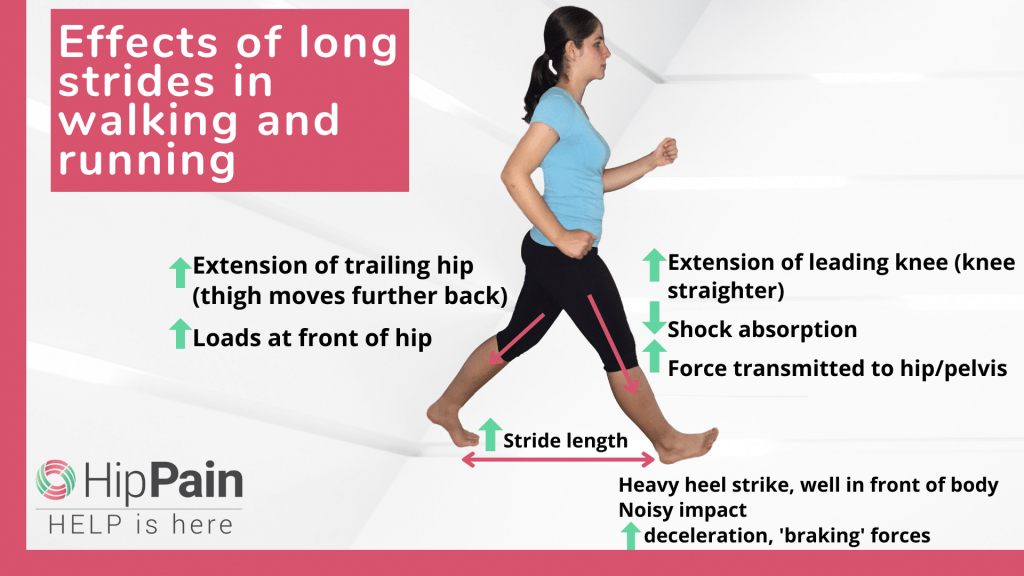
Foot strike is the part of your foot that first contacts the ground. Landing with your feet directly under your body helps absorb impact and reduce strain on your hips. Aim for a midfoot strike rather than a heel strike, which can cause undue stress on joints.
Try running on various surfaces to find what suits your foot strike best. Grass, trails, or track can offer different feedback, helping you adjust your technique.
Stride Length
Stride length is another critical aspect of running technique. Over-striding can increase the risk of hip injuries by creating excessive force on the body. Focus on shorter, quicker strides to maintain control and reduce impact.
Think of how you can maintain a cadence that feels comfortable yet efficient. Experiment with different stride lengths to find what works best for your body, keeping you injury-free.
Have you ever adjusted your running form and noticed a difference? Small changes can make a big impact on your overall running experience. Pay attention to these elements to enhance your technique and protect your hips.
Credit: hippainhelp.com
Warm-up Exercises
Running is a great way to stay fit, but hip injuries can be a concern. Warm-up exercises help prepare your body and prevent injuries. They loosen muscles and joints, making running safer and more enjoyable.
Dynamic Stretching
Dynamic stretching involves movement and helps activate muscles before running. These stretches increase heart rate and blood flow. Try leg swings to engage hip flexors. Perform high knees to warm up hip muscles and joints. Butt kicks can also be effective. Remember, dynamic stretches should mimic running motions.
Joint Mobility Drills
Joint mobility drills enhance flexibility and movement range. They are crucial for hip injury prevention. Hip circles can help improve joint mobility. Stand on one leg and rotate the opposite leg in circles. Another effective drill is hip openers. Start in a standing position, lift one knee, and rotate outward. Ensure your movements are controlled and steady.
Strength Training
Strength training builds muscle strength and supports the hips during runs. Focus on exercises that target hip flexors, glutes, and core muscles. Consistent strength training helps maintain alignment and reduces injury risk while running.
Strength training is essential for preventing hip injuries while running. It builds muscle support around the hips. Strong muscles help absorb shock and maintain balance. This reduces strain on the hip joints.Core Strength
A strong core stabilizes your entire body while running. It minimizes the risk of injury. Planks and bridges are effective exercises. They target core muscles. Include these in your routine for better hip stability.Hip Flexor Exercises
Tight hip flexors can lead to injuries. Stretching and strengthening them is crucial. Try lunges and leg raises. These exercises improve flexibility and strength. They keep your hips in top condition.Leg Muscle Conditioning
Conditioning leg muscles supports your hips. Focus on quads, hamstrings, and calves. Squats and calf raises are beneficial. They enhance muscle endurance and power. This support reduces hip injury risk.Flexibility Practices
Incorporate flexibility practices into your routine to prevent hip injuries while running. Stretching exercises like hip circles and lunges enhance joint mobility. Consistent practice improves flexibility and reduces the risk of injury.
Flexibility Practices Running is an excellent way to stay fit and healthy. Yet, it can also lead to hip injuries if not done carefully. Flexibility practices are key to preventing such injuries. Regular stretching improves joint mobility and muscle elasticity. These practices help maintain balance and reduce strain. They are essential for any runner aiming for longevity and injury-free performance.Static Stretching
Static stretching involves holding a stretch for a period. It helps lengthen muscles and improve flexibility. Focus on the hip flexors and quadriceps. These areas often tighten during running. Hold each stretch for 15 to 30 seconds. Breathe deeply and relax into the stretch. This practice helps reduce muscle tension and prevent injury.Yoga For Runners
Yoga enhances flexibility and strengthens muscles. It is ideal for runners. It incorporates poses that target specific areas. The pigeon pose stretches the hips effectively. Downward dog lengthens the hamstrings and calves. These poses increase flexibility and balance. Yoga also improves mental focus and breathing. Regular practice can prevent injuries and improve running performance.Appropriate Footwear
Running is a fantastic way to stay fit and healthy. It strengthens muscles and improves cardiovascular health. However, choosing the right footwear is crucial to prevent hip injuries. The right shoes provide support and balance, reducing strain on your hips.
Choosing Running Shoes
Select shoes that match your foot type. Feet can be flat, neutral, or have high arches. Visit a store and get your feet evaluated. This helps in finding shoes with the right cushioning and support. Consider the running surface too. Trail shoes work best for uneven terrains. Road shoes are ideal for pavements. Look for lightweight shoes for speed and comfort.
Shoe Replacement Tips
Worn-out shoes can lead to injuries. Replace your running shoes every 300 to 500 miles. Check for signs of wear regularly. Notice if the sole is uneven or the cushioning feels flat. Keep track of your mileage. Use a running app or journal for this. Pay attention to your body. If you experience new pain, it may be time for new shoes.

Credit: orthopedicnj.com
Gradual Progression
Gradual progression is key to preventing hip injuries while running. Rushing into a new routine can strain your muscles and joints. Understanding how to increase your efforts safely can make a big difference in your running experience.
Increasing Mileage Safely
Begin with a reasonable distance that matches your current fitness level. Aim to increase your mileage by no more than 10% per week. This helps your body adapt to the new demands without overloading it. Listen to your body and rest if you feel any discomfort.
Use a running plan that includes rest days. These days are crucial for recovery. They prevent overuse injuries and allow your muscles to rebuild. Cross-training activities like swimming or cycling can complement your running routine. They improve your overall fitness without stressing your hips.
Adapting To Terrain Changes
Different terrains require different running techniques. Flat surfaces are easier on your hips. Gradually introduce hills and uneven paths to your routine. Start with gentle slopes before tackling steeper inclines. This gradual change helps your body adjust to new stresses.
Consider your footwear when adapting to new terrains. Shoes with proper support and cushioning can reduce impact on your hips. Invest in quality running shoes that fit well and suit your running style. This small change can prevent injuries.
Listening To Your Body
Running is a fantastic way to stay fit, but it can sometimes lead to hip injuries if you’re not careful. One of the best ways to avoid these injuries is by listening to your body. Your body sends signals to help you recognize when it’s time to slow down, rest, or even stop. Paying attention to these signals is crucial for maintaining your health and enjoying your running routine without interruptions. So, how do you know when to listen and what signs should you be looking for?
Signs Of Overtraining
Overtraining can sneak up on you, especially if you’re pushing yourself hard every day. Watch out for persistent soreness or pain in your hips that doesn’t go away after a couple of days. If you’re feeling fatigued or irritable, these could also be signs that your body needs a break.
Another red flag is a decrease in performance despite consistent training. If your running times are getting slower rather than faster, it might be time to ease up. Are you experiencing trouble sleeping or loss of appetite? These are less obvious signs that you might be overdoing it. Listen to these cues; they are your body’s way of asking for some TLC.
When To Rest
Knowing when to rest is just as important as knowing when to push yourself. If you’re experiencing sharp or persistent pain, it’s time to take a break. Rest days are essential to allow your body to recover and build strength.
Think about your long-term goals. Is it worth pushing through the pain if it means risking a serious injury? Taking a day or two off can prevent weeks of downtime later. Listen to your body and give it the rest it needs. You’ll come back stronger and more refreshed.
Remember, resting doesn’t mean you’re slacking off. It’s a smart strategy to keep you in the game for the long haul. What are you risking if you ignore what your body is trying to tell you?
Consulting Health Professionals
Consulting health professionals can help prevent hip injuries when running. Learn proper techniques and exercises to strengthen your hips. Stay safe and enjoy your runs.
Consulting health professionals is crucial in preventing hip injuries while running. Expert advice helps identify risk factors and provides tailored strategies. Health professionals can recommend exercises to strengthen muscles around the hip. They can also spot early signs of potential injuries. Their expertise ensures that you take proactive measures for a safer running experience.Physical Therapy
Physical therapy plays a key role in injury prevention. Therapists assess your running style and identify imbalances. They design personalized exercise programs to improve hip stability. These exercises focus on strengthening and stretching key muscles. Therapists also teach proper warm-up routines. Consistent therapy sessions reduce injury risks and enhance performance.Regular Check-ups
Regular check-ups with health professionals help monitor your physical condition. These visits ensure early detection of issues before they develop into serious injuries. Doctors assess your overall fitness and offer advice on safe running practices. They might suggest lifestyle changes that support joint health. Regular evaluations keep your running routine safe and effective.Frequently Asked Questions
How Can I Strengthen My Hip Muscles For Running?
Strengthening hip muscles is crucial for running stability. Focus on exercises like squats, lunges, and hip bridges. These exercises help build strength and prevent injuries. Incorporate them into your routine a few times a week. Consistency is key for effective results and improved running performance.
What Stretches Prevent Hip Injuries In Runners?
Stretching is essential to prevent hip injuries. Incorporate dynamic stretches like leg swings and hip circles before running. Post-run, focus on static stretches such as the pigeon pose and hip flexor stretch. Regular stretching improves flexibility and reduces the risk of injury.
How Does Proper Footwear Affect Hip Injury?
Wearing proper footwear is vital for preventing hip injuries. Choose shoes that provide adequate support and cushioning. They help absorb impact and reduce strain on hips. Replace worn-out shoes regularly to maintain optimal support and performance during runs.
Are Warm-ups Necessary Before Running?
Warm-ups are crucial before running to prevent hip injuries. They prepare muscles and joints for activity. Include dynamic movements like high knees and butt kicks. These increase blood flow and flexibility, reducing the risk of strains and injuries.
Conclusion
Protecting your hips while running is crucial. Start with proper warm-ups. Always wear supportive shoes to cushion impact. Listen to your body; stop if you feel pain. Gradually increase your running distance and pace. Strengthen hip muscles through exercises. Consistency helps improve flexibility and endurance.
Stay hydrated and maintain a balanced diet. Seek professional advice if injuries persist. Small adjustments make big differences in preventing hip injuries. Prioritize safety to enjoy running without setbacks. Implement these tips for a healthier running experience. Keep your hips safe, and keep running strong!