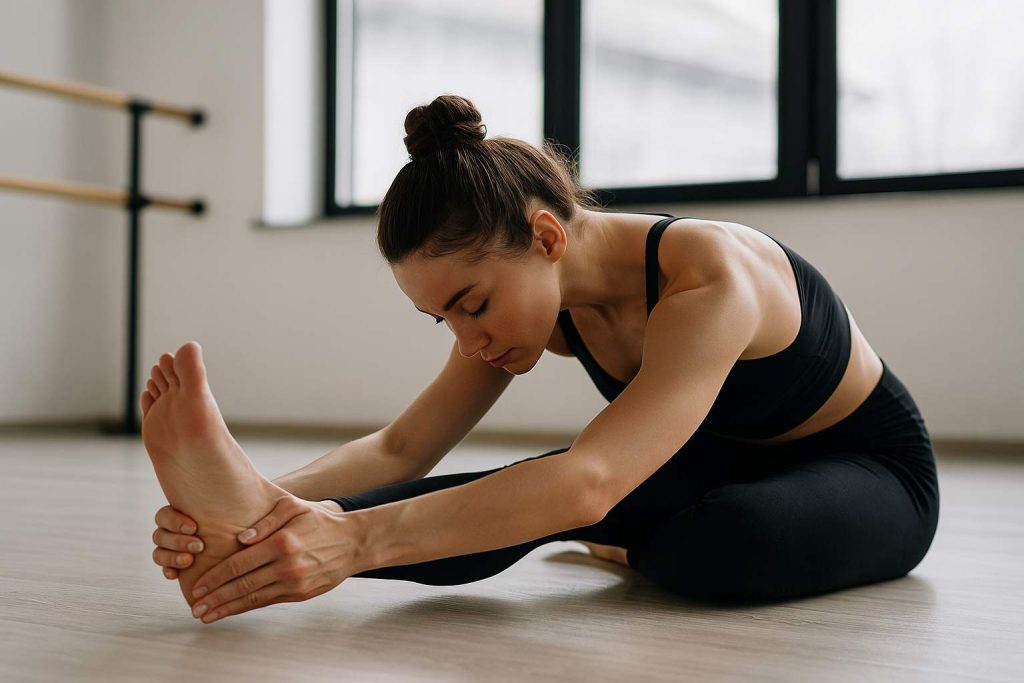
Your passion for dance fills your soul and fuels your spirit. Yet, as you leap and spin, your hips bear the brunt of your artistry.
Hip injuries can quickly turn your graceful movements into painful experiences, sidelining you from the dance floor you love. You’re not alone; many dancers face this challenge. But here’s the good news: you can take proactive steps to protect your hips and ensure your dance journey continues seamlessly.
In this guide, you’ll discover practical, effective strategies to prevent hip injuries, so you can dance with confidence and joy. Your body is your most important instrument—let’s keep it in perfect harmony. Keep reading to unlock the secrets to maintaining a healthy, injury-free dancing career.
Common Hip Injuries In Dancers
Dancers often face hip injuries due to intense movement and repetitive stress. Proper warm-up routines and strength exercises can help prevent these injuries, promoting better flexibility and joint health. Regular check-ups with a physiotherapist ensure early detection and treatment, keeping dancers on their feet and injury-free.
Dancing is an exhilarating art form, yet it demands a lot from the body, especially the hips. For dancers, understanding common hip injuries is crucial to keeping their performance at its peak and avoiding long-term damage. These injuries often stem from repetitive movements, lack of adequate warm-up, or pushing the body beyond its limits. By being aware of the potential risks, you can take proactive steps to safeguard your health and continue to dance with passion and precision.Labral Tears
Labral tears are a frequent concern for dancers. They occur when the ring of cartilage that follows the hip joint becomes damaged. Symptoms include pain, clicking sounds, and a feeling of instability. Consider whether you feel any unusual sensations during or after dancing. If you notice persistent discomfort, it might be time to consult a healthcare professional.Hip Flexor Strains
Hip flexor strains are common, often resulting from overuse or stretching beyond your capacity. They manifest as sharp pain in the front of the hip and can limit your range of motion. Reflect on your warm-up routine; are you giving your hip flexors enough time to adjust? Properly warming up can prevent this injury.Bursitis
Bursitis occurs when the bursae, fluid-filled sacs around the hip joint, become inflamed. Symptoms include swelling and tenderness, making it difficult to dance. Are you allowing yourself enough recovery time between sessions? Rest and ice can aid in reducing inflammation and should be part of your post-dance routine.Snapping Hip Syndrome
Snapping hip syndrome describes the sensation or sound of snapping in the hip. It can be annoying and sometimes painful, often caused by muscle or tendon movement over bone. Is your technique being refined regularly? Correcting dance techniques and incorporating strength exercises can help minimize this condition. Understanding these common injuries helps in recognizing symptoms early, ensuring timely treatment. What steps will you take to protect your hips and prolong your dancing career?
Credit: www.instagram.com
Understanding Hip Anatomy
Understanding hip anatomy helps dancers avoid injuries. Strong muscles and good flexibility are essential for hip health. Regular exercises can maintain balance and prevent strain during dance routines.
Understanding the hip anatomy is crucial for dancers. The hip is a complex joint, pivotal in dance movements. It’s responsible for stability, balance, and flexibility. Knowing how it functions aids in preventing injuries. Let’s explore the key components of hip anatomy.Understanding The Hip Joint
The hip joint is a ball-and-socket joint. It allows a wide range of motion. The femur’s head fits into the acetabulum of the pelvis. This structure provides stability and flexibility.Role Of Muscles And Tendons
Muscles and tendons surround the hip joint. They support movement and maintain balance. Key muscles include the glutes, hip flexors, and adductors. Strong muscles protect the joint from strain.Importance Of Ligaments
Ligaments connect bones in the hip. They keep the joint stable during movement. Ligaments prevent excessive movement, reducing injury risks.Impact Of Cartilage
Cartilage covers the joint surfaces. It ensures smooth movement and absorbs shocks. Healthy cartilage reduces friction and wear.Blood Supply And Nerves
Blood vessels supply oxygen and nutrients to the hip. Nerves send signals for movement and sensation. Proper circulation is vital for joint health. Understanding these components is key to injury prevention. Dancers should focus on strengthening and maintaining hip health.Importance Of Warm-up Exercises
Warm-up exercises are crucial for dancers. They prepare the body for intense movement. Proper warm-ups reduce the risk of hip injuries. They enhance flexibility and blood flow to muscles. This ensures dancers perform at their best. Let’s explore some key warm-up methods.
Dynamic Stretching
Dynamic stretching involves active movements. These stretches increase heart rate. They warm up muscles efficiently. Movements mimic dance steps. This prepares the hips for diverse motions. Dynamic stretches enhance flexibility and range of motion. They are ideal before any dance routine.
Targeted Muscle Activation
Muscle activation focuses on specific muscles. It ensures they are ready for action. Activation exercises target hip muscles. They strengthen and stabilize the area. Simple exercises like bridges are effective. They engage the core and hips. This reduces the risk of injury during dance.

Credit: www.instagram.com
Strengthening Key Muscle Groups
Preventing hip injuries in dancers requires a dedicated focus on strengthening key muscle groups. Dancers often push their bodies to the limit, and without proper muscle support, injuries can occur. By targeting specific muscles, you can enhance your performance and safeguard your hips.
Core Stability
Your core muscles serve as the foundation for all movements. Think of them as the stabilizers that keep everything in balance. A strong core helps maintain proper alignment, reducing the stress on your hips during complex moves. Simple exercises like planks, bridges, and crunches can be effective. Dedicate time each day to fortify this essential muscle group.
Ever felt that slight wobble during a pirouette? That’s your core calling for some love. Engaging in exercises that challenge your balance can significantly improve stability. Consider incorporating balance boards or yoga into your routine to boost core strength.
Hip Flexor Strength
Hip flexors are vital for high kicks and fluid transitions. They support the lifting and bending actions, which are commonplace in dance. Strong hip flexors can help prevent strains and tears. Exercises like leg raises, lunges, and squats target these muscles effectively.
Have you noticed that after a long day of dancing, your hips feel tight? This is a sign that your hip flexors are asking for attention. Stretching them regularly can improve flexibility and reduce tension. Try dynamic stretches before practice and static stretches post-performance for optimal results.
Are you giving your hips the support they need? Embrace these exercises and watch your dance moves become more powerful and graceful. By focusing on these muscle groups, you not only prevent injuries but also enhance your overall dance technique.
Incorporating Flexibility Training
Incorporating flexibility training can help dancers prevent hip injuries. Regular stretching enhances range of motion and muscle elasticity. This reduces the risk of strain during performances.
Incorporating flexibility training is crucial for dancers to prevent hip injuries. Flexible muscles allow for a greater range of motion. This reduces the risk of strains and tears. Dancers often push their bodies to the limit. Proper flexibility routines help in maintaining healthy joints and muscles.Safe Stretching Techniques
Stretching should be done with care to avoid harm. Warm up before starting any stretches. Cold muscles are more prone to injury. Dynamic stretches are beneficial for warming up. They involve gentle movements rather than holding a position. After warming up, focus on static stretches. Hold each stretch for 15 to 30 seconds. Avoid bouncing during stretches as it can lead to muscle tears. Listen to your body. If a stretch causes pain, stop immediately.Balancing Flexibility And Strength
Flexibility alone isn’t enough for injury prevention. Strength is equally important. Strong muscles support flexible movements. They stabilize the joints during complex dance moves. Incorporate strength exercises into your routine. Focus on exercises like squats and lunges. These build strength in the hips and thighs. Pilates and yoga can enhance both flexibility and strength. They promote muscle balance and control. Balance training ensures a stable foundation for dance. This reduces the likelihood of falls and injuries.
Credit: www.instagram.com
Role Of Proper Technique
Proper technique plays a vital role in preventing hip injuries in dancers. It ensures correct posture, reducing strain and risk of injury. Consistent practice with proper form helps maintain flexibility and strength, protecting the hips during intense movements.
Role of Proper Technique Proper technique plays a crucial role in preventing hip injuries in dancers. It ensures movements are safe and effective. By focusing on correct technique, dancers reduce strain on their hips. This helps maintain longevity in their dance careers. Let’s explore key aspects of technique that safeguard the hips.Correct Alignment
Correct alignment is vital for hip safety. Dancers should keep their hips level and aligned. This reduces unnecessary pressure on the joints. Proper alignment involves keeping the spine straight. Shoulders should be relaxed, not hunched. Feet should point naturally. Always aim for a neutral position. This ensures balance and stability. Misalignment can lead to chronic pain.Avoiding Overextension
Overextension can be harmful to the hips. Dancers should avoid pushing beyond natural limits. Stretching is essential but should be controlled. Overextending can tear muscles and ligaments. Keep movements within a comfortable range. Warm up properly before attempting high kicks. Use gradual progression in flexibility training. This protects the hips from injury.Using Protective Gear
Wearing proper protective gear can help prevent hip injuries in dancers. Items like padded shorts offer extra cushioning and support during intense movements. Ensuring the right fit is essential for comfort and effectiveness.
Using protective gear can be a game-changer in preventing hip injuries for dancers. While technique and strength training are crucial, sometimes a little extra support is necessary. Let’s delve into the specifics of how protective gear like supportive footwear and hip pads can make a difference in your dance practice.Supportive Footwear
Choosing the right shoes is essential for dancers. Footwear should not only be comfortable but also provide adequate arch support and cushioning. Shoes that fit well can help absorb shock, reducing stress on your hips. Consider shoes with non-slip soles to prevent falls during tricky maneuvers. A friend of mine, who is a ballet dancer, swears by her split-sole ballet shoes because they offer flexibility and support where she needs it most. Have you ever thought about how much time you spend on your feet dancing? Investing in quality footwear is an investment in your health and longevity as a dancer.Hip Pads And Braces
Hip pads and braces can be lifesavers, especially during intense rehearsals or performances. They provide extra cushioning and support, reducing the risk of injury from sudden impacts or awkward landings. Hip braces, in particular, help stabilize the joint and can be adjusted for a snug fit. One of my colleagues uses a lightweight hip brace during long dance sessions and noticed a significant reduction in post-dance soreness. Have you ever wondered if you’re doing enough to protect your hips? Adding these protective elements might be the key to dancing safely and confidently.Signs Of Overuse And Fatigue
Spotting signs of overuse and fatigue can help prevent hip injuries in dancers. Watch for persistent soreness, decreased range of motion, and unusual stiffness. Recognizing these early symptoms allows for proper rest and recovery, safeguarding dancers’ hip health.
Dancers often push their bodies to the limit. This can lead to overuse and fatigue, especially in the hips. Recognizing these signs early can prevent serious injuries. It’s important to listen to your body and know when to rest and recover.Recognizing Early Symptoms
Pain is a common sign of overuse. It may start as a dull ache in the hip area. Stiffness or reduced range of motion can also indicate fatigue. Swelling or tenderness in the hip region should not be ignored. These symptoms can worsen if untreated. Dancers might also notice a change in performance. Feeling less agile or losing strength are warning signals.When To Rest And Recover
Rest is crucial when symptoms appear. Continuing to dance can increase injury risk. Taking a break helps the body heal. Short rest periods can prevent long-term damage. It’s essential to listen to your body’s needs. Recovery might involve gentle stretching. Applying ice can reduce swelling. Consulting a professional can provide guidance. Regular breaks can maintain long-term health.Seeking Professional Guidance
Seeking professional guidance is crucial in preventing hip injuries in dancers. Expert advice ensures proper technique and reduces injury risks. Professionals provide personalized assessments and effective strategies.
Working With A Physical Therapist
Physical therapists help dancers improve strength and flexibility. They design exercises targeting specific muscles around the hip. Personalized programs address individual weaknesses and imbalances. Regular sessions with a therapist can enhance performance and prevent injuries. They also teach dancers proper warm-up and cool-down routines.
Regular Check-ups With A Sports Doctor
Sports doctors specialize in treating athletes, including dancers. Regular check-ups help detect potential issues early. Early detection prevents small problems from becoming severe injuries. A sports doctor provides valuable insights into a dancer’s physical condition. They also offer advice on nutrition and recovery techniques. Consistent monitoring ensures a dancer’s body remains in peak condition.
Creating A Balanced Training Regimen
Creating a balanced training regimen helps prevent hip injuries in dancers by focusing on strength and flexibility. Incorporate exercises that enhance core stability and improve joint mobility. Prioritize rest and recovery to maintain overall hip health.
Creating a balanced training regimen is crucial for dancers to prevent hip injuries. A well-rounded approach not only enhances performance but also safeguards your body from excessive strain. By strategically planning your training, you can maintain your passion for dance while staying injury-free.Integrating Cross-training
Cross-training offers dancers a chance to build strength and flexibility in areas not typically targeted by dance routines. Activities like swimming, Pilates, or cycling can improve cardiovascular health and muscle endurance. By adding these activities, you create a more resilient body capable of withstanding the demands of dance. Think about the muscles you use in dance. Cross-training can help balance those muscles, reducing the risk of overuse injuries. It’s like giving your body a toolbox full of skills to draw from.Scheduling Rest Days
Rest days are not a sign of weakness; they are a fundamental part of a dancer’s regimen. Your body needs time to repair and strengthen itself after intense training. Without adequate rest, you risk fatigue and increased injury susceptibility. How often do you give your body a break? Consider including at least one full rest day each week to allow your muscles to recover. This doesn’t mean you have to be inactive; gentle activities like stretching or yoga can be restorative. Creating a balanced training regimen is about listening to your body. It’s about recognizing that rest and variety are not just luxuries—they are necessities for a sustainable dance career.Frequently Asked Questions
What Exercises Strengthen Hips For Dancers?
Dancers can strengthen their hips with targeted exercises like clamshells, glute bridges, and leg lifts. Incorporating resistance bands can enhance the effectiveness. Consistency is key for building hip strength. Aim to perform these exercises at least three times a week for optimal results.
How Can Dancers Improve Hip Flexibility?
Improving hip flexibility involves regular stretching routines. Dancers should focus on dynamic stretches before dancing and static stretches after. Incorporate exercises like lunges and hip circles. Consistent practice will enhance flexibility, reducing the risk of injuries.
Why Are Hip Injuries Common In Dancers?
Hip injuries are common due to repetitive movements and high-impact routines. Overuse and poor technique can strain the hip joints. Ensuring proper warm-up, strength training, and technique refinement can help mitigate these risks, keeping dancers healthy.
How Important Is Warm-up For Dancers’ Hips?
Warm-up is crucial for preparing the hips and preventing injuries. It increases blood flow and flexibility, reducing strain. A good warm-up should include dynamic stretches and controlled movements. Dancers should dedicate at least 10 minutes to warming up before practice.
Conclusion
Dancers can protect their hips by practicing safe techniques. Regular warm-ups help prepare muscles. Stretching keeps joints flexible and healthy. Strength training builds support for hip movement. Balance exercises enhance stability and control. Listening to your body prevents overuse injuries.
Taking breaks allows recovery time. Proper footwear reduces stress on joints. Seeking professional guidance ensures effective routines. Remember, a healthy hip means a longer dance career. Care for your body, and it will care for you. By following these tips, dancers can enjoy their passion while staying injury-free.
Stay strong, dance smart, and keep those hips safe!