Are you worried about how the scorching heat can affect your health? You’re not alone.
Every year, countless individuals suffer from heat injuries that are not only uncomfortable but can also be dangerous. Understanding how to prevent these injuries is crucial, especially during the hotter months. Imagine enjoying a sunny day without the fear of heat exhaustion or heat stroke creeping in.
By taking simple, proactive steps, you can protect yourself and your loved ones from the harmful effects of extreme heat. This guide will show you how to stay cool, safe, and healthy, so you can focus on making the most of your summer adventures. Keep reading to discover practical tips that could make all the difference in your well-being.

Credit: www.facebook.com
Recognizing Heat Injuries
Preventing heat injuries starts with staying hydrated and wearing light clothing. Seek shade during peak sun hours to reduce exposure. Recognize symptoms like dizziness and nausea early to avoid serious conditions.
Recognizing Heat Injuries Heat injuries can affect anyone exposed to high temperatures. Understanding these injuries is crucial for prevention. They occur when the body struggles to cope with heat. Recognizing symptoms early can prevent severe consequences.Common Types Of Heat Injuries
Heat injuries include heat exhaustion, heat stroke, and heat cramps. Heat exhaustion often happens with prolonged exposure to high temperatures. It’s less severe than heat stroke but requires attention. Heat stroke is the most serious and can be life-threatening. It occurs when the body fails to regulate temperature. Heat cramps are muscle spasms caused by loss of fluids and electrolytes.Symptoms To Watch For
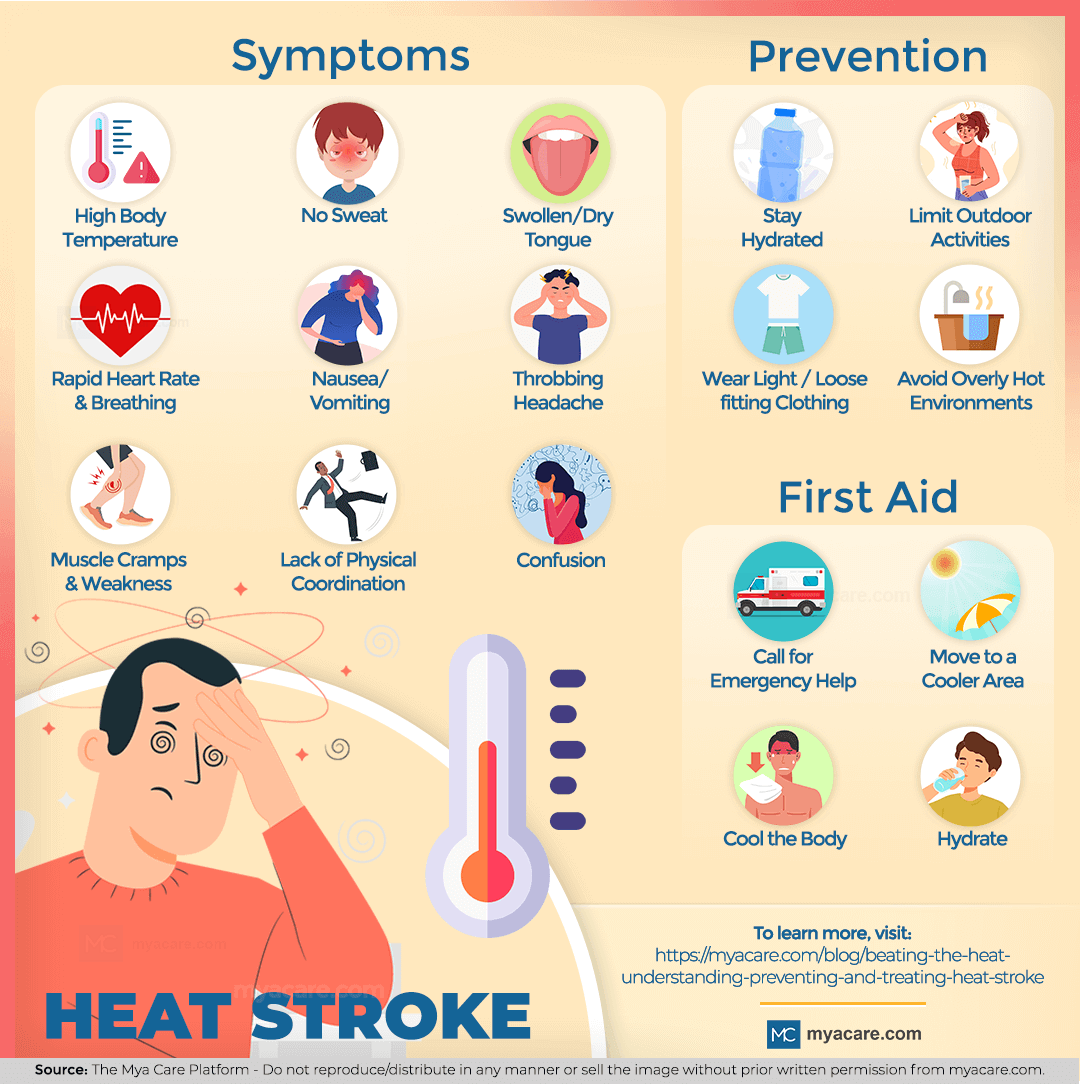
Heat exhaustion symptoms include heavy sweating, weak pulse, and dizziness. Fatigue and muscle cramps are also common. Heat stroke symptoms are more severe. They include confusion, rapid pulse, and high body temperature. Seek medical help immediately if you notice these signs. Heat cramps cause painful muscle spasms, often in legs or arms. Drinking fluids can help relieve cramps. Recognizing these symptoms early is key to avoiding heat injuries.Staying Hydrated
Staying hydrated is crucial to prevent heat injuries. Drink water regularly, even if you aren’t thirsty. Eat fruits high in water content like watermelon and cucumber to maintain hydration levels.
Staying hydrated is crucial to prevent heat injuries during hot weather. Water is essential for maintaining body temperature and overall health. Dehydration can lead to serious heat-related illnesses like heat exhaustion or heat stroke. Proper hydration supports your body’s ability to cool itself. It also helps in muscle function and mood stability. Drinking enough fluids keeps your energy levels up and prevents fatigue.Importance Of Water Intake
Water intake is vital for health, especially in high temperatures. It helps regulate body temperature and keeps organs functioning properly. Sufficient water prevents dehydration, which can cause headaches and dizziness. Hydration aids digestion and keeps skin healthy. It also supports physical performance and mental clarity. Drinking water replenishes lost fluids from sweating. This is especially important during exercise or outdoor activities.Hydration Tips For Hot Weather
In hot weather, prioritize hydration to avoid heat injuries.- Drink small amounts frequently instead of large amounts at once.
- Carry a reusable water bottle to remind you to drink.
- Opt for water-rich foods like fruits and vegetables.
- Avoid drinks with caffeine or alcohol; they can dehydrate.
- Monitor urine color; it should be light yellow.
- Set reminders to drink water throughout the day.
- Start your day with a glass of water before meals.
- Take water breaks if you are active outside.
Proper Clothing Choices
Choosing lightweight, breathable fabrics helps reduce heat injuries. Loose-fitting clothes allow air circulation, keeping skin cooler. Opt for light colors to reflect sunlight and prevent overheating.
Choosing the right clothing can make a significant difference in how your body handles heat. Proper clothing choices are essential to prevent heat injuries, especially when the sun is blazing. The right attire not only helps you stay cool but also protects your skin from harmful UV rays. Let’s explore how you can choose the best fabrics and dress smartly for the sun.Best Fabrics For Hot Weather
When the temperature rises, your fabric choice can determine whether you stay comfortable or overheat. Light and breathable fabrics like cotton and linen are your best friends. They allow air to circulate around your body, helping to keep you cool. Moisture-wicking materials, such as those found in athletic wear, can also be a great option. These fabrics draw sweat away from your skin, which can evaporate and cool you down. Avoid synthetic materials like polyester, as they tend to trap heat and moisture, making you feel hotter.Dressing For Sun Protection
Protecting your skin from sunburn is as crucial as staying cool. Wearing long-sleeved shirts and pants made from lightweight fabric can shield your skin from direct sunlight. You might think covering up would make you hotter, but it actually helps keep the sun’s rays off your skin. Consider clothing with built-in UV protection. Many outdoor brands offer garments specifically designed to block harmful UV rays. Don’t forget a wide-brimmed hat and sunglasses to protect your face and eyes. How do you balance staying cool and protecting yourself from the sun’s harsh effects?Scheduling Outdoor Activities
Scheduling outdoor activities wisely is crucial to prevent heat injuries. By choosing the right times and planning rest breaks, you can stay safe and enjoy your time outside. This approach not only safeguards your health but also enhances your outdoor experience.
Optimal Times For Outdoor Activities
The early morning is ideal for outdoor activities. Temperatures are cooler, reducing heat stress. Late afternoon or evening is another good option. The sun is less intense then. Avoid peak midday hours. This is when the sun is strongest and heat injuries are more likely.
Planning Rest Breaks
Regular breaks are vital during outdoor activities. They help your body recover from heat exposure. Plan breaks every hour to stay hydrated. Find shaded areas for your breaks. This helps lower your body temperature. Resting reduces the risk of heat exhaustion and keeps energy levels up.
Creating A Cool Environment
Creating a cool environment can prevent heat injuries by maintaining proper ventilation. Using fans or air conditioners helps keep temperatures comfortable. Wearing lightweight, breathable clothing allows the body to regulate its temperature effectively.
Creating a cool environment is crucial in preventing heat injuries, especially during those blistering summer months. A comfortable space not only helps you stay cool but also keeps your energy levels up. You might be surprised at how simple changes can make a big difference. Let’s explore some practical ways to keep your environment cool and inviting.Using Fans And Air Conditioning
Fans and air conditioning are your best allies in beating the heat. Position fans strategically to circulate air throughout your home. Ceiling fans should rotate counterclockwise to push cool air down. Air conditioning is more effective when used smartly. Set your thermostat to a comfortable temperature, but don’t go too low; this saves energy and reduces costs. Regularly clean and maintain your AC to ensure optimal performance.Shading Techniques
Shading your home can significantly reduce indoor temperatures. Use blinds, curtains, or shades to block out the sun during peak hours. Light-colored window treatments reflect sunlight better. Consider planting trees or installing awnings outside your windows. They provide natural shade and reduce the amount of heat entering your home. Ever thought about adding reflective films to your windows? They can be a game-changer for keeping the heat out. Creating a cool environment can make a world of difference in your comfort and safety. Are you ready to make these changes and enjoy a cooler, more enjoyable summer?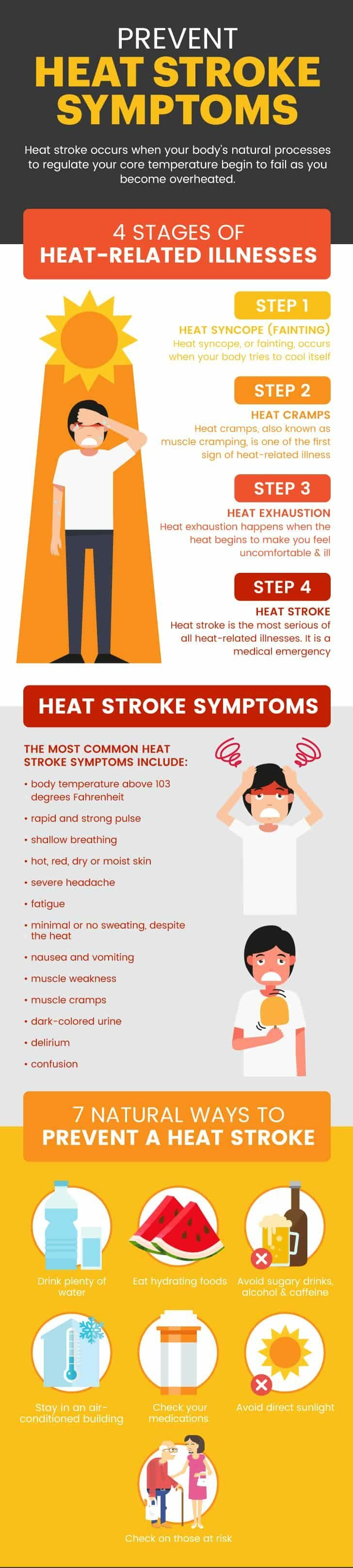
Credit: draxe.com
Recognizing Warning Signs
Heat injuries can be dangerous if not addressed promptly. Recognizing warning signs early can prevent serious harm. Pay attention to your body’s signals. Knowing these signs helps avoid complications. Immediate action is crucial.
Signs Of Heat Exhaustion
Heat exhaustion can manifest in different ways. Common symptoms include:
- Heavy sweating and pale skin
- Muscle cramps and weakness
- Dizziness and headache
- Nausea or vomiting
- Rapid heartbeat
These signs indicate your body is overheating. Move to a cooler place and hydrate. Rest until you feel better.
When To Seek Medical Help
Sometimes, self-care isn’t enough. Seek medical help if:
- Symptoms worsen or persist
- You experience confusion or fainting
- High fever or difficulty breathing occurs
- Severe vomiting prevents hydration
Medical professionals can provide necessary treatment. Don’t wait if symptoms are severe.
First Aid For Heat Injuries
Heat injuries can strike suddenly. Knowing first aid is crucial. Quick action can prevent serious harm.
Recognize the signs of heat injuries. Common symptoms include dizziness, nausea, and headaches. Immediate intervention is vital.
Immediate Actions To Take
Act fast if someone shows heat injury signs. Move them to a cooler place. Ensure they lie down and rest.
Offer cool water if they are conscious. Avoid giving drinks with caffeine or alcohol. Loosen tight clothing to enhance airflow.
Cooling Techniques
Use cooling methods to reduce body heat. Apply cold compresses to the neck and armpits. This helps in lowering body temperature.
Spray cool water on the skin. Fanning can accelerate cooling. If available, use a damp cloth to wipe the skin.
Credit: myacare.com
Educating Others
Educating others on preventing heat injuries involves understanding symptoms and taking precautions. Wear lightweight clothes and stay hydrated. Schedule activities during cooler parts of the day to reduce risk.
Educating others about heat injuries can save lives. People often underestimate the dangers of heat. Sharing knowledge can help prevent accidents. It’s important to spread awareness in your community. Let’s explore how you can make a difference.Sharing Safety Tips
Share simple safety tips with friends and family. Use easy-to-understand language. Explain the importance of staying hydrated. Encourage wearing light and loose clothing. Discuss the benefits of taking regular breaks in the shade. Use visual aids like charts or images. They make the information clear and memorable. Share tips through social media. Create posts that are easy to read and share. Reach a wider audience with your message.Raising Awareness In The Community
Organize workshops in your local area. Invite experts to speak about heat safety. Encourage community participation. Use flyers and posters to advertise events. Place them in community centers, libraries, and schools. Collaborate with local health organizations. Work together to spread awareness. Host community challenges to promote heat safety. Make learning fun and engaging for everyone. Encourage local businesses to display safety tips. Create a heat safety newsletter. Include tips, stories, and expert advice. Share it with your community regularly. Keep everyone informed and prepared. By educating others, you help build a safer community. Everyone benefits from shared knowledge and awareness.Frequently Asked Questions
What Are Common Heat Injuries?
Heat injuries include heat exhaustion, heat stroke, and dehydration. Symptoms can range from dizziness and fatigue to rapid heartbeat. Recognizing these signs early can help prevent severe damage. Drinking water and resting in shade are essential first steps. Always seek medical attention if symptoms worsen.
How Can I Stay Hydrated In Heat?
Drink water regularly, even if you’re not thirsty. Electrolyte drinks can help replenish lost minerals. Avoid alcohol and caffeine, as they can dehydrate you further. Eating fruits like watermelon and oranges can also boost hydration. Carrying a water bottle ensures easy access to fluids.
What Clothing Is Best In Hot Weather?
Wear light-colored, loose-fitting clothing to reflect heat and allow airflow. Choose breathable fabrics like cotton or linen. Hats and sunglasses can protect against sun exposure. Avoid dark colors and heavy fabrics, as they retain heat. Dressing appropriately reduces the risk of heat-related injuries.
How Does Sunscreen Prevent Heat Injuries?
Sunscreen protects your skin from harmful UV rays. Using SPF 30 or higher can prevent sunburn. Apply it every two hours, especially if sweating or swimming. Sunburn increases the risk of heat exhaustion and dehydration. Protecting your skin reduces overall heat injury risk.
Conclusion
Staying safe in hot weather is crucial. Drink plenty of water. Take breaks often. Wear light clothing. These simple steps can prevent heat injuries. Pay attention to your body. Feel dizzy or weak? Rest immediately. Avoid direct sunlight when possible.
Seek shade. Use fans or air conditioning. Stay informed about the weather forecast. Protect yourself during heat waves. Share these tips with friends and family. Everyone should stay safe in the heat. Heat injuries are preventable. Careful planning and awareness can make a big difference.
Remember these tips and enjoy the summer safely.