Imagine this: You’re out on the field, the adrenaline is pumping, and you’re on the verge of scoring the winning point. But in that crucial moment, an unexpected collision happens.
Suddenly, your focus shifts from victory to the safety of your head. Head injuries in sports are more common than you might think, but they don’t have to be an inevitable part of the game. This guide will show you how to keep your head safe while still enjoying the sports you love.
With the right strategies, you can reduce the risk of injury without compromising on performance. Your health and well-being are paramount, and knowing how to protect yourself can make all the difference. Stay with us as we reveal simple yet powerful ways to prevent head injuries, ensuring that you can play hard and play safe. Keep reading to discover how you can safeguard your future on and off the field.
Importance Of Head Injury Prevention
Head injuries can be life-altering. They affect our daily lives and future. Preventing these injuries is crucial for athletes. It ensures safety and well-being during sports activities.
Understanding the importance of prevention helps reduce risks. It empowers players with knowledge and skills to protect themselves. Prioritizing safety can save lives.
Understanding Risks And Consequences
Playing sports involves physical contact and competition. This increases the risk of head injuries. These injuries can lead to long-term health issues.
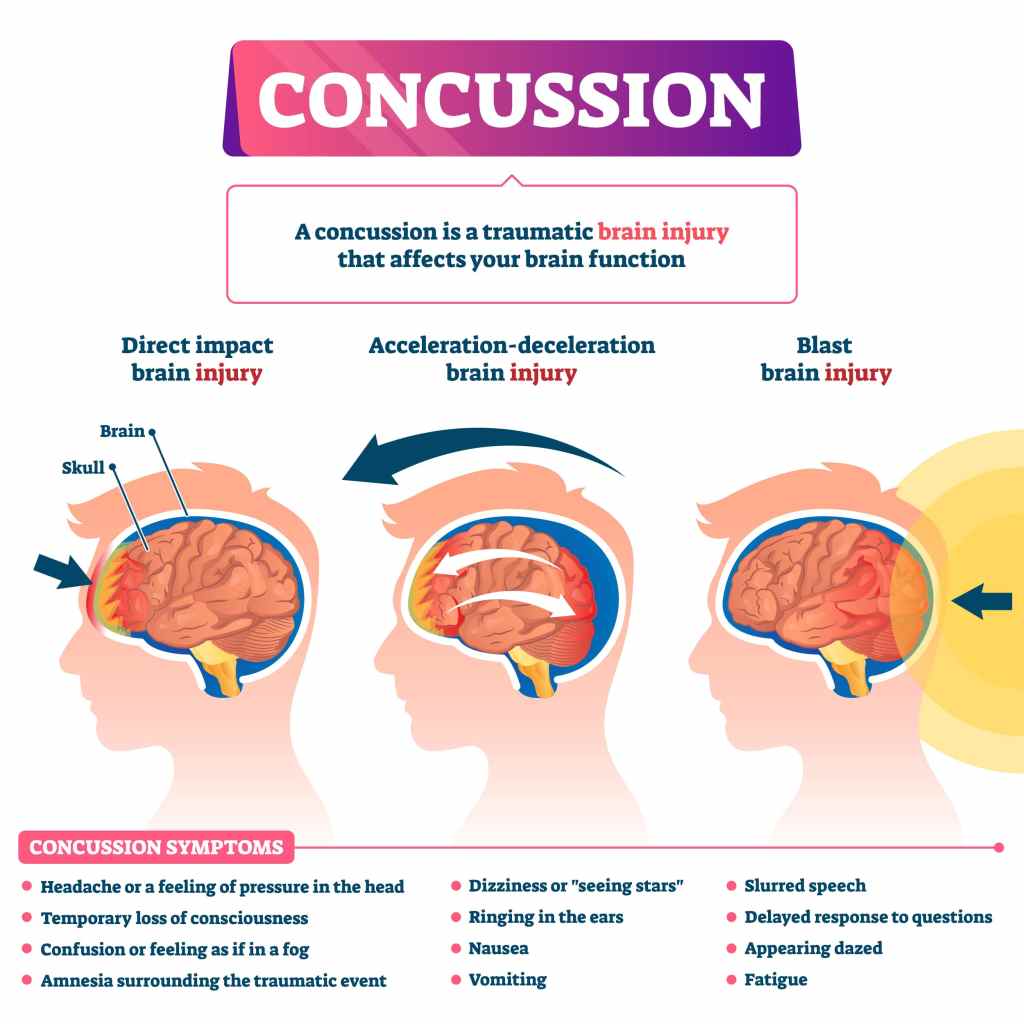
Concussions are common in sports. They affect memory and concentration. Severe injuries can result in permanent brain damage.
Implementing Safety Measures
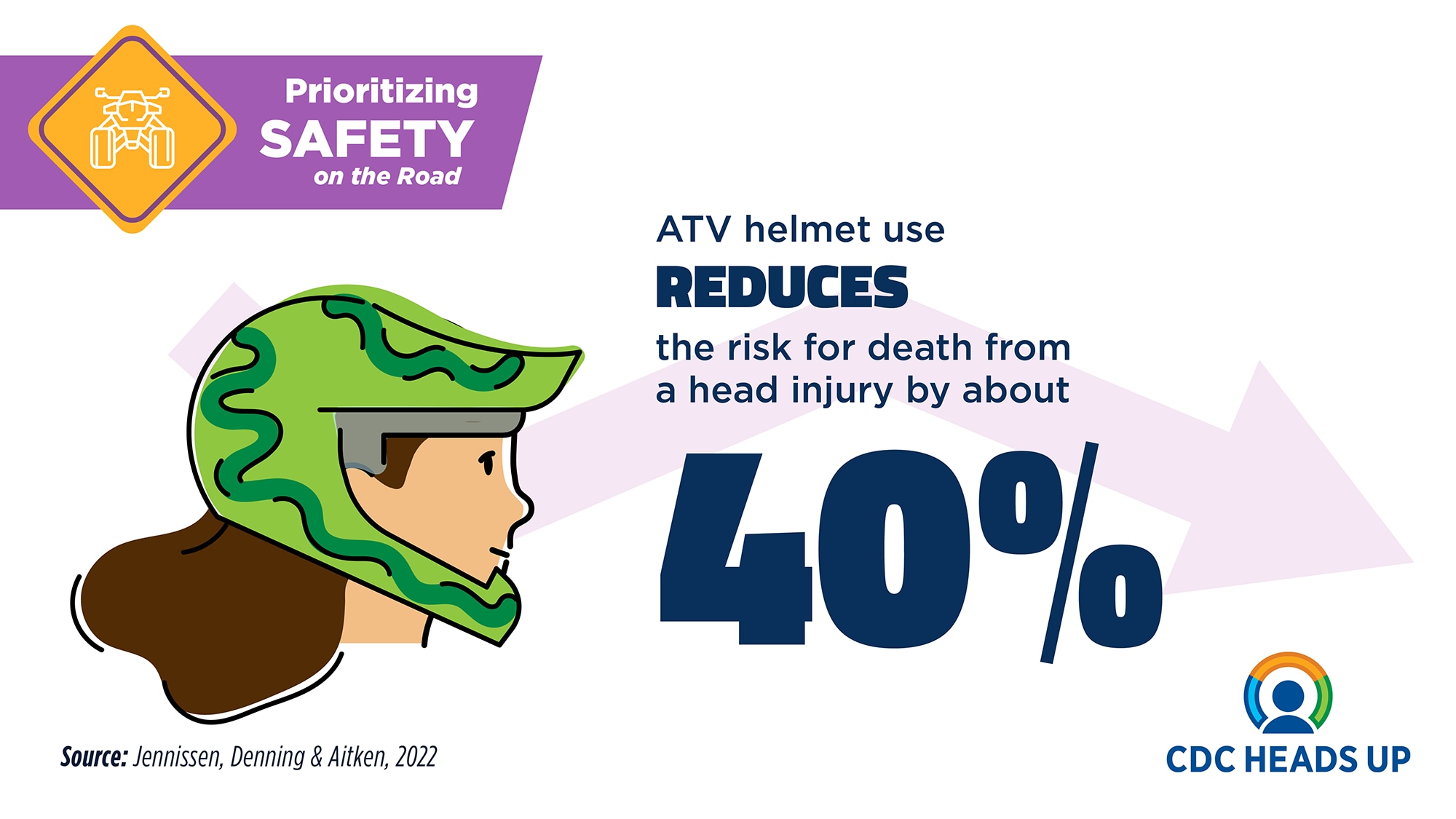
Wearing helmets is essential. They protect the head during impacts. Helmets should fit properly and meet safety standards.
Coaches must educate players on safe techniques. Proper training reduces the chance of injuries. Players should learn to avoid dangerous situations.
Promoting Awareness And Education
Educating athletes about risks is vital. Awareness encourages players to take safety seriously. It promotes a culture of prevention in sports.
Schools and sports organizations should offer safety programs. These programs teach best practices for avoiding injuries.
Monitoring And Adapting To Changes
Regular monitoring of players’ health is crucial. It ensures early detection of symptoms and injuries. Adjusting training methods can prevent future injuries.
Sports evolve, requiring adaptation. Players should stay informed about new safety measures and equipment.
Proper Use Of Protective Gear
Using protective gear is vital in preventing head injuries in sports. Helmets and other equipment provide a layer of safety for athletes. Proper use and maintenance of gear ensure maximum protection. Choose the right gear and keep it in good condition.
Choosing The Right Helmet
Select a helmet designed for the specific sport you play. Different sports require different types of helmets. For example, football helmets differ from cycling helmets. Check the helmet’s certification for safety standards. Always opt for a helmet that fits snugly but comfortably. A good fit ensures the helmet stays in place during activity. Adjust straps and pads for a secure fit. Avoid using helmets that are too tight or too loose.
Maintaining Equipment
Regular maintenance of protective gear is crucial. Inspect helmets and gear before each use. Look for cracks, dents, or other damage. Damaged gear cannot provide adequate protection. Clean your equipment after use to prevent wear and tear. Store helmets in a cool, dry place. Avoid direct sunlight or extreme temperatures. Replace helmets and gear as needed. Most helmets have a lifespan and should be replaced accordingly. Keep an eye on any recalls or safety notices from manufacturers.
Training And Technique
Effective training and proper technique play a vital role in preventing head injuries in sports. Athletes should focus on strengthening neck muscles and learning safe playing methods. Regular practice of these skills can significantly reduce the risk of head trauma during games.
Training and technique are crucial when it comes to preventing head injuries in sports. By focusing on safe playing practices and regular skill development, athletes can significantly reduce the risk of injury. It’s not just about mastering the game but also about ensuring safety is a priority.Safe Playing Techniques
Adopting safe playing techniques can make a huge difference in preventing head injuries. Always keep your head up and eyes forward during play to maintain awareness of your surroundings. This simple habit can help you anticipate and avoid potential collisions. Positioning is key. Learning how to position your body safely during tackles or jumps can protect your head. Coaches and trainers should emphasize safe techniques in every training session. Think about the last time you saw a game-changing move that went wrong. Could better technique have prevented it? Reflect on these moments and incorporate safer practices into your routine.Regular Skill Development
Regular skill development is essential for enhancing technique and reducing injury risks. Set aside time for drills that focus on balance and coordination, as these can help stabilize your movements during fast-paced games. Engage in exercises that strengthen neck and shoulder muscles. A strong upper body provides better support for your head during impacts. Are you setting personal goals for skill improvement? Challenge yourself each week to refine your skills, whether it’s perfecting a tackle or mastering a jump. Progress in skills often leads to safer play. Regular feedback from coaches can offer insights into areas needing improvement. Are you open to constructive criticism? Use it to evolve your techniques and play safer.
Credit: www.instagram.com
Educating Coaches And Players
Head injuries in sports are a serious concern, and preventing them requires a collaborative effort between coaches and players. Education plays a crucial role in this mission, ensuring that everyone involved is aware of the risks and knows how to minimize them. By fostering a culture of awareness and safety, you can make sports both enjoyable and secure.
Recognizing Symptoms
Are you aware of the signs of a concussion? Recognizing symptoms early can make a huge difference in treatment and recovery. Coaches and players must be trained to identify common indicators such as confusion, dizziness, and headache.
Imagine the game has just ended, and a player looks disoriented. What should you do? Immediate attention and removing them from play is crucial to prevent further damage. You can’t afford to ignore these signs.
Promoting Safety Culture
Building a safety-first mindset starts with open communication. Encourage players to speak up if they feel off during a game. Coaches should lead by example, prioritizing players’ health over winning at all costs.
Have you considered holding regular safety workshops? These can reinforce the importance of protective gear and proper techniques. Simple practices like wearing helmets correctly can significantly reduce the risk of head injuries.
What steps have you taken to foster a safe environment? Acknowledging the role of every team member in maintaining safety can make sports more enjoyable and less risky. Cultivating a safety culture not only protects individuals but also strengthens team spirit.
Role Of Regulations And Policies
Ensuring the safety of athletes is a top priority in sports. Regulations and policies play a crucial role in minimizing head injuries. These rules are designed to protect players and maintain fair play. They set standards for equipment, training, and conduct during games.
Enforcing Safety Rules
Strict enforcement of safety rules is essential. Referees and coaches must ensure players follow guidelines. Regular checks and penalties for violations can deter unsafe practices. This creates a safer environment for athletes.
Safety rules include wearing proper gear like helmets and mouthguards. They also cover techniques for tackling and blocking. Educating players on these rules is vital. Understanding how to play safely reduces the risk of injury.
Implementing Age-appropriate Guidelines
Different age groups require tailored guidelines. Young athletes have unique needs. Their bodies are still developing, so protection is crucial. Age-appropriate rules consider physical and emotional maturity.
Coaches should adjust training intensity based on age. Younger players need more breaks and supervision. Implementing rules that fit their age helps prevent injuries. It also fosters a safer learning environment.
Regular assessments of guidelines are important. As players grow, rules should evolve. This ensures consistent safety as they advance in their sport.
Monitoring And Reporting
Preventing head injuries in sports requires diligent monitoring and reporting. This ensures quick responses to potential risks. Teams must stay informed about players’ health. Effective monitoring helps in identifying patterns and addressing safety concerns early. Reporting injuries promptly aids in better management and care. Both are essential for maintaining a safe sporting environment.
Tracking Injuries
Tracking injuries involves systematic documentation of incidents. Coaches and medical staff should keep detailed records. This includes the type of injury and its severity. Regular updates on recovery progress are also crucial. Using digital tools can simplify tracking. They allow for easy access to player health data. Consistent tracking helps in understanding injury trends over time.
Encouraging Open Communication
Open communication between players and staff is key. Players should feel comfortable reporting injuries. They must understand the importance of sharing symptoms. Coaches should foster a supportive environment. This encourages honesty about health concerns. Regular team meetings can facilitate open dialogue. Active listening by staff can build trust with athletes. Communication ensures issues are addressed before they worsen.
Innovations In Safety Technology
Sports enthusiasts know the thrill of the game, but safety should never be an afterthought. Innovations in safety technology are transforming the way athletes protect themselves from head injuries. By adopting advanced gear, you can enjoy your sport with peace of mind. Let’s dive into some of the latest advancements that promise enhanced protection.
Advanced Helmet Designs
Helmets are no longer just hard shells. Today’s advanced helmets incorporate materials like multi-directional impact protection systems (MIPS) to better absorb impacts. Imagine the difference between a simple foam helmet and one that disperses energy across a broader area. This innovation significantly reduces the risk of concussions. Next time you gear up, consider investing in a helmet that offers this cutting-edge technology.
Another breakthrough is the use of sensors embedded within helmets. These sensors can detect the force of an impact and alert coaches or medical staff in real time. Think of it as having an immediate assessment tool right on your head. This proactive approach allows for quicker response and treatment, potentially preventing serious injuries.
Wearable Safety Devices
Wearable technology is changing the game in sports safety. Devices such as smart mouthguards and headbands are becoming popular. These gadgets can measure the impact level during a game and provide instant feedback. Imagine knowing how hard a hit was just seconds after it happens. This data can be crucial for deciding whether a player should continue or take a break.
Some teams are using GPS-enabled devices to track player movements and identify patterns that might lead to injuries. Would you find it useful if a simple wristband could alert you to risky movements? This kind of insight helps athletes make informed decisions and adjust their playing style to avoid head injuries.
These innovations are not just about technology; they represent a shift towards a safer sports environment. Are you ready to embrace these advancements and protect yourself better on the field?
Credit: www.cdc.gov
Community And Parental Involvement
Engaging both community and parents is crucial in preventing head injuries in sports. Encourage safety workshops and equipment checks, fostering awareness among young athletes. Promote open communication and collaboration between schools, coaches, and families to ensure a safer sporting environment.
Community and parental involvement plays a vital role in preventing head injuries in sports. By actively participating, parents and community members can help create safer environments for young athletes. Their engagement ensures that safety protocols are implemented and followed diligently. This involvement fosters a culture of safety and awareness, encouraging everyone to prioritize the well-being of athletes.Raising Awareness
Parents and community members can organize workshops on sports safety. These events educate about the risks of head injuries. Sharing real-life stories can make the message more impactful. Schools can host seminars with health professionals. Experts can discuss the importance of protective gear and safe techniques. Distributing informational pamphlets can also help spread awareness. Clear communication about risks and prevention is key. Encourage open discussions among athletes, coaches, and parents.Supporting Safe Sports Programs
Communities can support programs that prioritize safety. Encourage schools to implement strict safety guidelines. Advocate for training sessions on proper techniques for players. Parents can volunteer to help with safety checks. Ensure equipment meets the safety standards. Collaborate with local sports organizations to monitor safety measures. Promote programs that offer regular health check-ups for athletes. Supporting these initiatives can significantly reduce head injury risks.
Credit: globalnews.ca
Frequently Asked Questions
How Can Helmets Reduce Head Injuries?
Helmets are designed to absorb impact and protect the skull during collisions. They distribute force evenly, reducing the risk of severe injuries. Choosing a well-fitted helmet is crucial for optimal protection. Regularly inspecting and replacing damaged helmets can further ensure safety in sports.
What Are Common Symptoms Of Head Injuries?
Common symptoms include headaches, dizziness, nausea, and confusion. Memory loss and blurred vision are also possible indicators. If symptoms persist, seek medical attention promptly. Early diagnosis and treatment can prevent complications and promote recovery.
Are Mouthguards Effective In Preventing Head Injuries?
Mouthguards help absorb impact and stabilize the head during collisions. They reduce the risk of concussions and dental injuries. Custom-fit mouthguards provide the best protection. Regularly check for wear and tear to maintain their effectiveness.
How Do Proper Techniques Prevent Head Injuries?
Using proper techniques minimizes the risk of collisions and falls. Training in safe practices helps maintain control and stability. Coaches should emphasize skill development and awareness. Regular practice enhances proficiency and reduces injury risks.
Conclusion
Preventing head injuries in sports requires dedication. Proper gear is essential. Use helmets and mouthguards. They offer protection. Training should focus on safe techniques. Coaches play a crucial role. Encourage open communication about injuries. Early reporting can save lives. Regular health check-ups help too.
Stay informed about new safety guidelines. Awareness is key. Everyone should contribute to a safe sports environment. Parents, coaches, and players alike. It’s a team effort. Remember, safety should always come first. Protecting athletes ensures a brighter, healthier future in sports.
Let’s prioritize safety for all players.